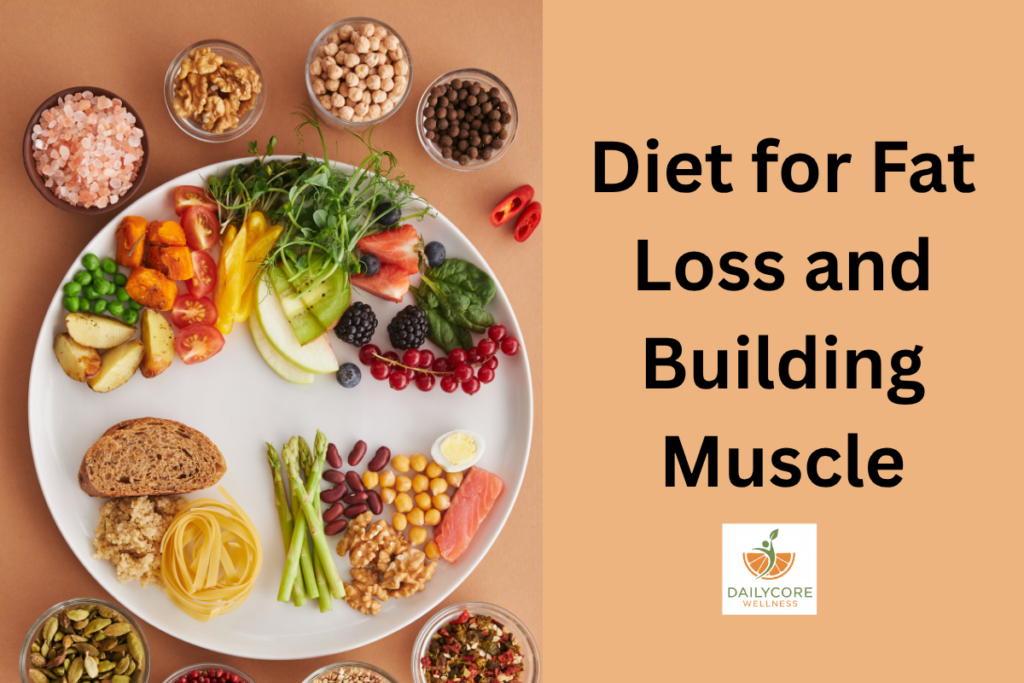
A diet for fat loss and building muscle is the foundation of achieving a lean, strong physique. Unlike generic weight loss diets, this approach focuses on preserving and increasing muscle mass while reducing body fat. Proper nutrition ensures that the body receives sufficient protein, carbohydrates, and healthy fats to fuel workouts, promote recovery, and maintain metabolic health.
Protein plays a central role in this diet by supporting muscle repair and growth. Consuming nutrient-dense, high-protein foods such as lean meats, eggs, dairy, legumes, and plant-based proteins ensures the body has the amino acids needed to maintain muscle even while in a calorie deficit.
Balanced carbohydrates are equally important. Complex carbs like oats, quinoa, and sweet potatoes provide the energy required for intense workouts while supporting recovery. Incorporating vegetables and fruits adds fiber, vitamins, and antioxidants to support overall health and fat metabolism.
Healthy fats, including nuts, seeds, avocados, and fatty fish, are essential for hormone regulation and satiety. A diet combining these macronutrients enables the body to burn fat efficiently while building or preserving muscle mass, resulting in a leaner, more toned physique.
Benefits of a Fat Loss and Muscle-Building Diet
A structured diet for fat loss and muscle gain promotes a favorable body composition. By prioritizing protein and nutrient-dense foods, individuals can reduce fat while maintaining or increasing lean muscle mass. This approach improves strength, endurance, and overall physical performance.
Additionally, proper nutrition enhances metabolic function. Higher protein intake increases the thermic effect of food, meaning the body burns more calories during digestion. Balanced macronutrients stabilize blood sugar and hormone levels, which reduces cravings and supports sustained energy throughout the day.
Such a diet also supports recovery from exercise. Adequate protein and nutrient intake accelerate muscle repair, reduce soreness, and prevent muscle breakdown. Combining this with strength training ensures that fat loss does not come at the expense of muscle mass.
Overall, following a diet tailored for fat loss and muscle gain leads to better body composition, improved fitness, and long-term health benefits. It enables sustainable fat reduction while fostering strength, energy, and functional performance.
High-Protein Foods for Muscle Preservation, 3rd April 2026
1. Chicken Breast
Chicken breast is a cornerstone for fat loss and muscle-building diets. With approximately 31 grams of protein per 100 grams, it provides high-quality, lean protein without excessive fat. It’s protein supports muscle repair, recovery, and growth, which is essential when in a calorie deficit aimed at fat loss. The low-calorie profile allows you to maintain a calorie deficit while ensuring adequate protein intake to prevent muscle breakdown. Chicken breast is highly versatile: it can be grilled, baked, poached, or stir-fried with vegetables. Including it regularly in meals helps sustain energy during workouts, promotes satiety, and supports long-term lean muscle gains while aiding in fat loss.
2. Eggs
Eggs are an affordable and nutrient-dense protein source. Each large egg provides around 6 grams of high-quality protein and essential amino acids necessary for muscle synthesis. Eggs also contain healthy fats and important nutrients such as choline and vitamin D, which support metabolism and hormone function. Consuming eggs in fat-loss diets helps maintain satiety, reduce cravings, and preserve lean muscle while in a calorie deficit. They are versatile and can be prepared in multiple ways, including boiled, scrambled, or as omelets combined with vegetables. Including eggs regularly ensures consistent protein intake and contributes to effective fat loss while supporting muscle growth.
3. Greek Yogurt
Greek yogurt is a high-protein dairy option, providing about 10 grams of protein per 100 grams. It is low in sugar and fat when chosen in plain varieties, making it ideal for fat-loss diets. Greek yogurt contains casein and whey proteins, which help maintain muscle mass while promoting satiety. Its probiotics support gut health, which improves nutrient absorption and digestion. It can be consumed as a snack, breakfast base, or post-workout meal. Combining it with fruits, seeds, or nuts enhances calorie control and nutrient density. Regular consumption of Greek yogurt supports energy, lean muscle preservation, and steady fat loss in a structured diet plan.
4. Salmon
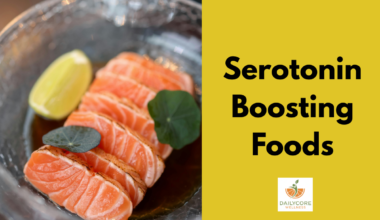
Salmon is a fatty fish that combines high-quality protein with omega-3 fatty acids. With around 25 grams of protein per 100 grams, it supports muscle repair and growth. Omega-3s reduce inflammation, enhance recovery, and support cardiovascular health. Salmon’s fat content also contributes to hormone regulation, particularly testosterone, which is crucial for building and maintaining muscle while losing fat. Cooking methods like baking, grilling, or poaching preserve nutrients and allow for versatile meal options. Including salmon in a fat-loss and muscle-building diet ensures adequate protein intake, supports metabolic health, and provides essential fatty acids that enhance overall performance and lean body composition.
5. Lentils
Lentils are a plant-based protein powerhouse, offering approximately 9 grams of protein per 100 grams cooked. They are also rich in dietary fiber, which improves digestion, prolongs satiety, and supports fat loss. Lentils contain essential micronutrients, including iron, folate, and magnesium, which aid energy production and muscle function. They are low in fat and provide complex carbohydrates, supplying sustained energy for workouts. Lentils can be used in soups, stews, salads, or combined with whole grains for complete protein. Regular inclusion supports lean muscle maintenance while keeping calorie intake in check, making lentils a key food for fat loss and muscle-building diets.
6. Cottage Cheese
Cottage cheese is an excellent source of slow-digesting protein, providing about 11 grams per 100 grams. It contains casein, which releases amino acids gradually, helping preserve muscle mass overnight or between meals. Low in fat and rich in calcium, it supports bone health while promoting satiety. Cottage cheese is versatile and can be eaten with fruit, vegetables, or seeds to increase nutrient density without excessive calories. Including cottage cheese in a fat-loss and muscle-building diet ensures steady protein intake, aids in appetite control, and contributes to maintaining lean muscle while reducing body fat.
7. Quinoa
Quinoa is a complete plant-based protein containing all nine essential amino acids, offering around 4 grams of protein per 100 grams cooked. It is rich in fiber, magnesium, and antioxidants, which support energy metabolism and recovery. Quinoa provides complex carbohydrates that fuel workouts and maintain energy levels without spiking insulin excessively. It is versatile, pairing well with vegetables, beans, or lean meats for nutrient-dense meals. Regular consumption in a fat-loss and muscle-building diet supports muscle repair, provides sustained energy, and improves overall nutritional quality. Quinoa is particularly valuable for vegetarians seeking complete protein sources.
8. Whey Protein
Whey protein is a fast-digesting protein that delivers 20–25 grams of high-quality amino acids per serving. It is ideal for post-workout recovery, helping reduce muscle breakdown and stimulate protein synthesis. Whey protein is low in calories when consumed in controlled amounts, making it suitable for fat-loss phases while preserving lean muscle. It can be mixed with water, milk, or smoothies for convenient nutrition. Including whey protein ensures consistent, high-quality protein intake throughout the day, supporting muscle repair, strength gains, and fat loss goals efficiently, especially for individuals with higher protein requirements.
9. Tofu
Tofu provides approximately 8 grams of protein per 100 grams and is an excellent plant-based protein source. It contains all essential amino acids and is low in calories, making it ideal for fat-loss diets. Tofu is versatile, absorbing flavors well, and can be grilled, baked, or stir-fried with vegetables. It also provides iron and calcium, which support energy metabolism and bone health. Including tofu regularly helps maintain lean muscle during calorie deficits, supports satiety, and offers a nutritious alternative to animal proteins in muscle-building diets.
10. Almonds
Almonds contain around 6 grams of protein per 30 grams and are high in healthy fats, vitamin E, and magnesium. While calorie-dense, they provide slow-digesting protein and healthy fats that support hormone balance, crucial for muscle growth and fat loss. Almonds promote satiety, making them a useful snack to control cravings while maintaining calorie targets. They are convenient, portable, and can be added to meals or smoothies. Including almonds in a diet for fat loss and muscle building supports nutrient balance, energy stability, and sustainable lean gains.
11. Turkey Breast
Turkey breast is a lean protein powerhouse, providing around 29 grams of protein per 100 grams while being low in fat and calories. It is rich in B vitamins, particularly niacin and B6, which support metabolism and energy production during workouts. Its high protein content helps preserve lean muscle during calorie deficits and enhances recovery after strength training. Turkey breast is versatile—it can be roasted, grilled, or sliced for salads and sandwiches—making it easy to include in meal plans. Regular consumption helps maintain satiety, prevents muscle breakdown, and supports fat loss while promoting lean mass gains.
12. Shrimp
Shrimp provides about 24 grams of protein per 100 grams and is very low in calories and fat, making it ideal for fat-loss diets. It contains key nutrients like selenium and iodine, supporting thyroid function and metabolism. Shrimp cook quickly, offering a convenient high-protein option for busy meal prep. Its protein content promotes muscle maintenance, while a calorie-controlled diet promotes fat loss. Regularly including shrimp ensures steady amino acid intake, helps prevent muscle breakdown during a calorie deficit, and contributes to lean mass preservation. Its versatility allows pairing with vegetables, grains, or healthy fats for a balanced meal.
13. Lean Beef
Lean beef provides around 26 grams of protein per 100 grams and is rich in iron, zinc, and vitamin B12. These nutrients support oxygen transport, immune function, and energy metabolism, all essential during fat-loss programs. Choosing lean cuts helps reduce fat intake while providing high-quality protein for muscle repair. Lean beef can be grilled, roasted, or added to stir-fries and salads. Including it in a structured fat-loss and muscle-building diet preserves lean muscle mass, improves satiety, and supports strength gains while promoting a healthy body composition.
14. Tuna
Tuna is a low-calorie, high-protein fish providing approximately 25 grams per 100 grams. It is rich in omega-3 fatty acids, supporting anti-inflammatory processes and cardiovascular health. Tuna’s lean protein helps maintain muscle mass while in a calorie deficit, making it ideal for fat loss and strength maintenance. It can be consumed fresh, canned in water, or added to salads and wraps. Regular intake ensures consistent protein delivery, enhances satiety, and contributes to optimal muscle repair and energy levels during fat-loss programs.
15. Cod
Cod offers roughly 20 grams of protein per 100 grams and is extremely low in fat and calories. Its lean profile supports a calorie-controlled diet aimed at fat loss while providing sufficient protein to maintain or build muscle. Cod is rich in vitamins B12 and B6, essential for energy production and metabolism. It can be baked, grilled, or steamed, making it a versatile addition to any meal plan. Regular consumption ensures amino acid supply, prevents muscle breakdown, and supports lean, functional strength during a fat-loss program.
16. Whey Protein
Whey protein is a fast-digesting protein supplement providing 20–25 grams per serving, ideal for post-workout recovery. It contains all essential amino acids, supporting muscle protein synthesis and repair. For fat-loss diets, whey protein is convenient, low in calories, and helps meet daily protein requirements without excess carbohydrates or fat. Including whey shakes after training accelerates recovery, preserves lean muscle, and enhances satiety. It is especially valuable for individuals with higher protein needs or those struggling to consume enough protein from whole foods alone.
17. Casein Protein
Casein protein provides around 20 grams per serving and is slowly digested, releasing amino acids over several hours. It helps preserve muscle mass overnight or between meals in a calorie deficit. Casein supports recovery and prevents muscle breakdown during fat loss while providing a sustained source of protein for lean gains. It can be consumed as a shake or added to recipes like overnight oats. Regular inclusion enhances muscle preservation, supports metabolic function, and ensures consistent protein intake for fat-loss and muscle-building goals.
18. Edamame
Edamame provides approximately 11 grams of protein per 100 grams cooked and is also rich in fiber, vitamins, and minerals. As a plant-based protein, it supports muscle maintenance while providing antioxidants and micronutrients that aid overall health. Edamame is low in fat and calories, making it suitable for fat-loss diets. It can be eaten as a snack, tossed in salads, or added to stir-fries. Including edamame regularly ensures steady protein intake, preserves lean muscle, and supports a nutrient-dense diet while maintaining a calorie deficit for fat loss.
19. Black Beans
Black beans contain about 8 grams of protein per 100 grams cooked and are high in fiber, aiding digestion and satiety. Their combination of protein and complex carbohydrates provides energy for workouts without causing excess fat gain. Black beans also supply iron, folate, and antioxidants to support metabolism and muscle function. Regular inclusion in meals helps maintain muscle mass while losing fat and contributes to overall nutrient balance. They are versatile, affordable, and effective for fat-loss and muscle-preserving diets, particularly for vegetarians and those seeking plant-based protein options.
20. Kidney Beans
Kidney beans offer around 8 grams of protein per 100 grams cooked and are high in fiber and micronutrients. They help regulate blood sugar, prolong satiety, and support digestive health. When combined with whole grains or vegetables, kidney beans provide a complete protein profile. Regularly including kidney beans in meals ensures sufficient protein intake to maintain muscle mass while promoting fat loss. They are a versatile, affordable, and nutrient-dense option suitable for both plant-based and omnivorous diets, supporting long-term body composition goals.
21. Tempeh
Tempeh provides about 19 grams of protein per 100 grams and is a fermented soy product rich in probiotics. This protein source supports muscle repair and gut health, which is critical for nutrient absorption during fat-loss programs. Tempeh’s high protein and moderate calories make it ideal for maintaining lean muscle while losing fat. It can be grilled, baked, or stir-fried with vegetables and grains. Regular consumption enhances protein intake, supports recovery from workouts, and contributes to a sustainable, nutrient-rich diet for fat loss and muscle-building goals.
22. Seitan
Seitan contains approximately 25 grams of protein per 100 grams and is a plant-based protein made from wheat gluten. It is very low in fat and carbohydrates, making it ideal for calorie-controlled fat-loss diets while preserving muscle. Seitan has a meat-like texture, making it versatile in stir-fries, sandwiches, or salads. Its high protein content helps maintain lean muscle mass, supports satiety, and enhances recovery from exercise. Regular inclusion ensures consistent protein intake for vegetarians or those seeking plant-based options for fat loss and muscle gain.
23. Cottage Cheese
Cottage cheese provides about 11 grams of protein per 100 grams and contains slow-digesting casein protein. It supports overnight muscle repair, preserves lean mass during calorie deficits, and promotes satiety. Low in fat, cottage cheese is ideal for fat-loss diets and can be eaten as a snack or included in meals with fruits, vegetables, or seeds. Including it regularly ensures sustained protein intake, supporting recovery, strength, and consistent progress in fat-loss and muscle-building programs.
24. Tofu
Tofu offers around 8 grams of protein per 100 grams and is a complete plant-based protein. Low in calories and fat, tofu helps maintain muscle mass during fat-loss diets. It is highly versatile, absorbing flavors in stir-fries, salads, or baked dishes. Tofu provides essential minerals like calcium and iron, supporting bone and metabolic health. Regular consumption supports protein adequacy, satiety, and lean muscle preservation, making it an effective option for vegetarians or anyone seeking plant-based proteins in fat-loss and muscle-building programs.
25. Greek Yogurt with Protein
Combining Greek yogurt with an additional protein source like whey or nuts increases protein density. This combination provides casein and whey proteins to support muscle preservation while maintaining a low-calorie profile for fat loss. It is ideal as a snack or post-workout meal. Regular consumption promotes satiety, recovery, and lean mass retention during calorie deficits. It also provides calcium, probiotics, and micronutrients for overall health.
26. Salmon
27. Whey Protein Smoothies
Whey protein smoothies combine fast-digesting protein with fruits or vegetables for balanced nutrition. They are convenient post-workout or as supplemental meals to ensure daily protein requirements are met. These smoothies support muscle repair, satiety, and fat loss by delivering high-quality protein without excessive calories.
28. Almonds
Almonds provide around 6 grams of protein per 30 grams, along with healthy fats. While calorie-dense, they support hormone balance, satiety, and lean muscle preservation. Consuming almonds in moderation can help manage hunger while sustaining energy for workouts and recovery, making them suitable for fat-loss and muscle-building diets.
29. Pumpkin Seeds
Pumpkin seeds contain 30 grams of protein per 100 grams, healthy fats, and minerals such as magnesium and zinc. They are ideal for snacking or adding to salads, supporting satiety and muscle function. Including pumpkin seeds helps maintain lean mass while supporting fat-loss efforts.
30. Chia Seeds
Chia seeds provide around 17 grams of protein per 100 grams and are rich in fiber and omega-3s. They stabilize blood sugar, prolong satiety, and support muscle preservation. Including chia seeds in meals or smoothies ensures sustained energy and balanced nutrition during fat-loss and muscle-building programs.
31. Brown Rice with Lentils
Combining brown rice and lentils provides a complete protein and carbohydrate source for energy and muscle preservation. This plant-based pairing supports recovery, satiety, and stable blood sugar levels. Regular inclusion helps sustain workouts, maintain lean muscle, and support fat-loss goals.
32. Pea Protein
Pea protein provides 20–25 grams of protein per serving and is easily digestible. It is hypoallergenic and suitable for vegetarians. Including pea protein in shakes or meals ensures consistent protein intake, supporting muscle repair and fat-loss efforts.
33. Tuna
Tuna is lean, low in calories, and provides 25 grams of protein per 100 grams. It preserves muscle mass while in a calorie deficit and supports recovery. Its versatility allows quick meal prep with minimal added fats, ideal for fat-loss diets.
34. Turkey Sausages (Lean)
Lean turkey sausages provide approximately 19–20 grams of protein per 100 grams. They are lower in fat than traditional sausages while maintaining high protein content. These are convenient for meal prep, supporting muscle maintenance, and satiety in fat-loss programs.
35. Spinach with Eggs
Spinach combined with eggs creates a nutrient-dense, protein-rich meal. Eggs supply high-quality protein and healthy fats, while spinach adds vitamins, minerals, and antioxidants to support metabolism and recovery. This combination promotes muscle preservation, fat loss, and overall wellness.