Hair extensions are a popular way to add length, volume, and versatility to your hairstyle. However, they require specialized care to maintain their integrity, prevent damage to natural hair, and ensure longevity. Proper hair care for extensions involves selecting high-quality products, gentle handling, and following a consistent routine tailored to the type of extensions you have, whether tape-in, clip-in, keratin-bonded, or sew-in.
Caring for hair extensions is different from natural hair care because the bonds, tapes, or wefts can be compromised by improper washing, styling, or chemical treatments. Using sulfate-free shampoos, hydrating conditioners, and occasional deep treatments helps maintain softness, shine, and elasticity. Additionally, protective styling and careful detangling prevent pulling, breakage, and premature shedding.
Daily hair care routines, including brushing, washing, and moisturizing, are critical for maintaining the appearance and health of both the extensions and your natural hair. Avoiding excessive heat, harsh chemicals, and rough handling ensures that extensions last longer and remain tangle-free.
Ultimately, successful hair care for extensions relies on consistency and the use of appropriate products and techniques. Following expert guidelines allows individuals to enjoy beautiful, voluminous hair while minimizing damage to natural strands and maximizing the life of their extensions.
Core Principles of Hair Care for Extensions
Caring for hair extensions requires a delicate balance between maintaining your natural hair and protecting the added strands. Washing should be gentle, using sulfate-free shampoos that cleanse without stripping moisture. Conditioners and leave-in treatments help maintain softness and prevent tangling. Detangling should always begin at the ends and work upward, avoiding pulling at bonds or wefts.
Protection from heat and styling damage is crucial. Use heat protectants and avoid excessive curling or straightening, especially near attachment points. Regular maintenance, such as repositioning tape-ins or retightening keratin bonds, ensures longevity. Consistent care and mindful handling of extensions support healthy, natural hair while keeping extensions smooth, shiny, and strong for longer periods.
Key Ingredients and Products for Extensions
High-quality hair care products enhance the lifespan and appearance of extensions. Sulfate-free shampoos and hydrating conditioners preserve moisture and prevent dryness. Leave-in conditioners and lightweight oils, such as argan or jojoba oil, help smooth strands and reduce frizz. Deep conditioning masks provide occasional intensive care, restoring softness and shine.
For natural hair, products with protein or keratin support strength at the roots and attachment points. UV-protective sprays and anti-frizz serums maintain extensions’ vibrancy and texture. Choosing products free from alcohol, harsh chemicals, or heavy silicones ensures that extensions remain manageable without weighing them down. Proper use of these ingredients ensures long-lasting, healthy-looking extensions.
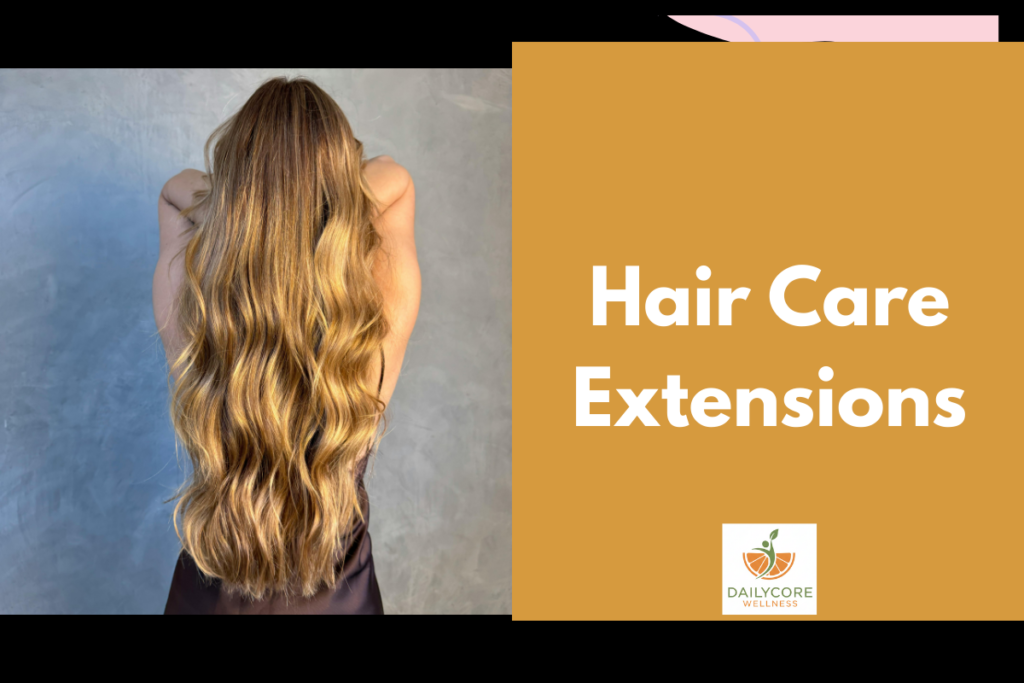
20 Expert Tips for Hair Care Extensions, 4th April 2026
1. “Choose High-Quality Extensions.”
The longevity of hair extensions begins with their quality. Opt for 100% human hair extensions from trusted brands, as synthetic strands cannot withstand heat styling or proper maintenance. High-quality hair blends seamlessly with natural hair, retains moisture, and reacts well to conditioning treatments. Investing in premium extensions reduces tangling, shedding, and damage, ensuring a natural appearance and longer lifespan. Additionally, quality extensions allow for safe heat styling, washing, and chemical treatments when necessary. Proper initial selection is the foundation of all subsequent care practices and ensures your extensions look healthy and vibrant throughout their lifespan.
2. “Understand Your Extension Type.”
Different types of extensions—tape-in, clip-in, keratin-bonded, sew-in, or micro-link—require distinct care methods. Tape-ins should avoid oil-based products near bonds, while keratin extensions need gentle detangling around the fusion points. Clip-ins require careful storage and washing to prevent tangling. Sew-ins need attention to braids to prevent tension on natural hair. Understanding your extension type ensures you apply the correct maintenance techniques and products, preserving both natural hair and extensions. Mismanagement can lead to premature slippage, shedding, or damage, making awareness and education essential for maintaining longevity and hair health.
3. “Brush Gently and Regularly.”
Brushing extensions prevents tangles and maintains smoothness, but it must be done carefully to avoid pulling at bonds or wefts. Use a wide-tooth comb or extension-specific brush, starting at the ends and working upward. Hold the hair near the root to reduce stress on attachment points. Brush before washing to remove knots and after washing, once hair is partially dried. Consistent gentle brushing prevents matting, breakage, and shedding. By maintaining smooth hair strands, extensions appear naturally blended, soft, and healthy while minimizing damage to natural hair and extending the life of the attachments.
4. “Use Sulfate-Free Shampoos.”
Sulfates can strip extensions of moisture and weaken bonds or tapes. Lighter, sulfate-free shampoos gently cleanse without causing dryness or frizz. Focus washing on the scalp and roots while carefully massaging through extensions. Avoid vigorous rubbing at attachment points, which can loosen bonds or cause shedding. Pairing sulfate-free shampoos with hydrating conditioners or leave-ins keeps hair soft, manageable, and tangle-free. Over time, consistent use preserves both the natural hair and extensions, maintaining a healthy, shiny, and long-lasting finish.
5. “Condition Extensions Properly.”
Conditioners prevent tangling, dryness, and frizz. Apply from mid-lengths to ends, avoiding bonds, tapes, or roots to prevent slippage. Lightweight leave-in conditioners can provide additional moisture and protection. Conditioning enhances hair elasticity and smoothness, making extensions easier to style and manage. Using protein-rich or moisturizing formulas occasionally supports strand strength and reduces breakage. Regular conditioning ensures hair remains soft, silky, and healthy while prolonging the life of the extensions.
6. “Deep Condition Weekly.”
Weekly deep conditioning masks restore moisture, strengthen strands, and repair minor damage. Apply masks carefully, avoiding attachment points to prevent loosening. Use heat if recommended to enhance absorption, then rinse thoroughly. Deep conditioning improves softness, shine, and manageability. For chemically treated or heat-styled extensions, this is especially important to maintain texture and prevent frizz. Over time, weekly treatments preserve smoothness and extend the overall lifespan of extensions.
7. “Avoid Excessive Heat Styling.”
High heat can damage both extensions and natural hair. Use styling tools sparingly and always apply a heat protectant. Maintain moderate temperatures and avoid prolonged contact near attachment points. Excessive heat causes dryness, frizz, and may weaken bonds or tapes. By limiting heat use, extensions retain their integrity, texture, and shine, while natural hair remains healthy and resilient.
8. “Protect Hair at Night.”
Sleeping can cause tangling and friction, leading to matting or breakage. Use silk or satin pillowcases and loosely braid or tie extensions before bed. Clip-in or tape-in extensions can be gently wrapped or secured to prevent tangling. Night protection preserves smoothness, reduces shedding, and ensures extensions stay properly aligned for the next day’s styling.
9. “Avoid Oil-Based Products Near Bonds.”
Oils near attachment points can cause tape extensions to slip and keratin bonds to weaken. Use oils and serums only on mid-lengths and ends. Focus hydration and shine treatments away from the roots to maintain bond integrity. This prevents premature slippage, extending the lifespan of the extensions while keeping hair soft and manageable.
10. “Wash Extensions Only When Needed.”
Over-washing can dry extensions and weaken attachment points. Washing 2–3 times per week is often sufficient, depending on activity levels. Focus on gentle cleansing, leaving bonds or tapes untouched. Avoid vigorous scrubbing and rinse thoroughly. Controlled washing preserves moisture, reduces tangling, and maintains bond stability.
11. “Separate Strands While Drying.”
After washing, it’s essential to carefully separate hair strands while drying to prevent tangling and matting. Use a soft microfiber towel or a cotton T-shirt to blot excess water, avoiding rubbing or twisting, which can damage the extensions or loosen attachment points. If using a blow dryer, always select a low-heat setting and direct airflow downward to maintain smooth cuticles. While the hair is damp, gently detangle with a wide-tooth comb, starting at the ends and gradually working upward. Proper separation ensures that extensions remain tangle-free, smooth, and manageable. Over time, this practice preserves the lifespan, appearance, and overall health of your extensions, maintaining their natural look and softness.
12. “Schedule Professional Maintenance.”
Regular professional maintenance is crucial for extensions like tape-ins, keratin-bonded, or sew-ins. Professionals can reposition or retighten extensions, ensuring they stay secure and reducing the risk of shedding or damage to natural hair. Attempting maintenance at home without experience can lead to weakened bonds, uneven placement, or hair breakage. Scheduling maintenance according to the type of extension—generally every 6–8 weeks—keeps hair looking polished, smooth, and full. Professionals can also assess the health of your natural hair and recommend treatments or adjustments. Consistent professional care ensures extensions last longer, remain easy to style, and complement your natural hair without compromising its integrity over time.
13. “Avoid Chemical Exposure.”
Extensions are sensitive to harsh chemicals such as chlorine, strong hair dyes, or bleaching agents. Chlorine from swimming pools can dry and weaken extensions, leading to tangling, frizz, and premature damage. If exposure is unavoidable, always rinse hair thoroughly with fresh water and apply a protective leave-in conditioner afterward. Hair dyes or chemical treatments should be performed by a professional to avoid weakening bonds or altering texture. Limiting chemical exposure preserves both the integrity of the extensions and the health of your natural hair. Over time, maintaining this precaution ensures extensions retain their softness, shine, and strength, extending their lifespan and keeping them visually appealing.
14. “Use Detangling Sprays.”
Detangling sprays are essential for keeping hair extensions smooth and manageable between washes. Lightly mist the hair, focusing on mid-lengths and ends, before brushing to ease knots and prevent breakage. Extensions lack natural oils at the tips, so detangling sprays provide hydration and slip that reduce friction. Using the right product minimizes stress on bonds, wefts, or tapes while protecting natural hair. Daily or as-needed use prevents matting, reduces shedding, and maintains the softness and shine of your extensions. Over time, incorporating detangling sprays into your routine improves manageability, enhances styling flexibility, and preserves the overall health and longevity of your extensions.
15. “Mind the Root Area.”
Protecting the root area is crucial to prevent damage to both extensions and natural hair. Avoid tugging, pulling, or excessive tension near attachment points during brushing, washing, or styling. When detangling, hold the hair close to the root to reduce stress on bonds, tape-ins, or keratin fusions. Gentle handling prevents premature shedding, breakage, and scalp discomfort. Maintaining the integrity of the root area ensures extensions remain secure and natural hair remains strong and healthy. Over time, careful attention to the roots supports long-lasting extensions, minimizes damage, and ensures that both the extensions and natural hair maintain a polished and resilient appearance.
16. “Keep Hair Moisturized.”
Hydration is critical for hair extensions, especially at the ends where natural oils do not reach. Use leave-in conditioners, lightweight oils like argan or jojoba, and occasional deep-conditioning masks to maintain moisture and softness. Proper hydration prevents dryness, frizz, and breakage, ensuring that extensions look smooth, natural, and vibrant. Hydrating products should be applied carefully, avoiding attachment points to prevent bond weakening. Regular moisture maintenance also helps with detangling and styling. Over time, consistently hydrating hair keeps extensions flexible, shiny, and strong, supporting both their longevity and the health of your natural hair.
17. “Avoid Tight Hairstyles.”
18. “Protect Hair During Exercise.”
Exercise can cause friction, sweating, and tangling, which may affect extensions. Secure hair in a loose braid, ponytail, or bun before working out to prevent pulling or matting. Consider using moisture-wicking headbands to minimize friction and keep hair off the face. After exercise, rinse sweat from hair and lightly apply leave-in conditioner or detangling spray to maintain softness. Regular attention during workouts prevents tangling, breakage, and premature shedding. Protecting hair during physical activity ensures that extensions remain smooth, strong, and well-maintained, preserving both appearance and longevity over time.
19. “Store Clip-In Extensions Properly.”
Proper storage of clip-in extensions is essential to prevent tangling, matting, and damage. Store them flat, hung, or in a dedicated extension storage case in a cool, dry place away from direct sunlight. Avoid stuffing or bending the hair, as this can cause creases, knots, or frizz. Regularly comb and detangle extensions before storage. Proper storage preserves the texture, shine, and softness of the hair, ensuring they remain manageable and natural-looking for longer periods. Over time, careful storage contributes to extended usability, reducing the need for frequent replacement or repairs.
20. “Be Consistent With Maintenance.”
Consistency is key to prolonging the life of hair extensions. Regular washing, conditioning, detangling, professional maintenance, and protective styling ensure extensions remain smooth, shiny, and strong. Inconsistent care can lead to tangling, matting, or bond failure, reducing lifespan and causing damage to natural hair. Developing a structured routine for daily and weekly maintenance preserves both the extensions and natural hair. Over time, disciplined care reinforces longevity, appearance, and manageability, allowing you to enjoy your extensions safely and beautifully for extended periods.
Conclusion
Caring for hair extensions requires a careful balance between maintaining the extensions themselves and protecting natural hair. Proper washing, conditioning, detangling, and use of specialized products such as leave-in conditioners, lightweight oils, and heat protectants are essential for preserving softness, shine, and strength. Each extension type—tape-in, keratin, clip-in, or sew-in—has unique needs, and following tailored care routines ensures that both extensions and natural hair remain healthy and resilient.
Consistency is the cornerstone of successful hair extension maintenance. Regular professional check-ups, gentle brushing, protective styling, and avoiding excessive heat or tight hairstyles prevent damage, shedding, and tangling. Incorporating weekly treatments and mindful handling ensures that extensions retain their natural appearance and longevity, providing a polished, manageable look.
Lifestyle factors also play a vital role in hair health. Proper hydration, a balanced diet rich in nutrients, stress management, and protection from environmental damage complement daily hair care routines. By addressing both internal wellness and external care, you support natural hair growth and extension longevity, ensuring strong, vibrant, and healthy strands.
Ultimately, achieving long-lasting, beautiful hair with extensions relies on dedication, knowledge, and consistency. By following expert tips, using high-quality products, and maintaining a disciplined routine, individuals can enjoy extensions that remain smooth, shiny, and strong while protecting their natural hair. Over time, this comprehensive approach guarantees both aesthetic appeal and long-term hair health.