Achieving and maintaining a healthy weight requires more than occasional dieting—it starts with a structured and sustainable approach to nutrition. A healthy diet for a weight loss plan emphasizes nutrient-dense foods that provide essential vitamins, minerals, and fiber while supporting energy balance. By focusing on whole, minimally processed foods, individuals can reduce calorie intake, improve satiety, and manage cravings effectively. Proper nutrition not only supports weight loss but also promotes long-term health and wellness.
A healthy diet for a weight loss plan is important because it addresses multiple aspects of metabolic health. Choosing the right combination of proteins, healthy fats, and complex carbohydrates ensures stable blood sugar levels, reduced inflammation, and optimal energy levels. These dietary habits support not only weight management but also cardiovascular health, digestive function, and hormonal balance. Implementing a consistent, structured plan empowers individuals to achieve measurable and sustainable results.
Incorporating a variety of whole foods is central to the success of any weight loss plan. Nutrient-rich fruits, vegetables, lean proteins, whole grains, and healthy fats provide the body with the building blocks necessary for proper metabolism, muscle maintenance, and immune support. A balanced approach ensures that while calories are controlled for weight loss, the body continues to receive the essential nutrients required for overall health.
Ultimately, a healthy diet for a weight loss plan is a long-term strategy, not a temporary fix. Consistency, mindful eating, and proper food selection are the keys to lasting results. By prioritizing foods that support satiety, nutrient density, and metabolism, individuals can achieve steady weight loss while maintaining energy, reducing the risk of chronic disease, and promoting overall wellness.
How the Right Foods Support Health
The foods included in a healthy diet for a weight loss plan play a critical role in regulating metabolism, supporting energy levels, and promoting fat loss. Whole foods such as vegetables, fruits, lean proteins, and complex carbohydrates are digested slowly, providing a steady release of energy that prevents blood sugar spikes and crashes. This steady energy release reduces hunger, prevents overeating, and supports consistent weight management over time.
Lean protein sources, such as poultry, fish, legumes, and Greek yogurt, are particularly important. Protein not only provides essential amino acids for muscle repair and maintenance but also promotes satiety, reducing overall calorie intake. Including protein at each meal slows digestion, stabilizes glucose levels, and helps maintain lean muscle mass, which is essential for a healthy metabolism and long-term weight management.
Fiber-rich foods also play a significant role in weight loss. High-fiber fruits, vegetables, and whole grains help slow digestion, prolong feelings of fullness, and support gut health. Soluble fiber, in particular, binds to water to form a gel-like substance in the gut, which slows nutrient absorption and reduces post-meal glucose spikes. A diet rich in fiber supports fat loss while improving digestive function and cardiovascular health.
Healthy fats, such as those found in olive oil, avocados, nuts, and seeds, are also essential. They improve satiety, support hormone balance, and provide essential fatty acids that the body cannot produce on its own. Consuming moderate amounts of these fats helps prevent cravings, supports cellular function, and enhances nutrient absorption, all of which contribute to effective weight management and overall wellness.
Key Nutrients That Support Health
Protein is the cornerstone of any healthy diet or weight loss plan. It helps maintain lean muscle mass, boosts satiety, and increases the thermic effect of food, which slightly raises calorie expenditure during digestion. Consistent protein intake from sources like eggs, chicken, fish, tofu, and legumes supports metabolism and long-term weight loss success.
Fiber is another essential nutrient for weight management. Found in vegetables, fruits, whole grains, and legumes, fiber slows digestion, reduces post-meal glucose spikes, and helps control appetite. Soluble fiber, in particular, promotes fullness and supports gut health, making it a critical component of any weight loss plan.
Micronutrients such as vitamins and minerals are vital for overall wellness. For example, magnesium supports energy metabolism, potassium helps maintain fluid balance and cardiovascular health, and vitamin C provides antioxidant protection. Consuming a wide variety of whole foods ensures that the body receives these essential nutrients, preventing deficiencies that could impair weight loss or overall health.
Healthy fats are also indispensable. Monounsaturated and polyunsaturated fats support heart health, hormone regulation, and nutrient absorption. Including sources like olive oil, nuts, seeds, and fatty fish in moderation enhances satiety, reduces inflammation, and supports metabolic efficiency. These fats complement a calorie-controlled, nutrient-rich diet for sustainable weight management.
Top 30 Guide on Healthy Diet for Weight Loss Plan, 2026
1. Leafy Greens
Leafy greens such as spinach, kale, and Swiss chard are nutritional powerhouses ideal for weight loss. They are extremely low in calories and high in fiber, which promotes satiety and slows digestion, helping control appetite throughout the day. Leafy greens are packed with vitamins A, C, K, and folate, along with antioxidants that reduce inflammation and support metabolic health. Incorporating them into daily meals is easy: add them to salads, smoothies, soups, or stir-fries. Their versatility and nutrient density make leafy greens an essential foundation for a healthy diet for a weight loss plan, supporting both calorie control and overall wellness.
2. Berries
Berries—including blueberries, strawberries, and raspberries—are naturally low in calories, high in fiber, and packed with antioxidants. The fiber content helps regulate blood sugar and promotes fullness, reducing overeating and unnecessary snacking. Antioxidants protect cells from oxidative stress and support cardiovascular and metabolic health. Berries are versatile and can be enjoyed as a snack, mixed into yogurt or oatmeal, or blended into smoothies. Their natural sweetness makes them a satisfying alternative to processed sugar, providing essential nutrients while supporting a healthy diet for weight loss plans and long-term weight management.
3. Lean Proteins
Lean proteins such as chicken breast, turkey, fish, tofu, and tempeh are fundamental for weight loss because they maintain muscle mass and increase satiety. Protein-rich meals help stabilize blood sugar and reduce cravings, making it easier to adhere to a calorie-controlled diet. Additionally, protein has a higher thermic effect than fats or carbohydrates, meaning your body burns more calories during digestion. These proteins can be grilled, baked, or steamed and incorporated into salads, soups, or stir-fries. Regular consumption supports metabolism, helps preserve lean muscle during fat loss, and strengthens the effectiveness of a healthy diet for a weight loss plan.
4. Eggs
Eggs are a complete protein source and contain essential nutrients such as choline, vitamin D, and selenium. Their protein content and healthy fats increase satiety and help control appetite, reducing calorie intake at later meals. Eggs are versatile, allowing for preparation as boiled, scrambled, poached, or added to salads and vegetable dishes. Consistently including eggs in a weight loss plan helps support metabolism, maintain lean muscle, and provide nutrient-dense calories that assist with sustainable fat loss. They are a staple for individuals aiming for an effective and balanced diet for weight management.
5. Greek Yogurt
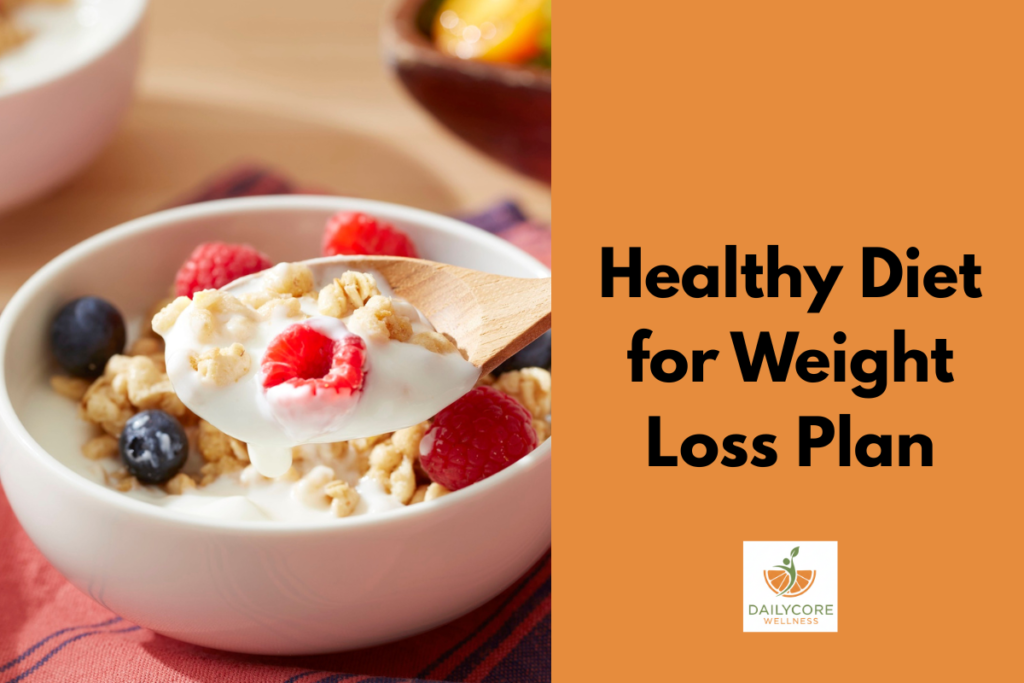
Greek yogurt is high in protein, calcium, and probiotics, making it an excellent choice for a healthy diet for a weight loss plan. Protein enhances fullness and helps preserve lean muscle mass, while probiotics support gut health, which can indirectly influence metabolism and weight management. Greek yogurt is low in sugar, especially in unsweetened varieties, and can be paired with berries, seeds, or nuts for added nutrients and flavor. Incorporating Greek yogurt into breakfast, snacks, or smoothies provides a nutrient-rich, satiating option that supports steady energy levels and long-term weight loss success.
6. Whole Grains
Whole grains such as oats, quinoa, brown rice, barley, and whole wheat provide complex carbohydrates and fiber that promote fullness and sustained energy. Unlike refined grains, whole grains digest slowly, reducing blood sugar spikes and maintaining stable energy levels. They are rich in essential nutrients, including B vitamins, magnesium, and antioxidants, which support metabolism and overall health. Whole grains can be incorporated into breakfast bowls, side dishes, soups, or salads. Regularly including them in a weight loss plan enhances satiety, aids in calorie control, and complements a balanced, nutrient-dense diet for sustainable weight management.
7. Nuts and Seeds
Nuts and seeds—including almonds, walnuts, chia seeds, and flaxseeds—are packed with healthy fats, protein, fiber, and micronutrients like magnesium and vitamin E. These components help control appetite, reduce cravings, and support metabolic and cardiovascular health. Despite being calorie-dense, moderate portions can promote satiety and prevent overeating. Nuts and seeds can be added to oatmeal, yogurt, salads, or eaten as a healthy snack. Incorporating them into a weight loss plan provides nutrient-dense energy, supports lean muscle maintenance, and contributes to the effectiveness of a balanced diet for long-term weight management.
8. Avocados
Avocados are rich in monounsaturated fats, fiber, potassium, and antioxidants, making them ideal for a weight-loss-friendly diet. Healthy fats promote satiety, reduce cravings, and support heart health, while fiber slows digestion and stabilizes blood sugar levels. Avocados can be incorporated into salads, smoothies, spreads, or simply eaten with whole-grain toast. Their creamy texture and nutrient density make them a satisfying addition that prevents overeating. Regular inclusion of avocados in a healthy diet for a weight loss plan supports metabolism, nutrient absorption, and long-term sustainable fat loss.
9. Beans and Legumes
Beans, lentils, and chickpeas are high in plant-based protein, complex carbohydrates, and fiber, making them highly effective for weight loss. Fiber helps regulate blood sugar and slows digestion, while protein enhances satiety and supports muscle maintenance. Beans and legumes are also rich in essential minerals such as iron, magnesium, and potassium. They can be used in soups, stews, salads, or as spreads like hummus. Regular consumption helps maintain energy balance, reduce cravings, and provides a nutrient-dense foundation for a sustainable weight loss plan, making them an essential component of healthy eating.
10. Green Tea
Green tea contains catechins and polyphenols, antioxidants that support metabolism, fat oxidation, and insulin sensitivity. Regular consumption can enhance calorie expenditure, improve energy balance, and aid in weight management. It is a low-calorie beverage that can replace sugary drinks, providing hydration and metabolic support simultaneously. Green tea can be enjoyed hot or cold, plain or lightly flavored without added sugar. Including green tea in a healthy diet for weight loss plan complements other nutrient-rich foods, supports fat loss, and contributes to overall cardiovascular and metabolic health.
11. Salmon
Salmon is an excellent source of high-quality protein and omega-3 fatty acids, which help support fat loss and maintain lean muscle mass. Omega-3s reduce inflammation, improve heart health, and may enhance metabolic function, making them ideal for a weight loss-focused diet. The protein content promotes satiety, helping to prevent overeating, while essential vitamins like vitamin D and B12 support energy metabolism. Salmon can be grilled, baked, or added to salads and pasta dishes. Regular consumption ensures nutrient-dense calories that aid in fat loss, stabilize blood sugar, and contribute to a sustainable, healthy diet for weight loss plan.
12. Tuna
Tuna is a lean, protein-rich fish low in calories and high in essential nutrients, including omega-3 fatty acids, vitamin D, and selenium. Its protein content helps preserve muscle during weight loss while promoting fullness, reducing overall calorie intake. Tuna is versatile: it can be grilled, canned in water, or added to salads and wraps. Regular inclusion in a weight loss plan supports steady energy levels, blood sugar regulation, and cardiovascular health. Tuna’s nutrient density, combined with its low-calorie profile, makes it a practical choice for individuals following a healthy diet for weight loss plan.
13. Cottage Cheese
Cottage cheese is high in protein and low in fat, making it an effective food for weight management. The protein content enhances satiety and helps maintain lean muscle mass, while its calcium supports bone health and metabolic function. Cottage cheese also contains essential nutrients such as vitamin B12, phosphorus, and selenium. It can be eaten alone, paired with fruits or nuts, or added to salads and baked dishes. Including cottage cheese in a healthy diet for weight loss plan helps stabilize appetite, control calorie intake, and provide nutrient-dense support for sustainable fat loss.
14. Quinoa
Quinoa is a gluten-free whole grain that provides complex carbohydrates, protein, and fiber, making it ideal for a weight loss diet. Its high fiber content slows digestion, promotes fullness, and helps regulate blood sugar, preventing spikes that can lead to cravings. Quinoa also contains essential minerals like magnesium, iron, and potassium, which support metabolism and overall wellness. It can be used as a base for salads, side dishes, breakfast bowls, or added to soups. Regular inclusion in a healthy diet for weight loss plan provides sustained energy, nutrient density, and effective appetite control.
15. Sweet Potatoes
Sweet potatoes are a nutrient-dense carbohydrate source rich in fiber, vitamins A and C, potassium, and antioxidants. Their complex carbohydrates digest slowly, providing steady energy and preventing blood sugar spikes that contribute to overeating. Sweet potatoes can be baked, boiled, roasted, or mashed as a low-calorie, high-fiber side dish. Regular consumption supports satiety, enhances nutrient intake, and provides essential micronutrients that promote metabolic health. Including sweet potatoes in a healthy diet for weight loss plan helps control appetite, maintain energy levels, and support sustainable, long-term fat loss.
16. Oats
Oats are a whole grain packed with soluble fiber, particularly beta-glucan, which slows digestion and stabilizes blood sugar. This promotes satiety and reduces the likelihood of snacking between meals. Oats are also rich in vitamins, minerals, and antioxidants that support metabolism, heart health, and digestive function. They can be prepared as oatmeal, added to smoothies, or used in baking. Regular consumption of oats in a healthy diet for weight loss plan contributes to sustained energy, appetite control, and improved metabolic efficiency, making them an essential staple for effective and balanced weight management.
17. Apples
Apples are a low-calorie fruit high in fiber, particularly soluble fiber, which slows glucose absorption and promotes fullness. They are rich in vitamin C and antioxidants, supporting immune function and metabolic health. Apples are versatile and convenient, making them an ideal snack or addition to salads, oatmeal, and yogurt. Eating apples regularly can reduce cravings for sugary foods while providing essential nutrients that support a healthy diet for weight loss plan. Their natural sweetness satisfies cravings and promotes long-term adherence to a calorie-controlled, nutrient-rich eating pattern.
18. Oranges
Oranges are fiber-rich, low-glycemic fruits packed with vitamin C, potassium, and antioxidants that support metabolism, blood sugar regulation, and cardiovascular health. Their fiber content enhances satiety and slows digestion, making them a satisfying option for weight loss. Oranges can be eaten fresh, juiced in moderation, or added to salads and smoothies. Including oranges in a healthy diet for weight loss plan supports consistent energy levels, reduces cravings for high-calorie snacks, and provides essential micronutrients that contribute to overall wellness and long-term fat loss success.
19. Carrots
Carrots are low in calories, high in fiber, and rich in beta-carotene, which supports eye health and antioxidant protection. The fiber content promotes fullness and helps regulate blood sugar levels, which is critical for appetite control during weight loss. Carrots can be eaten raw as snacks, roasted, steamed, or added to salads, soups, and stir-fries. Their natural sweetness provides a healthy alternative to sugary foods. Incorporating carrots into a healthy diet for weight loss plan helps stabilize energy levels, enhance nutrient intake, and support a sustainable, long-term weight management strategy.
20. Cucumbers
Cucumbers are low in calories, hydrating, and contain fiber, vitamins, and antioxidants that support overall wellness. Their high water content and low energy density make them an ideal food for promoting fullness without excess calories. Cucumbers can be eaten raw, added to salads, smoothies, or enjoyed as a snack with hummus or yogurt-based dips. Regular inclusion in a healthy diet for weight loss plan helps reduce calorie intake, improve hydration, and provide essential nutrients while supporting weight management. Their versatility and refreshing nature make them a practical addition to daily meals.
21. Bell Peppers
Bell peppers are low in calories and high in fiber, vitamin C, and antioxidants, making them ideal for a weight loss-focused diet. Their fiber content promotes fullness, regulates blood sugar, and slows digestion, which helps control appetite. Bell peppers also support immune function, skin health, and metabolic processes due to their nutrient density. They can be eaten raw in salads, roasted, grilled, or added to stir-fries and soups. Regular consumption of bell peppers in a healthy diet for weight loss plan contributes to satiety, nutrient intake, and overall wellness, providing a colorful, flavorful, and versatile option for daily meals.
22. Broccoli
Broccoli is a cruciferous vegetable high in fiber, vitamins C and K, and antioxidants. Its fiber content helps regulate blood sugar, promote satiety, and support digestive health. Broccoli also contains compounds that may improve metabolism and support detoxification. It can be steamed, roasted, grilled, or added to soups and salads. Incorporating broccoli into a healthy diet for weight loss plan provides essential nutrients while reducing calorie density in meals. Its combination of fiber, vitamins, and antioxidants supports weight management, overall health, and sustainable long-term results.
23. Cauliflower
Cauliflower is a low-calorie, nutrient-rich vegetable containing fiber, vitamin C, vitamin K, and antioxidants. Its fiber helps slow digestion, promoting satiety and reducing calorie intake. Cauliflower is also versatile, serving as a substitute for higher-calorie grains and starches, such as rice or mashed potatoes. It can be roasted, steamed, or incorporated into soups, casseroles, and salads. Including cauliflower in a healthy diet for weight loss plan supports steady energy levels, blood sugar regulation, and overall nutrient intake, making it a practical and effective food for sustainable fat loss.
24. Zucchini
25. Tomatoes
Tomatoes are low in calories, high in fiber, and rich in antioxidants such as lycopene, which supports heart health and reduces inflammation. The fiber content aids satiety, stabilizes blood sugar, and promotes digestive health, making tomatoes ideal for weight loss. They can be eaten fresh in salads, cooked into sauces, roasted, or added to soups and stews. Regular inclusion in a healthy diet for weight loss plan ensures nutrient density, supports metabolic function, and contributes to overall wellness while helping control calorie intake and manage hunger throughout the day.
26. Mushrooms
Mushrooms are low in calories, high in fiber, and contain protein, B vitamins, selenium, and antioxidants. They support satiety, stabilize blood sugar, and enhance metabolism, making them ideal for weight loss diets. Mushrooms also promote immune function and contribute to cardiovascular health. They are highly versatile and can be sautéed, roasted, grilled, or added to soups, salads, and stir-fries. Regular consumption of mushrooms in a healthy diet for weight loss plan helps reduce calorie density in meals, supports nutrient intake, and promotes sustainable, long-term fat loss while enhancing overall health.
27. Garlic
Garlic is a flavorful, nutrient-dense food that may support metabolism, blood sugar regulation, and cardiovascular health. It contains compounds with antioxidant and anti-inflammatory properties, which enhance overall wellness. Garlic can be incorporated into daily meals by adding it to sautéed vegetables, soups, sauces, or roasted dishes. Its low-calorie nature makes it ideal for weight loss, and its unique flavor allows for healthier cooking without excessive oils or calories. Including garlic in a healthy diet for weight loss plan supports metabolism, appetite control, and overall nutrient intake while improving the taste of meals.
28. Chia Seeds
Chia seeds are rich in fiber, protein, omega-3 fatty acids, and essential minerals such as magnesium and calcium. The soluble fiber forms a gel in the stomach, slowing digestion, promoting fullness, and regulating blood sugar. Chia seeds can be added to smoothies, oatmeal, yogurt, or used in puddings and baked goods. Their nutrient density and satiety-promoting properties make them an excellent addition to a healthy diet for weight loss plan. Regular consumption supports appetite control, metabolism, and cardiovascular health while providing a versatile and nutrient-rich ingredient for daily meals.
29. Almonds
Almonds are packed with healthy monounsaturated fats, protein, fiber, vitamin E, and magnesium. These nutrients support satiety, regulate blood sugar, and promote metabolic efficiency, making almonds effective for weight loss. Consuming almonds in moderation helps reduce cravings and prevents overeating. They can be eaten as a snack, added to oatmeal, salads, or smoothies. Regular inclusion in a healthy diet for weight loss plan supports long-term fat loss, cardiovascular health, and overall nutrient intake while providing a convenient, nutrient-dense option that complements daily meals.
30. Water
Water is essential for hydration, metabolism, and appetite regulation. Drinking sufficient water before and during meals can promote satiety, reduce unnecessary calorie intake, and support digestive function. Proper hydration also aids fat metabolism and energy expenditure. Water can be consumed plain, infused with fruits or herbs for flavor, or incorporated into soups and beverages without added sugar. Including adequate water intake in a healthy diet for weight loss plan enhances fat loss, maintains overall wellness, and supports sustainable weight management while improving energy and metabolic efficiency.
Conclusion
Adopting a healthy diet for weight loss plan is essential for achieving sustainable results and improving overall wellness. Focusing on nutrient-dense foods such as lean proteins, whole grains, fruits, vegetables, and healthy fats helps regulate appetite, maintain energy levels, and support metabolism. Incorporating a variety of these foods ensures adequate intake of vitamins, minerals, and fiber, which collectively enhance fat loss, stabilize blood sugar, and improve digestive and cardiovascular health. A consistent approach to nutrition forms the foundation for long-term success in weight management.
Consistency in dietary choices is key to achieving measurable results. Planning meals around whole, minimally processed foods and including foods that promote satiety helps prevent overeating and unhealthy snacking. Combining protein, fiber, and healthy fats at each meal enhances fullness, supports muscle maintenance, and promotes steady energy throughout the day. By establishing these habits, individuals can create a structured and balanced routine that encourages sustainable weight loss and improved metabolic function over time.
Beyond calorie control, a healthy diet for weight loss plan promotes overall wellness. Nutrient-rich foods like leafy greens, berries, nuts, and seeds provide antioxidants and anti-inflammatory compounds that support immune function, cardiovascular health, and hormonal balance. Regularly including these foods in daily meals not only aids fat loss but also strengthens long-term health. A holistic approach that emphasizes both nutrient quality and calorie awareness ensures better results than fad diets or temporary restrictions.
Ultimately, sustainable weight management requires a long-term strategy that combines proper nutrition, mindful eating, and lifestyle consistency. Implementing a healthy diet for weight loss plan empowers individuals to take control of their health, manage body composition, and improve overall quality of life. By consistently choosing nutrient-dense foods, monitoring portion sizes, and maintaining healthy habits, long-term weight loss and wellness become achievable and maintainable goals.