In today’s fast-paced world, eating healthy often feels complicated. With countless diet trends, conflicting advice, and social media “miracle” plans promising overnight results, many people are left confused about what a truly healthy diet actually looks like. A healthy diet plan example removes that confusion. It provides structure, clarity, and a practical model you can follow to nourish your body properly without resorting to extreme or unsustainable methods.
A healthy diet is not about deprivation. It is not about skipping meals, eliminating entire food groups unnecessarily, or constantly feeling hungry. Instead, it is about balance, nourishment, and consistency. When you provide your body with the right combination of lean proteins, complex carbohydrates, healthy fats, vitamins, minerals, and fiber, you create an internal environment that supports fat loss, steady energy, mental clarity, and long-term wellness.
One of the biggest challenges in maintaining healthy eating habits is the lack of planning. Without a clear guide, meals become reactive rather than intentional. Hunger leads to convenience choices, and those choices often lead to processed foods high in sugar, sodium, and unhealthy fats. A structured diet plan example eliminates guesswork. It shows you exactly how to combine foods into balanced meals that stabilize blood sugar, reduce cravings, and keep you satisfied throughout the day.
Another key benefit of following a healthy diet plan example is portion awareness. Even nutritious foods can hinder progress if consumed in excessive amounts. A balanced plan demonstrates how to build your plate properly — typically including a generous portion of vegetables, a moderate serving of lean protein, controlled complex carbohydrates, and healthy fats in appropriate quantities. This structure prevents overeating while ensuring you receive all essential nutrients.
Consistency is where real transformation happens. Healthy eating is not a one-day effort; it is a pattern repeated daily. When meals are planned, grocery shopping becomes more strategic, meal preparation becomes easier, and discipline becomes more natural. Instead of constantly deciding what to eat, you follow a system that supports your goals automatically.
It is also important to recognize that a healthy diet plan example is not meant to be rigid. Individual needs vary based on age, activity level, metabolism, and health conditions. Therefore, the example provided should serve as a flexible framework. You can swap ingredients, adjust portion sizes, or modify meal timing while maintaining the core principles of balanced nutrition.
Hydration, sleep, and physical activity complement any diet plan. Drinking enough water supports metabolism and appetite control. Adequate sleep regulates hunger hormones. Regular movement enhances fat burning and improves overall health. When these lifestyle factors work together with a structured diet plan, results become more sustainable and less stressful.
Ultimately, a healthy diet plan example is more than a sample menu — it is a blueprint for building a healthier relationship with food. It teaches you how to eat intentionally rather than emotionally, how to nourish rather than restrict, and how to create habits that support both your physical and mental well-being.
In the sections that follow, you will find a practical and realistic healthy diet plan example designed to help you take action immediately. This example can serve as your starting point — a clear, structured foundation upon which you can build lasting healthy habits and achieve steady, sustainable progress.
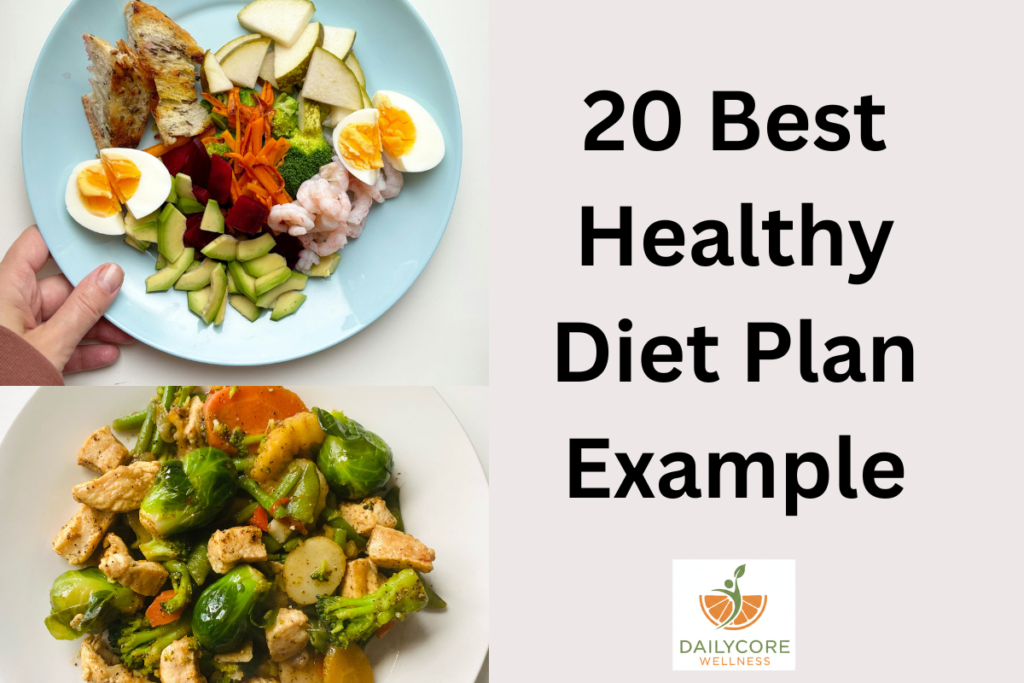
20 Best Examples of Healthy Diet Plans, 3rd April 2026
1. Mediterranean Diet Plan
The Mediterranean Diet focuses on whole, minimally processed foods such as vegetables, fruits, legumes, whole grains, fish, nuts, and olive oil. It limits red meat and refined sugars while emphasizing healthy fats and lean proteins. This plan supports heart health, weight management, and reduced inflammation. Meals are balanced, satisfying, and rich in fiber and antioxidants. Because it encourages variety and flexibility, it is sustainable in the long term. Portion control combined with nutrient density makes it effective for gradual fat loss. It also promotes mindful eating and lifestyle balance rather than strict calorie counting, making it practical for many people.
2. DASH Diet Plan
The DASH diet was developed to reduce high blood pressure but is also excellent for weight management. It emphasizes fruits, vegetables, lean proteins, low-fat dairy, whole grains, and reduced sodium intake. The plan encourages balanced portions and limits processed foods high in salt and sugar. Because it is rich in potassium, magnesium, and fiber, it supports cardiovascular health while maintaining stable energy levels. Its structure is straightforward and practical for daily living. When combined with moderate calorie control, the DASH diet promotes sustainable fat loss and improved metabolic health without extreme restrictions.
3. Intermittent Fasting Plan
The Intermittent Fasting focuses on meal timing rather than specific foods. Common methods include 16:8 fasting, where eating is limited to an eight-hour window daily. This structure helps reduce overall calorie intake and supports fat burning by lowering insulin levels during fasting periods. When combined with balanced meals, it can improve metabolic flexibility and appetite control. It also simplifies meal planning because fewer meals are consumed. However, food quality still matters. Whole foods, lean proteins, and vegetables should remain the focus. This plan works best for individuals who prefer structured eating windows.
4. Ketogenic Diet Plan
The Ketogenic Diet is a very low-carbohydrate, high-fat plan designed to push the body into ketosis, where fat becomes the primary energy source. Carbohydrates are drastically reduced, while healthy fats and moderate protein intake are emphasized. Rapid initial weight loss often occurs due to reduced water retention and fat burning. Meals include fish, eggs, meat, oils, and low-carb vegetables. While effective for some individuals, it requires careful planning to avoid nutrient deficiencies. Discipline and consistency are essential. The ketogenic approach may suit those comfortable with strict carbohydrate control.
5. Plant-Based Diet Plan
A plant-based diet centers on vegetables, fruits, legumes, nuts, seeds, and whole grains while minimizing or eliminating animal products. Because plant foods are high in fiber and lower in calories, they naturally support weight loss and improved digestion. This approach promotes heart health and reduces inflammation. Adequate protein can be obtained through beans, lentils, tofu, and quinoa. Balanced planning is important to ensure sufficient intake of essential nutrients like vitamin B12 and iron. When well structured, a plant-based diet is sustainable, environmentally friendly, and effective for gradual, healthy fat reduction.
6. Low-Carbohydrate Diet Plan
A low-carbohydrate diet reduces refined carbs such as white bread, sugary drinks, and pasta, replacing them with protein and healthy fats. Lower carbohydrate intake can improve blood sugar control and reduce hunger. Meals often include meats, fish, eggs, vegetables, nuts, and seeds. This plan can lead to noticeable early weight loss, particularly for individuals sensitive to insulin spikes. Unlike strict ketogenic approaches, moderate carbs from vegetables and whole foods are still included. This flexibility makes it easier to maintain long-term while supporting fat loss and improved metabolic health.
7. High-Protein Diet Plan
A high-protein diet emphasizes lean meats, eggs, fish, dairy, legumes, and plant proteins. Protein increases satiety, boosts metabolism slightly through digestion, and preserves muscle mass during weight loss. Including protein at every meal reduces cravings and stabilizes blood sugar levels. This approach is especially beneficial for active individuals or those incorporating strength training. While carbohydrates and fats are not eliminated, they are balanced carefully. A high-protein structure makes portion control easier and helps prevent overeating, making it effective for both fat loss and muscle maintenance.
8. Calorie-Controlled Balanced Diet
This plan focuses on maintaining a moderate calorie deficit while keeping all food groups included. Rather than eliminating carbs or fats, portions are measured carefully. Meals typically include lean protein, vegetables, whole grains, and healthy fats. Tracking calorie intake increases awareness and prevents overeating. Because it allows flexibility, it can be customized to individual preferences. The emphasis is on balance, consistency, and sustainability rather than extreme restrictions. This approach works well for long-term weight management and teaches portion discipline effectively.
9. Clean Eating Plan
Clean eating emphasizes whole, minimally processed foods and eliminates refined sugars, artificial additives, and processed snacks. Meals consist of fresh vegetables, fruits, lean proteins, whole grains, and healthy fats. By reducing empty calories and additives, this plan supports natural fat loss and improved digestion. It also encourages cooking at home, which improves portion control and nutritional awareness. Clean eating is less about strict rules and more about food quality. When practiced consistently, it improves overall health while supporting gradual and sustainable weight reduction.
10. Flexitarian Diet Plan
The Flexitarian diet is primarily plant-based but allows occasional lean meat and fish. This balanced approach increases vegetable and fiber intake while still providing protein variety. Because it is flexible, it is easier to sustain in the long term. Reducing meat consumption can lower calorie intake and improve heart health. The plan promotes mindful eating and gradual dietary improvement without strict elimination rules. This flexibility reduces feelings of restriction, making it an appealing option for individuals transitioning toward healthier habits.
11. Whole-Food Diet Plan
A whole-food diet eliminates ultra-processed items and focuses strictly on natural foods. Vegetables, fruits, legumes, whole grains, nuts, seeds, and lean proteins dominate the plate. Removing processed foods automatically reduces excess sodium, sugar, and unhealthy fats. This improves metabolic health and digestion. Because whole foods are nutrient-dense, they promote fullness while controlling calories. This approach encourages cooking from scratch and building meals around fresh ingredients, fostering sustainable weight loss habits.
12. Low-Glycemic Index Diet
This diet prioritizes foods that release sugar slowly into the bloodstream, preventing sharp spikes in blood glucose. Whole grains, legumes, vegetables, and most fruits are emphasized. Stable blood sugar reduces hunger and cravings, supporting fat loss. This plan is especially beneficial for individuals with insulin resistance. Balanced meals improve energy stability and prevent energy crashes. Portion control remains important for effectiveness.
13. High-Fiber Diet Plan
A high-fiber diet increases intake of vegetables, fruits, legumes, and whole grains. Fiber promotes fullness, improves digestion, and supports gut health. Because fiber slows digestion, it helps regulate appetite and reduce overeating. This plan naturally reduces calorie intake without strict counting. Improved digestive health also reduces bloating and discomfort. Consistent fiber intake supports long-term weight management.
14. Anti-Inflammatory Diet Plan
This plan emphasizes foods known to reduce inflammation, including leafy greens, fatty fish, berries, nuts, and olive oil. Processed foods, refined sugars, and unhealthy fats are minimized. Reducing inflammation supports metabolic efficiency and overall health. Balanced meals improve energy and recovery. The anti-inflammatory approach focuses on food quality and nutrient density rather than calorie extremes.
15. Portion-Control Plate Method
This method divides the plate into balanced sections: half vegetables, one-quarter lean protein, and one-quarter whole grains. Healthy fats are added in moderation. It simplifies decision-making without calorie tracking. Visual balance promotes portion awareness and nutrient diversity. This strategy is sustainable and adaptable for different cuisines.
16. Nordic Diet Plan
The Nordic Diet emphasizes whole grains, fatty fish, root vegetables, berries, and rapeseed oil. Similar to Mediterranean principles, it supports heart health and weight management. Seasonal, local foods are prioritized. Nutrient-dense ingredients and fiber-rich meals promote satiety and steady energy.
17. Pescatarian Diet Plan
A pescatarian diet eliminates red meat and poultry but includes fish and seafood. Omega-3 fatty acids from fish support heart health and reduce inflammation. Combined with vegetables, legumes, and whole grains, this plan supports balanced nutrition and moderate weight loss. It is flexible and easier to maintain than stricter vegetarian plans.
18. Volumetrics Diet Plan
The Volumetrics Diet focuses on eating high-volume, low-calorie foods such as vegetables, fruits, and soups. This increases fullness while reducing calorie intake. The emphasis on water-rich foods promotes satiety without deprivation. It is practical and sustainable.
19. Balanced Meal Prep Plan
This plan centers on preparing balanced meals in advance. Lean proteins, whole grains, and vegetables are cooked in batches. Pre-planning prevents impulsive eating and improves portion control. Structure increases consistency and reduces reliance on unhealthy convenience foods.
20. Mindful Eating Plan
Mindful eating focuses on awareness during meals. Slower eating, hunger recognition, and emotional regulation prevent overeating. This plan improves digestion and satisfaction. While it does not dictate specific foods, combining mindfulness with balanced nutrition enhances long-term weight control and overall wellness.
Conclusion
After exploring these 20 healthy diet plan examples, one truth becomes very clear: there is no single “perfect” diet for everyone. What truly determines success is not the popularity of the plan, the trend behind it, or how quickly it promises results. Success comes from sustainability, consistency, and alignment with your lifestyle, preferences, and long-term health goals.
Each plan discussed offers a different pathway toward the same destination — improved health, balanced nutrition, and sustainable weight management. Whether it is the heart-supporting principles of the Mediterranean approach, the structured timing of intermittent fasting, the portion awareness of the plate method, or the discipline of meal preparation, every plan emphasizes one powerful foundation: whole, nutrient-dense foods and mindful eating habits.
It is important to understand that rapid transformation is rarely a lasting transformation. Extreme restriction may deliver quick results, but without structure and balance, those results are often temporary. Sustainable fat loss and improved wellness occur when you create habits that can be repeated not just for seven days or thirty days, but for months and years. This is why flexibility, variety, and balance matter so much. The best healthy diet plan is the one you can realistically maintain.
Another key lesson is that food quality matters just as much as quantity. A calorie deficit may drive weight loss, but nutrient-dense foods drive health. When your meals include lean proteins, fiber-rich vegetables, healthy fats, and complex carbohydrates, your body responds with improved energy, better digestion, reduced cravings, and enhanced metabolic function. These internal improvements form the foundation for visible physical progress.
Healthy eating is not about punishment. It is not about eliminating everything you enjoy. It is about learning balance. It is about understanding portion control. It is about choosing foods that nourish your body more often than those that deplete it. When you shift your mindset from restriction to nourishment, the process becomes empowering instead of exhausting.
Consistency will always outperform intensity. A moderate, balanced plan followed consistently will produce better long-term results than a strict plan followed sporadically. Small daily improvements — drinking more water, increasing vegetable intake, reducing processed snacks, planning meals — compound into meaningful change over time.
Most importantly, remember that your journey is personal. Your metabolism, lifestyle, schedule, culture, and food preferences all matter. You are not required to follow a diet exactly as written. You can adapt, combine, and customize. You can take the best elements from multiple plans and create a structure that fits your reality.
The goal is not just to lose weight. The goal is to gain energy. To gain discipline. To gain control over your choices. To gain a stronger, healthier version of yourself.
Your transformation does not begin with perfection — it begins with one intentional decision. And once you commit to consistency, your results will follow.
Healthy living is not a temporary phase. It is a lifelong advantage.