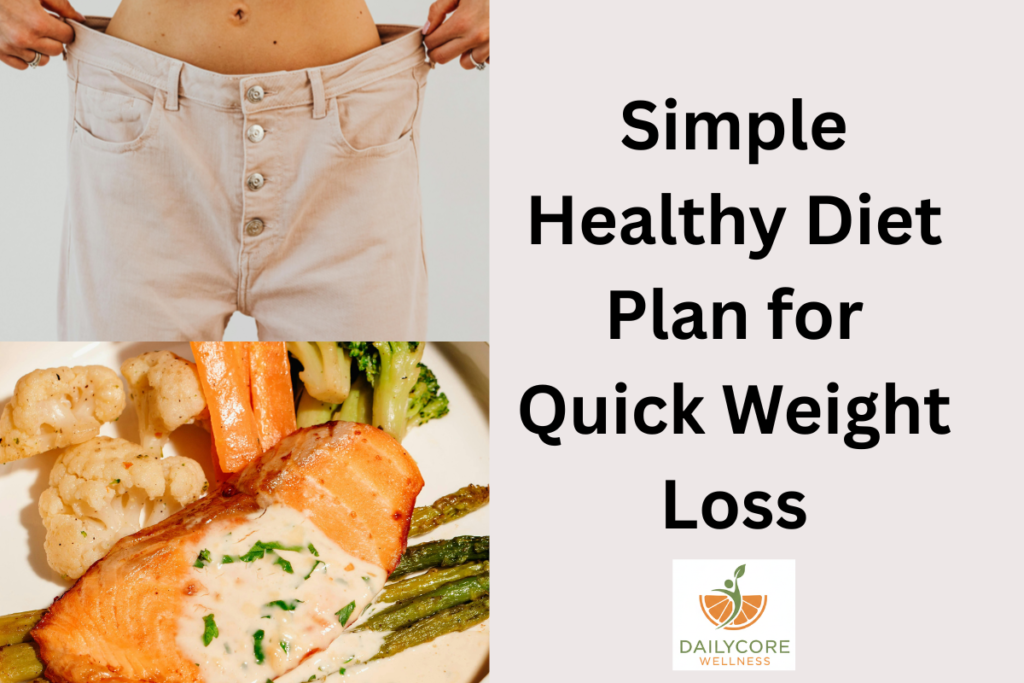
Losing weight quickly is one of the most common health goals in today’s world, but doing it the wrong way can lead to frustration, burnout, and even serious health problems. A healthy diet plan for quick weight loss is not about starving yourself, skipping meals, or following extreme trends. Instead, it focuses on nourishing your body with the right balance of nutrients while creating a calorie deficit that promotes steady fat loss. When done correctly, quick weight loss can be both safe and sustainable.
A proper healthy diet plan for quick weight loss emphasizes lean proteins, high-fiber vegetables, healthy fats, and complex carbohydrates. Protein helps preserve muscle mass while your body burns fat. Fiber improves digestion and keeps hunger under control. Healthy fats, such as those from nuts, seeds, and avocados, support hormone balance and satiety. Meanwhile, refined sugars and processed foods should be minimized because they cause blood sugar spikes that lead to cravings and overeating.
Hydration also plays a crucial role in rapid weight loss. Drinking enough water supports metabolism, reduces bloating, and helps control appetite. Often, what we interpret as hunger is actually dehydration. Pairing a balanced diet with proper hydration and moderate physical activity creates a powerful combination for accelerated fat loss.
It’s important to understand that “quick” does not mean “overnight.” Healthy weight loss typically ranges from 0.5 to 1 kilogram per week, depending on body type, starting weight, and activity level. Rapid but safe weight loss comes from structured meal planning, portion awareness, and disciplined eating habits rather than crash dieting.
Ultimately, a healthy diet plan for quick weight loss is about building smart habits. It encourages mindful eating, meal preparation, and choosing foods that nourish rather than simply satisfy temporary cravings. By focusing on whole foods, balanced macronutrients, and sustainable practices, you can achieve noticeable results without sacrificing your long-term health.
If you stay consistent, prioritize nutrient-rich foods, and avoid extreme restrictions, quick weight loss can become the beginning of a healthier, stronger, and more confident version of yourself.
15 healthy diet plans for quick weight loss, 3rd April 2026
1. Calorie-Controlled Balanced Diet Plan
A calorie-controlled, balanced diet is one of the safest and most sustainable approaches to quick weight loss. This plan focuses on creating a moderate calorie deficit (typically 500–750 calories per day) while maintaining proper macronutrient balance. Instead of cutting out entire food groups, you include lean proteins, complex carbohydrates, healthy fats, and fiber-rich vegetables in controlled portions.
The emphasis is on whole foods such as grilled chicken, fish, eggs, brown rice, quinoa, leafy greens, nuts, and seeds. Protein helps preserve muscle mass during fat loss, fiber keeps you full longer, and healthy fats support hormone regulation. This diet prevents extreme hunger and reduces binge-eating risks. It’s ideal for beginners who want quick but steady results without extreme restrictions.
2. High-Protein Diet Plan
A high-protein diet is highly effective for quick weight loss because protein increases satiety and boosts metabolism through the thermic effect of food. This plan includes lean meats, fish, eggs, Greek yogurt, tofu, legumes, and protein-rich plant foods.
By increasing protein intake to about 25–35% of total daily calories, you reduce cravings and prevent muscle loss during fat reduction. Protein also stabilizes blood sugar levels, reducing emotional eating and snacking. This plan works especially well when combined with strength training, as it helps maintain lean body mass while shedding fat.
3. Low-Carb Diet Plan
The Low-Carbohydrate Diet focuses on reducing carbohydrate intake and replacing it with protein and healthy fats. Lower carb consumption leads to reduced insulin levels, which helps the body burn stored fat more efficiently.
This diet typically eliminates refined sugars, white bread, pasta, and sugary beverages. Instead, meals revolve around vegetables, meats, fish, eggs, nuts, and healthy oils. Initial weight loss is often rapid due to water loss, followed by steady fat reduction. It is particularly effective for individuals with insulin resistance.
4. Intermittent Fasting Plan
Intermittent Fasting is not about what you eat but when you eat. Popular methods include the 16:8 approach, where you fast for 16 hours and eat within an 8-hour window.
Fasting lowers insulin levels and encourages fat burning. It also reduces overall calorie intake naturally because you have fewer eating hours. When paired with balanced meals, intermittent fasting can accelerate fat loss while improving metabolic health. Hydration during fasting hours is essential.
5. Mediterranean Diet Plan
The Mediterranean Diet emphasizes whole foods such as olive oil, fish, vegetables, fruits, whole grains, nuts, and legumes. While not traditionally designed for rapid weight loss, its nutrient-dense nature supports fat loss when calorie intake is controlled.
Healthy fats from olive oil and fatty fish support heart health, while fiber-rich vegetables promote fullness. This plan is sustainable long-term and reduces the risk of chronic diseases while promoting gradual weight loss.
6. Plant-Based Diet Plan
A plant-based diet focuses on fruits, vegetables, legumes, whole grains, nuts, and seeds. Because plant foods are typically lower in calories and high in fiber, they naturally support quick weight loss.
Fiber increases satiety and improves digestion. Removing processed meats and high-fat dairy reduces saturated fat intake. Careful planning ensures adequate protein intake through beans, lentils, tofu, and tempeh.
7. Keto Diet Plan
The Ketogenic Diet is a very low-carb, high-fat diet that forces the body into ketosis, where fat becomes the primary energy source. Carb intake is typically under 50 grams per day.
Rapid weight loss often occurs due to both water loss and fat burning. The diet includes meats, fish, eggs, butter, oils, cheese, and low-carb vegetables. While effective, it requires discipline and careful planning to avoid nutrient deficiencies.
8. DASH Diet Plan
The DASH diet was originally designed to lower blood pressure, but it is also effective for weight loss. It emphasizes fruits, vegetables, lean proteins, whole grains, and low-sodium intake.
High fiber and nutrient density promote fullness while reducing calorie intake. It’s ideal for individuals who want weight loss alongside heart health improvements.
9. Detox-Inspired Clean Eating Plan
This plan eliminates processed foods, added sugars, refined carbs, and artificial ingredients. It focuses on natural, whole foods and adequate hydration.
While “detox” diets can be extreme, a balanced clean-eating version supports quick weight loss by reducing empty calories and water retention. Emphasis is placed on leafy greens, lean proteins, whole grains, and antioxidant-rich fruits.
10. Portion-Control Diet Plan
Portion control focuses on eating balanced meals, but in smaller quantities. Using smaller plates, measuring servings, and mindful eating techniques help reduce calorie intake without food elimination.
This plan is sustainable and psychologically easier because no food group is completely restricted. Over time, consistent portion control leads to noticeable weight loss.
11. Low-Glycemic Index Diet Plan
This diet prioritizes foods that cause slower blood sugar rises. Whole grains, legumes, vegetables, and most fruits are preferred over refined carbohydrates.
Stable blood sugar reduces hunger spikes and cravings. This method is especially beneficial for individuals with diabetes or insulin resistance.
12. High-Fiber Diet Plan
A high-fiber diet emphasizes vegetables, fruits, legumes, seeds, and whole grains. Fiber slows digestion, enhances fullness, and improves gut health.
By naturally lowering calorie intake and supporting digestion, this plan promotes steady and quick fat loss without extreme calorie restriction.
13. Meal Replacement Plan
This approach replaces one or two daily meals with controlled-calorie protein shakes or nutrition bars. It simplifies calorie counting and portion management.
When used correctly and temporarily, it can kick-start weight loss. However, transitioning back to whole foods is essential for long-term success
14. Carb Cycling Plan
Carb cycling alternates between high-carb and low-carb days. Low-carb days promote fat burning, while high-carb days replenish glycogen and support metabolism.
This approach is popular among athletes and individuals who combine dieting with intense workouts.
15. 7-Day Structured Clean Diet Plan
A structured 7-day plan includes pre-planned meals with balanced macronutrients and controlled calories. Planning meals reduces impulsive eating.
It typically includes lean proteins, vegetables, whole grains, healthy fats, and minimal sugar. Structure enhances discipline, leading to faster visible results within the first week.
7-Day Meal Chart for Quick & Healthy Weight Loss
This plan averages 1,400–1,600 calories per day (adjust portions based on your needs). It emphasizes lean protein, fiber, and healthy fats while keeping refined carbs low.
Day 1 (High-Protein Balanced Day)
Breakfast
-
2 boiled eggs
-
1 slice whole-grain toast
-
½ avocado
-
Black coffee or green tea (no sugar)
Mid-Morning Snack
-
1 medium apple
-
10 almonds
Lunch
-
120g grilled chicken breast
-
1 cup steamed broccoli
-
½ cup brown rice
-
Mixed green salad (olive oil + lemon dressing)
Evening Snack
-
1 cup plain Greek yogurt (unsweetened)
Dinner
-
120g grilled salmon
-
1 cup sautéed spinach
-
½ cup quinoa
Day 2 (Low-Carb Focus)
Breakfast
-
Vegetable omelet (2 eggs, spinach, mushrooms, tomatoes)
-
Green tea
Snack
-
1 pear
-
8 walnuts
Lunch
-
120g grilled turkey or chicken
-
Large cucumber & lettuce salad
-
1 tbsp olive oil dressing
Snack
-
1 boiled egg
Dinner
-
120g baked fish
-
1 cup roasted zucchini & bell peppers
Day 3 (Mediterranean Style)
Inspired by the Mediterranean Diet
Breakfast
-
Greek yogurt (1 cup)
-
1 tbsp chia seeds
-
½ cup berries
Snack
-
1 orange
Lunch
-
120g grilled chicken
-
½ cup quinoa
-
Tomato, cucumber, olive salad
Snack
-
10 almonds
Dinner
-
120g baked salmon
-
Steamed asparagus
-
Small baked sweet potato
Day 4 (High-Fiber Day)
Breakfast
-
Oatmeal (½ cup oats cooked in water)
-
1 tbsp flaxseeds
-
½ banana
Snack
-
1 apple
Lunch
-
1 cup lentil curry
-
½ cup brown rice
-
Mixed vegetable salad
Snack
-
1 cup carrot & cucumber sticks
Dinner
-
120g grilled tofu or chicken
-
Steamed broccoli & cauliflower
Day 5 (Intermittent Fasting 16:8 Option)
Based on the Intermittent Fasting method
(Eat between 12 PM – 8 PM)
First Meal (12 PM)
-
3 scrambled eggs
-
½ avocado
-
Spinach sauté
Snack (3 PM)
-
1 handful mixed nuts
Dinner (7 PM)
-
150g grilled chicken
-
½ cup quinoa
-
Large green salad (olive oil dressing)
Day 6 (Low-Carb Fat Burning Day)
Breakfast
-
2 boiled eggs
-
½ avocado
Snack
-
1 cup Greek yogurt
Lunch
-
120g grilled salmon
-
Mixed leafy greens
-
Olive oil dressing
Snack
-
10 almonds
Dinner
-
120g grilled chicken
-
Roasted cauliflower & zucchini
Day 7 (Clean Eating Reset Day)
Breakfast
-
Smoothie:
-
1 cup spinach
-
½ banana
-
1 scoop protein powder
-
1 cup almond milk
-
Snack
-
1 apple
Lunch
-
120g grilled fish
-
½ cup brown rice
-
Steamed vegetables
Snack
-
1 boiled egg
Dinner
-
120g grilled chicken or tofu
-
Large mixed salad
-
1 tbsp olive oil
Hydration Guidelines
-
Drink 2–3 liters of water daily
-
Optional: Green tea, black coffee (no sugar)
-
Avoid soda, fruit juices, and sugary drinks
Extra Fat-Loss Tips
-
Walk 8,000–10,000 steps daily
-
Strength train 3–4 times per week
-
Sleep 7–8 hours nightly
-
Avoid late-night snacking