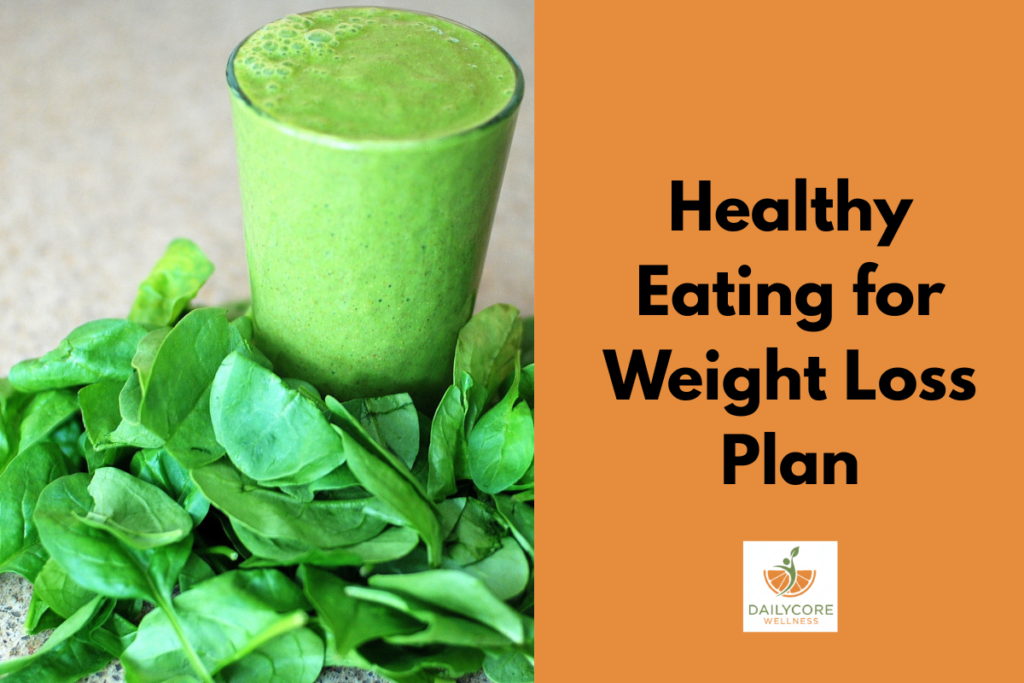
Healthy eating for weight loss is not just about reducing calories—it’s about choosing nutrient-dense foods that support metabolism, satiety, and overall wellness. Focusing on a structured weight loss plan ensures that your body receives essential nutrients while burning fat efficiently. This approach prevents nutrient deficiencies, promotes energy balance, and helps sustain healthy weight over time. By adopting a mindful eating strategy, you can enjoy food without compromising your health goals, making weight management more realistic and sustainable.
A balanced weight loss plan emphasizes the consumption of whole foods rich in protein, fiber, and healthy fats, while limiting highly processed, sugar-laden items. These foods help regulate appetite hormones, stabilize blood sugar levels, and maintain muscle mass during fat loss. Integrating nutrient-rich foods into your daily meals enhances metabolic efficiency and reduces cravings, making it easier to stick to your weight loss goals.
In addition to weight management, healthy eating supports cardiovascular health, gut function, and overall metabolic wellness. By emphasizing vegetables, lean proteins, whole grains, and healthy fats, a weight loss plan can reduce inflammation, improve digestion, and promote steady energy throughout the day. This holistic approach ensures that shedding pounds does not come at the expense of health or vitality.
Ultimately, creating a healthy eating for weight loss plan requires consistency, education, and an understanding of how different foods affect the body. Strategic choices, portion control, and nutrient timing work together to optimize fat loss while supporting long-term health. With the right approach, it is possible to achieve sustainable weight reduction without resorting to restrictive or unhealthy diets.
How the Right Foods Support Health
The foods you include in a weight loss plan directly influence metabolism, satiety, and energy balance. Protein-rich foods, such as lean meats, fish, eggs, and legumes, slow digestion, increase satiety, and help preserve lean muscle mass during weight loss. Maintaining muscle is essential for metabolic efficiency, as muscle tissue burns more calories at rest than fat. Incorporating adequate protein in meals helps stabilize blood sugar, reduce cravings, and support a sustainable fat loss strategy.
Fiber-rich foods, including vegetables, fruits, and whole grains, play a crucial role in a healthy eating for weight loss plan. Soluble fiber slows glucose absorption, promotes satiety, and reduces overeating. It also improves digestive health by feeding beneficial gut bacteria, which may influence weight management. High-fiber foods help maintain steady energy levels and prevent blood sugar spikes that can trigger cravings, making it easier to adhere to a calorie-controlled plan.
Healthy fats, such as those found in nuts, seeds, avocados, and fatty fish, provide long-lasting energy and support fat metabolism. These fats improve insulin sensitivity and promote cardiovascular health, which is essential when pursuing weight loss. Including moderate amounts of healthy fats in meals enhances nutrient absorption, keeps you satisfied longer, and prevents overeating of high-calorie, low-nutrient foods.
Hydration and low-calorie beverages are also critical components of a weight loss plan. Drinking water before meals can reduce appetite and help control caloric intake. Unsweetened teas and coffee provide antioxidants and may slightly boost metabolism. By focusing on foods that are nutrient-dense, high in fiber and protein, and complemented by proper hydration, a healthy eating plan effectively supports weight loss while maintaining overall health and vitality.
Key Nutrients That Support Health
Protein is the cornerstone nutrient for a weight loss plan. It preserves lean muscle tissue, increases satiety, and reduces overall caloric intake. Sources such as lean poultry, eggs, legumes, and low-fat dairy also provide essential amino acids needed for metabolic function. Consuming adequate protein at each meal helps prevent muscle loss during calorie restriction and supports a healthy metabolism, making fat loss more effective.
Fiber, particularly soluble fiber, is essential for appetite control and digestive health. Foods rich in fiber, such as vegetables, fruits, oats, and beans, slow digestion and prolong the feeling of fullness. Fiber also stabilizes blood sugar levels, reducing hunger spikes and cravings. Daily fiber intake supports gut microbiome health, which can influence body weight regulation and energy metabolism over time.
Healthy fats, such as monounsaturated and polyunsaturated fats, are vital for long-term weight management. Sources include avocados, nuts, seeds, and fatty fish. These fats improve insulin sensitivity, reduce inflammation, and enhance nutrient absorption. Including moderate amounts of healthy fats in a weight loss plan ensures balanced nutrition, maintains hormonal function, and promotes satiety, preventing overeating of less nutrient-dense foods.
Micronutrients like magnesium, potassium, and B vitamins also play significant roles in energy metabolism, appetite regulation, and fat oxidation. Magnesium supports insulin function and muscle performance, while potassium aids in fluid balance and heart health. B vitamins facilitate energy production from carbohydrates, fats, and proteins. Ensuring sufficient intake of these micronutrients through whole foods is essential for supporting a sustainable, healthy weight loss plan.
Best Foods for Healthy Eating for Weight Loss Plan, 2026
1. Leafy Greens
Leafy greens, including spinach, kale, and arugula, are low in calories but high in fiber, vitamins, and antioxidants. They slow digestion and prolong satiety, helping prevent overeating. Fiber-rich greens also stabilize blood sugar, reduce inflammation, and support cardiovascular health. These vegetables are versatile—perfect for salads, smoothies, or sautéed side dishes. Regular consumption helps maintain steady energy, supports nutrient intake, and encourages sustainable weight loss as part of a balanced eating plan.
2. Eggs
Eggs are a high-protein, nutrient-dense food that enhances satiety and helps preserve lean muscle mass during calorie restriction. Rich in vitamins, minerals, and healthy fats, eggs can stabilize blood sugar and reduce mid-morning cravings. They are versatile, suitable for boiling, scrambling, or incorporating into salads and breakfast dishes. Regularly including eggs in a weight loss plan promotes sustained energy, supports metabolic efficiency, and provides a cost-effective, nutrient-packed option for fat loss strategies.
3. Lean Chicken Breast
Chicken breast is a lean protein source that supports muscle retention and increases satiety. Its low fat and calorie content make it ideal for a weight loss plan while providing essential amino acids. Protein-rich meals like grilled or baked chicken paired with vegetables stabilize blood sugar and reduce appetite. Regular consumption helps maintain metabolic rate, prevent muscle loss during fat loss, and provide a versatile, nutrient-dense protein option suitable for lunches, dinners, and meal prep.
4. Salmon
Salmon is rich in omega-3 fatty acids and high-quality protein, which help reduce inflammation, support heart health, and improve insulin sensitivity. Protein slows digestion and increases fullness, making it easier to adhere to a calorie-controlled diet. Salmon can be baked, grilled, or added to salads. Its combination of protein and healthy fats supports satiety, metabolic efficiency, and cardiovascular protection, making it an excellent choice in a healthy eating plan for weight loss.
5. Greek Yogurt
Greek yogurt is high in protein, low in sugar, and contains probiotics that improve gut health. Its protein content increases satiety and stabilizes blood sugar, preventing overeating. Opt for plain, unsweetened varieties to avoid added sugars. Greek yogurt can be eaten with fruit, nuts, or seeds for a balanced snack or breakfast. Regular consumption supports weight management, digestive health, and long-term adherence to a healthy eating for weight loss plan.
6. Quinoa
Quinoa is a nutrient-dense whole grain that is high in protein, fiber, and essential minerals. Its fiber content slows glucose absorption, promotes fullness, and aids digestion. Quinoa is versatile, suitable for salads, side dishes, and as a rice substitute. Regularly including quinoa in meals enhances nutrient intake, maintains steady energy, and supports fat loss without compromising overall nutrition. Its complete amino acid profile also helps preserve muscle during calorie restriction.
7. Berries
Berries such as blueberries, strawberries, and raspberries are low-calorie fruits rich in antioxidants, vitamins, and fiber. The fiber helps regulate blood sugar, increase satiety, and prevent overeating. Antioxidants reduce inflammation associated with excess weight and support metabolic health. Berries are ideal for breakfast, snacks, or desserts without added sugar. Consistent consumption supports sustainable weight loss, nutrient density, and overall wellness in a healthy eating plan.
8. Avocado
Avocados are high in monounsaturated fats, fiber, and potassium. Healthy fats increase satiety, stabilize blood sugar, and support heart health, making them a valuable addition to a weight loss plan. The fiber content slows digestion and reduces cravings. Avocados can be added to salads, smoothies, or used as spreads. Including them regularly promotes sustained fullness, supports fat metabolism, and enhances nutrient intake while maintaining a balanced, healthy eating pattern.
9. Nuts
Nuts, including almonds, walnuts, and pistachios, are nutrient-dense foods rich in healthy fats, protein, and fiber. They promote satiety, reduce cravings, and support metabolic health. Nuts also provide magnesium, antioxidants, and essential fatty acids, improving insulin sensitivity and reducing inflammation. They can be eaten as snacks, added to salads, or mixed into yogurt. Incorporating nuts into a healthy eating for weight loss plan enhances adherence, supports fat metabolism, and provides a nutrient-dense alternative to processed snacks.
10. Oats
Oats are a high-fiber, low-glycemic whole grain that supports satiety, regulates blood sugar, and provides sustained energy. Soluble fiber, particularly beta-glucan, slows digestion and helps control appetite. Oats are versatile for oatmeal, smoothies, and baked goods. Including oats regularly supports weight loss by preventing overeating, promoting gut health, and stabilizing metabolism. They provide a nutrient-dense foundation for breakfast or snacks in a structured, healthy eating plan.
11. Lentils
Lentils are a plant-based protein powerhouse, rich in fiber, iron, and essential minerals. Their high fiber content slows digestion and promotes satiety, helping prevent overeating and stabilize blood sugar levels. Lentils are versatile—they can be incorporated into soups, stews, salads, or as a side dish. Regular consumption supports digestive health, improves insulin sensitivity, and aids in long-term weight management. Including lentils in a healthy eating for weight loss plan provides sustained energy, helps maintain lean muscle, and offers a nutrient-dense, low-calorie option ideal for both vegetarians and omnivores looking to optimize fat loss.
12. Brown Rice
Brown rice is a whole grain that provides complex carbohydrates, fiber, and essential minerals. Its fiber content slows glucose absorption, helping maintain steady blood sugar and energy levels. Compared to refined rice, brown rice promotes satiety, which prevents overeating and supports long-term weight loss. It can be served as a side dish, added to salads, or used in stir-fries. Including brown rice regularly in meals ensures a steady source of energy, supports digestive health, and provides a nutrient-dense alternative to refined grains in a structured healthy eating plan.
13. Sweet Potatoes
Sweet potatoes are a low-glycemic, fiber-rich carbohydrate source that supports steady blood sugar and prolonged satiety. Rich in beta-carotene, vitamin C, and potassium, they help reduce inflammation and support cardiovascular health. Sweet potatoes can be baked, roasted, mashed, or added to soups and stews. Their natural sweetness offers a healthy alternative to sugary foods. Incorporating sweet potatoes in a healthy eating for weight loss plan promotes sustained energy, nutrient intake, and fullness, making it easier to adhere to calorie-controlled meals while supporting overall metabolic health.
14. Chickpeas
Chickpeas are high in protein, fiber, and micronutrients, making them ideal for weight management. The combination of protein and fiber slows digestion, promotes fullness, and prevents blood sugar spikes. Chickpeas can be added to salads, soups, or roasted as a snack. Regular consumption supports lean muscle preservation, digestive health, and steady energy levels. Including chickpeas in a healthy eating for weight loss plan provides a versatile, nutrient-dense option for plant-based protein and contributes to long-term adherence and metabolic balance.
15. Cottage Cheese
Cottage cheese is a high-protein, low-fat dairy option that enhances satiety and helps preserve lean muscle during calorie restriction. Rich in calcium and other essential minerals, it supports bone health while providing sustained energy. Cottage cheese can be eaten as a snack, in salads, or paired with fruits and vegetables. Including it in a healthy eating for weight loss plan reduces appetite, supports metabolic efficiency, and provides a convenient, nutrient-rich option for those looking to control caloric intake without compromising nutrition.
16. Edamame
Edamame, young soybeans, are rich in protein, fiber, and essential vitamins and minerals. Their protein content helps maintain muscle mass during weight loss, while fiber slows glucose absorption and promotes satiety. Edamame can be steamed, lightly salted, or added to salads, soups, and stir-fries. Regular consumption supports appetite control, metabolic health, and long-term weight management. Incorporating edamame into a healthy eating for weight loss plan provides a versatile, plant-based protein source that contributes to nutrient diversity and sustainable fat loss.
17. Apples
Apples are a low-calorie, high-fiber fruit that helps regulate blood sugar and promote fullness. Soluble fiber, particularly pectin, slows digestion and prevents spikes in glucose, reducing cravings and overeating. Apples are also rich in antioxidants and vitamins, supporting heart health and overall wellness. They can be eaten raw, added to salads, or baked as a healthy dessert. Including apples in a healthy eating for weight loss plan provides a convenient, nutrient-dense option to satisfy hunger and improve dietary adherence without adding excessive calories.
18. Carrots
Carrots are a low-calorie vegetable packed with fiber, vitamins, and antioxidants. Their fiber slows digestion and helps control appetite, while beta-carotene supports eye health and reduces inflammation. Carrots are versatile—they can be eaten raw as a snack, roasted, steamed, or added to soups and stews. Regular inclusion promotes steady blood sugar, supports nutrient intake, and provides natural sweetness, which helps reduce cravings for high-calorie snacks. Incorporating carrots into a healthy eating for weight loss plan ensures both satiety and essential nutrient intake for overall metabolic and digestive health.
19. Walnuts
Walnuts are nutrient-dense nuts high in protein, fiber, and heart-healthy fats, particularly omega-3 fatty acids. These fats improve satiety, regulate blood sugar, and reduce inflammation. Walnuts also provide antioxidants and minerals that support metabolic and cardiovascular health. They can be eaten as a snack, added to salads, oatmeal, or baked goods. Regular consumption of walnuts in a healthy eating for weight loss plan helps reduce cravings, support fat metabolism, and provide nutrient-dense calories that promote long-term adherence to a structured diet plan.
20. Spinach
Spinach is a low-calorie, nutrient-rich leafy green high in fiber, vitamins, minerals, and antioxidants. Fiber promotes fullness and slows digestion, helping regulate blood sugar and reduce overeating. Spinach can be added to salads, smoothies, soups, or stir-fries. Its high nutrient density supports cardiovascular health, metabolic function, and overall wellness. Including spinach in a healthy eating for weight loss plan ensures consistent intake of essential micronutrients while maintaining a low-calorie profile, making it an ideal staple for anyone aiming to achieve sustainable fat loss.
21. Green Tea
22. Tomatoes
Tomatoes are low-calorie, high-fiber fruits rich in vitamins, antioxidants, and phytonutrients. Their fiber promotes satiety and helps regulate blood sugar, while antioxidants reduce inflammation and oxidative stress. Tomatoes can be eaten raw, roasted, in soups, or added to salads and sauces. Regular consumption supports heart health, digestive function, and nutrient density. Incorporating tomatoes in a healthy eating for weight loss plan adds flavor, volume, and essential micronutrients while helping maintain a low-calorie, nutrient-rich diet.
23. Broccoli
Broccoli is a cruciferous vegetable high in fiber, vitamins, and antioxidants. Its fiber content slows digestion, stabilizes blood sugar, and promotes satiety, which prevents overeating. Antioxidants in broccoli support cardiovascular health and reduce inflammation associated with excess weight. Broccoli can be steamed, roasted, sautéed, or added to soups and salads. Including broccoli in a healthy eating for weight loss plan ensures nutrient-dense meals, supports metabolic health, and provides a versatile vegetable that complements a variety of dishes while aiding long-term fat loss.
24. Cucumber
Cucumber is a low-calorie, hydrating vegetable with fiber and essential minerals that support metabolism and digestive health. Its high water content promotes fullness, which can help reduce calorie intake. Cucumbers can be eaten raw in salads, added to smoothies, or used as a snack with dips. Regular consumption helps maintain hydration, satiety, and blood sugar stability. Including cucumber in a healthy eating for weight loss plan adds volume and nutrients to meals without contributing excessive calories, making it an ideal food for sustained fat loss and overall wellness.
25. Bell Peppers
Bell peppers are low in calories and high in fiber, vitamins, and antioxidants. Their fiber content helps regulate blood sugar and promote fullness, while antioxidants reduce inflammation and support cardiovascular health. Bell peppers can be eaten raw, roasted, grilled, or added to stir-fries, salads, and soups. Regular inclusion enhances nutrient density, adds flavor and color to meals, and supports adherence to a healthy eating for weight loss plan. Their versatility and low-calorie profile make them an excellent option for long-term fat loss and overall wellness.
Conclusion
Creating a healthy eating for weight loss plan is essential for achieving sustainable fat loss while supporting overall wellness. Prioritizing nutrient-dense foods such as lean proteins, fiber-rich vegetables, whole grains, and healthy fats ensures that your body receives the nutrients it needs while maintaining a calorie deficit. This approach stabilizes blood sugar, enhances satiety, and promotes long-term adherence. By focusing on quality foods rather than restrictive dieting, you can manage weight effectively without compromising energy, metabolism, or overall health.
Consistency is critical when following a weight loss plan. Incorporating the best foods regularly into your daily meals helps regulate appetite, improve metabolism, and reduce cravings. Pairing nutrient-rich meals with proper portion control and hydration enhances fat loss and prevents overeating. Establishing these habits creates a sustainable, structured approach to healthy eating that supports both short-term weight goals and long-term metabolic health.
In addition to weight management, a healthy eating for weight loss plan provides benefits for heart health, digestive function, and inflammation reduction. Foods rich in antioxidants, fiber, and healthy fats contribute to improved cardiovascular outcomes, gut microbiome balance, and reduced oxidative stress. By emphasizing nutrient quality and variety, this plan supports holistic health while promoting consistent fat loss. The focus shifts from quick fixes to sustainable, evidence-based nutrition strategies.
Ultimately, adopting a healthy eating for weight loss plan is a long-term lifestyle strategy rather than a temporary diet. Prioritizing consistency, balanced nutrient intake, and mindful eating ensures ongoing success. Small, actionable changes—such as adding vegetables, incorporating lean protein, and reducing processed foods—can create lasting results. By implementing these strategies, individuals can achieve their weight goals while improving energy, metabolic function, and overall wellness, making healthy eating a cornerstone of sustainable fat loss.