“Healthy eating is not about expensive superfoods, complicated recipes, or perfectly curated grocery carts. It is about making simple, consistent choices that nourish your body, protect your budget, and support your everyday life. When you learn how to plan wisely, shop intentionally, and prepare meals at home, you create a routine that strengthens both your physical health and your financial well-being.”
With a clear plan and practical strategies, you can build meals around affordable whole foods that fuel your body and support long-term wellness. The key is consistency, not perfection.
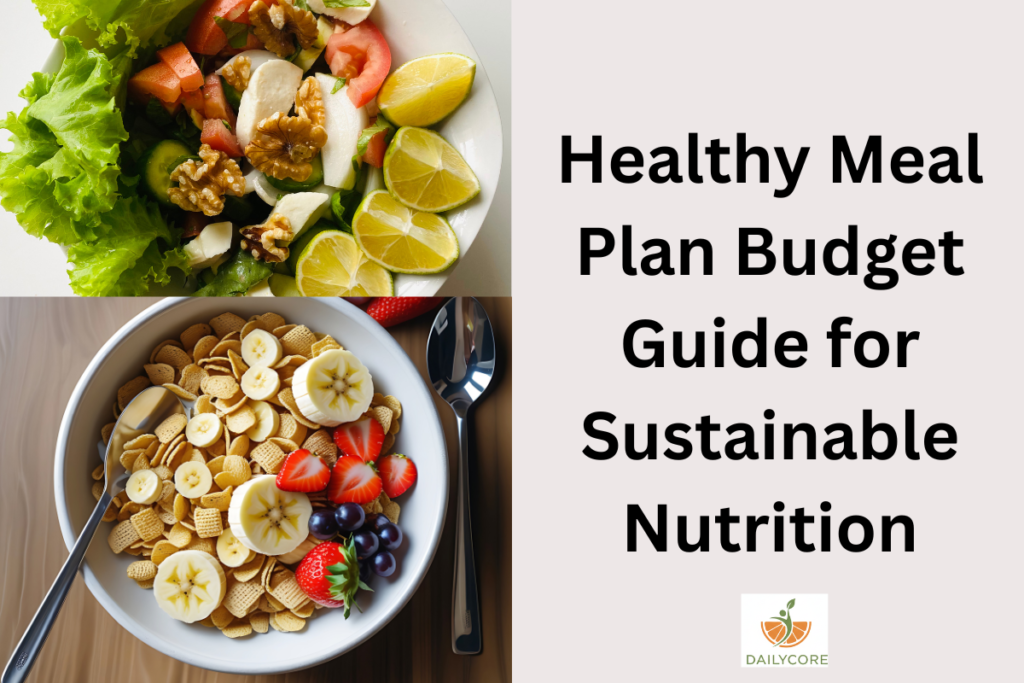
A structured weekly outline removes daily guesswork and prevents random food decisions that often lead to overspending. When you define your breakfasts, lunches, dinners, and snacks in advance, you create clarity before stepping into the grocery store. This planning step keeps your purchases intentional and aligned with your goals. Over time, a consistent weekly outline becomes a reliable system that simplifies both budgeting and healthy eating.
2. Build meals around affordable staple foods.
Budget-friendly staples like rice, oats, beans, lentils, eggs, and frozen vegetables provide strong nutritional value at a lower cost. Designing meals around these ingredients reduces reliance on expensive processed items. Staples are versatile and can be used in multiple recipes throughout the week. This approach creates stability in both your nutrition and spending habits.
3. Shop with a detailed grocery list every time.
A precise shopping list acts as a financial boundary inside the store. Without a list, it is easy to buy items that are not part of your meal plan. Sticking to planned ingredients prevents impulse purchases and reduces food waste. Consistency with list-based shopping significantly improves long-term budget control.
4. Compare unit prices instead of package prices.
Looking at cost per ounce or gram helps identify the most economical option. Larger packages often provide better value, especially for non-perishable items. This small habit requires only seconds but can save substantial money over time. Paying attention to unit pricing strengthens financial awareness.
5. Choose seasonal fruits and vegetables.
Seasonal produce is typically less expensive and more flavorful. Planning your weekly meals around what is in season allows you to enjoy better quality food at a lower cost. Seasonal variety also supports broader nutrient intake. Flexibility in produce choices makes your meal plan more adaptable and affordable.
6. Incorporate plant-based proteins regularly.
Beans, lentils, chickpeas, and tofu are cost-effective protein sources that support fullness and balanced nutrition. Rotating plant-based meals into your weekly plan reduces grocery expenses without sacrificing quality. These foods are also easy to batch cook and store. Strategic protein choices help stabilize your overall food budget.
7. Cook meals at home consistently.
Restaurant meals and convenience foods quickly inflate spending. Cooking at home gives you control over ingredients, portions, and preparation methods. Even replacing a few takeout meals each week with home-cooked alternatives can generate noticeable savings. Consistent home cooking builds both discipline and financial efficiency.
8. Batch cook key ingredients.
Preparing large portions of grains, proteins, or roasted vegetables at once saves time and reduces energy use. Batch cooking allows you to assemble meals quickly throughout the week. It also prevents last-minute takeout decisions driven by convenience. Efficiency supports long-term consistency.
9. Freeze leftovers strategically.
Freezing extra portions extends the life of your meals and reduces waste. Having healthy freezer options available provides a safety net during busy days. This practice prevents unnecessary food spoilage and emergency spending. Freezing supports both planning and flexibility.
10. Repeat simple breakfasts during the week.
Rotating two or three affordable breakfast options simplifies planning and shopping. Oats, eggs, yogurt, or smoothies can be prepared quickly and consistently. Reducing morning decisions lowers stress and strengthens routine. Repetition builds efficiency without sacrificing nutrition.
11. Use the balanced plate method.
Structuring meals with half vegetables, one-quarter protein, and one-quarter carbohydrates promotes portion control naturally. This visual approach reduces overeating and helps stretch your food supply. Balanced meals also improve satiety and energy stability. Simple portion guidance protects both health and budget.
12. Prep vegetables immediately after shopping.
Washing and chopping vegetables right away increases the likelihood they will be used. Ready-to-cook produce reduces the temptation to rely on convenience foods. Preparation also minimizes spoilage from forgotten items in the refrigerator. Convenience strongly influences food behavior.
13. Limit ultra-processed snacks.
Packaged snacks often cost more per serving and provide less satiety. Replacing them with whole foods like fruit, nuts, or homemade popcorn reduces expenses. Focusing on simple snacks improves both nutritional quality and financial discipline. Small daily savings compound over time.
14. Plan one flexible meal each week.
Allowing room for flexibility keeps your plan realistic and sustainable. A built-in adaptable meal can use leftover ingredients or accommodate schedule changes. Flexibility prevents feelings of restriction. Sustainable systems always allow adjustment.
15. Track grocery spending weekly.
Monitoring weekly grocery totals builds financial awareness. When you track spending patterns, you can identify areas for improvement. Small reductions become easier when measured. Awareness strengthens accountability.
16. Avoid shopping while hungry.
Hunger can cloud judgment and lead to impulse purchases. Shopping after a meal encourages rational decision-making. This simple behavioral shift protects your budget. Small discipline in the store prevents larger financial leaks.
17. Rotate protein sources thoughtfully.
Alternating between poultry, fish, eggs, legumes, and plant-based proteins prevents boredom and improves nutrient diversity. Rotations also allow you to take advantage of sales. Variety supports both satisfaction and strategic budgeting.
18. Use leftovers creatively.
Transforming dinner leftovers into lunch bowls, wraps, or salads maximizes value. Creative reuse prevents waste and reduces the need for additional ingredients. Stretching meals across multiple days improves efficiency. Smart repurposing is a cornerstone of budget planning.
19. Keep a running pantry inventory.
Knowing what you already have avoids duplicate purchases. A simple written or digital inventory prevents forgotten items from expiring. Organization reduces waste and improves planning accuracy. Control begins with awareness.
20. Focus on whole foods over specialty items.
Specialty health products often come with higher price tags. Basic whole foods provide excellent nutrition at a fraction of the cost. Building meals around simple ingredients keeps your approach grounded and affordable. Consistency matters more than trend-driven purchases.
21. Prepare lunches in advance.
Workday lunches are a common source of overspending. Preparing balanced meals ahead of time eliminates the need for daily purchases. Consistent lunch preparation strengthens discipline. Preparation supports financial stability.
22. Buy in bulk when appropriate.
Purchasing non-perishable staples in bulk can lower cost per serving. Bulk buying works best for items you use consistently. Strategic bulk purchases create long-term savings without waste.
23. Store food properly to extend freshness.
Proper storage reduces spoilage and preserves food quality. Airtight containers, refrigeration awareness, and freezing when needed all prevent unnecessary waste. Extending shelf life protects your investment. Preservation supports efficiency.
24. Cook simple, repeatable recipes.
Complicated recipes often require specialty ingredients that increase spending. Simple meals are easier to replicate and budget for. Repetition builds mastery and reduces stress. Sustainable nutrition favors practicality.
25. Drink water instead of costly beverages.
Sugary drinks and specialty coffees quickly add up financially. Water supports hydration and overall health at virtually no cost. Reducing beverage spending significantly impacts your monthly food budget.
26. Adjust portions based on activity level.
Eating according to energy needs prevents unnecessary overconsumption. Portion awareness helps stretch ingredients across multiple meals. Mindful adjustments maintain balance without restriction.
27. Use herbs and spices for flavor.
Flavorful meals increase satisfaction and reduce cravings for expensive takeout. Basic herbs, spices, garlic, and citrus add depth without major expense. Enjoyable meals are easier to sustain long-term.
28. Review and refine your plan weekly.
Taking time to assess what worked and what did not improves future planning. Continuous refinement strengthens your system. Small improvements compound into long-term efficiency.
29. Celebrate small financial wins.
Recognizing savings builds motivation. Acknowledging progress reinforces positive habits. Success becomes easier to maintain when you track and appreciate improvement.
30. Prioritize consistency over perfection.
A realistic, repeatable plan is far more effective than an extreme approach. Consistent, balanced choices create steady progress. Sustainable budgeting and healthy eating thrive on patience and structure.
Conclusion
A healthy meal plan budget creates structure where chaos once existed. By combining intentional planning, balanced nutrition, and mindful spending, you build a system that supports both physical health and financial stability. Instead of reacting to hunger or sales promotions, you make proactive decisions aligned with your goals.
The most important factor is consistency. Simple, repeatable meals built around affordable whole foods create long-term progress far more effectively than short bursts of strict dieting or extreme budgeting. Small weekly improvements add up to meaningful change.
Stay patient, stay flexible, and continue refining your approach. With a thoughtful healthy meal plan budget in place, nutritious eating becomes less about willpower and more about a supportive system that works for your everyday life.