A successful healthy lifestyle doesn’t begin in the kitchen — it begins at the grocery store. Your results are directly influenced by what you choose to put into your shopping cart. A well-planned, healthy meal plan grocery list eliminates guesswork, reduces impulse buying, and ensures your home is stocked with nutrient-dense foods that support weight loss, energy, and overall wellness.
Many people struggle with dieting, not because they lack discipline, but because their environment makes unhealthy choices convenient. When processed snacks, sugary drinks, and refined carbohydrates fill your pantry, staying consistent becomes difficult. On the other hand, when lean proteins, fresh vegetables, whole grains, and healthy fats are easily accessible, healthy eating becomes effortless.
Moreover, grocery planning plays a crucial role in portion control and calorie management. When you intentionally select whole, minimally processed foods, you naturally reduce excess sugar, sodium, and unhealthy fats. This creates a calorie deficit without extreme dieting, allowing for steady and healthy weight loss.
The key to building a healthy meal plan grocery list is balance. Your cart should include:
-
High-quality lean proteins to preserve muscle and promote fullness
-
Fiber-rich vegetables for digestion and satiety
-
Smart carbohydrates for sustained energy
-
Healthy fats for hormone balance and satisfaction
-
Hydration essentials to support metabolism
When these elements are consistently available in your kitchen, meal preparation becomes simple, cravings become manageable, and your weight loss journey becomes sustainable.
Below is a complete, structured grocery list designed to support clean eating and effective fat loss.
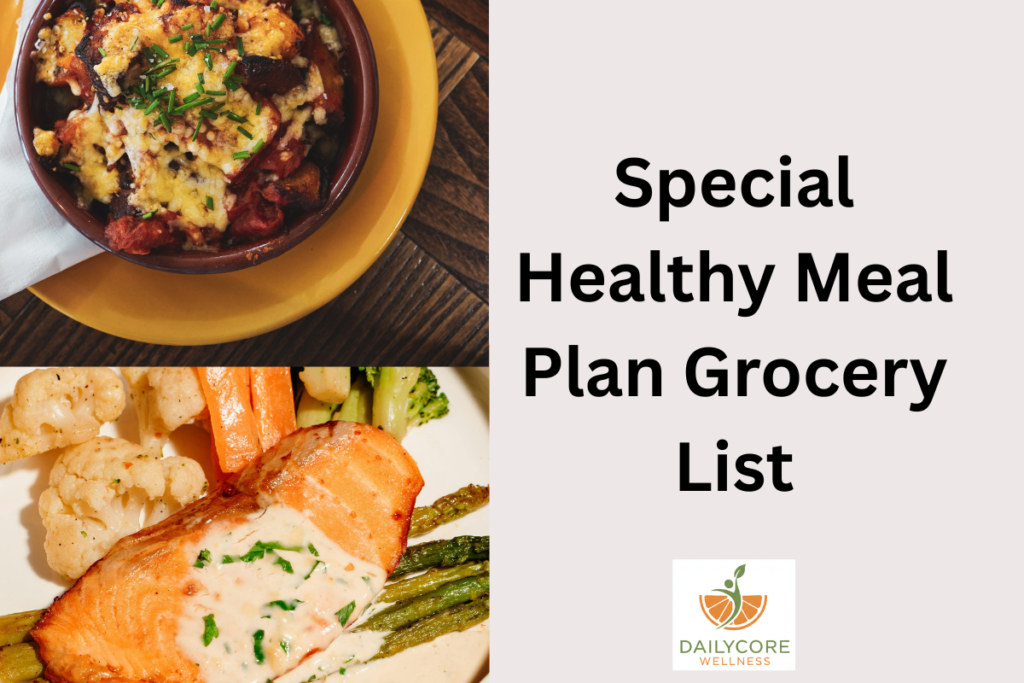
30-Day Healthy Meal Plan Grocery Rotation, 3rd April 2026
Consistency is the secret to sustainable weight loss — and consistency begins with planning. A 30-day grocery rotation plan eliminates last-minute unhealthy food choices, reduces food waste, and ensures your kitchen stays stocked with nutrient-dense options. Instead of buying random items each week, you rotate core ingredients strategically so your meals remain balanced, affordable, and aligned with your fat-loss goals.
A grocery rotation system works because it combines structure with variety. You avoid boredom by switching proteins, vegetables, and grains weekly while still maintaining a consistent nutritional foundation. This approach supports portion control, steady metabolism, and easier meal prepping. Over time, healthy eating becomes automatic rather than forced.
This 30-day plan is divided into four weekly rotations. Each week focuses on different primary proteins, vegetables, and carbohydrate sources while maintaining balanced macronutrients. You can repeat the cycle monthly for long-term results.
Week 1 Grocery Rotation (Lean & Balanced Start)
Proteins
-
Chicken breast
-
Eggs
-
Greek yogurt (unsweetened)
-
Lentils
Vegetables
-
Spinach
-
Broccoli
-
Carrots
-
Cucumbers
-
Bell peppers
Fruits
-
Apples
-
Bananas
-
Oranges
Whole Grains
-
Brown rice
-
Rolled oats
Healthy Fats
-
Olive oil
-
Almonds
-
Chia seeds
Focus: Establish calorie control, increase protein intake, and reduce processed foods.
Week 2 Grocery Rotation (Low-Carb Fat Burn Focus)
Proteins
-
Salmon
-
Turkey breast
-
Tofu
-
Cottage cheese
Vegetables
-
Cauliflower
-
Zucchini
-
Green beans
-
Lettuce
Fruits
-
Berries
-
Pears
Smart Carbs (Reduced Portions)
-
Quinoa
-
Sweet potatoes
Healthy Fats
-
Avocados
-
Walnuts
-
Flaxseeds
Focus: Lower carb intake slightly to enhance fat burning and reduce bloating.
Week 3 Grocery Rotation (High-Fiber Metabolism Boost)
Proteins
-
Grilled fish (tilapia or mackerel)
-
Eggs
-
Chickpeas
-
Greek yogurt
Vegetables
-
Asparagus
-
Spinach
-
Tomatoes
-
Cabbage
Fruits
-
Apples
-
Watermelon (moderation)
-
Oranges
Whole Grains
-
Whole-wheat pasta
-
Brown rice
Healthy Fats
-
Olive oil
-
Natural peanut butter
-
Mixed nuts
Focus: Increase fiber intake to improve digestion and appetite control.
Week 4 Grocery Rotation (Clean Eating Reset)
Proteins
-
Chicken breast
-
Salmon
-
Tofu
-
Lentils
Vegetables
-
Broccoli
-
Cauliflower
-
Zucchini
-
Mixed leafy greens
Fruits
-
Berries
-
Bananas
-
Pears
whole Grains
-
Quinoa
-
Oats
Healthy Fats
-
Avocado
-
Chia seeds
-
Almonds
Focus: Reset eating habits, reduce sodium, increase hydration, and reinforce portion discipline.
Weekly Shopping Strategy
-
Shop once per week using the rotation list.
-
Prep proteins in bulk (grill, bake, or boil).
-
Chop vegetables in advance for quick meals.
-
Keep snacks pre-portioned to avoid overeating.
-
Drink 2–3 liters of water daily.
How This 30-Day Rotation Supports Weight Loss
This grocery rotation prevents dietary boredom while maintaining nutritional balance. By cycling ingredients weekly, you ensure diverse micronutrient intake while still controlling calories. The plan supports fat loss, stable blood sugar, improved digestion, and muscle preservation.
The real power of a 30-day grocery rotation lies in repetition. When healthy foods consistently fill your cart, discipline becomes easier and long-term weight management becomes realistic.
10 Smart Tips for Planning a Healthy Meal Plan Grocery List
Planning your grocery list is one of the most powerful habits for maintaining a healthy diet and achieving consistent weight loss. Smart planning reduces impulse buying, prevents food waste, saves money, and keeps your meals nutritionally balanced. Below are 10 detailed, actionable tips to help you structure your grocery planning effectively.
1. Plan Your Entire Week Before Stepping Into the Store
Before creating your grocery list, outline your meals for the entire week, including breakfast, lunch, dinner, and snacks. This prevents random purchases and ensures each ingredient serves a purpose. When you know exactly what you will cook, you avoid buying excess carbohydrates, processed snacks, or duplicate items. Weekly planning also helps balance nutrients, ensuring you include enough protein, fiber, and healthy fats. Take inventory of what you already have at home before adding items to your list. This simple step prevents waste and keeps your grocery spending controlled while aligning every purchase with your health goals.
2. Prioritize Protein as the Foundation of Every Meal
Protein plays a major role in weight loss because it increases satiety and supports muscle preservation. When planning your grocery list, select two to four main protein sources for the week, such as chicken breast, eggs, fish, beans, tofu, or Greek yogurt. Building your meals around protein reduces overeating and stabilizes blood sugar levels. It also simplifies planning because once protein is selected, vegetables and whole grains can easily complement it. By prioritizing protein first, you create structure in your grocery list and ensure that your meals remain balanced and filling throughout the week.
3. Organize Your List by Food Categories
Structure your grocery list by categories such as proteins, vegetables, fruits, whole grains, healthy fats, and beverages. This organization prevents confusion while shopping and reduces the chances of wandering into unhealthy sections of the store. Categorized lists also make budgeting easier because you can clearly see where your money is going. When your list mirrors the store layout, you save time and maintain focus. Organized shopping reduces stress and makes healthy eating feel manageable. Over time, this structured approach builds discipline and strengthens your commitment to clean eating.
4. Embrace Ingredient Rotation to Prevent Boredom
Eating the same meals repeatedly can lead to frustration and cravings. Rotating ingredients weekly keeps your meals interesting while maintaining nutritional balance. For example, switch between brown rice and quinoa, or rotate broccoli with zucchini and spinach. Ingredient rotation ensures you receive diverse vitamins and minerals while preventing diet fatigue. This strategy also helps you discover new healthy recipes and cooking methods. A varied grocery list keeps motivation high and supports long-term adherence to your weight-loss plan without feeling restricted or deprived.
5. Shop the Perimeter First
Most grocery stores place fresh produce, meats, dairy, and whole foods along the outer perimeter, while processed snacks and sugary products are typically located in the center aisles. By focusing on the perimeter first, you naturally prioritize nutrient-dense foods. Fill your cart with vegetables, lean proteins, fruits, and whole foods before entering the inner aisles. If you do venture inside, stick strictly to your list. This strategy minimizes exposure to impulse-buy temptations and supports healthier purchasing decisions that align with your wellness goals.
6. Read Labels and Watch for Hidden Ingredients
Many packaged foods labeled “healthy” contain added sugars, excessive sodium, or unhealthy fats. Take time to read ingredient lists and nutrition labels carefully. Look for shorter ingredient lists with recognizable components. Pay attention to serving sizes, as they can be misleading. Monitoring labels helps you avoid hidden calories that may slow weight loss progress. Being mindful of ingredients empowers you to make informed decisions and maintain control over your daily calorie intake. Awareness at the grocery store directly translates into better results in your overall health journey.
7. Plan for Meal Prep Convenience
Choose foods that can be prepared in bulk and stored easily. Items such as grilled chicken, boiled eggs, roasted vegetables, quinoa, and brown rice simplify weekday meals. Planning for convenience reduces reliance on fast food or last-minute unhealthy options. When your grocery list supports batch cooking, you save time and ensure portion control. Having ready-to-eat healthy meals available eliminates excuses and strengthens consistency. Meal prep-friendly groceries create a structured environment that supports steady and predictable fat loss.
8. Set a Realistic Weekly Budget
Healthy eating does not require expensive specialty items. Planning a realistic weekly grocery budget keeps spending under control and prevents impulse buying. Focus on affordable staples such as beans, oats, eggs, frozen vegetables, and seasonal produce. Budgeting also encourages intentional purchasing rather than emotional shopping. When you track grocery expenses, you become more disciplined and strategic. Financial awareness paired with nutritional planning builds long-term sustainability, ensuring that healthy eating remains accessible and consistent.
9. Never Shop on an Empty Stomach
Shopping while hungry significantly increases the likelihood of buying high-calorie snacks and processed foods. Hunger weakens decision-making and amplifies cravings for sugary or salty items. Eating a balanced meal or protein-rich snack before grocery shopping helps you remain focused and rational. When your appetite is satisfied, you are more likely to stick to your list and prioritize whole foods. This simple yet powerful habit protects your weight-loss progress and prevents unnecessary purchases that sabotage your health goals.
10. Keep Your Goals Visible While Planning
Before creating your grocery list, remind yourself of your health and weight-loss goals. Whether your aim is fat loss, improved energy, or better digestion, clarity strengthens discipline. When your goals are clear, your grocery choices become intentional rather than emotional. Consider writing your goal at the top of your list as a reminder. This mental reinforcement keeps your decisions aligned with long-term success. Healthy grocery planning is not just about food — it’s about commitment to the lifestyle you are building.
Conclusion
Healthy eating is rarely about willpower alone — it is about systems. The way you plan your grocery list directly influences your daily choices, your portion control, and ultimately your weight-loss results. When you approach grocery shopping with structure, intention, and clarity, you remove guesswork from your nutrition. Instead of reacting to cravings or convenience, you respond with preparation and discipline.
Smart grocery planning creates an environment where healthy decisions become automatic. When your refrigerator is stocked with lean proteins, fresh vegetables, whole grains, and healthy fats, balanced meals require less effort. This reduces emotional eating, minimizes last-minute takeout orders, and keeps your calorie intake aligned with your goals. Over time, these small consistent decisions compound into noticeable physical and mental transformation.
An organized grocery system also improves financial discipline and reduces food waste. Buying with purpose ensures that every ingredient has a role in your weekly meal structure. You spend less, waste less, and eat better. This efficiency strengthens sustainability, which is essential because true weight loss success is not achieved in a week — it is built through consistent habits repeated over months and years.
Remember, transformation does not begin with extreme diets or complicated rules. It begins with one thoughtful grocery list. When you commit to planning, you build structure. When you build structure, you create consistency. And when consistency becomes your habit, lasting results naturally follow.
Healthy living starts before the first bite — it starts with the plan.