Healthy meal plan recipes are not simply collections of food ideas arranged by day or time. They are intentional nutritional frameworks designed to support the body’s biological needs, improve mental clarity, stabilize energy, and create sustainable long-term health outcomes. In a world where processed foods dominate grocery shelves and busy schedules often dictate poor eating habits, structured meal planning becomes a powerful tool for reclaiming control over personal wellness.
A thoughtfully designed meal plan ensures that each meal contains a strategic balance of macronutrients—proteins for muscle repair and satiety, complex carbohydrates for sustained energy, and healthy fats for hormonal balance and nutrient absorption. In addition, it integrates micronutrient-dense vegetables, fruits, seeds, and whole grains that provide essential vitamins and minerals necessary for immune defense, cardiovascular strength, and digestive efficiency.
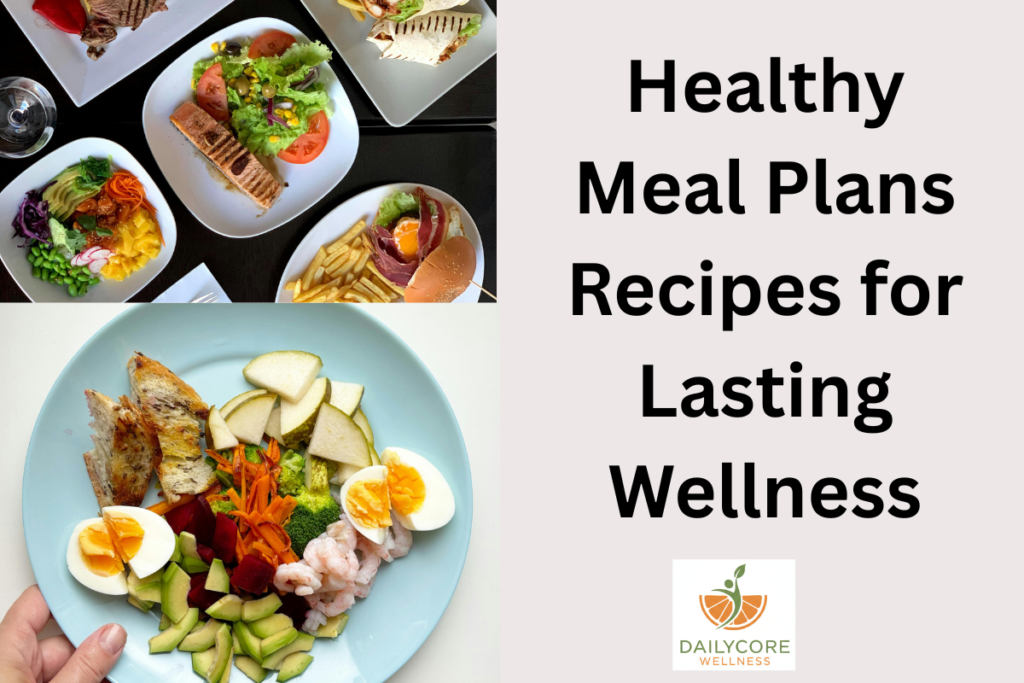
The Structure of a Balanced, Healthy Meal Plan, 3rd April 2026
Before exploring specific recipes, it is important to understand what makes a meal plan nutritionally complete. A balanced, healthy meal plan typically includes:
-
A protein source in every main meal
-
High-fiber carbohydrates from whole grains or vegetables
-
Healthy fats in moderate portions
-
A variety of colorful vegetables and fruits
-
Adequate hydration throughout the day
This structure ensures blood sugar stability, reduced cravings, improved digestion, and steady energy levels. Rather than focusing on calorie restriction alone, the emphasis shifts to nutrient density and food quality.
Nourishing Breakfast Recipes for Sustainable Energy
Breakfast plays a critical role in metabolic activation. A nutrient-dense morning meal replenishes glycogen stores after overnight fasting and prepares the body for physical and mental performance.
Creamy Oatmeal Power Bowl
This breakfast combines slow-digesting carbohydrates with fiber and healthy fats to create long-lasting fullness. Rolled oats cooked in almond milk form the base. Chia seeds are added for omega-3 fatty acids and additional fiber. Fresh berries contribute antioxidants that combat oxidative stress, while almond butter introduces healthy monounsaturated fats that enhance satiety.
The result is a balanced meal that prevents mid-morning crashes and reduces sugar cravings. This recipe works particularly well for individuals seeking steady energy without heaviness.
Vegetable & Protein-Rich Egg Scramble
Eggs provide high-quality, complete protein containing all essential amino acids. When combined with sautéed spinach, bell peppers, tomatoes, and onions cooked lightly in olive oil, the meal becomes rich in iron, vitamin C, and phytonutrients.
This breakfast supports muscle repair, immune strength, and cognitive performance. It is especially suitable for individuals with higher protein needs or those aiming to maintain lean muscle mass.
Satisfying and Balanced Lunch Recipes
Lunch should refuel the body without causing post-meal fatigue. A well-constructed midday meal maintains productivity and mental clarity.
Grilled Chicken and Quinoa Nourish Bowl
Grilled chicken breast offers lean protein essential for tissue repair and metabolic function. Quinoa, a complete plant-based protein and complex carbohydrate, provides fiber and sustained energy. Fresh vegetables such as cucumbers and cherry tomatoes add hydration and antioxidants, while avocado contributes heart-healthy fats.
A light lemon vinaigrette enhances flavor without excessive calories. This meal delivers a complete nutritional profile that promotes satiety and prevents afternoon energy dips.
Lentil and Vegetable Stir-Fry
Lentils are rich in plant-based protein, iron, and soluble fiber, making them excellent for digestive and cardiovascular health. When stir-fried with broccoli, carrots, garlic, and a small amount of olive oil, the dish becomes nutrient-dense and satisfying.
This recipe is particularly beneficial for those incorporating more plant-based meals into their routine. It supports gut health, regulates cholesterol levels, and maintains stable blood sugar.
Wholesome Dinner Recipes for Recovery and Restoration
Dinner should provide nourishment while remaining light enough to promote restful sleep and overnight recovery.
Baked Salmon with Steamed Seasonal Vegetables
Salmon is widely recognized for its high omega-3 fatty acid content, which supports brain function, heart health, and inflammation reduction. Baking the salmon with lemon and garlic enhances flavor without excessive fat. Paired with lightly steamed asparagus and carrots, this meal provides fiber, antioxidants, and essential minerals.
This dinner supports muscle repair and cardiovascular function while remaining easy to digest.
Hearty Vegetable and Bean Soup
A combination of mixed beans, tomatoes, spinach, onions, and vegetable broth creates a fiber-rich, satisfying meal. Beans offer plant-based protein and slow-releasing carbohydrates, which stabilize blood sugar. The high vegetable content supports digestive health and micronutrient intake.
This soup is ideal for individuals seeking lighter evening meals that still provide fullness and nourishment.
Smart and Energizing Snack Options
Healthy snacks prevent extreme hunger and reduce overeating during main meals. The key is pairing protein with fiber or healthy fats.
Greek yogurt combined with nuts offers protein, probiotics, and healthy fats that promote gut health and satiety. Apple slices paired with natural peanut butter provide fiber and monounsaturated fats that sustain energy levels between meals.
Snacks should complement the overall daily nutrient intake rather than replace balanced meals.
Practical Weekly Healthy Meal Plan Example
A practical weekly structure may look like this:
-
Breakfast: Oatmeal bowl, egg scramble, or smoothie with protein and fruit
-
Lunch: Lean protein with whole grain and mixed vegetables
-
Dinner: Light protein source with steamed or roasted vegetables
-
Snacks: Fruit, nuts, yogurt, or seeds
Rotating ingredients throughout the week prevents monotony while maintaining nutritional balance.
Essential Principles for Long-Term Success
Healthy meal planning thrives on consistency rather than perfection. Prioritizing whole foods, limiting processed sugar, drinking adequate water, and practicing mindful portion control form the foundation of sustainable wellness. Planning meals reduces stress and encourages healthier decisions. Including diverse ingredients ensures a wide spectrum of nutrients that support overall bodily functions.
Listening to hunger cues and adapting meal sizes based on activity levels further strengthens long-term success.
Additional Expert Tips for Creating Effective Healthy Meal Plan Recipes
To deepen your healthy meal planning strategy and make it more sustainable, practical, and results-driven, here are additional in-depth tips that will elevate your approach beyond basic meal preparation.
1. Focus on Nutrient Timing, Not Just Nutrient Quality
While choosing healthy foods is essential, when you eat them can significantly impact energy levels, metabolism, and recovery. For example, consuming complex carbohydrates earlier in the day supports productivity and sustained energy, while lighter meals in the evening promote better digestion and sleep quality.
If you exercise, include protein and moderate carbohydrates within 30–60 minutes post-workout to support muscle recovery and glycogen replenishment. Structuring meals around your daily routine enhances the effectiveness of your meal plan rather than simply focusing on “healthy foods” alone.
2. Incorporate Seasonal and Local Ingredients
Using seasonal produce improves both nutritional value and taste. Fruits and vegetables harvested in season often contain higher nutrient concentrations and require fewer preservatives. In regions like Lagos, incorporating locally available foods such as leafy greens, okra, plantains, or fresh fish can make meal planning more affordable and culturally enjoyable.
Seasonal eating also introduces natural dietary variety throughout the year, preventing boredom and ensuring a broader intake of vitamins and minerals.
3. Practice Strategic Batch Cooking
Batch cooking is one of the most powerful tools for maintaining consistency. Preparing grains like brown rice or quinoa in bulk, grilling multiple portions of lean protein, or pre-chopping vegetables for the week reduces daily cooking stress.
When healthy options are already prepared, the likelihood of resorting to fast food dramatically decreases. Batch cooking also improves portion awareness and saves money by reducing food waste. The key is storing meals properly in airtight containers and rotating them to maintain freshness.
4. Balance Macronutrients in Every Main Meal
Each main meal should ideally include protein, fiber-rich carbohydrates, and healthy fats. For instance, pairing grilled chicken (protein) with sweet potatoes (complex carbs) and avocado (healthy fats) ensures sustained energy and satiety.
Meals that lack protein often lead to rapid hunger and sugar cravings. Similarly, meals without healthy fats may leave you feeling unsatisfied. Balance prevents overeating and stabilizes blood glucose levels, which supports metabolic health.
5. Reduce Hidden Sugars and Sodium
Many packaged foods marketed as “healthy” contain excessive added sugars and sodium. Salad dressings, sauces, flavored yogurts, and breakfast cereals can undermine an otherwise nutritious meal plan.
Reading nutrition labels carefully and preparing homemade dressings or sauces allows better control over ingredients. Reducing excess sodium supports heart health and prevents water retention, while limiting added sugars helps maintain stable energy levels and weight management.
6. Prioritize Gut Health
A healthy digestive system enhances nutrient absorption and immune function. Including probiotic-rich foods such as yogurt or fermented vegetables, along with fiber-rich foods like beans, oats, and leafy greens, supports a balanced gut microbiome.
Hydration also plays a critical role in digestion. Drinking adequate water throughout the day ensures efficient nutrient transport and waste elimination. A healthy gut contributes to improved mood, energy, and overall vitality.
7. Customize Meal Plans to Individual Goals
Healthy meal plans should never be generic. Someone aiming for weight loss may focus on portion control and higher fiber intake, while an athlete might increase protein and complex carbohydrates.
Adjusting calorie intake, macronutrient distribution, and portion sizes according to personal goals makes meal planning effective and sustainable. Customization prevents frustration and ensures that the meal plan supports real, measurable outcomes.
8. Embrace Variety to Prevent Nutrient Gaps
Eating the same foods daily can lead to nutritional deficiencies over time. Rotating protein sources (fish, legumes, poultry, eggs), incorporating different whole grains, and varying vegetables ensures a wide range of micronutrients.
Color diversity is a simple guideline—different colors in fruits and vegetables often represent different antioxidants and phytochemicals. A colorful plate is usually a nutritionally balanced plate.
9. Practice Mindful Eating
Healthy meal planning extends beyond the food itself. Eating slowly, chewing thoroughly, and avoiding distractions such as screens improves digestion and satiety recognition.
Mindful eating strengthens the connection between hunger cues and portion sizes. It prevents overeating and fosters a healthier psychological relationship with food.
10. Plan for Flexibility, Not Perfection
Perfectionism often leads to burnout. A sustainable meal plan allows occasional indulgences without guilt. The goal is consistency over time—not rigid restriction.
If one meal deviates from the plan, the next meal is simply an opportunity to return to balanced eating. Flexibility reduces stress and supports long-term adherence.
Final Thoughts on Strengthening Your Healthy Meal Planning Strategy
Healthy meal plan recipes become truly transformative when supported by preparation, balance, mindfulness, and adaptability. By incorporating nutrient timing, seasonal foods, macronutrient balance, and personalized adjustments, meal planning evolves from a routine into a strategic wellness tool.
When consistency meets flexibility, healthy eating stops feeling like a temporary diet and becomes a structured yet enjoyable lifestyle. The long-term benefits—stable energy, improved digestion, enhanced immunity, and sustainable weight management—are the natural rewards of intentional nourishment.
Conclusion
The true value of meal planning lies in its consistency. Small daily decisions—choosing whole grains over refined options, incorporating vegetables into every meal, prioritizing lean proteins—accumulate into powerful long-term health outcomes. Rather than pursuing restrictive trends or short-term diets, embracing balanced meal planning fosters a sustainable relationship with food.
By integrating wholesome recipes into a structured weekly plan, individuals cultivate discipline without deprivation. Healthy eating becomes practical, enjoyable, and deeply rewarding. Ultimately, every nourishing meal becomes an investment in strength, longevity, and vibrant living.
Share this:
- Share on Facebook (Opens in new window) Facebook
- Share on X (Opens in new window) X
- Share on WhatsApp (Opens in new window) WhatsApp
- Share on Threads (Opens in new window) Threads
- Share on LinkedIn (Opens in new window) LinkedIn
- Share on Telegram (Opens in new window) Telegram
- Email a link to a friend (Opens in new window) Email
- Share on Pinterest (Opens in new window) Pinterest