A high-protein diet list of foods is essential for individuals seeking to improve muscle growth, maintain energy levels, and support overall health. Protein is a fundamental macronutrient that plays a key role in tissue repair, enzyme production, hormone balance, and immune function. By incorporating a variety of protein-rich foods into daily meals, individuals can meet their nutritional needs while promoting satiety and reducing unnecessary snacking.
High-protein foods come from both animal and plant sources, offering flexibility for different dietary preferences. Lean meats, fish, eggs, dairy, legumes, nuts, seeds, and whole grains all contribute to protein intake while providing additional nutrients such as vitamins, minerals, and healthy fats. Selecting nutrient-dense protein sources ensures a balanced approach to nutrition.
Including a wide range of high-protein foods supports metabolic health, stabilizes blood sugar levels, and enhances physical performance. Protein helps preserve lean muscle mass, especially during weight loss, and contributes to long-lasting energy throughout the day. This makes it an essential component of any fitness or wellness plan.
Ultimately, a well-structured high-protein diet list of foods allows for better meal planning, improved dietary consistency, and long-term health benefits. With the right combination of foods, individuals can achieve sustainable results while maintaining a balanced and enjoyable eating pattern.
Benefits of a High-Protein Diet
A high-protein diet promotes satiety, helping individuals feel full for longer periods. This reduces cravings and supports weight management by minimizing overeating. Protein-rich meals are particularly effective in controlling appetite and maintaining consistent energy levels.
Protein is essential for muscle growth and repair. Whether engaging in regular exercise or maintaining daily activity, adequate protein intake ensures that muscles recover efficiently and remain strong. This is especially important for athletes, fitness enthusiasts, and aging individuals.
Another benefit is improved metabolic function. Protein has a higher thermic effect compared to fats and carbohydrates, meaning the body burns more calories during digestion. This contributes to better calorie control and supports fat loss while preserving lean muscle mass.
Consistently consuming high-protein foods also supports overall health by providing essential amino acids, improving immune function, and enhancing nutrient balance. A structured approach to protein intake leads to long-term wellness and sustained energy.
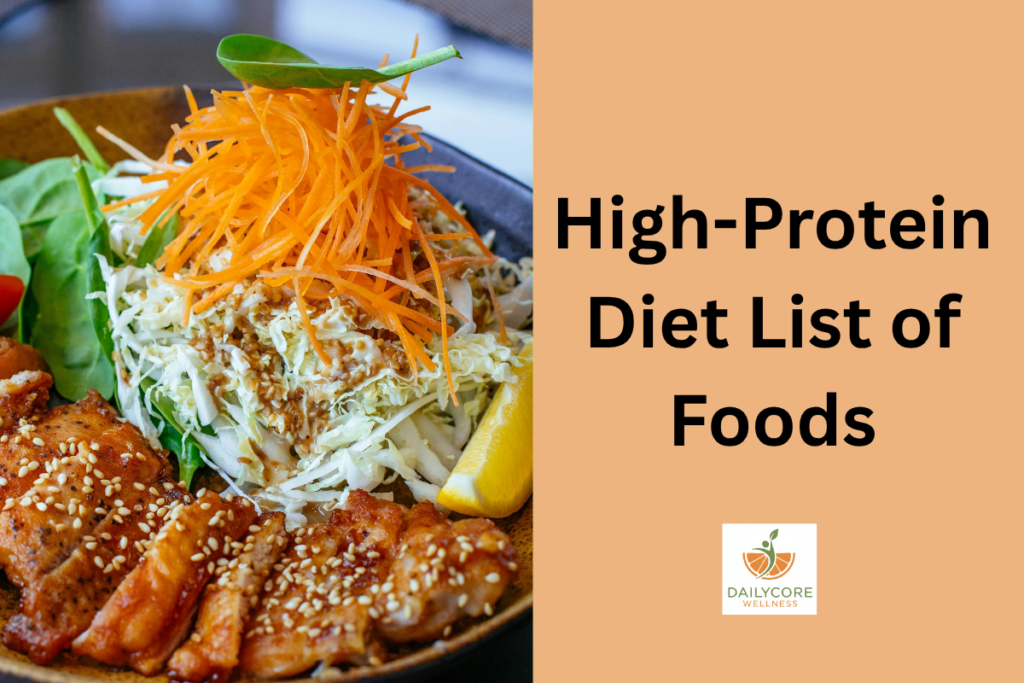
High-Protein Diet List of Foods, 3rd April 2026
1. Chicken Breast
Chicken breast is one of the most popular lean protein sources, providing approximately 31 grams of protein per 100 grams. It is low in fat and versatile for grilling, baking, or stir-frying. Including chicken breast in meals supports muscle growth, satiety, and weight management. Its high protein content helps stabilize blood sugar and maintain energy levels, making it a staple in high-protein diets.
2. Eggs
Eggs are a complete protein source containing all essential amino acids. One large egg provides about 6 grams of protein. They are also rich in vitamins and healthy fats. Eggs support muscle repair, brain health, and satiety, making them ideal for breakfast or snacks in a high-protein diet.
3. Salmon
Salmon is rich in protein and omega-3 fatty acids, providing around 25 grams of protein per 100 grams. It supports heart health, reduces inflammation, and promotes muscle recovery. Including salmon in a high-protein diet enhances nutrient intake and supports long-term wellness.
4. Greek Yogurt
Greek yogurt contains approximately 10 grams of protein per 100 grams and is rich in probiotics. It supports gut health, satiety, and muscle repair. Including Greek yogurt in meals or snacks helps maintain energy and improve digestion.
5. Lean Beef
Lean beef provides about 26 grams of protein per 100 grams and is rich in iron and vitamin B12. It supports muscle growth, energy production, and overall health. Choosing lean cuts ensures high protein intake with controlled fat levels.
6. Tuna
Tuna is a high-protein, low-fat fish providing around 29 grams of protein per 100 grams. It is convenient, versatile, and supports muscle maintenance and satiety. Including tuna in salads or meals helps meet daily protein needs efficiently.
7. Cottage Cheese
Cottage cheese offers about 11 grams of protein per 100 grams and is rich in calcium. It supports muscle repair and bone health. Its slow-digesting protein makes it ideal for sustained energy and satiety.
8. Lentils
Lentils provide approximately 9 grams of protein per 100 grams cooked and are rich in fiber and iron. They support digestion, satiety, and energy levels, making them an excellent plant-based protein option.
9. Chickpeas
Chickpeas contain about 8 grams of protein per 100 grams cooked. They are versatile for salads, stews, and snacks. Chickpeas support satiety, digestion, and overall nutrient intake.
10. Tofu
Tofu provides around 8 grams of protein per 100 grams and is a complete plant-based protein. It is versatile and supports muscle maintenance, energy, and balanced nutrition in vegetarian and vegan diets.
11. Turkey Breast
Turkey breast is a lean, high-protein food providing about 29 grams of protein per 100 grams. It is low in fat and rich in essential nutrients such as selenium, vitamin B6, and niacin, which support metabolism and energy production. Turkey breast is highly versatile and can be grilled, baked, or added to salads and wraps. Its high protein content promotes muscle growth, supports satiety, and helps maintain a healthy weight. Regular consumption of turkey breast in a balanced diet contributes to sustained energy levels and overall wellness, making it an excellent option for individuals focused on fitness and long-term health.
12. Shrimp
Shrimp is a low-calorie, high-protein seafood option, providing approximately 24 grams of protein per 100 grams. It is also rich in iodine, selenium, and antioxidants such as astaxanthin, which support thyroid function and reduce inflammation. Shrimp cook quickly, making them ideal for meal prep and fast, nutritious meals. Its high protein content helps maintain muscle mass and promotes satiety, reducing unnecessary snacking. Including shrimp in a high-protein diet supports heart health, energy levels, and metabolic function. It is a convenient and flavorful option for individuals seeking variety in their protein sources.
13. Sardines
Sardines are a nutrient-dense, high-protein fish providing around 25 grams of protein per 100 grams. They are also rich in omega-3 fatty acids, calcium, and vitamin D, supporting heart health, bone strength, and inflammation reduction. Sardines are typically available canned, making them a convenient option for quick meals or snacks. Their protein and healthy fat content promote satiety and sustained energy. Including sardines regularly in a high-protein diet contributes to overall wellness, supports brain function, and enhances nutrient intake while offering a practical and affordable protein source.
14. Milk
Milk provides approximately 3–4 grams of protein per 100 ml and is a complete protein source containing all essential amino acids. It is also rich in calcium, vitamin D, and potassium, supporting bone health and muscle function. Milk can be consumed on its own or added to smoothies, cereals, and recipes. Its protein content helps promote satiety and supports muscle repair. Including milk in a high-protein diet enhances nutrient intake and provides a convenient, accessible option for meeting daily protein requirements while supporting overall health.
15. Cheese
Cheese is a protein-rich dairy product providing about 20–25 grams of protein per 100 grams, depending on the type. It is also high in calcium and healthy fats, supporting bone health and satiety. Cheese can be added to meals or enjoyed as a snack, offering versatility and flavor. Its protein content helps maintain muscle mass and provides long-lasting energy. Choosing moderate portions ensures balanced calorie intake while benefiting from its nutritional value. Regular inclusion supports a satisfying and nutrient-dense high-protein diet.
16. Edamame
Edamame, or young soybeans, provide approximately 11 grams of protein per 100 grams cooked. They are a complete plant-based protein and also rich in fiber, iron, and antioxidants. Edamame can be eaten as a snack or added to salads and stir-fries. Their protein and fiber content promote satiety, stabilize blood sugar, and support digestive health. Including edamame in a high-protein diet enhances plant-based protein intake and contributes to balanced nutrition and long-term wellness.
17. Black Beans
Black beans contain around 8 grams of protein per 100 grams cooked and are rich in fiber, folate, and antioxidants. They support digestive health, stabilize blood sugar, and promote satiety. Black beans are versatile and can be used in soups, salads, wraps, and bowls. Their combination of protein and fiber helps maintain energy levels and supports muscle repair. Including black beans in a high-protein diet enhances nutrient intake and contributes to long-term metabolic health.
18. Kidney Beans
Kidney beans provide approximately 8 grams of protein per 100 grams cooked and are rich in iron, fiber, and antioxidants. They are commonly used in stews, salads, and chili dishes. Their protein content supports muscle maintenance, while fiber aids digestion and promotes fullness. Including kidney beans regularly in meals helps stabilize blood sugar levels and supports sustained energy. They are an affordable and nutrient-dense addition to a high-protein diet.
19. Peanuts
Peanuts offer about 26 grams of protein per 100 grams and are also rich in healthy fats, magnesium, and antioxidants. They can be eaten as a snack or used in peanut butter, sauces, and meals. Peanuts promote satiety, support heart health, and provide long-lasting energy. Including peanuts in moderation enhances protein intake and contributes to a balanced diet. Their versatility and affordability make them a practical option for maintaining consistent protein consumption.
20. Almond Butter
Almond butter provides approximately 21 grams of protein per 100 grams and is rich in healthy fats, vitamin E, and magnesium. It can be spread on toast, added to smoothies, or used in recipes. Almond butter supports satiety, stabilizes blood sugar, and provides sustained energy. Including it in a high-protein diet enhances nutrient density and supports overall wellness. Moderation is important due to its calorie content.
21. Chia Seeds
Chia seeds contain about 17 grams of protein per 100 grams and are also rich in fiber, omega-3 fatty acids, and antioxidants. They can be added to smoothies, yogurt, or oatmeal. Chia seeds support digestion, promote satiety, and stabilize blood sugar levels. Including them in a high-protein diet enhances nutrient intake and contributes to long-term health and energy balance.
22. Flaxseeds
Flaxseeds provide around 18 grams of protein per 100 grams and are rich in omega-3 fatty acids and fiber. They support heart health, digestion, and inflammation reduction. Flaxseeds can be added to smoothies, cereals, or baked goods. Including flaxseeds in a high-protein diet enhances overall nutrient density and promotes sustained energy and wellness.
23. Pumpkin Seeds
Pumpkin seeds offer about 30 grams of protein per 100 grams and are rich in magnesium, iron, and antioxidants. They can be eaten as a snack or added to meals. Pumpkin seeds support muscle repair, satiety, and overall metabolic health. Including them in a high-protein diet enhances protein intake and contributes to long-term wellness.
24. Sunflower Seeds
Sunflower seeds contain approximately 21 grams of protein per 100 grams and are rich in vitamin E and healthy fats. They support heart health, energy, and satiety. Adding sunflower seeds to salads or snacks enhances protein intake and provides essential nutrients for overall health.
25. Quinoa
Quinoa provides about 4 grams of protein per 100 grams cooked and is a complete protein source. It is rich in fiber, magnesium, and antioxidants. Quinoa supports satiety, stabilizes blood sugar, and enhances energy levels. Including quinoa in a high-protein diet contributes to balanced nutrition and long-term health.
26. Oats
Oats contain around 5 grams of protein per 100 grams cooked and are rich in fiber and antioxidants. They support digestion, satiety, and sustained energy. Including oats in a high-protein diet helps maintain energy levels and contributes to overall wellness.
27. Whey Protein
Whey protein provides approximately 20–25 grams of protein per serving and is rapidly absorbed by the body. It supports muscle growth, recovery, and satiety. Whey protein is convenient for shakes and post-workout nutrition, making it a popular choice for athletes and fitness enthusiasts.
28. Casein Protein
Casein protein delivers around 20 grams of protein per serving and is digested slowly, providing a steady release of amino acids. It supports muscle repair and is ideal before bedtime. Including casein protein in a high-protein diet enhances recovery and long-term muscle maintenance.
29. Protein Bars
Protein bars typically provide 10–20 grams of protein per serving and are convenient for on-the-go nutrition. Choosing bars with minimal added sugars ensures better health benefits. They support satiety, energy, and consistent protein intake throughout the day.
30. Protein Shakes
Protein shakes offer a quick and efficient way to meet daily protein needs. They can be made with whey, plant-based protein, or other sources, providing 20–30 grams per serving. Protein shakes support muscle recovery, satiety, and energy, making them ideal for busy individuals and post-workout nutrition.
31. Duck Breast
Duck breast is a rich source of protein, providing approximately 19–23 grams per 100 grams. It also contains essential nutrients such as iron, zinc, and B vitamins that support energy production and immune function. While slightly higher in fat than other poultry, removing the skin helps reduce fat content while maintaining high protein levels. Duck breast is flavorful and can be grilled, roasted, or pan-seared, making it a versatile addition to meals. Including duck in a high-protein diet adds variety, supports muscle maintenance, and enhances nutrient intake, especially for individuals seeking alternative protein sources beyond chicken and turkey.
32. Lamb
Lamb provides about 25 grams of protein per 100 grams and is rich in iron, zinc, and vitamin B12. These nutrients support red blood cell production, immune function, and energy metabolism. Lamb is particularly beneficial for individuals with higher iron needs. Choosing lean cuts ensures a balance between protein and fat intake. It can be grilled, roasted, or stewed, offering versatility in meal preparation. Including lamb in a high-protein diet enhances nutrient diversity, supports muscle growth, and contributes to long-term health and energy levels.
33. Pork Loin
Pork loin is a lean cut of pork providing approximately 27 grams of protein per 100 grams. It is also rich in thiamine, selenium, and B vitamins, which support metabolism and nervous system health. Pork loin can be roasted, grilled, or baked, making it an easy addition to meal prep routines. Its high protein content promotes satiety, supports muscle repair, and maintains energy levels throughout the day. Including pork loin in a balanced diet adds variety and ensures consistent protein intake for long-term wellness.
34. Mozzarella Cheese
35. Ricotta Cheese
Ricotta cheese offers approximately 11 grams of protein per 100 grams and is rich in calcium and vitamin A. It has a creamy texture and can be used in both savory and sweet dishes. Ricotta supports muscle repair, bone health, and satiety. Including it in meals such as spreads, pasta dishes, or snacks enhances protein intake while adding flavor and versatility. Regular consumption contributes to a balanced and nutrient-rich high-protein diet.
36. Soybeans
Soybeans are one of the highest plant-based protein sources, providing about 36 grams of protein per 100 grams dry. They are also rich in fiber, iron, calcium, and antioxidants. Soybeans can be consumed in various forms, including boiled, roasted, or processed into tofu and tempeh. Their complete amino acid profile makes them an excellent alternative to animal protein. Including soybeans in a high-protein diet supports muscle growth, satiety, and overall nutrient intake, especially for vegetarians and vegans.
37. Tempeh
Tempeh provides approximately 19 grams of protein per 100 grams and is made from fermented soybeans. It is rich in probiotics, fiber, and essential nutrients that support digestion and overall health. Tempeh has a firm texture and nutty flavor, making it suitable for stir-fries, sandwiches, and salads. Its high protein content supports muscle maintenance, satiety, and sustained energy. Including tempeh in a high-protein diet enhances plant-based protein intake and promotes long-term wellness.
38. Seitan
Seitan, also known as wheat protein, contains about 25 grams of protein per 100 grams. It has a meat-like texture, making it a popular plant-based alternative. Seitan is low in fat and carbohydrates, making it ideal for high-protein diets. It can be used in a variety of dishes, including stir-fries, stews, and sandwiches. Including seitan supports muscle growth, satiety, and overall protein intake, especially for individuals following vegetarian or vegan diets.
39. Pea Protein
Pea protein is a plant-based protein source providing around 20–25 grams of protein per serving. It is easily digestible and hypoallergenic, making it suitable for individuals with dietary restrictions. Pea protein can be used in smoothies, shakes, and recipes to boost protein intake. It supports muscle recovery, satiety, and sustained energy. Including pea protein in a high-protein diet provides a convenient and effective way to meet daily protein requirements.
40. Brown Rice Protein
Brown rice protein offers approximately 20 grams of protein per serving and is a plant-based option suitable for vegans. While not a complete protein on its own, it can be combined with other protein sources to provide all essential amino acids. Brown rice protein is easy to digest and can be added to shakes and meals. Including it in a high-protein diet supports muscle maintenance, energy levels, and overall nutritional balance.
Conclusion
A high-protein diet built around a diverse list of foods is essential for supporting muscle growth, maintaining energy levels, and promoting overall health. By incorporating both animal-based and plant-based protein sources such as lean meats, fish, dairy, legumes, seeds, and whole grains, individuals can meet their daily protein needs while benefiting from a wide range of essential nutrients. This balanced approach ensures the body receives the amino acids required for tissue repair, immune function, and metabolic efficiency.
Variety plays a crucial role in maximizing the benefits of a high-protein diet. Different protein sources provide unique vitamins, minerals, and health-promoting compounds that contribute to long-term wellness. Including a mix of whole, minimally processed foods helps improve digestion, stabilize blood sugar levels, and enhance satiety. This not only supports physical performance but also makes it easier to maintain a consistent and enjoyable eating pattern.
Consistency remains the foundation of success when following a high-protein diet. Regularly consuming protein-rich meals throughout the day helps preserve lean muscle mass, reduce cravings, and sustain energy levels. Whether the goal is weight management, muscle building, or overall health improvement, maintaining a steady intake of high-quality protein ensures lasting and measurable results over time.
Adopting a high-protein diet is a long-term commitment to better health and performance. With proper planning, mindful food selection, and a focus on nutrient density, individuals can create a sustainable dietary pattern that supports strength, vitality, and overall well-being. Over time, this approach leads to improved body composition, enhanced energy, and a healthier, more balanced lifestyle.