Protein is a vital macronutrient that supports muscle growth, repair, metabolism, and overall health. Many people assume that a vegan diet lacks sufficient protein, but numerous plant-based foods are rich in protein while being nutrient-dense and heart-healthy. Incorporating high-protein foods into a vegan diet ensures adequate amino acid intake, supports energy, and promotes satiety throughout the day.
High-protein vegan foods include legumes, tofu, tempeh, seitan, nuts, seeds, and certain whole grains. Each provides a combination of protein, fiber, healthy fats, and essential vitamins and minerals that support long-term health. By carefully selecting protein-rich plant foods, vegans can meet daily protein requirements for muscle maintenance, weight management, and metabolic function.
Plant-based proteins also offer additional health benefits beyond amino acid content. They often provide antioxidants, phytochemicals, and unsaturated fats that reduce inflammation, support heart health, and enhance digestion. Including a variety of high-protein vegan foods ensures a balanced intake of essential nutrients while keeping meals flavorful and satisfying.
Ultimately, focusing on high-protein foods in a vegan diet allows individuals to maintain strength, energy, and overall wellness. With proper planning, vegan diets can deliver all the protein needed for optimal health without relying on animal products.
Benefits of High-Protein Vegan Foods
High-protein foods in a vegan diet promote satiety, which helps control appetite and support weight management. Plant-based proteins paired with fiber-rich foods prevent overeating and reduce cravings throughout the day.
Protein supports muscle repair and growth, making it essential for active individuals, athletes, or anyone aiming to maintain lean body mass. Vegan protein sources like tofu, tempeh, seitan, and legumes provide sufficient amino acids for these purposes when combined properly.
Plant-based proteins are often accompanied by fiber, vitamins, minerals, and antioxidants. These compounds reduce inflammation, support digestion, and enhance overall metabolic health, giving an added benefit beyond basic protein content.
Consistently incorporating high-protein vegan foods into meals encourages balanced nutrition, stable energy, and long-term adherence to a plant-based lifestyle. Planning meals around these foods makes it easier to meet protein goals without relying on processed options.
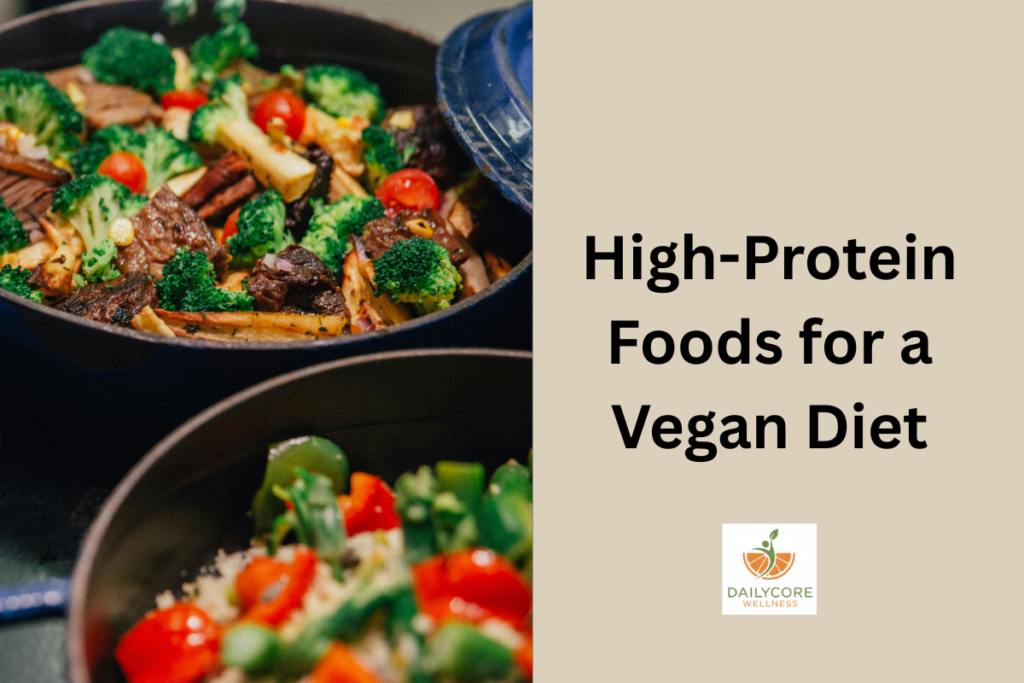
High-Protein Foods for a Vegan Diet, 3rd April 2026
1. Tofu
Tofu is made from soybeans and provides approximately 8 grams of protein per 100 grams. It is versatile and can be baked, grilled, stir-fried, or blended into smoothies. Tofu contains all essential amino acids, making it a complete protein source. It also provides calcium, iron, and isoflavones, which support bone and heart health. Regularly including tofu in meals supports satiety, stabilizes energy, and promotes muscle maintenance in a vegan diet.
2. Tempeh
Tempeh, a fermented soy product, contains about 19 grams of protein per 100 grams. It offers a firmer texture than tofu and a nutty flavor. Fermentation increases digestibility and adds probiotics that support gut health. Tempeh is also rich in fiber, iron, and magnesium. Including tempeh in stir-fries, sandwiches, or salads boosts protein intake, aids satiety, and supports long-term metabolic and digestive health in a plant-based diet.
3. Seitan
Seitan, also known as wheat meat, is a high-protein vegan food with approximately 25 grams of protein per 100 grams. Made from gluten, it has a chewy, meat-like texture, making it ideal for savory dishes. Seitan is low in carbohydrates and rich in protein, helping stabilize blood sugar and promote fullness. Pairing seitan with vegetables ensures nutrient balance, supporting energy, muscle health, and long-term adherence to a vegan diet.
4. Lentils
Lentils provide 9 grams of protein per 100 grams cooked and are also rich in fiber, iron, and folate. They are versatile for soups, stews, salads, and curries. Lentils stabilize blood sugar, enhance satiety, and support digestive health. Including lentils in meals provides essential nutrients for metabolic function, supports muscle repair, and adds nutrient density to a vegan diet.
5. Chickpeas
Chickpeas contain about 8 grams of protein per 100 grams cooked and are excellent for salads, hummus, and stews. They are high in fiber, which aids digestion and promotes fullness. Chickpeas also provide iron, magnesium, and antioxidants. Regular consumption of chickpeas stabilizes energy, supports muscle maintenance, and contributes to balanced, high-protein plant-based meals.
6. Black Beans
Black beans offer approximately 8 grams of protein per 100 grams cooked, along with fiber, folate, and iron. They can be used in soups, salads, veggie burgers, and wraps. The combination of protein and fiber promotes satiety and blood sugar regulation. Including black beans in a vegan diet supports long-term energy, muscle health, and overall metabolic function.
7. Quinoa
Quinoa is a complete protein with 4 grams per 100 grams cooked and contains all essential amino acids. It is gluten-free, rich in fiber, magnesium, and antioxidants. Quinoa can be used as a base for salads, bowls, or side dishes. Its high protein content and nutrient density stabilize energy, support satiety, and promote muscle maintenance in a vegan diet.
8. Edamame
Edamame, or young soybeans, contains around 11 grams of protein per 100 grams cooked. They are a convenient snack or addition to salads and stir-fries. Rich in fiber, iron, and antioxidants, edamame supports satiety, stabilizes blood sugar, and promotes digestive health. Regular consumption enhances protein intake and supports a nutrient-rich vegan diet.
9. Hemp Seeds
Hemp seeds provide 10 grams of protein per 30 grams and are rich in omega-3 and omega-6 fatty acids. They can be sprinkled on salads, oatmeal, or smoothies. Hemp seeds are easily digestible, nutrient-dense, and support satiety. Including hemp seeds in a vegan diet boosts protein intake, supports heart health, and promotes long-term wellness.
10. Chia Seeds
Chia seeds contain about 5 grams of protein per 30 grams and are also high in fiber, omega-3 fatty acids, and antioxidants. They can be used in puddings, smoothies, or sprinkled on cereals. Chia seeds support digestion, stabilize blood sugar, and enhance satiety. Incorporating chia seeds into a vegan diet improves protein intake and provides essential nutrients for overall health.
11. Pumpkin Seeds
Pumpkin seeds, also known as pepitas, contain around 7 grams of protein per 30 grams and are rich in magnesium, iron, and antioxidants. They can be sprinkled on salads, oatmeal, or enjoyed as a snack. Their protein and healthy fat content support satiety, stabilize blood sugar, and enhance metabolic health. Regular consumption of pumpkin seeds helps meet daily protein needs on a vegan diet, supports muscle maintenance, and provides essential nutrients for overall wellness.
12. Almonds
Almonds offer approximately 6 grams of protein per 30 grams, along with fiber, vitamin E, and healthy fats. They are versatile for snacking, adding to salads, or blending into almond butter. Almonds promote satiety, stabilize energy, and support heart health. Including almonds regularly in a vegan diet helps boost protein intake, contributes to nutrient density, and supports long-term metabolic and digestive health.
13. Sunflower Seeds
Sunflower seeds contain about 6 grams of protein per 30 grams and are high in healthy fats, vitamin E, and magnesium. They can be eaten as a snack, added to salads, or incorporated into baked dishes. Protein and fiber from sunflower seeds promote satiety and stabilize blood sugar. Regularly including them in a vegan diet supports energy, nutrient intake, and muscle maintenance while enhancing overall health.
14. Flaxseeds
Flaxseeds provide approximately 5 grams of protein per 30 grams and are rich in omega-3 fatty acids and fiber. They can be added to smoothies, oatmeal, or baked goods. Flaxseeds support digestion, stabilize blood sugar, and enhance satiety. Including flaxseeds regularly in a vegan diet increases protein intake, promotes heart and digestive health, and contributes to long-term wellness.
15. Peas
Green peas contain roughly 5 grams of protein per 100 grams cooked and are rich in fiber, vitamins, and antioxidants. They can be added to stir-fries, soups, salads, and pasta dishes. Peas promote satiety, stabilize blood sugar, and support metabolic health. Incorporating peas into a vegan diet boosts protein intake, supports muscle maintenance, and provides essential nutrients for energy and overall wellness.
16. Spirulina
Spirulina, a blue-green algae, provides about 57 grams of protein per 100 grams dried. Even small amounts in smoothies or energy bowls supply a significant protein boost. It is also rich in iron, B vitamins, and antioxidants. Spirulina supports energy, satiety, and metabolic function, making it an excellent addition to a vegan diet for those seeking high-quality, plant-based protein.
17. Peanut Butter
Peanut butter contains around 7 grams of protein per 2 tablespoons and healthy fats, fiber, and minerals like magnesium. It can be used on toast, in smoothies, or with fruit. Peanut butter promotes satiety, stabilizes energy, and contributes to muscle maintenance. Including peanut butter in a vegan diet supports protein intake, provides long-lasting energy, and enhances overall nutrient density.
18. Soy Milk
Soy milk contains approximately 7 grams of protein per 1 cup (240 ml) and is often fortified with calcium and vitamin B12. It can replace dairy in beverages, smoothies, or cereals. Soy milk provides complete protein, supporting satiety, blood sugar stability, and metabolic health. Regular consumption enhances protein intake and supports long-term wellness on a vegan diet.
19. Black-Eyed Peas
Black-eyed peas provide about 8 grams of protein per 100 grams cooked and are rich in fiber, folate, and iron. They can be used in soups, stews, or salads. Protein and fiber help stabilize blood sugar and promote satiety. Including black-eyed peas in a vegan diet supports muscle maintenance, energy balance, and overall health.
20. Kidney Beans
Kidney beans contain approximately 8 grams of protein per 100 grams cooked. They are also rich in fiber, iron, and antioxidants. Kidney beans can be added to soups, stews, and salads. They stabilize blood sugar, promote satiety, and provide essential nutrients. Regular inclusion in a vegan diet helps meet protein requirements and supports long-term wellness.
21. Mung Beans
Mung beans provide about 7 grams of protein per 100 grams cooked and are high in fiber, folate, and antioxidants. They can be used in soups, salads, and sprouted for additional nutrients. Protein and fiber promote satiety, stabilize energy, and support digestive health. Regular consumption of mung beans in a vegan diet helps maintain muscle mass and overall nutrient intake.
22. Hemp Protein Powder
Hemp protein powder contains roughly 15 grams of protein per 30 grams and is rich in omega-3 fatty acids and fiber. It can be added to smoothies, shakes, or baked goods. Hemp protein is easily digestible and provides all essential amino acids. Incorporating hemp protein supports satiety, energy, and long-term adherence to a high-protein vegan diet.
23. Chlorella
Chlorella, a green algae, provides 50–60 grams of protein per 100 grams dried and is rich in chlorophyll, iron, and antioxidants. It can be added to smoothies or energy bowls. Chlorella enhances protein intake, supports metabolic function, stabilizes energy, and promotes overall health in a vegan diet.
24. Amaranth
Amaranth is a grain-like seed containing 9 grams of protein per 100 grams cooked and is high in fiber, iron, and calcium. It can be used as a base for bowls or porridge. Amaranth provides complete protein, promotes satiety, and stabilizes blood sugar. Incorporating amaranth in a vegan diet enhances protein intake and nutrient density.
25. Buckwheat
Buckwheat contains about 6 grams of protein per 100 grams cooked and is rich in fiber, magnesium, and antioxidants. It can be used in salads, porridge, or baked goods. Buckwheat supports satiety, stabilizes energy, and promotes digestive health. Regular inclusion in a vegan diet enhances protein intake and overall nutrient balance.
26. Oats
Oats provide roughly 5 grams of protein per 100 grams cooked and are high in fiber, magnesium, and antioxidants. They can be used in porridge, smoothies, or baked goods. Oats promote fullness, stabilize blood sugar, and support long-term energy. Including oats in a vegan diet contributes to protein intake and overall wellness.
27. Pea Protein Powder
Pea protein powder contains around 20–25 grams of protein per 30 grams and is a complete, plant-based protein. It can be added to smoothies, shakes, or baked goods. Pea protein supports muscle maintenance, satiety, and long-term adherence to a vegan diet. It’s a convenient way to boost protein intake for active individuals.
28. Pistachios
Pistachios contain 6 grams of protein per 30 grams and are rich in fiber, healthy fats, and antioxidants. They can be eaten as a snack or added to salads and desserts. Pistachios promote satiety, stabilize blood sugar, and enhance overall nutrition. Regular inclusion supports protein intake and metabolic health in a vegan diet.
29. Walnuts
Walnuts provide about 4 grams of protein per 30 grams and are rich in omega-3 fatty acids and antioxidants. They can be added to oatmeal, smoothies, or eaten as a snack. Walnuts promote satiety, support heart health, and stabilize energy. Including them in a vegan diet enhances protein intake and overall nutrient density.
30. Cashews
Cashews contain roughly 5 grams of protein per 30 grams and are rich in healthy fats, magnesium, and iron. They can be added to sauces, smoothies, or eaten as a snack. Cashews support satiety, stabilize blood sugar, and enhance nutrient intake, making them an excellent high-protein addition to a vegan diet.
31. Green Pea Protein Powder
Green pea protein powder contains approximately 20 grams of protein per 30 grams and is easy to digest. It can be added to shakes, smoothies, and baking. It supports muscle maintenance, energy balance, and satiety, making it a convenient protein source for vegan athletes and active individuals.
32. Spirulina Powder
33. Lentil Pasta
Lentil pasta contains approximately 12–15 grams of protein per 100 grams cooked and is high in fiber. It can replace regular pasta in salads, bowls, or main dishes. Lentil pasta stabilizes blood sugar, supports satiety, and enhances protein intake, making it ideal for vegan, high-protein meals.
34. Edamame Protein Snacks
Roasted edamame snacks contain about 11 grams of protein per 100 grams and are rich in fiber, iron, and antioxidants. They promote satiety, stabilize energy, and make convenient high-protein vegan snacks to support nutrient intake throughout the day.
35. Nutritional Yeast
Nutritional yeast provides about 8 grams of protein per 2 tablespoons and is rich in B vitamins. It can be sprinkled on popcorn, salads, or pasta. Nutritional yeast supports protein intake, satiety, and long-term vegan nutrition, enhancing flavor and nutrient density.