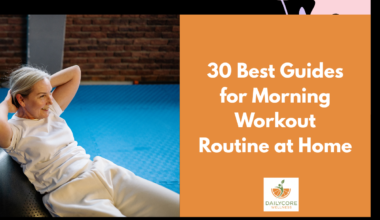
Home workouts for seniors are no longer a secondary option reserved for limited mobility; they have become one of the most practical and effective ways for older adults to maintain strength, flexibility, balance, and cardiovascular health. As individuals age, regular physical activity becomes increasingly important for preserving independence, reducing fall risk, and managing chronic conditions. A structured approach performed at home provides comfort, convenience, and consistency without the intimidation of crowded gyms.
A well-designed home workout for seniors focuses on low-impact, joint-friendly movements that prioritize safety and proper form. Unlike high-intensity programs designed for younger individuals, senior fitness routines emphasize controlled movements, gradual progression, and functional strength. These elements help improve everyday activities such as walking, climbing stairs, lifting objects, and maintaining posture.
Ultimately, long-term health outcomes depend on sustainable habits. A home workout for seniors supports routine-building, eliminates travel barriers, and encourages self-paced progression. When performed regularly and thoughtfully, it becomes a cornerstone of healthy aging, helping seniors maintain independence and vitality for years to come.
Why Strength and Balance Training Are Essential for Seniors
Strength and balance training are foundational components of any effective home workout for seniors. Muscle mass naturally declines with age, a process known as sarcopenia, which can reduce mobility and increase fall risk. Regular resistance exercises counteract this decline by stimulating muscle fibers, enhancing bone density, and supporting joint stability. Stronger muscles contribute directly to improved posture, safer movement, and greater confidence in performing daily activities.
Balance training is equally important because it directly reduces the likelihood of falls, one of the leading causes of injury among older adults. Simple exercises such as single-leg stands, heel-to-toe walks, and seated-to-standing transitions improve coordination and proprioception. When strength and balance exercises are combined within a structured routine, seniors develop a stronger musculoskeletal foundation that enhances safety, autonomy, and overall physical resilience.
Building a Safe and Sustainable Home Workout Routine
A successful home workout for seniors must be structured yet adaptable. Each session should begin with a gentle warm-up lasting five to ten minutes, incorporating movements such as arm circles, slow marching in place, and shoulder rolls. This prepares the joints and increases blood flow to the muscles, reducing injury risk. The main workout should include strength exercises targeting major muscle groups, followed by light cardiovascular activity and concluding with flexibility work.
Progression should be gradual and measurable. Seniors should increase repetitions or resistance slowly, prioritizing quality of movement over speed. Rest days are equally important to allow muscle recovery and prevent overtraining. Monitoring how the body feels after each session helps identify appropriate intensity levels. By maintaining a balanced approach that includes strength, balance, endurance, and flexibility, seniors can create a routine that is not only safe but sustainable over the long term.

20 Complete Guide to Home Workout for Seniors
1. Prioritize Proper Warm-Up Before Every Session
A thorough warm-up is essential in any home workout for seniors because aging muscles and joints require gradual preparation before exertion. Begin with five to ten minutes of low-intensity movement such as marching in place, arm swings, gentle torso rotations, and ankle circles. These exercises increase blood circulation, improve joint lubrication, and activate stabilizing muscles. Skipping this step increases the likelihood of stiffness or strain during strength exercises. A proper warm-up also enhances mental focus, allowing seniors to become more aware of posture and breathing patterns. Consistently warming up improves flexibility over time and supports safer movement transitions throughout the workout session.
2. Focus on Functional Strength Exercises
Functional strength movements mimic everyday activities, making them highly effective for seniors. Exercises such as chair squats, wall push-ups, seated leg raises, and step-ups improve the muscles used in standing, lifting, and walking. Rather than isolating muscles excessively, these exercises train coordination and balance simultaneously. A home workout for seniors should emphasize controlled motion, steady breathing, and proper alignment. Functional training enhances independence by strengthening the body for real-life tasks. Over time, these movements improve endurance and reduce fatigue during daily routines, supporting long-term autonomy and confidence.
3. Incorporate Balance Training Daily
Balance exercises significantly reduce fall risk and should be included in every home workout for seniors. Simple movements like standing on one foot, walking heel-to-toe, or practicing slow side leg lifts improve coordination and joint stability. Performing these exercises near a sturdy chair or wall ensures safety. Balance improves through repetition and neural adaptation, so daily practice produces measurable gains. Enhanced stability leads to better posture and safer mobility. Over weeks and months, seniors often notice improved walking patterns and greater confidence when navigating uneven surfaces or stairs.
4. Use Light Resistance for Muscle Maintenance
Resistance training does not require heavy weights to be effective. Light dumbbells, resistance bands, or even household items can provide adequate stimulus. A home workout for seniors should focus on moderate resistance performed with precise control. Aim for 10 to 15 repetitions per set while maintaining steady breathing. Resistance training supports muscle retention, bone density, and joint integrity. Gradual increases in resistance prevent plateauing while minimizing injury risk. Consistent strength work contributes to improved metabolism and better blood sugar regulation, supporting overall health.
5. Maintain Consistent Scheduling
Consistency determines long-term results more than intensity. Scheduling workouts at the same time each day builds routine and reinforces habit formation. A home workout for seniors performed three to five times weekly creates steady progress without overwhelming the body. Tracking sessions in a journal or calendar increases accountability. Regular practice strengthens neuromuscular pathways and reinforces movement efficiency. Over time, consistent scheduling transforms exercise from a task into a lifestyle practice, ensuring sustained physical improvements.
6. Monitor Intensity and Avoid Overexertion
Seniors should exercise at a moderate intensity level where conversation remains possible. Overexertion can lead to fatigue, dizziness, or injury. A home workout for seniors must prioritize safety over performance. Pay attention to warning signs such as joint pain or excessive breathlessness. Gradual progression protects the cardiovascular system and musculoskeletal structures. Monitoring heart rate and perceived exertion ensures workouts remain beneficial rather than harmful. Sustainable intensity fosters long-term adherence and reduces recovery time between sessions.
7. Emphasize Flexibility and Mobility
Flexibility exercises improve joint range of motion and reduce stiffness. Gentle stretching at the end of each session enhances recovery and posture. A home workout for seniors should include hamstring stretches, shoulder stretches, calf stretches, and spinal mobility exercises. Holding each stretch for 15 to 30 seconds promotes muscle relaxation. Improved flexibility enhances movement efficiency and reduces discomfort during daily activities. Consistent mobility work supports graceful aging and preserves independence.
8. Stay Hydrated and Support Recovery
Hydration supports muscle function, joint lubrication, and cardiovascular efficiency. Seniors often experience reduced thirst sensation, making conscious hydration essential. Drinking water before and after a home workout for seniors prevents dehydration-related fatigue. Recovery also includes adequate sleep and balanced nutrition rich in protein and micronutrients. Proper recovery allows muscles to rebuild and strengthen in adaptation to training stimuli.
9. Modify Exercises Based on Individual Needs
Every senior has unique physical capabilities and medical considerations. Exercises should be adapted to accommodate joint limitations or chronic conditions. For example, seated variations can replace standing exercises when balance is compromised. A personalized home workout for seniors ensures safety and maximizes effectiveness. Consulting healthcare professionals when necessary provides additional assurance. Individualized modifications support consistent participation and long-term success.
10. Track Progress and Celebrate Improvements
Tracking improvements in strength, balance, or endurance reinforces motivation. Simple metrics such as increased repetitions, improved stability, or reduced fatigue indicate progress. A home workout for seniors becomes more meaningful when measurable outcomes are recorded. Celebrating small milestones strengthens commitment and builds confidence. Consistent monitoring encourages gradual progression while maintaining safety standards.
11. Include Low-Impact Cardiovascular Exercises
Low-impact cardiovascular training should remain a consistent component of any home workout for seniors. Activities such as marching in place, step-touch movements, seated cycling motions, or light dancing increase heart rate without placing excessive stress on the joints. Cardiovascular exercise strengthens the heart and lungs, improves circulation, and enhances stamina for daily tasks such as walking or climbing stairs. Sessions can last 10 to 20 minutes, depending on fitness level. Maintaining moderate intensity ensures safety while still delivering benefits. Over time, consistent low-impact cardio improves endurance, supports healthy blood pressure levels, and contributes to overall vitality and longevity.
12. Strengthen Core Muscles for Stability
Core strength plays a crucial role in posture, balance, and spinal support. A well-designed home workout for seniors should incorporate exercises such as seated abdominal contractions, gentle pelvic tilts, bird-dog variations, or standing torso rotations. Strong core muscles reduce strain on the lower back and enhance movement efficiency. Rather than performing high-intensity abdominal routines, seniors should focus on controlled engagement and steady breathing. Improved core stability supports safer transitions from sitting to standing and reduces fall risk. Over time, consistent core training enhances overall body coordination and contributes to greater confidence during everyday activities.
13. Practice Controlled Breathing Techniques
Proper breathing enhances exercise performance and prevents unnecessary strain. During a home workout for seniors, exhale during exertion and inhale during the return phase of each movement. Controlled breathing stabilizes blood pressure, improves oxygen delivery to muscles, and promotes relaxation. Breath awareness also reduces the likelihood of dizziness or breath-holding, which can increase cardiovascular stress. Integrating mindful breathing into each session improves endurance and mental focus. Over time, this habit strengthens the connection between movement and respiratory control, contributing to safer and more efficient workouts.
14. Incorporate Chair-Assisted Exercises When Needed
Chair-assisted exercises provide added stability and accessibility. Movements such as seated leg extensions, supported squats, and seated overhead presses allow seniors to build strength without compromising balance. A home workout for seniors should prioritize safety, especially for individuals with mobility limitations. Using a sturdy chair minimizes fall risk while still enabling effective muscle engagement. Gradual progression from seated to standing variations can occur as strength improves. Chair-based routines ensure inclusivity, allowing individuals at varying fitness levels to participate consistently and confidently.
15. Improve Joint Health with Gentle Mobility Work
Joint stiffness can limit mobility and reduce exercise confidence. Incorporating gentle joint rotations for the shoulders, hips, knees, and ankles into a home workout for seniors enhances synovial fluid circulation and reduces discomfort. Mobility exercises improve range of motion and prepare the body for more demanding movements. Slow, controlled rotations performed daily can significantly improve flexibility and reduce inflammation-related stiffness. Maintaining joint health supports safer movement patterns and encourages long-term participation in physical activity without unnecessary strain.
16. Gradually Increase Resistance Over Time
Progressive overload remains essential even in senior fitness. Once exercises become easier, small adjustments such as adding light resistance bands or increasing repetitions help stimulate continued muscle adaptation. A home workout for seniors should evolve gradually to prevent stagnation while maintaining safety. Sudden increases in weight or intensity should be avoided. Instead, incremental progression encourages muscle growth, improved bone density, and enhanced functional strength. Tracking improvements ensures progression remains appropriate and sustainable.
17. Schedule Rest and Recovery Days
Recovery is as important as exercise itself. Muscles rebuild and strengthen during rest periods, making recovery days essential within a home workout for seniors. Alternating workout days or incorporating lighter activity sessions prevents overtraining and excessive fatigue. Adequate sleep and proper nutrition further support muscle repair. Without sufficient recovery, the risk of strain or burnout increases. Balanced scheduling ensures consistent participation while protecting long-term health outcomes.
18. Maintain Proper Posture Throughout Movements
Postural awareness significantly impacts exercise effectiveness and safety. During a home workout for seniors, maintaining a neutral spine, relaxed shoulders, and aligned knees prevents unnecessary strain. Poor posture can reduce muscle engagement and increase injury risk. Performing exercises in front of a mirror or practicing slow, deliberate movements enhances body awareness. Strong posture also improves breathing efficiency and balance. Over time, improved alignment translates into better walking mechanics and reduced discomfort in daily activities.
19. Integrate Light Stretching Between Sets
Incorporating light stretching between strength sets promotes circulation and reduces muscle tightness. Gentle stretches lasting 10 to 20 seconds help maintain flexibility without disrupting workout flow. A home workout for seniors benefits from this balanced approach, combining strength and mobility within one session. Inter-set stretching can also reduce delayed onset muscle soreness. Consistent flexibility practice supports joint health and enhances overall movement quality.
20. Stay Mentally Engaged During Workouts
Mental engagement enhances consistency and performance. A home workout for seniors should not become mechanical or rushed. Concentrating on movement quality, breathing rhythm, and posture improves results. Listening to calming music or following structured routines can maintain motivation. Cognitive focus during exercise also supports brain health by stimulating coordination and neural pathways. Over time, combining physical activity with mindful attention strengthens both body and mind, contributing to holistic well-being and long-term adherence.
Conclusion
A structured home workout for seniors provides a powerful foundation for healthy aging. Through consistent strength training, balance exercises, and flexibility work, older adults can preserve muscle mass, enhance coordination, and reduce fall risk. The effectiveness of any program lies not in complexity but in sustainable, repeated effort over time.
Safety must remain central to every routine. Monitoring intensity, modifying exercises when necessary, and allowing proper recovery ensure the body adapts positively. A well-balanced home workout for seniors becomes a reliable strategy for maintaining independence and preventing physical decline.
Ultimately, lasting success depends on persistence. When seniors approach fitness as a lifelong commitment rather than a short-term initiative, they build resilience that supports vitality for years to come. Consistency, thoughtful progression, and dedication to long-term health transform simple home workouts into a sustainable path toward strength and independence.