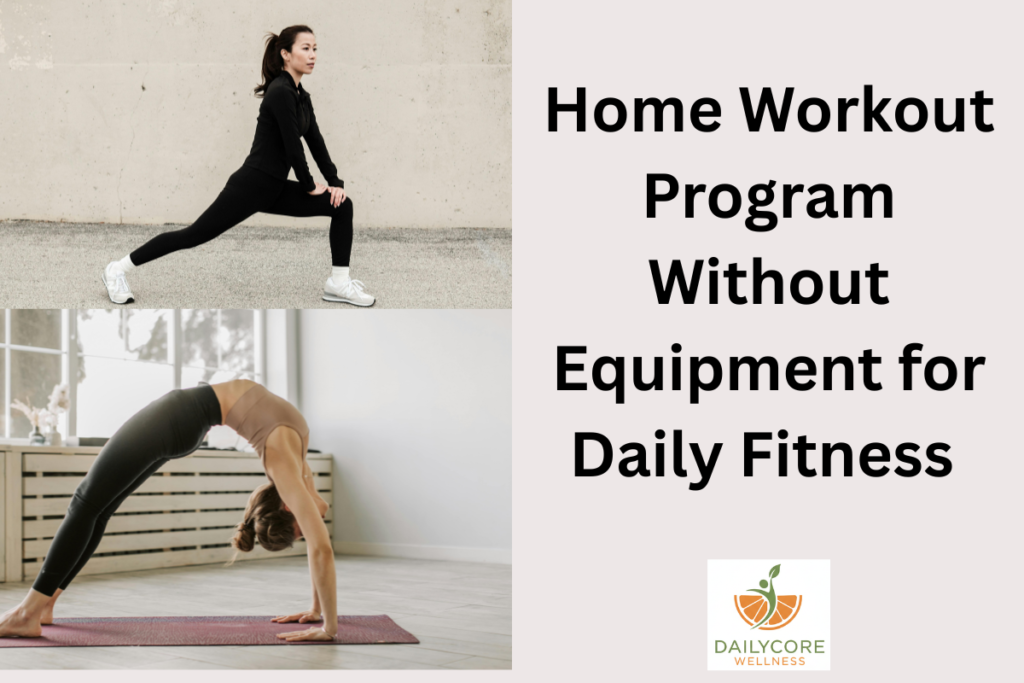
A home workout program without equipment is one of the most practical, accessible, and sustainable approaches to fitness in modern life. Many people believe that effective workouts require gym memberships, expensive machines, or specialized tools. In reality, the human body itself is a powerful training system. When used correctly, bodyweight exercises can build strength, improve cardiovascular health, enhance flexibility, and support long-term physical wellness.
The greatest advantage of an equipment-free home workout program is accessibility. You can exercise anytime, anywhere—no travel time, no crowded gyms, and no financial barriers. This convenience removes one of the most common excuses for inconsistency. Whether you are a beginner starting your fitness journey or someone returning after a long break, bodyweight workouts allow you to progress at your own pace while minimizing the risk of injury.
Another key benefit is functional strength. Bodyweight exercises train multiple muscle groups simultaneously, improving balance, coordination, and joint stability. Movements such as squats, push-ups, lunges, and planks mimic everyday actions, making the body stronger for daily activities rather than just aesthetic goals.
A well-structured home workout program without equipment also promotes discipline and habit formation. By committing to short, consistent sessions, you build a routine that fits seamlessly into your lifestyle. Over time, these small efforts compound into noticeable improvements in energy levels, posture, endurance, and overall confidence.
This guide breaks down a complete bodyweight workout system using clear headings and subheadings, covering structure, exercises, progression, and recovery. The goal is to help you build a sustainable, results-driven fitness routine without relying on any equipment.
Understanding the Foundations of a No-Equipment Workout Program, 3rd April 2026
The Role of Bodyweight Training
Key Fitness Components Addressed
A complete home workout program without equipment should include:
-
Strength training
-
Cardiovascular conditioning
-
Core stability
-
Flexibility and mobility
Balancing these components ensures overall fitness rather than isolated improvements.
Structuring an Effective Home Workout Routine
Workout Frequency and Duration
For optimal results, aim for 4–6 workout sessions per week, lasting between 20 and 45 minutes. Shorter sessions encourage consistency, while longer sessions allow deeper muscle engagement.
Weekly Workout Split Example
Day 1: Full-body strength
This session targets all major muscle groups using compound movements like squats, presses, rows, and deadlifts. Full-body strength training builds muscle, boosts metabolism, and improves overall functional fitness. Keep intensity moderate to high, focus on proper form, and allow adequate rest between sets for optimal performance and recovery.
Day 2: Cardio and core
Cardio and core day improves heart health, endurance, and abdominal stability. Combine steady-state cardio or intervals with planks, leg raises, and rotational movements. This session supports fat loss, posture, and athletic performance. Keep core movements controlled and maintain steady breathing throughout to maximize effectiveness and safety.
Day 3: Lower body focus
Lower body training emphasizes glutes, quadriceps, hamstrings, and calves through exercises like lunges, squats, hip thrusts, and step-ups. Strong legs improve balance, athletic power, and daily function. Prioritize progressive overload while maintaining proper alignment to protect knees and hips and encourage consistent strength development.
Day 4: Upper body focus
Upper body workouts target chest, back, shoulders, and arms using presses, pull-ups, rows, and curls. Building upper body strength improves posture, joint stability, and lifting capacity. Balance pushing and pulling exercises to prevent muscular imbalances and support long-term shoulder health and performance.
Day 5: Full-body conditioning
This session combines strength and cardio into higher-intensity circuits to boost endurance and calorie burn. Use compound movements with shorter rest periods to challenge both muscles and cardiovascular system. Conditioning improves work capacity, metabolic health, and overall fitness while reinforcing total-body coordination and stamina.
Day 6: Active recovery or mobility
Active recovery includes light movement such as walking, stretching, yoga, or mobility drills. This promotes blood flow, reduces muscle stiffness, and supports joint health without adding significant fatigue. Prioritizing recovery enhances performance, decreases injury risk, and prepares the body for the next training week.
Day 7: Rest
Rest day allows the body to repair muscle tissue, restore energy stores, and regulate hormones. Recovery is essential for strength gains and long-term progress. Avoid intense training and focus on hydration, nutrition, and sleep. Proper rest ensures sustainable performance and prevents burnout or overtraining.
This structure allows adequate recovery while maintaining momentum.
Warm-Up: Preparing the Body for Movement
Importance of a Proper Warm-Up
Warming up increases blood flow, loosens joints, and reduces injury risk. It also improves workout performance by activating muscles before intense movements.
Sample Warm-Up Movements
-
Arm circles and shoulder rolls
-
Jumping jacks or marching in place
-
Hip rotations
-
Dynamic leg swings
Spend 5–8 minutes warming up before each session.
Lower Body Strength Exercises Without Equipment
Squats and Squat Variations
Squats target the glutes, quadriceps, hamstrings, and core. Variations such as narrow squats, wide squats, and pulse squats increase intensity without added weight.
Lunges and Step-Back Lunges
Lunges improve balance and leg strength while engaging stabilizing muscles. Step-back lunges are easier on the knees and ideal for beginners.
Glute Bridges
Glute bridges activate the posterior chain and improve hip strength, which supports posture and lower back health.
Upper Body Strength Exercises at Home
Push-Ups and Modifications
Push-ups build chest, shoulders, triceps, and core strength. Beginners can start with knee push-ups or incline push-ups against a wall or surface.
Triceps Dips Using Bodyweight
Using a sturdy chair or low surface, triceps dips strengthen the arms and shoulders without equipment.
Isometric Holds
Wall push holds and plank shoulder taps build endurance and upper body stability.
Core Strength and Stability Training
Planks and Plank Variations
Planks strengthen the entire core, including deep stabilizing muscles. Side planks and plank holds increase intensity and balance.
Leg Raises and Mountain Climbers
These movements target the lower abs while also elevating heart rate, combining strength and cardio benefits.
Importance of Core Engagement
A strong core supports posture, reduces back pain, and improves performance in all other exercises.
Cardiovascular Conditioning Without Equipment
High-Intensity Bodyweight Cardio
Exercises such as jumping jacks, high knees, burpees, and mountain climbers raise heart rate and improve endurance.
Low-Impact Cardio Options
Marching in place, step-outs, and shadow boxing provide cardiovascular benefits without excessive joint stress.
Interval Training Approach
Alternating short bursts of effort with rest periods maximizes calorie burn and improves cardiovascular fitness.
Flexibility and Mobility for Recovery
Why Mobility Matters
Mobility training improves joint range of motion and reduces stiffness caused by repetitive movements or sedentary habits.
Simple Stretching Movements
Hamstring stretches
Hamstring stretches improve flexibility in the back of the thighs and reduce tension caused by prolonged sitting or intense leg workouts. Flexible hamstrings support better posture, reduce lower back strain, and improve athletic performance. Move slowly into each stretch, avoid bouncing, and hold for 20–30 seconds while breathing deeply.
Hip flexor stretches
Hip flexor stretches target the muscles at the front of the hips that often tighten from sitting for long periods. Releasing this tension improves posture, reduces lower back discomfort, and enhances stride length during walking or running. Maintain a tall torso and gently press hips forward without overextending the lower back.
Shoulder and chest openers
Shoulder and chest openers counteract rounded posture from desk work and device use. These stretches expand the chest, improve shoulder mobility, and reduce upper back tension. Move gradually, squeeze shoulder blades lightly, and avoid forcing the stretch. Consistent practice promotes better alignment and easier, more comfortable breathing.
Spinal twists
Spinal twists improve rotational mobility and relieve stiffness in the mid and lower back. Gentle twisting encourages circulation around the spine and supports flexibility in surrounding muscles. Keep movements controlled and avoid forcing range of motion. Breathe steadily and lengthen through the spine before rotating for safe, effective stretching.
Stretching after workouts enhances recovery and reduces soreness.
Progression Without Weights
Increasing Intensity Naturally
Progression can be achieved by:
-
Increasing repetitions
-
Slowing down movement tempo
-
Adding pauses or holds
-
Reducing rest time
Tracking Progress
Monitor improvements in endurance, form, and control rather than focusing solely on numbers.
Common Mistakes to Avoid in Home Workouts
Skipping Warm-Ups and Cool-Downs
This increases injury risk and delays recovery.
Poor Form Over Speed
Quality movement always matters more than completing exercises quickly.
Inconsistent Scheduling
Conistency is more important than workout intensity for long-term results.
Staying Motivated with a Home Workout Program
Setting Realistic Goals
Focus on achievable milestones such as improved stamina, better posture, or consistent weekly workouts.
Creating a Dedicated Workout Space
Even a small corner of your home can mentally reinforce workout commitment.
Building a Routine
Working out at the same time daily helps solidify fitness habits.
Conclusion
The simplicity of equipment-free workouts removes barriers and places control directly in your hands. Each session becomes an opportunity to strengthen not only the body but also discipline and self-belief. By focusing on progression, balance, and recovery, you create a fitness routine that is both effective and sustainable.
Ultimately, the most successful workout program is the one you can maintain. When fitness becomes accessible, flexible, and aligned with daily life, it transforms from a temporary effort into a lifelong habit.
Share this:
- Share on Facebook (Opens in new window) Facebook
- Share on X (Opens in new window) X
- Share on WhatsApp (Opens in new window) WhatsApp
- Share on Threads (Opens in new window) Threads
- Share on LinkedIn (Opens in new window) LinkedIn
- Share on Telegram (Opens in new window) Telegram
- Email a link to a friend (Opens in new window) Email
- Share on Pinterest (Opens in new window) Pinterest