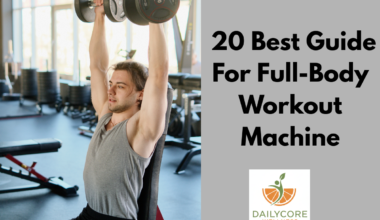
A home workouts for shoulders is one of the most effective ways to build upper-body strength, enhance posture, and improve overall athletic performance without relying on expensive gym memberships or specialized equipment. Strong shoulders are essential for everyday functional movements such as lifting, pushing, carrying, and stabilizing weight overhead. When trained correctly at home, the shoulders can develop balanced muscle definition while reducing the risk of injury caused by weakness or muscular imbalances.
One major advantage of performing a home workout for shoulders is the flexibility it provides. Whether using bodyweight movements, resistance bands, or household items, individuals can create progressive overload without stepping into a gym. Consistency, proper form, and structured progression are more important than heavy weights when building strong and defined shoulders at home.
This guide outlines structured strategies, effective exercises, and practical tips to help you maximize results from your home workout for shoulders. By applying the principles discussed below, you can safely develop strength, endurance, and muscular definition while maintaining long-term joint health.
Understanding Shoulder Anatomy and Training Principles
A successful home workout for shoulders begins with understanding how the shoulder functions. The deltoid muscle is divided into three heads: anterior (front), lateral (middle), and posterior (rear). Each head plays a distinct role in arm movement, from pressing overhead to lifting laterally and pulling backward. Balanced development across all three areas ensures a strong and symmetrical appearance while improving joint stability.
Progressive overload remains the foundation of shoulder development. Even at home, this can be achieved by increasing repetitions, adjusting tempo, adding resistance bands, or modifying leverage during bodyweight movements. Controlling the eccentric phase of exercises and maintaining strict form significantly enhances muscle engagement. Because the shoulder joint is highly mobile, it is also vulnerable to strain. Therefore, proper warm-ups, controlled repetitions, and gradual progression are essential components of a safe and effective routine.
Structuring an Effective Home Shoulder Routine
An efficient home workout for shoulders should include a combination of pressing, raising, and stabilizing exercises. Pressing movements primarily target the anterior deltoids, while lateral raises emphasize width and shape. Rear-delt movements promote posture and upper-back balance. Structuring sessions to include all these components ensures comprehensive development.
Training frequency also plays a critical role in results. Performing shoulder workouts two to three times per week allows adequate recovery while maintaining consistent stimulation. Rest intervals should align with your goals; shorter rests build endurance, while slightly longer rests support strength gains. Maintaining controlled breathing, steady tempo, and precise movement patterns enhances effectiveness. When combined with proper nutrition and adequate rest, a structured home shoulder program can produce measurable improvements in strength and definition over time.

Tips for Maximizing Your Home Workout for Shoulders
1. Prioritize Proper Warm-Up
A thorough warm-up prepares the shoulder joint for movement and reduces injury risk. Begin with light arm circles, shoulder rolls, and resistance band pull-aparts to increase blood flow. Gentle mobility drills improve joint lubrication and range of motion. Activating the rotator cuff muscles before heavier movements enhances stability and performance. Skipping a warm-up increases the likelihood of strain because the shoulder is one of the most mobile joints in the body. A focused five- to ten-minute preparation phase improves muscle responsiveness and ensures your home workout for shoulders begins safely and effectively.
2. Focus on Controlled Movements
Controlled repetitions maximize muscle activation and minimize joint stress. Avoid swinging or using momentum, especially during lateral raises and overhead presses. Slower eccentric phases increase time under tension, which promotes muscle growth. Maintaining stable posture throughout each movement ensures proper engagement of targeted muscles. Rushing through repetitions reduces effectiveness and can compromise shoulder health. By concentrating on deliberate execution, you improve both muscular endurance and strength development. Quality always surpasses quantity when performing a structured home workout for shoulders.
3. Train All Three Deltoid Heads
Balanced shoulder development requires equal attention to the anterior, lateral, and posterior deltoids. Overemphasizing front delts through pressing exercises may lead to rounded shoulders and muscular imbalance. Incorporate lateral raises for width and rear-delt exercises such as reverse fly variations for posture correction. This balanced approach enhances both aesthetics and functional strength. A well-rounded home workout for shoulders reduces injury risk and supports better performance in other upper-body movements such as push-ups and rows.
4. Use Progressive Overload
Muscles grow when consistently challenged. Increase repetitions, slow down tempo, add resistance bands, or adjust leverage to intensify exercises. Gradual progression prevents plateaus and keeps muscles adapting. Even without heavy weights, creative variations can significantly increase difficulty. Tracking performance weekly helps ensure consistent improvement. Progressive overload transforms a basic home workout for shoulders into a long-term strength-building strategy that produces measurable results.
5. Maintain Proper Posture
Good posture enhances muscle engagement and protects the shoulder joint. Keep your chest lifted, core engaged, and shoulders slightly retracted during exercises. Avoid arching your lower back during overhead presses. Proper alignment ensures that the deltoids perform the majority of the work instead of placing strain on surrounding structures. Developing postural awareness during your home workout for shoulders improves long-term joint stability and daily functional movement.
6. Incorporate Bodyweight Variations
Bodyweight exercises such as pike push-ups and plank shoulder taps effectively target shoulder muscles without equipment. These movements challenge stability and coordination while building strength. Adjusting body angle increases or decreases intensity. Incorporating bodyweight variations keeps training dynamic and accessible. A diversified home workout for shoulders prevents monotony and supports continuous adaptation.
7. Strengthen the Rotator Cuff
Rotator cuff exercises improve joint stability and reduce injury risk. Light resistance band external rotations and controlled mobility drills enhance shoulder integrity. Strong stabilizers allow the deltoids to function more efficiently during pressing and lifting movements. Neglecting these small but crucial muscles can lead to discomfort or limited range of motion. Including stabilization exercises ensures your home workout for shoulders supports long-term health and durability.
8. Manage Training Volume Wisely
Excessive volume can lead to overuse injuries, especially in smaller muscle groups like the shoulders. Aim for moderate sets and repetitions aligned with your fitness level. Quality repetitions performed with focus are more effective than excessive quantity. Scheduling rest days allows muscles to repair and grow stronger. Intelligent volume management makes your home workout for shoulders sustainable and productive.
9. Prioritize Recovery and Nutrition
Recovery supports muscle repair and growth. Adequate protein intake, hydration, and sleep enhance training outcomes. Without proper recovery, performance declines and injury risk increases. Rest is not a setback but a necessary component of progress. A consistent home workout for shoulders paired with structured recovery habits accelerates visible improvements and functional strength gains.
10. Stay Consistent and Track Progress
Consistency determines long-term success. Set measurable goals and monitor improvements in strength, endurance, or form. Regular tracking reinforces motivation and highlights areas for adjustment. Even modest weekly improvements compound over time. A disciplined approach to your home workout for shoulders builds sustainable habits that lead to lasting strength and definition.
11. Emphasize Time Under Tension
Time under tension refers to the total duration your muscles remain engaged during a set. Slowing down both the lifting and lowering phases of each repetition increases muscle fiber recruitment and enhances growth stimulation. Instead of rushing through 15 quick repetitions, perform 10 controlled repetitions with a steady two- to three-second lowering phase. This method intensifies a home workout for shoulders without requiring additional weight. Increased muscular tension improves endurance and definition while reinforcing proper form. Over time, manipulating tempo becomes a powerful tool for overcoming plateaus and building consistent strength gains.
12. Incorporate Isometric Holds
Isometric holds involve pausing at the most challenging point of an exercise to increase muscle engagement. For example, holding the top position of a lateral raise or pausing midway during a pike push-up forces the deltoids to maintain contraction under tension. This technique strengthens stabilizing muscles and enhances shoulder endurance. Adding 10–20 second holds at the end of a set can significantly intensify your home workout for shoulders. Isometric training also improves joint control and posture, contributing to better performance in pressing and lifting movements.
13. Train Through a Full Range of Motion
Performing exercises through a complete and controlled range of motion ensures maximum muscle activation. Partial repetitions may limit development and create imbalances. During overhead presses or raises, move deliberately from the starting position to the full extension without locking the joints aggressively. A full range of motion enhances flexibility, strength balance, and joint mobility. In a home workout for shoulders, controlled extension and contraction promote symmetrical muscle growth while protecting the joint from unnecessary strain.
14. Improve Mind-Muscle Connection
The mind-muscle connection refers to consciously focusing on the target muscle during each movement. Instead of simply completing repetitions, direct your attention to the deltoids contracting and lengthening. This mental focus improves neuromuscular efficiency and increases muscle fiber recruitment. Reducing distractions and maintaining concentration during your home workout for shoulders can enhance results even without heavier resistance. Over time, this awareness leads to better form, stronger contractions, and improved muscular definition.
15. Adjust Leverage for Increased Intensity
Modifying body position can dramatically increase exercise difficulty. Elevating your feet during pike push-ups or leaning slightly forward during lateral raises shifts more tension onto the shoulders. Small leverage adjustments make bodyweight movements more challenging without added equipment. This strategy allows progressive overload within a home workout for shoulders while maintaining safety. Strategic leverage modifications ensure consistent advancement and prevent stagnation.
16. Balance Push and Pull Movements
While pressing exercises build strength in the front deltoids, pulling movements such as reverse fly variations strengthen the posterior deltoids and upper back. Balancing push and pull exercises prevents rounded shoulders and promotes structural stability. A well-rounded home workout for shoulders includes both forward and backward movement patterns to ensure muscular symmetry. This balanced approach enhances posture and reduces strain during daily activities or other strength exercises.
17. Use Resistance Bands Strategically
Resistance bands provide constant tension throughout an exercise, increasing muscle activation. They are particularly effective for lateral raises, front raises, and external rotations. Bands also reduce joint stress compared to heavy free weights, making them ideal for home training. Incorporating bands into a home workout for shoulders allows gradual resistance progression and variety. Their portability and adaptability make them a practical tool for consistent training.
18. Schedule Deload Weeks
Continuous high-intensity training can lead to fatigue and overuse injuries. Incorporating a deload week every four to six weeks allows the shoulders to recover fully. During this period, reduce volume or intensity while maintaining movement quality. A structured home workout for shoulders should include planned recovery phases to optimize long-term progress. Deloading supports joint health and ensures sustained strength development over time.
19. Monitor Shoulder Mobility
Mobility directly affects performance and injury prevention. Limited range of motion can compromise exercise technique and increase strain on surrounding muscles. Incorporating regular mobility drills such as controlled arm circles and thoracic spine stretches enhances flexibility. A mobile shoulder joint improves pressing strength and lifting mechanics. Including mobility work in your home workout for shoulders ensures smoother movement patterns and long-term joint resilience.
20. Maintain Long-Term Training Discipline
Sustainable results require disciplined adherence to structured routines. Sporadic training limits adaptation and delays progress. Establish a weekly schedule, track improvements, and remain patient through gradual strength gains. A consistent home workout for shoulders performed with strategic progression yields visible changes in strength and muscle tone. Long-term commitment, rather than short bursts of intensity, ultimately determines success.
21. Optimize Rest Intervals
Rest intervals directly influence strength development and muscular endurance. Shorter rest periods of 30–45 seconds increase metabolic stress and improve shoulder endurance, while longer rests of 60–90 seconds support strength gains during more demanding movements like pike push-ups or resistance band presses. Avoid rushing into the next set without recovering sufficiently, as compromised form increases injury risk. A structured home workout for shoulders should align rest periods with your specific goal, whether it is hypertrophy, endurance, or stability. Strategic recovery between sets allows you to maintain intensity and preserve exercise quality throughout the session.
22. Avoid Overtraining the Anterior Deltoid
Many shoulder routines unintentionally overemphasize the front deltoids due to frequent pressing and push-up variations. Overtraining this area can lead to muscular imbalance and forward-rounded posture. A balanced home workout for shoulders intentionally distributes volume across lateral and posterior deltoids to promote symmetry. Reducing excessive front-focused work while strengthening the rear delts enhances structural alignment and shoulder integrity. Conscious programming prevents discomfort and supports long-term performance improvements.
23. Strengthen Supporting Muscle Groups
Shoulder performance depends on surrounding muscle groups such as the upper back, traps, and core. Weak stabilizers reduce pressing strength and compromise form. Incorporating plank variations, reverse fly movements, and scapular retraction drills enhances overall shoulder efficiency. A comprehensive home workout for shoulders extends beyond isolated raises to include integrated stability training. Strengthening supportive muscles improves control, posture, and overall upper-body coordination.
24. Improve Scapular Control
Scapular movement plays a critical role in safe shoulder function. Learning to retract, depress, and rotate the shoulder blades properly improves exercise mechanics. Controlled scapular push-ups and band pull-aparts enhance coordination and stability. Without proper scapular control, even simple movements can place excessive strain on the joint. Integrating scapular awareness into your home workout for shoulders promotes efficient movement patterns and reduces the likelihood of discomfort or injury.
25. Incorporate Unilateral Training
Training one arm at a time reveals strength imbalances and improves muscular symmetry. Single-arm lateral raises or presses force each shoulder to stabilize independently. This approach enhances coordination and core engagement while preventing dominant-side compensation. A well-structured home workout for shoulders benefits from unilateral exercises that promote balanced strength development. Over time, correcting imbalances leads to better overall performance and improved posture.
26. Control Breathing Technique
Breathing directly impacts strength output and stability. Exhale during the exertion phase of each repetition and inhale during the lowering phase. Proper breathing enhances core engagement and reduces unnecessary tension in the neck and upper traps. During a home workout for shoulders, controlled breathing maintains rhythm and focus while supporting efficient muscle contraction. Consistent breathing patterns improve endurance and help sustain performance across multiple sets.
27. Track Weekly Volume and Intensity
Monitoring training volume helps prevent stagnation and overtraining. Record sets, repetitions, tempo, and resistance used during each session. Tracking data allows strategic adjustments and highlights measurable progress. A disciplined home workout for shoulders should include structured progression rather than random intensity changes. Reviewing performance weekly reinforces accountability and ensures steady advancement toward strength and definition goals.
28. Maintain Joint-Friendly Angles
The shoulder joint is highly mobile and sensitive to improper positioning. Avoid lifting arms excessively above shoulder height during lateral raises if discomfort occurs. Keep elbows slightly bent and wrists aligned with forearms to reduce strain. Adjusting angles ensures exercises remain safe and effective. A smart home workout for shoulders prioritizes joint longevity alongside muscle development. Proper alignment preserves long-term function and supports consistent training.
29. Integrate Endurance Finishers
Adding a short endurance finisher at the end of your session increases muscular stamina and metabolic challenge. High-repetition lateral raises or timed plank shoulder taps can elevate intensity without heavy resistance. These finishers stimulate additional muscle fibers and reinforce fatigue resistance. Incorporating controlled endurance work into a home workout for shoulders enhances overall conditioning while preserving structural stability.
30. Commit to Long-Term Progression
Shoulder development requires patience and steady progression. Avoid the temptation to change routines excessively or pursue rapid results. Sustainable improvements arise from consistent effort, balanced programming, and gradual overload. A focused home workout for shoulders performed over months yields noticeable strength gains and improved muscle definition. Commitment to disciplined training habits ensures durable results that extend beyond short-term motivation.
Conclusion
A structured home workout for shoulders offers a practical and efficient way to build upper-body strength without relying on complex equipment. When guided by proper technique, progressive overload, and balanced muscle engagement, at-home training can produce results comparable to gym-based routines. The key lies not in intensity alone but in strategic planning and disciplined execution.
Long-term shoulder development depends heavily on consistency. Sporadic effort yields minimal progress, while steady, focused training creates visible strength gains and improved muscular definition. By committing to regular sessions and tracking performance, you build momentum that compounds over time. Small improvements accumulate into significant transformation when sustained over months.
Equally important is maintaining joint health through balanced programming and adequate recovery. Overtraining or neglecting stabilizing muscles can undermine progress. A thoughtful approach that incorporates warm-ups, proper posture, and structured rest ensures durability and resilience. Shoulder strength should enhance overall function, not compromise it.
Ultimately, the success of any home workout for shoulders is determined by dedication and patience. Sustainable results emerge from disciplined repetition, gradual progression, and a long-term mindset. When consistency becomes a habit, stronger and more defined shoulders naturally follow.
Share this:
- Share on Facebook (Opens in new window) Facebook
- Share on X (Opens in new window) X
- Share on WhatsApp (Opens in new window) WhatsApp
- Share on Threads (Opens in new window) Threads
- Share on LinkedIn (Opens in new window) LinkedIn
- Share on Telegram (Opens in new window) Telegram
- Email a link to a friend (Opens in new window) Email
- Share on Pinterest (Opens in new window) Pinterest