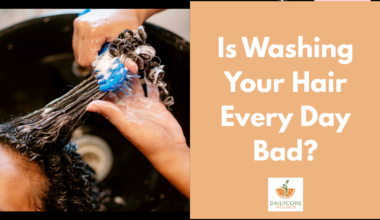
How Often Should You Wash Your Hair? Your hair wash is an important aspect of maintaining healthy hair and scalp balance. Hair washing routines are not universal, and the ideal frequency depends on several factors such as hair type, scalp oil production, lifestyle, and product usage. While some individuals benefit from frequent washing, others may experience dryness or damage if they cleanse their hair too often.
The question of how often you should wash your hair has become increasingly relevant as hair care science continues to evolve. Dermatologists and hair care professionals now emphasize scalp health, natural oil balance, and individualized care rather than rigid washing schedules. Overwashing can strip the scalp of its protective oils, while infrequent washing can lead to buildup, irritation, and dull hair.
Hair type plays a significant role in determining how often you should wash your hair. For example, individuals with oily scalps may need more frequent cleansing, whereas those with curly or coily hair often benefit from less frequent washing to preserve moisture. Environmental exposure, exercise habits, and styling routines also influence the optimal washing schedule.
Developing a personalized hair washing routine requires understanding your scalp condition, hair texture, and daily habits. When you learn how often you should wash your hair and apply the right strategies, you can maintain a healthy scalp environment, support stronger hair growth, and improve the overall appearance of your hair over time.
Factors That Influence How Often You Should Wash Your Hair
Determining how often you should wash your hair depends largely on scalp oil production, hair texture, and environmental conditions. The scalp produces natural oils called sebum, which help moisturize and protect the hair shaft. Individuals with naturally oily scalps often notice buildup or greasiness within a day or two, making more frequent washing beneficial. In contrast, people with dry scalps or thicker hair textures may maintain healthy hair with less frequent washing because natural oils travel more slowly down the hair strands.
Lifestyle factors also influence how often you should wash your hair. Individuals who exercise regularly, sweat heavily, or live in humid climates may need to wash their hair more frequently to remove sweat, dirt, and product buildup. On the other hand, people who use minimal styling products and experience little oil accumulation may find that washing their hair less often maintains better hydration and scalp balance.
Hair treatments and styling practices further impact washing frequency. Chemically treated hair, such as color-treated or relaxed hair, often requires gentler care and less frequent washing to preserve moisture and structural integrity. Additionally, frequent heat styling may necessitate specialized cleansing routines to remove product residue while preventing dryness. Recognizing these variables helps individuals develop a washing schedule that supports long-term hair health.
Benefits of Maintaining the Right Hair Washing Routine
Maintaining the proper washing frequency offers several benefits for both hair appearance and scalp health. When individuals understand how often they should wash their hair, they can preserve the scalp’s natural protective barrier. Balanced oil levels help keep hair soft, manageable, and less prone to breakage while preventing excessive dryness or irritation.
A consistent washing routine also helps remove environmental pollutants, sweat, and product residue that accumulate on the scalp. When these substances remain on the scalp for extended periods, they can clog hair follicles and contribute to scalp discomfort or flaking. Proper cleansing ensures that the scalp environment remains clean and supportive of healthy hair growth.
Another advantage of following the correct washing schedule is improved styling performance. Clean hair responds better to styling products and tools, allowing for smoother texture, increased volume, and longer-lasting hairstyles. Individuals who understand how often they should wash their hair often notice that their hair feels lighter, more manageable, and easier to maintain.
Over time, a balanced hair washing routine promotes stronger hair strands and reduces the likelihood of scalp conditions. Consistency allows the scalp to regulate oil production naturally, which supports healthier hair growth cycles and improved overall hair vitality.

Tips on Your Hair Wash, 3rd April 2026
1. Identify Your Hair Type Before Setting a Washing Schedule
Understanding your hair type is the first step in determining how often you should wash your hair. Hair types vary widely, ranging from straight and fine to thick, curly, or coily. Each hair structure affects how oils move from the scalp to the hair ends. Straight hair tends to distribute oils quickly, which can make it appear greasy sooner and require more frequent washing.
Curly and coily hair textures often retain moisture better and distribute scalp oils more slowly, allowing for longer intervals between washes. Identifying your hair density, texture, and porosity helps you determine the most effective cleansing schedule. When individuals align their washing routine with their hair type, they minimize dryness, reduce frizz, and maintain better overall hair health.
Evaluating your hair type also helps you select suitable shampoos and conditioning products that complement your washing frequency. This personalized approach allows you to support both scalp health and long-term hair strength.
2. Monitor Your Scalp’s Oil Production
Scalp oil production is one of the most important indicators of how often you should wash your hair. Sebum production varies among individuals due to genetics, hormones, diet, and environmental conditions. Some people naturally produce more oil, causing hair to feel greasy within 24 hours, while others may go several days without noticeable buildup.
Observing how your scalp behaves between washes can help you establish a realistic routine. If your hair appears flat, oily, or heavy quickly, you may benefit from washing every one to two days. Conversely, if your scalp remains comfortable and your hair maintains volume for several days, washing less frequently may help preserve natural moisture.
Learning to recognize early signs of excess oil or dryness allows you to adjust your washing schedule proactively. Maintaining this awareness ensures that your scalp environment remains balanced and healthy.
3. Consider Your Physical Activity Level
Physical activity significantly influences how often you should wash your hair. Exercise and intense workouts increase sweat production, which can accumulate on the scalp and hair strands. Sweat mixed with oil and environmental debris can create buildup that affects scalp comfort and hair freshness.
Individuals who exercise daily or participate in high-intensity workouts may benefit from washing their hair more frequently. However, it is not always necessary to use a full shampoo after every workout. In some cases, rinsing the hair with water or using a gentle cleansing product may help remove sweat without over-drying the scalp.
Balancing your washing routine with your activity level ensures that your scalp remains clean while protecting your hair from excessive cleansing. Maintaining this balance is essential for long-term scalp health and hair strength.
4. Adjust Washing Frequency Based on Climate
Climate conditions play a major role in determining how often you should wash your hair. In hot and humid environments, sweat and oil production often increase, leading to faster accumulation of residue on the scalp. Individuals living in these climates may find that more frequent washing keeps their hair fresh and manageable.
In cooler or drier climates, the scalp may produce less oil, and hair may retain moisture more effectively. Washing too frequently in such conditions can lead to dryness, irritation, or brittle strands. Adjusting your washing routine according to seasonal and environmental changes helps maintain the natural balance of your scalp.
By paying attention to climate-related factors, individuals can create a flexible washing schedule that protects hair health throughout the year while preventing unnecessary dryness or buildup.
5. Use Gentle, Sulfate-Free Shampoos
The type of shampoo you use can affect how often you should wash your hair. Harsh cleansing agents, particularly strong sulfates, can strip the scalp of natural oils and lead to dryness or irritation when used frequently. Switching to a gentle, sulfate-free shampoo allows for regular cleansing without disrupting the scalp’s protective barrier.
Gentle shampoos remove dirt, sweat, and product residue while preserving essential moisture. This helps maintain smoother hair texture and reduces the risk of breakage or split ends. When individuals use milder cleansing products, they often find that their hair remains healthy even with slightly more frequent washing.
Choosing high-quality hair care products is an important part of developing a balanced routine. Over time, gentle cleansing helps maintain a healthier scalp environment and stronger hair strands.
6. Avoid Overwashing Your Hair
Overwashing is a common mistake when trying to maintain hair cleanliness. Washing hair too frequently can strip away the natural oils that protect and hydrate the scalp and hair strands. When these oils are removed excessively, the scalp may respond by producing even more oil, leading to a cycle of dryness and greasiness.
Understanding how often you should wash your hair helps prevent this imbalance. Many individuals find that gradually extending the time between washes allows the scalp to regulate oil production more effectively. This adjustment period may take several weeks, but it often leads to healthier hair in the long term.
Reducing overwashing also minimizes exposure to heat styling and mechanical stress associated with frequent hair routines. This helps preserve hair strength, elasticity, and shine.
7. Incorporate Dry Shampoo When Necessary
Dry shampoo can be a useful tool when managing how often you should wash your hair. These products absorb excess oil at the roots and help refresh hair between washes, extending the life of your hairstyle. When used appropriately, dry shampoo can reduce the need for frequent cleansing while maintaining a clean appearance.
However, dry shampoo should not replace regular hair washing entirely. Product buildup can accumulate on the scalp if dry shampoo is used excessively without proper cleansing. Instead, it should serve as a temporary solution on days when washing is not convenient.
Using dry shampoo strategically helps maintain volume and freshness while allowing the scalp to retain its natural oils. This balanced approach supports healthier hair care routines.
8. Pay Attention to Product Buildup
Hair styling products such as gels, creams, sprays, and serums can accumulate on the scalp and hair strands over time. This buildup may cause hair to appear dull, heavy, or difficult to style. Monitoring product use is essential when determining how often you should wash your hair.
Individuals who rely heavily on styling products may require more frequent cleansing to maintain scalp clarity. Clarifying shampoos can occasionally help remove stubborn residue, though they should be used sparingly to prevent dryness.
Maintaining awareness of product buildup allows you to adjust your washing schedule effectively. By removing excess residue regularly, you create a healthier scalp environment and ensure that your hair remains lightweight and manageable.
9. Protect Moisture With Proper Conditioning
Conditioning is an essential part of any hair washing routine. When determining how often you should wash your hair, it is equally important to ensure that each wash includes proper moisture restoration. Conditioners help smooth the hair cuticle, reduce tangling, and protect hair strands from environmental stress.
Applying conditioner primarily to the mid-lengths and ends prevents dryness without overloading the scalp with product. This targeted application helps maintain softness and elasticity while keeping the scalp balanced.
Consistent conditioning also improves hair manageability and reduces the risk of breakage. By pairing effective conditioning with the right washing frequency, individuals can maintain stronger, healthier hair over time.
10. Develop a Consistent Hair Care Routine
Consistency is one of the most important factors in achieving long-term hair health. Once you determine how often you should wash your hair based on your scalp condition and lifestyle, maintaining that routine helps regulate oil production and strengthen the hair structure.
Sudden or frequent changes in washing habits can disrupt scalp balance and lead to dryness or excessive oiliness. Establishing a steady schedule allows your scalp to adapt and function naturally. Over time, this stability contributes to improved hair texture, shine, and resilience.
A consistent hair care routine also allows you to monitor how your hair responds to different products and environmental factors. This awareness enables you to make gradual adjustments that support sustainable, healthy hair maintenance.
11. Understand the Needs of Color-Treated Hair
Color-treated hair requires special attention when deciding how often to wash your hair. Hair coloring processes can weaken the hair shaft and reduce moisture retention, making strands more vulnerable to dryness and breakage. Washing too frequently can cause the color to fade faster while stripping away essential oils that protect the hair structure.
Most professionals recommend washing color-treated hair two to three times per week rather than daily. Using shampoos specifically designed for color protection helps preserve vibrancy while minimizing damage. These products are formulated to cleanse gently without aggressively removing pigment from the hair strands.
Maintaining proper hydration is also essential for dyed hair. Regular conditioning and occasional deep treatments help restore moisture lost during the coloring process. By adjusting your washing frequency and using protective products, you can extend the lifespan of your hair color while maintaining overall hair strength and health.
12. Adapt Your Routine for Curly and Coily Hair
Curly and coily hair textures typically require a different washing schedule compared to straight hair. Because natural oils travel more slowly down the spiral structure of these hair types, curls often remain drier and benefit from less frequent washing. Understanding how often you should wash your hair is especially important for maintaining curl definition and preventing excessive dryness.
Many individuals with curly or coily hair wash their hair once or twice per week. This schedule allows natural oils to moisturize the hair while reducing frizz and breakage. Co-washing, which involves cleansing with conditioner instead of shampoo, is also commonly used to maintain hydration between traditional washes.
Moisture retention remains the priority for textured hair. Deep conditioning, leave-in conditioners, and protective styling techniques can complement a reduced washing frequency. When combined with proper scalp care, these practices help maintain healthy curls while preventing dryness and structural damage.
13. Evaluate Hair Thickness and Density
Hair thickness and density also influence how often you should wash your hair. Fine hair tends to become oily more quickly because the natural oils produced by the scalp spread easily along thinner strands. As a result, individuals with fine hair may notice that their hair appears greasy sooner and may require more frequent washing.
Thicker or denser hair often absorbs oils more gradually, allowing individuals to extend the time between washes without experiencing excessive buildup. However, thick hair may also trap styling products or environmental debris, making occasional deep cleansing important.
Understanding your hair’s density and strand thickness helps you create a balanced washing routine. Fine hair may benefit from lighter products and more frequent cleansing, while thicker hair often requires richer conditioners and slightly less frequent washing. Tailoring your routine based on these characteristics supports healthier, more manageable hair.
14. Protect Your Hair From Environmental Pollutants
Environmental factors such as pollution, dust, and airborne particles can accumulate on the scalp and hair strands throughout the day. These pollutants may weaken the hair structure, dull its appearance, and irritate the scalp if they are not removed regularly. This is another factor to consider when determining how often you should wash your hair.
Individuals who spend significant time outdoors or in urban environments may require slightly more frequent washing to remove environmental residue. However, it remains important to use gentle shampoos that cleanse effectively without stripping essential oils from the scalp.
Protective hairstyles, hats, and scarves can also help reduce exposure to pollutants. Combining these protective strategies with a well-balanced washing routine helps maintain a healthier scalp environment while preserving hair strength and shine over time.
15. Avoid Excessive Heat Styling Between Washes
Heat styling tools such as blow dryers, curling irons, and straighteners can influence how often you should wash your hair. Frequent heat styling can dry out the hair shaft and increase the likelihood of breakage or split ends. Washing hair too frequently often leads to repeated heat styling, which compounds the risk of damage.
Reducing heat exposure between washes helps protect the hair structure and preserve natural moisture. Many individuals choose to air-dry their hair whenever possible or use lower heat settings to minimize damage. Heat protectant products also provide an additional barrier that helps maintain hair strength.
By combining moderate washing frequency with reduced heat styling, individuals can protect the integrity of their hair strands. Over time, this approach contributes to stronger, smoother hair with improved resilience.
16. Pay Attention to Scalp Health Signals
Your scalp often provides clear signals about whether your washing routine is appropriate. Observing these signs helps determine how often you should wash your hair and whether adjustments are necessary. Symptoms such as itching, flaking, or excessive oiliness may indicate that your current routine requires modification.
A healthy scalp should feel clean and comfortable without persistent dryness or buildup. If your scalp feels tight or irritated shortly after washing, you may be cleansing too frequently or using overly harsh products. On the other hand, persistent oiliness or unpleasant odor may suggest the need for more regular washing.
Listening to these signals allows you to refine your routine gradually. When you respond appropriately to your scalp’s needs, you support healthier hair growth and maintain a balanced scalp environment.
17. Use Clarifying Treatments Occasionally
Clarifying treatments can be a valuable addition when managing how often you should wash your hair. Over time, hair care products, minerals from hard water, and environmental debris can accumulate on the scalp and hair strands. This buildup may cause hair to appear dull, heavy, or difficult to style.
Clarifying shampoos are specifically formulated to remove stubborn residue that regular shampoos may leave behind. However, they should not be used too frequently because their deep-cleansing properties can strip natural oils if overused. Most individuals benefit from clarifying treatments once every two to four weeks.
Incorporating occasional clarifying washes helps reset the scalp and improve the effectiveness of conditioning products. When used strategically, these treatments support a healthier scalp environment and enhance the overall appearance of your hair.
18. Consider Age-Related Changes in Hair and Scalp
Age can influence how often you should wash your hair because oil production and hair structure change over time. Younger individuals, particularly teenagers and young adults, often experience higher sebum production due to hormonal activity. This can lead to faster oil accumulation and may require more frequent washing.
As people age, the scalp often produces less oil, and hair strands may become drier or more fragile. In these cases, washing less frequently can help preserve moisture and prevent unnecessary stress on the hair.
Understanding these age-related changes allows individuals to adjust their hair care routine accordingly. By adapting washing frequency throughout different life stages, it becomes easier to maintain healthy hair and scalp conditions over the long term.
19. Balance Washing With Proper Scalp Massage
Scalp massage is an effective practice that can complement a well-balanced washing routine. Gentle massage during shampooing helps stimulate blood circulation to the hair follicles and assists in removing dirt and oil buildup. This technique can improve scalp health while supporting stronger hair growth.
When considering how often you should wash your hair, incorporating proper scalp massage can enhance the cleansing process without requiring additional washing days. Using your fingertips to massage the scalp in circular motions distributes shampoo evenly and helps loosen debris.
Regular scalp massage also promotes relaxation and encourages natural oil distribution along the hair strands. When practiced consistently, it contributes to improved scalp vitality and healthier hair over time.
20. Maintain Long-Term Consistency in Hair Care
The most effective strategy when determining how often you should wash your hair is maintaining long-term consistency. Hair and scalp health develop gradually, and frequent changes in washing habits can disrupt natural oil regulation. Establishing a routine that suits your hair type and lifestyle allows your scalp to adapt and function efficiently.
Consistency also helps you evaluate how different products and environmental conditions affect your hair. By following a steady routine, you can observe patterns and make gradual adjustments that improve overall results.
Over time, maintaining a stable washing schedule supports stronger hair strands, balanced oil production, and improved scalp comfort. This disciplined approach ensures that your hair care practices contribute to sustainable, long-term hair health.
Conclusion
Determining how often you should wash your hair is not a one-size-fits-all decision. Hair type, scalp oil production, climate conditions, and daily activities all play important roles in shaping an effective washing routine. Understanding these factors allows individuals to make informed choices that support scalp health and hair strength.
Establishing the right washing frequency helps preserve the scalp’s natural protective oils while preventing the accumulation of sweat, dirt, and styling products. When individuals find a balanced routine, they often notice improvements in hair texture, shine, and manageability. This balance is essential for maintaining both the appearance and structural integrity of hair over time.
Consistency is the foundation of effective hair care. Once you determine how often you should wash your hair, maintaining a steady routine allows the scalp to regulate oil production naturally. Gradual adjustments and mindful product selection further enhance the benefits of a personalized hair care approach.
Long-term hair health is achieved through patience, observation, and consistency. By developing a routine that aligns with your hair type and lifestyle, you create a sustainable strategy that promotes stronger strands, healthier scalp conditions, and improved overall hair vitality.
Share this:
- Share on Facebook (Opens in new window) Facebook
- Share on X (Opens in new window) X
- Share on WhatsApp (Opens in new window) WhatsApp
- Share on Threads (Opens in new window) Threads
- Share on LinkedIn (Opens in new window) LinkedIn
- Share on Telegram (Opens in new window) Telegram
- Email a link to a friend (Opens in new window) Email
- Share on Pinterest (Opens in new window) Pinterest