Cancer is one of the leading causes of death worldwide, but many types of cancer can be prevented through lifestyle and dietary choices. Understanding how to prevent cancer is essential for reducing risk factors and promoting long-term wellness. Making informed decisions about nutrition, exercise, and environmental exposures can significantly impact your overall health.
Diet plays a central role in cancer prevention. Foods rich in antioxidants, fiber, and essential vitamins and minerals help protect cells from oxidative stress, reduce inflammation, and support the immune system. A plant-forward diet with limited processed foods has been linked to lower cancer risk.
Regular physical activity and maintaining a healthy weight are also key to cancer prevention. Exercise regulates hormones, improves circulation, supports immune function, and helps maintain a healthy metabolism, all of which contribute to reducing cancer risk.
Avoiding tobacco, limiting alcohol, and minimizing exposure to environmental toxins further strengthen cancer prevention efforts. Combining these strategies creates a holistic approach that reduces risk, protects the body, and promotes long-term health and wellness.
Lifestyle Habits to Reduce Cancer Risk
Maintaining a healthy lifestyle is one of the most effective ways to prevent cancer. Regular physical activity helps regulate hormones such as insulin and estrogen, which can contribute to cancer growth when levels are imbalanced. Exercise also boosts the immune system, improving the body’s ability to detect and destroy abnormal cells.
Avoiding tobacco use is crucial, as smoking and other tobacco products are responsible for the majority of lung cancers and contribute to cancers of the mouth, throat, and bladder. Reducing alcohol consumption is also important, as excessive intake increases the risk of liver, breast, and esophageal cancers.
Maintaining a healthy weight is another critical factor. Obesity is linked to increased risks for several cancers, including breast, colon, and pancreatic cancers. Weight management through diet and exercise can lower these risks substantially.
Additionally, minimizing exposure to environmental toxins, including air pollution, industrial chemicals, and ultraviolet (UV) radiation from the sun, can reduce the risk of developing cancer. Using sun protection and reducing contact with harmful chemicals is an evidence-based approach to prevention.
Nutritional Strategies for Cancer Prevention
A diet rich in fruits, vegetables, whole grains, and legumes provides antioxidants, vitamins, minerals, and phytochemicals that protect cells from damage. Foods high in vitamin C, vitamin E, selenium, and carotenoids neutralize free radicals that can lead to DNA mutations and cancer development.
Cruciferous vegetables such as broccoli, cauliflower, and Brussels sprouts contain glucosinolates, compounds that support liver detoxification and protect against certain cancers. Similarly, foods rich in fiber, such as beans, oats, and whole grains, promote healthy digestion and reduce colorectal cancer risk.
Limiting processed and red meats is recommended, as these foods are associated with higher risks of colorectal and stomach cancers. Replacing them with plant-based proteins and lean meats supports overall health and reduces carcinogen exposure.
Healthy fats, such as those from olive oil, nuts, and fatty fish, also play a role in cancer prevention by reducing inflammation and supporting immune function. Incorporating these foods regularly contributes to a nutrient-rich, protective diet.
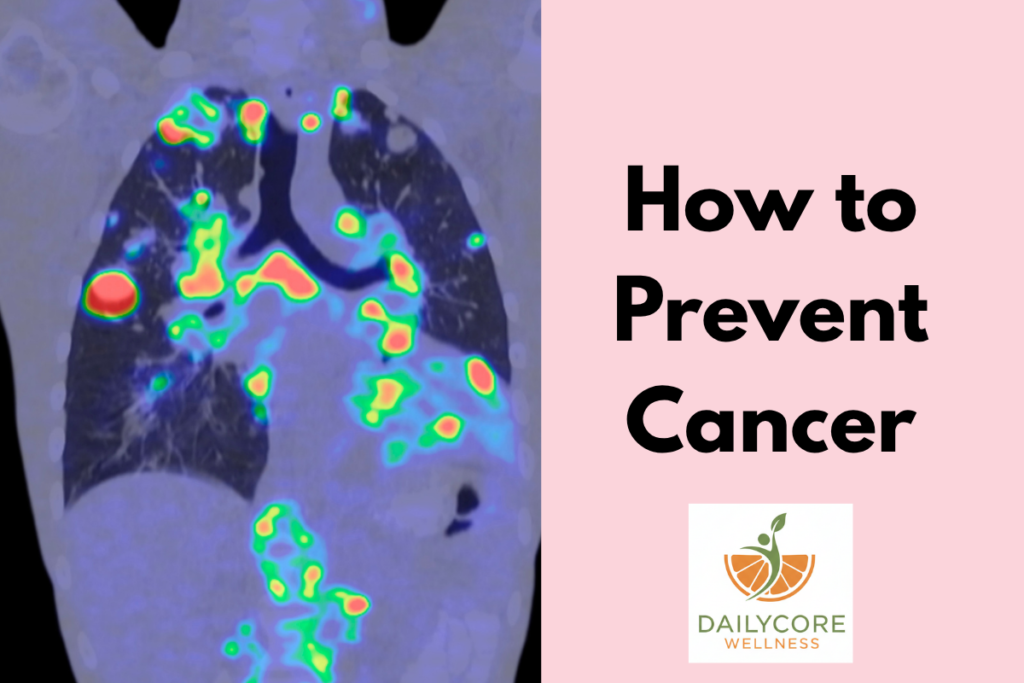
Best Practices for Daily Cancer Prevention, 2026
1. Eat a Plant-Forward Diet
A plant-forward diet focuses on fruits, vegetables, whole grains, legumes, nuts, and seeds, all of which are rich in antioxidants, fiber, and phytochemicals. These nutrients help neutralize free radicals, reduce inflammation, and protect DNA from damage that can lead to cancer. Consuming a variety of colorful plant foods ensures a broad spectrum of protective compounds. This dietary pattern has been associated with reduced risks of colorectal, breast, and lung cancers. Incorporating plant-based meals into your daily routine, such as vegetable-rich soups, salads, and grain bowls, supports long-term health. Consistency in choosing whole, minimally processed plant foods provides a strong foundation for effective, evidence-based cancer prevention.
2. Maintain a Healthy Weight
Maintaining a healthy body weight is essential for reducing the risk of several cancers, including breast, colorectal, and pancreatic cancers. Excess body fat can increase inflammation and disrupt hormone levels, particularly insulin and estrogen, which may promote cancer development. A balanced diet combined with regular physical activity helps regulate metabolism and maintain a healthy weight. Monitoring portion sizes and avoiding excessive intake of high-calorie, processed foods also plays a role. Sustainable weight management strategies, rather than extreme dieting, are more effective for long-term health. By prioritizing consistent, healthy habits, individuals can significantly reduce cancer risk and support overall physical well-being.
3. Engage in Regular Physical Activity
Regular physical activity plays a critical role in cancer prevention by improving immune function, reducing inflammation, and regulating hormones. Exercise helps control body weight and lowers levels of insulin and estrogen, which are linked to cancer development when elevated. Engaging in at least 150 minutes of moderate-intensity activity per week, such as brisk walking, cycling, or swimming, is recommended. Strength training also supports muscle health and metabolic function. Incorporating movement into daily routines, such as taking the stairs or walking regularly, enhances consistency. Over time, regular exercise contributes to lower cancer risk and improved overall health and longevity.
4. Avoid Tobacco in All Forms
Avoiding tobacco is one of the most important steps in cancer prevention. Smoking and tobacco use are directly linked to cancers of the lungs, mouth, throat, esophagus, bladder, and more. Even exposure to secondhand smoke increases cancer risk. Quitting tobacco at any stage significantly improves health outcomes and reduces the likelihood of cancer development. Support systems, counseling, and cessation programs can aid in quitting successfully. Eliminating tobacco use not only lowers cancer risk but also improves cardiovascular and respiratory health. Committing to remain tobacco-free is a powerful and evidence-based strategy for long-term disease prevention.
5. Limit Alcohol Consumption
Excessive alcohol intake is associated with an increased risk of several cancers, including liver, breast, esophageal, and colorectal cancers. Alcohol can damage DNA, increase oxidative stress, and disrupt hormone balance, contributing to cancer development. Limiting intake or avoiding alcohol altogether is recommended for optimal health. For those who choose to drink, moderation is key. Replacing alcoholic beverages with water, herbal teas, or other non-alcoholic options can support healthier habits. Over time, reducing alcohol consumption contributes to improved liver function, better metabolic health, and a lower overall risk of cancer.
6. Protect Your Skin from UV Radiation
Exposure to ultraviolet (UV) radiation from the sun or tanning beds is a major risk factor for skin cancer. Protecting the skin by using sunscreen with adequate SPF, wearing protective clothing, and seeking shade during peak sunlight hours helps reduce this risk. Regular skin checks for unusual moles or changes can also support early detection. Avoiding excessive sun exposure, especially during midday hours, is essential for long-term protection. Consistent sun safety practices help preserve skin health and significantly reduce the likelihood of developing skin cancer over time.
7. Prioritize Quality Sleep
Adequate sleep is essential for maintaining a healthy immune system and regulating hormones that influence cancer risk. Poor sleep patterns can disrupt circadian rhythms, increase inflammation, and weaken the body’s ability to repair damaged cells. Adults should aim for 7–9 hours of quality sleep each night. Establishing a consistent sleep schedule, reducing screen time before bed, and creating a restful environment can improve sleep quality. Over time, prioritizing sleep supports overall health, enhances immune function, and contributes to long-term cancer prevention as part of a balanced lifestyle.
8. Stay Hydrated
Proper hydration supports essential bodily functions, including detoxification, digestion, and nutrient transport. Drinking adequate water helps flush toxins from the body and supports kidney and liver function, which play roles in eliminating harmful substances. Hydration also contributes to maintaining healthy skin and cellular function. Replacing sugary beverages with water reduces excess calorie intake and helps maintain a healthy weight. Making hydration a daily habit supports overall metabolic health and complements other cancer prevention strategies. Consistent fluid intake is a simple yet effective way to promote long-term wellness.
9. Reduce Exposure to Environmental Toxins
Minimizing exposure to harmful environmental toxins is an important aspect of cancer prevention. Chemicals found in pollution, pesticides, household products, and industrial environments can increase cancer risk over time. Choosing natural or low-toxicity products, washing fruits and vegetables thoroughly, and ensuring proper ventilation in living spaces can help reduce exposure. Using protective equipment when necessary and staying informed about environmental risks also contribute to prevention. Taking proactive steps to limit contact with carcinogens supports long-term health and reduces the cumulative impact of toxic exposures on the body.
10. Manage Stress Effectively
Chronic stress can weaken the immune system, increase inflammation, and disrupt hormonal balance, all of which may contribute to cancer risk over time. Managing stress through techniques such as mindfulness, meditation, exercise, and deep breathing supports overall health. Engaging in relaxing activities, maintaining social connections, and setting healthy boundaries can also improve mental well-being. Developing consistent stress-management habits helps the body maintain balance and resilience. Over time, reducing stress contributes to improved immune function, better overall health, and a lower risk of chronic diseases, including cancer.
11. Eat Fiber-Rich Foods Daily
A diet high in fiber supports digestive health and reduces the risk of colorectal cancer. Fiber helps bind toxins and potential carcinogens in the digestive tract, promoting their elimination. It also supports a healthy gut microbiome, which plays a role in immune function and inflammation control. Foods such as whole grains, fruits, vegetables, legumes, and seeds are excellent sources of dietary fiber. Including these foods in daily meals improves digestion, stabilizes blood sugar, and supports long-term health. Consistent intake of fiber-rich foods is a practical, evidence-based strategy for reducing cancer risk and maintaining optimal wellness.
12. Choose Healthy Cooking Methods
The way food is prepared can influence cancer risk. Cooking methods such as grilling, frying, or charring at high temperatures can produce harmful compounds linked to cancer. Healthier cooking methods include steaming, boiling, baking, and sautéing at moderate temperatures. Using herbs and spices instead of excessive oils or processed sauces enhances flavor while maintaining nutritional quality. Choosing proper cooking techniques helps preserve nutrients and minimize exposure to carcinogens. Over time, adopting safer cooking practices contributes to a healthier diet and supports long-term cancer prevention efforts.
13. Increase Antioxidant Intake
Antioxidants play a crucial role in protecting cells from oxidative stress and DNA damage. Consuming foods rich in vitamins C and E, selenium, and phytochemicals helps neutralize free radicals that can lead to cancer development. Fruits, vegetables, nuts, seeds, and whole grains are excellent sources of antioxidants. A varied diet with colorful produce ensures a broad spectrum of protective compounds. Regular intake of antioxidant-rich foods supports immune function, reduces inflammation, and enhances cellular repair. This consistent nutritional approach contributes to a lower risk of cancer and improved overall health.
14. Get Regular Health Screenings
Early detection plays a significant role in reducing cancer mortality. Regular health screenings, such as mammograms, colonoscopies, and blood tests, help identify abnormalities before they develop into advanced cancer. Screening recommendations vary by age, gender, and risk factors, so consulting healthcare professionals is important. Staying proactive with medical checkups ensures timely intervention and improved treatment outcomes. Incorporating routine screenings into your healthcare plan is an essential component of cancer prevention, providing peace of mind and supporting long-term health.
15. Practice Safe Food Storage
Improper food storage can lead to the growth of harmful bacteria and toxins that may increase cancer risk. For example, mold-contaminated foods can produce aflatoxins, which are linked to liver cancer. Storing food at appropriate temperatures, avoiding spoiled items, and maintaining kitchen hygiene are essential practices. Refrigerating perishable foods promptly and using clean containers reduce contamination risks. Proper food handling ensures food safety, protects against harmful exposures, and supports overall health. Developing consistent food storage habits is a simple yet effective strategy for cancer prevention.
16. Limit Red and Processed Meat
High consumption of red and processed meats has been associated with an increased risk of colorectal and stomach cancers. These foods may contain compounds formed during processing or high-temperature cooking that contribute to cancer development. Reducing intake and replacing these proteins with plant-based options, fish, or lean poultry supports overall health. Including legumes, nuts, and whole grains as protein sources provides additional fiber and nutrients. Moderating red meat consumption is a practical, evidence-based step toward reducing cancer risk and promoting long-term wellness.
17. Strengthen Your Immune System
A strong immune system helps detect and eliminate abnormal cells before they develop into cancer. Supporting immune health involves proper nutrition, regular exercise, adequate sleep, and stress management. Foods rich in vitamins A, C, D, and zinc enhance immune function, while hydration supports cellular processes. Maintaining a balanced lifestyle ensures the body’s defense systems operate effectively. Over time, strengthening immune health reduces vulnerability to chronic diseases, including cancer, and contributes to overall well-being and resilience.
18. Avoid Excessive Sugar Intake
High sugar consumption contributes to obesity, inflammation, and insulin resistance, all of which are linked to increased cancer risk. Reducing sugary beverages, desserts, and processed foods helps maintain healthy weight and metabolic balance. Replacing refined sugars with natural alternatives such as fruits supports nutrient intake while minimizing risk. Monitoring sugar intake also helps regulate energy levels and supports overall health. Consistently limiting sugar consumption is an effective, evidence-based strategy for reducing cancer risk and promoting long-term metabolic health.
19. Stay Physically Active Throughout the Day
In addition to structured exercise, staying active throughout the day helps reduce cancer risk. Prolonged sitting has been associated with increased risk of certain cancers, even in individuals who exercise regularly. Incorporating movement into daily routines, such as walking, stretching, or standing breaks, supports metabolism and circulation. Small changes like using stairs, walking during breaks, and reducing sedentary time improve overall health. Maintaining an active lifestyle consistently enhances immune function, regulates hormones, and contributes to long-term cancer prevention.
20. Build Strong Social Connections
Strong social relationships contribute to better mental health, reduced stress, and improved immune function, all of which play a role in cancer prevention. Social support encourages healthy behaviors, provides emotional stability, and reduces the impact of chronic stress on the body. Engaging with family, friends, and community activities promotes overall well-being. Maintaining meaningful connections helps individuals stay motivated in adopting healthy habits. Over time, strong social bonds support resilience, enhance quality of life, and contribute to a holistic approach to long-term health and cancer prevention.
Conclusion
Preventing cancer requires a comprehensive approach that combines healthy dietary choices, regular physical activity, and mindful lifestyle habits. Consuming a variety of nutrient-dense foods, including fruits, vegetables, whole grains, legumes, nuts, and fermented foods, provides antioxidants, fiber, and bioactive compounds that protect cells from DNA damage, reduce inflammation, and support immune function. These evidence-based strategies contribute to long-term cancer prevention and overall wellness.
Consistency is essential when implementing cancer-preventive habits. Regularly incorporating these foods, maintaining a healthy weight, staying physically active, limiting alcohol, and avoiding tobacco creates an environment in the body that reduces carcinogenic risk factors. Small, sustainable changes over time provide the greatest long-term benefit.
A holistic approach also includes protecting the body from environmental exposures, such as UV radiation, toxins, and pollutants, while prioritizing sleep, stress management, and gut health. Combining these practices strengthens overall cellular function and reduces the risk of developing cancer.
Adopting these strategies empowers individuals to take control of their health proactively. By making informed choices, embracing nutrient-rich foods, and practicing preventive lifestyle habits, it is possible to reduce cancer risk, enhance immune function, and support long-term wellness. A consistent, evidence-based approach provides lasting benefits for both cancer prevention and overall quality of life.