Healthy nails are an important part of overall wellness, yet many people struggle with brittle, weak, or easily broken nails. Learning how to strengthen nails is essential for maintaining their durability, appearance, and long-term health. Nails are made primarily of keratin, a protein that requires proper care, nutrition, and protection to remain strong and resilient.
Understanding how to strengthen nails involves more than simply applying nail products. The condition of your nails often reflects internal health, hydration levels, and lifestyle habits. Poor nutrition, excessive exposure to water, harsh chemicals, and frequent use of nail cosmetics can weaken the nail structure over time.
Many individuals experience nail splitting, peeling, or slow growth without realizing that small daily habits play a major role in nail strength. By adopting consistent nail care routines and improving overall health practices, it becomes possible to rebuild nail integrity and reduce breakage significantly.
This guide explains how to strengthen nails using evidence-based habits that support healthy growth and structural durability. From dietary improvements to proper nail care techniques, the following strategies can help you achieve stronger, healthier nails while preventing common causes of nail damage.
Understanding the Causes of Weak and Brittle Nails
Weak nails rarely occur without an underlying reason. In many cases, brittle nails develop due to repeated exposure to environmental stressors, dehydration, or nutritional deficiencies. When nails lose moisture or protein support, they become thin, fragile, and prone to splitting.
Frequent hand washing, harsh detergents, nail polish removers containing acetone, and constant moisture exposure can disrupt the nail’s natural balance. These factors gradually strip protective oils from the nail plate, causing it to weaken over time. Individuals who regularly perform household cleaning or manual tasks without hand protection often experience these issues more frequently.
Another common cause involves insufficient intake of essential nutrients. Vitamins and minerals such as biotin, iron, zinc, and protein are necessary for keratin production. Without adequate nutritional support, nail growth slows, and the nail plate becomes more vulnerable to damage.
Understanding these causes is an essential step in learning how to strengthen nails. Once the root problems are identified, targeted lifestyle adjustments and protective habits can help restore nail resilience and encourage healthier nail growth.
Daily Habits That Support Strong Nail Growth
Developing healthy daily habits plays a critical role in strengthening nails and preventing recurring damage. Nail health improves significantly when individuals focus on both internal nutrition and external care practices that support keratin structure.
Proper hydration is one of the most overlooked factors in nail health. Nails require consistent moisture to remain flexible and resistant to cracking. Drinking sufficient water and using moisturizing hand creams helps maintain the nail plate’s elasticity and reduces brittleness.
Additionally, protective habits help prevent structural stress on nails. Wearing gloves during household cleaning, avoiding excessive filing, and limiting exposure to strong chemicals protect the nail surface from weakening. Gentle nail care practices help preserve the natural integrity of the nail plate.
Consistency is the key factor in strengthening nails. Small improvements in diet, hydration, and daily nail care accumulate over time to produce stronger, healthier nails. With disciplined habits, it is possible to transform fragile nails into durable ones that resist breakage and grow more effectively.
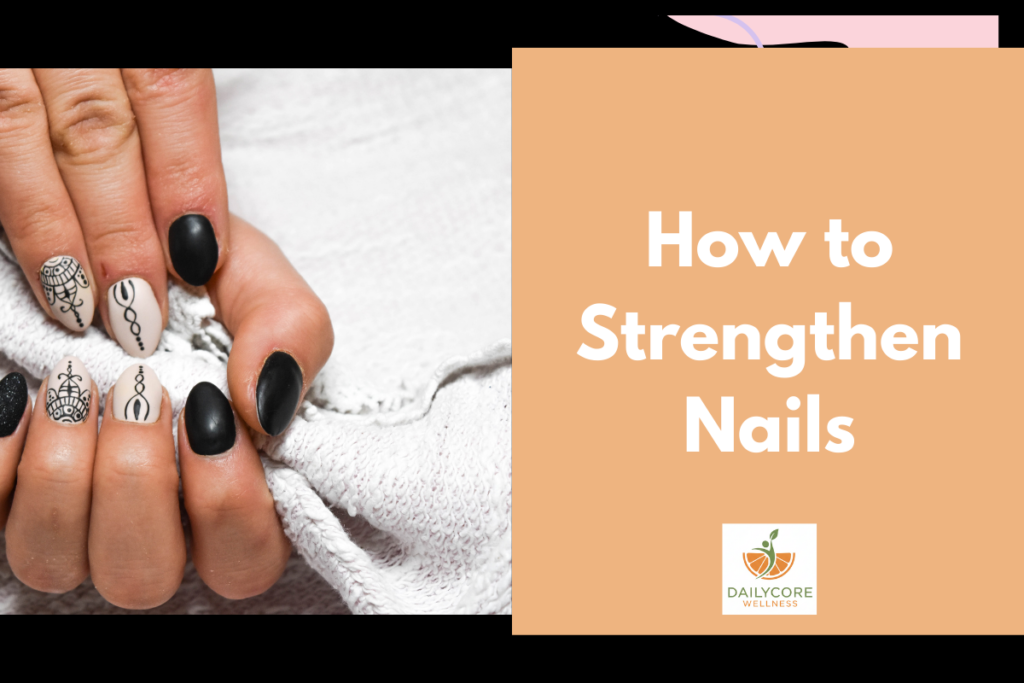
30 Proven Tips on How to Strengthen Nails Naturally
1. Increase Your Protein Intake
Protein plays a central role in nail structure because nails are primarily composed of keratin, a fibrous protein. Individuals seeking to learn how to strengthen nails must prioritize adequate protein consumption to support nail growth and durability. Without sufficient dietary protein, the body cannot produce the keratin required for strong nail formation.
Foods such as eggs, lean meats, fish, beans, lentils, and dairy products provide essential amino acids necessary for keratin synthesis. When the body receives a consistent supply of these nutrients, nail growth becomes more stable and less prone to brittleness or splitting.
Incorporating protein-rich meals throughout the day supports continuous nail regeneration. Over time, improved protein intake helps reinforce nail structure, allowing nails to grow thicker, stronger, and more resistant to daily stress and environmental damage.
2. Stay Properly Hydrated
Hydration is often overlooked when discussing how to strengthen nails, yet water plays a vital role in maintaining nail flexibility and strength. Dehydrated nails become dry, rigid, and more susceptible to cracking or peeling. Maintaining adequate fluid intake helps preserve the moisture balance necessary for healthy nails.
Drinking sufficient water throughout the day supports overall cellular function, including nail growth. When the body is well hydrated, nutrients circulate more effectively to the nail matrix, the area responsible for nail production.
Additionally, applying moisturizing hand creams and nail oils can help prevent external moisture loss. This combination of internal hydration and external care ensures that nails remain flexible and less prone to damage, ultimately contributing to stronger and healthier nail growth.
3. Consume Biotin-Rich Foods
Biotin, also known as vitamin B7, is widely recognized for its role in strengthening hair and nails. Individuals researching how to strengthen nails often discover that biotin supports keratin infrastructure and improves nail thickness over time.
Foods rich in biotin include eggs, nuts, seeds, sweet potatoes, and whole grains. Regular consumption of these foods provides the body with the nutrients needed to support healthy nail production. Biotin contributes to improved nail hardness and reduces the likelihood of splitting or peeling.
Consistent dietary intake of biotin-rich foods allows the nail matrix to produce stronger keratin layers. While improvements may take several weeks to become visible, long-term nutritional support significantly enhances nail durability and resilience.
4. Protect Nails from Excessive Water Exposure
Although hydration is important internally, excessive external water exposure can weaken nails. Repeated soaking softens the nail plate and disrupts its structural integrity, making nails more vulnerable to bending and breakage.
Individuals who frequently wash dishes, clean surfaces, or work with water should consider wearing protective gloves. This simple habit prevents prolonged moisture exposure that gradually damages the nail surface.
Additionally, drying hands thoroughly after washing helps maintain a balanced moisture level. When nails remain protected from repeated water stress, their natural strength improves, allowing them to grow with greater stability and reduced risk of splitting.
5. Limit Harsh Nail Products
Many nail cosmetics contain chemicals that can weaken the nail plate when used excessively. Strong acetone-based removers, certain adhesives, and low-quality nail polishes may strip protective oils from nails, leading to dryness and brittleness.
Reducing the frequency of these products helps protect the natural nail structure. When nail polish is used, selecting gentler formulas and non-acetone removers can minimize damage while still allowing for cosmetic enhancement.
Giving nails regular breaks from polish and artificial treatments allows them to recover and rebuild strength naturally. Over time, minimizing harsh product exposure plays a significant role in maintaining stronger, healthier nails.
6. Keep Nails Properly Trimmed
Maintaining an appropriate nail length is an effective way to prevent breakage and structural stress. Long nails are more likely to bend, snag, or crack during daily activities. Keeping nails trimmed reduces pressure on the nail plate and prevents accidental damage.
Using high-quality nail clippers and filing nails gently in one direction helps maintain a smooth edge without causing micro-tears. These small tears can weaken nails and contribute to splitting over time.
Regular trimming encourages controlled growth and keeps nails in optimal condition. When nails are properly maintained, they are better able to resist environmental stress and maintain structural strength.
7. Moisturize Nails and Cuticles Regularly
The nail plate and surrounding cuticles require consistent moisture to remain healthy. Dry cuticles can lead to nail brittleness and increase the likelihood of breakage or peeling.
Applying moisturizing creams, natural oils, or specialized nail treatments helps maintain the protective barrier around the nail. This barrier prevents moisture loss and supports healthy nail growth from the matrix.
Regular cuticle care also improves circulation around the nail bed, which promotes nutrient delivery to developing nail cells. Over time, consistent moisturizing supports stronger nail formation and enhances overall nail resilience.
8. Avoid Using Nails as Tools
One of the most common causes of nail breakage is using nails to perform tasks such as opening containers, scraping labels, or picking at objects. These habits place excessive mechanical stress on the nail plate.
Treating nails as delicate structures rather than tools helps preserve their integrity. Using appropriate tools for tasks that require pressure prevents unnecessary strain on the nail surface.
By minimizing mechanical damage, nails are able to grow uninterrupted and maintain their structural strength. This simple behavioral adjustment can significantly reduce breakage and contribute to healthier nails.
9. Improve Overall Nutrition
Nail strength depends on a balanced intake of vitamins and minerals that support keratin production and cellular health. Nutrients such as iron, zinc, vitamin E, and omega-3 fatty acids play important roles in maintaining nail integrity.
Consuming a nutrient-dense diet that includes vegetables, fruits, lean proteins, nuts, seeds, and whole grains ensures that the body receives the building blocks needed for healthy nail development.
When nutritional needs are met consistently, the nail matrix produces stronger, thicker nails. This improved nutritional foundation contributes to long-term nail resilience and supports steady nail growth.
10. Be Consistent with Nail Care Habits
Consistency is the most important factor in learning how to strengthen nails. Occasional treatments or short-term changes rarely produce lasting improvements. Nail health improves gradually when proper habits are maintained over time.
Establishing a routine that includes balanced nutrition, protective measures, hydration, and gentle nail care allows nails to recover from previous damage. Because nails grow slowly, it may take several weeks or months to notice significant changes.
However, individuals who maintain consistent care practices often experience stronger, smoother nails with reduced breakage. Long-term commitment to healthy nail habits ultimately produces the most reliable and sustainable results.
11. Maintain a Balanced Vitamin Intake
Balanced vitamin intake plays a crucial role in maintaining nail health and preventing brittleness. Vitamins such as A, C, D, and E support cellular repair, collagen production, and tissue protection, all of which contribute to stronger nails. Individuals researching how to strengthen nails often overlook the importance of maintaining adequate vitamin levels through a nutrient-rich diet.
Vitamin C supports collagen formation, which strengthens the tissues surrounding the nail bed. Vitamin E acts as an antioxidant that protects nail cells from oxidative damage, while vitamin A assists in proper cell growth and repair. Together, these nutrients support the nail matrix, the area responsible for producing new nail cells.
Consuming a variety of fruits, vegetables, whole grains, and healthy fats ensures the body receives the vitamins needed for healthy nail growth. Over time, consistent vitamin intake strengthens nail structure and reduces the likelihood of splitting or slow nail growth.
12. Avoid Excessive Nail Filing
Proper nail filing can help maintain shape and prevent snagging, but excessive or aggressive filing weakens the nail plate. Repeated filing removes protective layers of the nail and can cause thinning, leading to increased breakage.
Individuals learning how to strengthen nails should adopt gentle filing practices. Using a fine-grit nail file and moving it in one direction helps maintain smooth edges without creating microscopic cracks that compromise nail strength.
Over-filing, particularly when performed frequently, disrupts the natural integrity of the nail structure. Allowing nails to maintain their natural thickness helps preserve durability and resistance to damage.
By practicing controlled filing and avoiding unnecessary shaping, nails remain structurally stronger and less vulnerable to splitting or peeling during everyday activities.
13. Use Nail Strengthening Treatments Carefully
Nail strengthening treatments can be beneficial when used appropriately, especially for individuals with weak or peeling nails. These treatments often contain proteins or protective coatings that reinforce the nail surface and reduce breakage.
However, excessive reliance on strengthening products may create overly rigid nails that become more susceptible to cracking. Individuals exploring how to strengthen nails should use these treatments as a temporary support rather than a permanent solution.
Allowing nails to breathe between applications supports natural recovery and encourages healthier nail growth. When strengthening treatments are used moderately alongside proper nutrition and nail care habits, they can help restore nail resilience without causing long-term dependency.
Balanced use of strengthening products supports improved nail structure while maintaining the flexibility necessary for durable nail growth.
14. Reduce Exposure to Harsh Cleaning Chemicals
Household cleaning products frequently contain chemicals that can damage the nail plate and surrounding skin. Prolonged contact with these substances strips natural oils from the nails, causing dryness, brittleness, and increased risk of breakage.
Individuals interested in learning how to strengthen nails should minimize direct contact with detergents, disinfectants, and strong cleaning agents whenever possible. Wearing protective gloves during household cleaning creates a barrier that prevents chemical exposure.
This simple preventive measure preserves the natural oils that help maintain nail flexibility and strength. When nails retain their protective moisture barrier, they are less likely to develop cracks or peeling layers.
Reducing chemical exposure is a practical and effective strategy for protecting nail health and encouraging stronger nail growth over time.
15. Support Nail Growth with Omega-3 Fatty Acids
Omega-3 fatty acids contribute to improved nail hydration and flexibility, which reduces the risk of brittleness. These healthy fats support cell membrane health and help maintain proper moisture balance within the nail structure.
Omega-3 nutrients also support circulation and reduce inflammation, allowing essential nutrients to reach the nail matrix more efficiently. This improved nutrient delivery encourages healthier nail production and stronger keratin formation.
Regular consumption of omega-3-rich foods can gradually improve nail resilience and reduce dryness that contributes to cracking or splitting.
16. Practice Gentle Cuticle Care
Cuticles serve as a protective barrier that shields the nail matrix from infection and external damage. Aggressive trimming or pushing of cuticles can compromise this barrier and interfere with healthy nail growth.
Those seeking to understand how to strengthen nails should prioritize gentle cuticle care. Instead of cutting cuticles, it is generally more beneficial to soften them with moisturizing oils and gently push them back when necessary.
Maintaining healthy cuticles protects the nail growth center and supports consistent nail production. This protective barrier also helps prevent bacteria from entering the nail bed, reducing the risk of inflammation or infection.
Consistent cuticle care promotes healthier nail growth while maintaining the structural support required for strong and resilient nails.
17. Allow Nails Time to Recover from Artificial Enhancements
Artificial nails, gels, and acrylic treatments can weaken natural nails when used continuously without breaks. Adhesives and removal processes often involve chemicals that strip the nail surface and cause thinning.
Individuals trying to learn how to strengthen nails should allow periods of recovery between artificial nail applications. This recovery time gives the natural nail plate an opportunity to rebuild its structure and regain lost strength.
During recovery periods, focusing on hydration, proper nutrition, and gentle nail care helps restore the nail’s natural resilience. Nails gradually regain thickness and flexibility when not subjected to repeated artificial enhancements.
Balancing cosmetic treatments with recovery periods helps maintain long-term nail health while still allowing occasional aesthetic improvements.
18. Improve Blood Circulation to the Nail Bed
Healthy blood circulation plays a vital role in delivering oxygen and nutrients to the nail matrix. When circulation is optimal, the nail growth center receives the resources necessary for producing strong keratin layers.
Simple activities such as regular exercise, hand massages, and stretching can improve blood flow to the fingers and nail beds. Individuals exploring how to strengthen nails benefit from maintaining active lifestyles that support circulation.
Massaging the fingers with moisturizing oils can also stimulate local blood flow while nourishing the surrounding skin. Improved circulation promotes healthier nail cell production and supports stronger nail growth over time.
When nutrient delivery to the nail matrix is optimized, nails grow more consistently and with greater structural integrity.
19. Avoid Biting or Picking at Nails
Nail biting and picking are common habits that significantly weaken nail structure. These behaviors cause repeated trauma to the nail plate and surrounding tissues, often leading to uneven growth, breakage, and infection.
Individuals focused on learning how to strengthen nails must eliminate these damaging habits. Maintaining trimmed nails, using protective nail coatings, or applying bitter nail solutions can help discourage biting.
When nails are left undisturbed, the nail matrix can produce new growth without interruption. Over time, avoiding these behaviors allows nails to grow longer, smoother, and structurally stronger.
Breaking nail-biting habits not only improves nail appearance but also protects the underlying tissues responsible for healthy nail development.
20. Develop a Long-Term Nail Care Routine
The most effective approach to strengthening nails is establishing a long-term routine that combines nutrition, protection, and consistent care practices. Occasional treatments rarely provide lasting improvements without daily maintenance.
A comprehensive routine includes balanced nutrition, proper hydration, protective measures during manual tasks, and regular moisturizing of nails and cuticles. These habits create an environment that supports continuous nail health.
Individuals committed to learning how to strengthen nails should approach nail care as a long-term wellness practice rather than a short-term fix. Because nails grow slowly, improvements may take several months to become fully visible.
Conclusion
Strengthening nails requires a comprehensive approach that combines proper nutrition, protective habits, and consistent care. Individuals who understand how to strengthen nails effectively focus not only on cosmetic treatments but also on the underlying factors that influence nail health. By addressing both internal and external contributors to nail strength, it becomes possible to build a solid foundation for healthier nails.
One of the most important aspects of nail improvement is patience. Nails grow slowly, and meaningful changes often take time to appear. Adopting healthy habits such as improving protein intake, maintaining hydration, and protecting nails from environmental stress allows gradual strengthening to occur naturally.
Consistency also plays a critical role in achieving long-term results. Occasional nail treatments may offer temporary improvement, but lasting nail strength develops through daily routines and sustained lifestyle choices. Small actions repeated over time can dramatically improve the resilience and durability of nails.