Serotonin, often called the “feel-good” neurotransmitter, is vital for regulating mood, sleep, appetite, and emotional stability. Low serotonin levels are linked to depression, anxiety, irritability, and poor sleep quality. While lifestyle practices and therapy can help, dietary choices offer a natural and powerful way to support serotonin production.
Certain foods contain key nutrients such as tryptophan, B vitamins, magnesium, and omega-3 fatty acids, which are essential for synthesizing serotonin in the brain. By consuming these foods regularly, you can enhance neurotransmitter function, improve mood, and support long-term mental health.
Complex carbohydrates, high-quality proteins, healthy fats, and antioxidant-rich fruits and vegetables play an important role in stabilizing blood sugar, reducing inflammation, and promoting neurotransmitter production. A consistent diet of serotonin-supporting foods helps improve emotional resilience, reduce anxiety, and maintain energy levels throughout the day.
When combined with hydration, exercise, and adequate sleep, a diet rich in serotonin-boosting foods provides a holistic approach to mental wellness. Over time, these dietary habits can reduce stress, enhance mood, and support a balanced mental state, making nutrition a cornerstone of emotional health.
How Food Supports Serotonin
Serotonin is synthesized from the amino acid tryptophan, which requires cofactors like vitamin B6, magnesium, and omega-3 fatty acids. Foods containing these nutrients directly enhance serotonin production and improve mood.
Complex carbohydrates such as oats, quinoa, and brown rice help transport tryptophan to the brain efficiently. Omega-3-rich foods like fatty fish, chia seeds, and walnuts reduce inflammation, supporting neuronal communication. B vitamins in leafy greens, legumes, and whole grains assist in converting tryptophan into serotonin. Antioxidant-rich fruits and vegetables protect neurons from oxidative stress, enhancing neurotransmitter function.
By strategically including serotonin-supporting foods in your diet, you can improve cognitive function, regulate mood, and reduce stress naturally. Combining these foods with a consistent, nutrient-rich meal plan creates a strong foundation for mental well-being and emotional resilience.
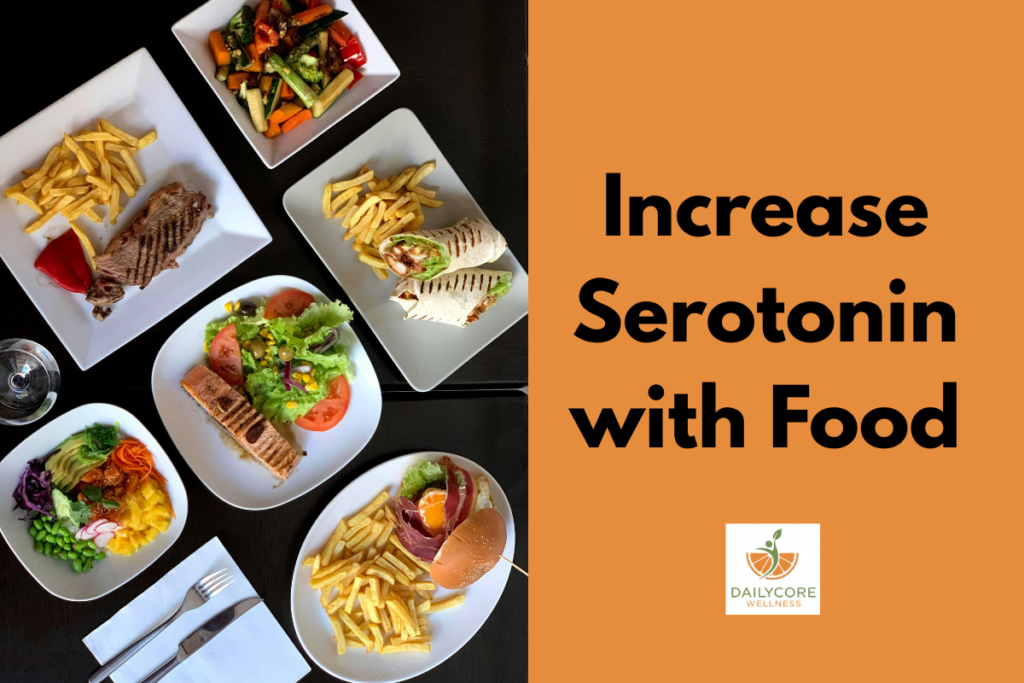
35 Top Foods to Increase Serotonin With Food Naturally, 2026
1. Salmon
Salmon is rich in omega-3 fatty acids, particularly EPA and DHA, which reduce inflammation in the brain and enhance neural communication. These fatty acids improve serotonin receptor sensitivity, supporting mood regulation and emotional balance. Salmon also provides high-quality protein and vitamin B12, essential for cognitive function and energy metabolism. Consuming salmon regularly helps reduce anxiety, depression symptoms, and mood swings. Its versatility allows for grilling, baking, or adding to salads, making it easy to incorporate into weekly meal plans. By including salmon two to three times per week, you provide your body with nutrients that naturally boost serotonin, promote mental clarity, and support long-term emotional wellness.
2. Eggs
Eggs are a nutrient-dense source of high-quality protein and contain tryptophan, the amino acid precursor to serotonin. Vitamin B6 in eggs assists in converting tryptophan into serotonin, supporting mood stabilization and mental clarity. Eggs also supply choline, which enhances cognitive performance and overall brain health. Regular consumption of eggs contributes to steady energy, reduced irritability, and improved emotional balance. Eggs are highly versatile and can be boiled, scrambled, poached, or incorporated into a variety of meals. Including eggs as part of a balanced diet ensures a reliable source of serotonin-boosting nutrients, making them essential for anyone seeking natural ways to improve mood and reduce anxiety.
3. Spinach
Spinach is packed with magnesium, folate, and iron, which are crucial for neurotransmitter production and serotonin synthesis. Magnesium helps calm the nervous system and supports relaxation, while folate aids in the creation of serotonin and other neurotransmitters. Spinach also contains antioxidants that reduce oxidative stress, promoting cognitive function and emotional stability. Regularly including spinach in meals, whether raw in salads or lightly cooked in dishes, can improve mood, reduce anxiety, and enhance long-term mental wellness. Its versatility and nutrient density make spinach an excellent choice for anyone aiming to support serotonin production naturally while also benefiting overall physical health and vitality.
4. Tofu
Tofu is a plant-based source of protein rich in tryptophan, magnesium, and calcium, all of which contribute to serotonin synthesis and nervous system health. Tryptophan helps generate serotonin, while magnesium and calcium support proper nerve function and emotional balance. Tofu’s versatility allows it to be used in stir-fries, soups, salads, and even grilled dishes. Regular consumption of tofu stabilizes mood, reduces anxiety, and promotes cognitive function. For vegetarians or those seeking plant-based protein, tofu offers a practical and nutrient-dense way to boost serotonin naturally. Including tofu in a consistent diet ensures the brain has the nutrients required to maintain emotional resilience and mental clarity.
5. Walnuts
Walnuts are high in omega-3 fatty acids, antioxidants, and vitamin E, all of which support brain health and serotonin function. Omega-3s improve neuronal communication, reduce inflammation, and enhance mood regulation, while antioxidants protect the brain from oxidative damage. Regular consumption of walnuts helps improve cognitive performance, emotional balance, and resilience to stress. They are convenient to eat as a snack or add to oatmeal, salads, and baked dishes. The combination of healthy fats, protein, and micronutrients in walnuts makes them an essential food for anyone looking to naturally boost serotonin and maintain long-term mental and emotional wellness.
6. Turkey
Turkey is a rich source of tryptophan, an essential amino acid necessary for serotonin production. Protein in turkey stabilizes blood sugar levels, reducing mood swings and irritability. Vitamin B6 in turkey aids in the conversion of tryptophan into serotonin, promoting emotional stability and improving sleep quality. Including turkey in meals, whether roasted, grilled, or in soups, enhances mental clarity, reduces anxiety, and supports overall cognitive function. Regular consumption provides a natural way to maintain serotonin levels, contributing to long-term emotional resilience. Turkey is particularly beneficial for those seeking high-protein sources that also support mental wellness and mood regulation.
7. Oats
Oats are complex carbohydrates that help transport tryptophan to the brain, enhancing serotonin production. They are also rich in fiber, B vitamins, and minerals that support brain health and cognitive function. Consuming oats stabilizes blood sugar levels, preventing irritability and mood swings. Oats are versatile and can be eaten as oatmeal, added to smoothies, or included in baked goods. Regular consumption promotes sustained energy, improved mood, and better emotional balance. By including oats in your daily diet, you provide essential nutrients that naturally support serotonin synthesis and mental clarity, contributing to long-term mental well-being.
8. Chickpeas
Chickpeas are high in protein, fiber, tryptophan, and B vitamins, all of which contribute to serotonin production and emotional health. Fiber helps stabilize blood sugar, reducing mood fluctuations, while tryptophan directly supports serotonin synthesis. Regular consumption of chickpeas improves cognitive performance, mental clarity, and emotional balance. Chickpeas are versatile, suitable for salads, stews, hummus, or roasted snacks. Including chickpeas in a diet helps maintain steady serotonin levels, enhances mood, and supports long-term mental wellness. They are particularly valuable for vegetarians and plant-based eaters seeking natural serotonin-boosting foods.
9. Dark Chocolate
Dark chocolate, especially with high cocoa content, contains flavonoids, magnesium, and other compounds that boost serotonin and endorphin production. These nutrients reduce stress, improve mood, and enhance cognitive function. Magnesium calms the nervous system, while antioxidants protect neurons from oxidative damage. Moderate consumption of dark chocolate can improve emotional resilience, reduce anxiety, and increase overall mental well-being. It can be incorporated as a snack, in desserts, or in smoothies. Consistent but controlled intake provides pleasure while enhancing serotonin synthesis, making it both an enjoyable and effective addition to a diet focused on mental health.
10. Pineapple
Pineapple is rich in vitamin C, manganese, and antioxidants, which support neurotransmitter production, reduce oxidative stress, and improve serotonin synthesis. Vitamin C also helps regulate cortisol, reducing stress and supporting emotional stability. Pineapple contains natural sugars that provide steady energy without spiking blood glucose levels, helping prevent mood swings. Regular consumption improves mental clarity, enhances mood, and promotes long-term serotonin support. Pineapple is versatile and can be eaten fresh, in smoothies, or as part of meals, making it a convenient and nutrient-dense addition to a serotonin-boosting diet for better mental wellness and emotional balance.
11. Blueberries
Blueberries are loaded with antioxidants, particularly anthocyanins, which protect neurons from oxidative stress and enhance serotonin production. They also provide vitamin C, fiber, and B vitamins that support neurotransmitter synthesis and brain health. Regular consumption improves memory, reduces anxiety, and stabilizes mood. Blueberries are versatile, easily added to oatmeal, smoothies, or eaten as a snack. Incorporating blueberries into a daily diet provides long-term support for mental clarity, emotional resilience, and cognitive performance, making them an essential food for those seeking natural ways to boost serotonin.
12. Avocados
Avocados are rich in healthy monounsaturated fats, magnesium, B vitamins, and potassium, which all support serotonin synthesis and emotional stability. Healthy fats enhance brain function and reduce inflammation, while magnesium calms the nervous system. Regular consumption of avocados improves mood, reduces anxiety, and supports cognitive performance. They can be included in salads, spreads, or smoothies, providing a versatile and nutrient-dense option for boosting serotonin naturally. Including avocados in daily meals ensures sustained emotional balance, mental clarity, and long-term mental wellness through natural dietary support.
13. Almonds
Almonds are a powerful source of magnesium, vitamin E, and healthy fats, supporting serotonin production and nervous system health. Magnesium reduces stress, stabilizes mood, and improves relaxation. Protein and fiber in almonds stabilize blood sugar, preventing mood swings and irritability. Regular consumption enhances cognitive performance, mental clarity, and emotional resilience. Almonds are easy to include in meals, snacks, or as toppings for oatmeal and salads. Incorporating them into a serotonin-boosting diet ensures consistent nutrient intake that supports long-term mental health and optimal emotional well-being.
14. Lentils
Lentils are rich in protein, tryptophan, fiber, and B vitamins, all of which contribute to serotonin synthesis and mood regulation. Fiber stabilizes blood sugar, preventing irritability, while tryptophan aids in natural serotonin production. Regular consumption improves mental clarity, emotional balance, and cognitive function. Lentils are versatile, suitable for soups, stews, curries, or salads. Including lentils in a consistent diet supports long-term mental wellness, stress reduction, and emotional resilience. They are an ideal plant-based option for individuals seeking to naturally boost serotonin through nutrient-dense foods.
15. Broccoli
16. Bananas
Bananas are one of the most accessible and effective foods for increasing serotonin naturally. They contain tryptophan, vitamin B6, and natural carbohydrates that work together to enhance serotonin synthesis. Vitamin B6 is essential for converting tryptophan into serotonin, while carbohydrates help transport tryptophan into the brain efficiently. Bananas also provide potassium, which supports nerve function and helps regulate stress responses. Their fiber content stabilizes blood sugar, preventing mood swings and irritability. Including bananas in your daily diet, whether as a snack, in smoothies, or as part of breakfast, helps improve mood, boost energy levels, and promote emotional stability over time, making them a reliable addition to a serotonin-supporting diet.
17. Quinoa
Quinoa is a nutrient-dense whole grain that contains all nine essential amino acids, including tryptophan, making it a complete protein source. It also provides magnesium and B vitamins, which are critical for neurotransmitter production and serotonin synthesis. Quinoa’s complex carbohydrates help maintain stable blood sugar levels, reducing anxiety and mood fluctuations. Its high fiber content supports gut health, which is closely linked to serotonin production. Quinoa can be incorporated into salads, bowls, or side dishes, offering versatility and nutritional benefits. Regular consumption supports sustained energy, improved mental clarity, and enhanced emotional resilience, making quinoa an essential component of a diet focused on increasing serotonin naturally.
18. Yogurt
Yogurt is a probiotic-rich food that plays a crucial role in supporting gut health, which is directly linked to serotonin production. A healthy gut microbiome enhances the synthesis of neurotransmitters, including serotonin, and helps regulate mood and stress levels. Yogurt also provides protein, calcium, and B vitamins that support brain function and energy metabolism. Including yogurt in your daily diet helps maintain stable blood sugar levels and improves digestion. It can be consumed plain, with fruits, or in smoothies. Regular intake supports emotional balance, reduces anxiety symptoms, and contributes to long-term mental wellness through improved gut-brain communication.
19. Cottage Cheese
Cottage cheese is rich in high-quality protein and contains tryptophan, which is essential for serotonin production. Its protein content helps stabilize blood sugar levels, preventing mood swings and irritability. Cottage cheese also provides calcium and B vitamins that support nervous system function and neurotransmitter synthesis. It can be paired with fruits, nuts, or whole grains to create balanced meals or snacks. Including cottage cheese in your diet supports sustained energy, improved focus, and emotional stability. Regular consumption contributes to natural serotonin production, helping to reduce stress and enhance overall mental well-being in a consistent and sustainable way.
20. Flaxseeds
Flaxseeds are rich in omega-3 fatty acids, fiber, and tryptophan, making them highly effective for supporting serotonin production. Omega-3s help reduce brain inflammation and improve neural communication, while tryptophan directly contributes to serotonin synthesis. The fiber content promotes gut health, which plays a key role in mood regulation. Flaxseeds can be easily added to smoothies, oatmeal, yogurt, or baked goods, making them a convenient dietary addition. Regular consumption supports improved mood, reduced anxiety, and better cognitive function. Including flaxseeds in your daily routine provides long-term benefits for emotional balance and mental wellness through natural serotonin enhancement.
21. Almonds
Almonds are packed with magnesium, healthy fats, and vitamin E, all of which support serotonin production and brain health. Magnesium helps regulate stress hormones and promotes relaxation, while healthy fats improve neuronal communication. Almonds also stabilize blood sugar levels, reducing mood swings and anxiety triggers. They are easy to incorporate into meals as snacks or toppings for salads and oatmeal. Regular consumption supports improved mental clarity, emotional resilience, and long-term serotonin balance. Including almonds in a consistent diet provides a reliable source of nutrients essential for maintaining a stable mood and supporting overall cognitive function.
22. Lentils
Lentils are an excellent plant-based source of protein, fiber, and tryptophan, making them highly effective for increasing serotonin levels naturally. They also contain B vitamins that support neurotransmitter synthesis and brain health. Fiber in lentils helps regulate blood sugar levels, preventing mood fluctuations and irritability. Lentils can be used in soups, stews, salads, or curries, making them versatile and easy to include in meals. Regular consumption supports sustained energy, improved mood, and enhanced emotional stability. Including lentils in your diet contributes to long-term mental wellness and provides a steady foundation for natural serotonin production.
23. Broccoli
Broccoli is rich in vitamin C, folate, and antioxidants, all of which contribute to serotonin production and brain health. Folate is essential for synthesizing neurotransmitters, including serotonin, while vitamin C helps reduce cortisol levels and oxidative stress. The fiber in broccoli supports gut health, indirectly enhancing serotonin production. Including broccoli in your meals, whether steamed, roasted, or raw, helps improve mood, reduce anxiety, and support cognitive performance. Regular consumption contributes to long-term mental wellness and emotional balance, making broccoli a valuable addition to a serotonin-boosting diet.
24. Pumpkin Seeds
Pumpkin seeds are a powerful source of tryptophan, magnesium, and zinc, all of which play essential roles in serotonin production. Tryptophan directly contributes to serotonin synthesis, while magnesium helps calm the nervous system and reduce stress. Zinc supports neurotransmitter regulation and overall brain function. Pumpkin seeds are convenient as snacks or additions to salads, oatmeal, or yogurt. Regular consumption helps improve mood, enhance emotional stability, and support cognitive health. Including pumpkin seeds in your diet provides a concentrated source of nutrients that promote natural serotonin production and long-term mental well-being.
25. Chia Seeds
Chia seeds are rich in omega-3 fatty acids, fiber, and tryptophan, making them highly beneficial for serotonin production. Omega-3s improve brain function and reduce inflammation, while tryptophan supports serotonin synthesis. The fiber content enhances gut health, which plays a crucial role in mood regulation. Chia seeds can be added to smoothies, puddings, oatmeal, or baked goods. Regular consumption supports improved mood, reduced stress, and enhanced cognitive performance. Including chia seeds in your diet helps maintain emotional balance and provides long-term support for mental health through natural serotonin enhancement.
26. Kefir
Kefir is a fermented dairy product rich in probiotics, which support gut health and serotonin production. A balanced gut microbiome enhances neurotransmitter synthesis and reduces inflammation, improving mood and emotional stability. Kefir also provides protein and B vitamins that support brain function. Regular consumption improves digestion, boosts immunity, and enhances mental clarity. Kefir can be consumed as a drink or added to smoothies. Including kefir in your daily diet helps support the gut-brain connection, promoting natural serotonin production and long-term emotional well-being.
27. Green Peas
Green peas are a nutrient-rich food containing protein, fiber, B vitamins, and tryptophan, all of which contribute to serotonin production. Fiber helps stabilize blood sugar levels, preventing mood swings and irritability. B vitamins support neurotransmitter synthesis, while tryptophan aids serotonin formation. Green peas can be added to soups, salads, or side dishes, making them easy to include in meals. Regular consumption supports improved mood, cognitive function, and emotional stability. Including green peas in your diet helps maintain consistent serotonin levels and contributes to overall mental wellness.
28. Brown Rice
Brown rice is a complex carbohydrate that supports serotonin production by facilitating the transport of tryptophan into the brain. It also contains fiber and B vitamins that support brain health and stabilize blood sugar levels. Stable glucose levels help prevent anxiety and mood fluctuations. Brown rice can be used as a base for meals, paired with vegetables and proteins. Regular consumption supports sustained energy, improved mood, and long-term mental wellness. Including brown rice in your diet provides a steady source of nutrients that enhance serotonin synthesis naturally.
29. Edamame
Edamame is rich in plant-based protein, tryptophan, magnesium, and B vitamins, all of which support serotonin production. Magnesium helps calm the nervous system, while tryptophan contributes to serotonin synthesis. Edamame also stabilizes blood sugar levels, preventing mood swings. It can be eaten as a snack or added to salads and stir-fries. Regular consumption improves emotional balance, cognitive function, and overall mental wellness. Including edamame in your diet provides a convenient and nutrient-dense way to naturally boost serotonin levels.
30. Garlic
Garlic contains antioxidants and sulfur compounds that support brain health and reduce oxidative stress. These compounds improve circulation and may enhance neurotransmitter function, including serotonin. Garlic also supports gut health, which plays a role in serotonin production. Including garlic in meals regularly contributes to improved mood, reduced stress, and better overall mental health. Its versatility makes it easy to incorporate into various dishes.
31. Mushrooms
Mushrooms provide B vitamins, antioxidants, and in some cases vitamin D, all of which support serotonin production and mood regulation. These nutrients enhance brain function and reduce inflammation. Regular consumption helps improve emotional balance, cognitive performance, and mental clarity. Mushrooms can be included in soups, stir-fries, and salads, making them an accessible serotonin-boosting food.
32. Carrots
Carrots are rich in antioxidants and fiber, supporting brain health and gut function. Fiber stabilizes blood sugar, preventing mood swings, while antioxidants protect neurons from oxidative stress. Regular consumption supports serotonin production, emotional stability, and cognitive health. Carrots are easy to include in meals or snacks.
33. Bell Peppers
Bell peppers are high in vitamin C and antioxidants, which reduce cortisol levels and support serotonin production. They improve mood, reduce stress, and enhance cognitive performance. Including bell peppers in meals contributes to long-term mental wellness and emotional balance.
34. Oranges
Oranges provide vitamin C, fiber, and antioxidants that support brain health and serotonin synthesis. They reduce stress, stabilize blood sugar, and improve mood. Regular consumption enhances emotional resilience and overall mental well-being.
35. Asparagus
Asparagus is rich in folate, B vitamins, and fiber, all of which support serotonin production. Folate is essential for neurotransmitter synthesis, while fiber supports gut health. Regular consumption improves mood, reduces anxiety, and enhances mental clarity, making asparagus a valuable addition to a serotonin-supporting diet.
