Iron is an essential mineral that plays a critical role in the production of hemoglobin, a protein in red blood cells responsible for transporting oxygen throughout the body. Adequate iron intake is vital for maintaining energy levels, supporting brain function, and preventing conditions such as iron deficiency anemia. When iron levels are low, individuals may experience fatigue, weakness, dizziness, and reduced immunity, making it essential to include iron-rich foods in the daily diet.
There are two types of dietary iron: heme iron and non-heme iron. Heme iron, found in animal-based foods like meat and fish, is more easily absorbed by the body. Non-heme iron, found in plant-based foods such as beans, lentils, and leafy greens, is less readily absorbed but still contributes significantly to overall intake. Combining non-heme iron foods with vitamin C-rich foods can enhance absorption and improve effectiveness.
Iron requirements vary depending on age, gender, and life stage. Women, especially during menstruation, pregnancy, or breastfeeding, often require higher iron intake. Athletes and growing adolescents also have increased needs due to higher energy demands and physiological changes. Understanding the best sources of iron allows individuals to meet their nutritional requirements effectively.
Incorporating a variety of iron-rich foods into a balanced diet not only prevents deficiency but also supports sustained energy, improved concentration, and overall health. A well-planned diet ensures optimal iron levels, helping the body function efficiently and maintain long-term wellness.
Importance of Iron in the Body
Iron is essential for oxygen transport, energy production, and overall cellular function. It plays a key role in the formation of hemoglobin and myoglobin, which carry oxygen to tissues and muscles. Without sufficient iron, the body cannot produce enough healthy red blood cells, leading to reduced oxygen delivery and fatigue.
In addition to energy production, iron supports immune function and cognitive performance. It helps the body fight infections and contributes to brain development and concentration. Iron also plays a role in enzyme function and metabolic processes, making it a vital nutrient for overall health.
Maintaining adequate iron levels requires consistent dietary intake and proper absorption. Including a mix of heme and non-heme iron sources, along with vitamin C-rich foods, ensures optimal utilization. A balanced diet rich in iron supports vitality, endurance, and long-term health outcomes.
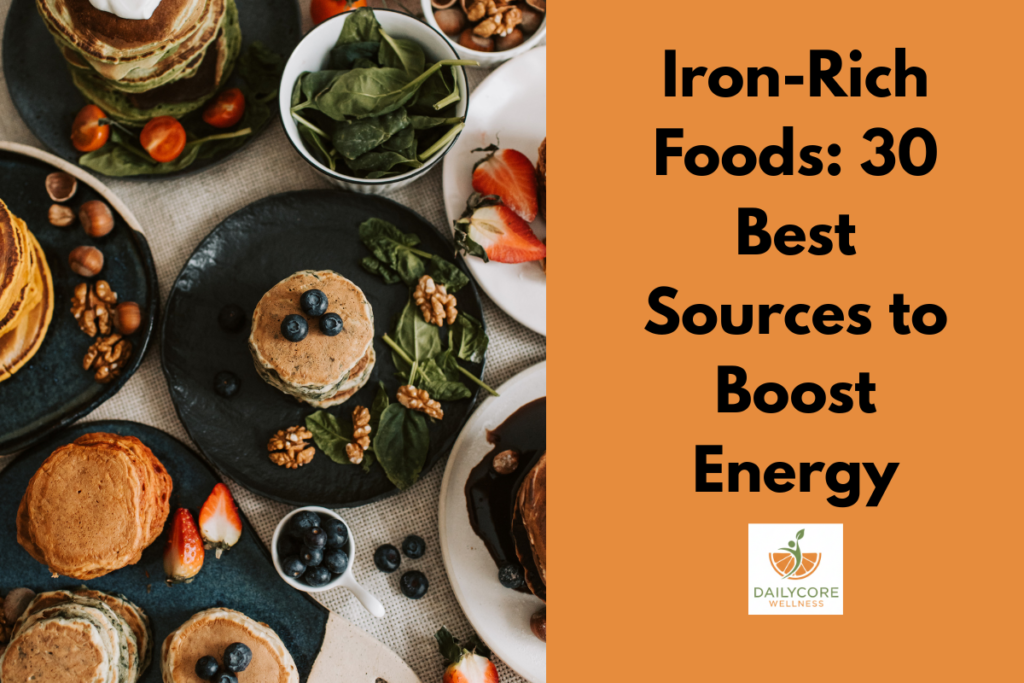
List of Iron-Rich Foods, 2026
1. Spinach
Spinach is a well-known plant-based source of iron, providing non-heme iron along with vitamin C, which helps enhance its absorption. It is also rich in folate, magnesium, and antioxidants, supporting overall health and energy metabolism. Spinach can be consumed raw in salads, blended into smoothies, or cooked in various dishes. Regular intake supports improved iron levels, especially for vegetarians and vegans.
2. Red Meat (Beef)
Beef is one of the best sources of heme iron, which is easily absorbed by the body. It also provides high-quality protein, zinc, and vitamin B12, supporting muscle health and energy production. Including lean cuts of beef in meals helps prevent iron deficiency and supports overall strength and vitality.
3. Chicken Liver
Chicken liver is extremely rich in iron and provides a highly absorbable form of heme iron. It also contains vitamin A, folate, and other essential nutrients. Consuming liver occasionally can significantly boost iron levels and support energy production.
4. Lentils
Lentils are one of the most reliable plant-based sources of iron, making them essential for individuals following vegetarian or vegan diets. They contain non-heme iron, which can be better absorbed when paired with vitamin C-rich foods such as tomatoes or citrus fruits. Lentils are also rich in protein, fiber, and folate, supporting digestion, heart health, and sustained energy levels. Their high fiber content helps regulate blood sugar, preventing fatigue and energy crashes. Lentils are versatile and can be used in soups, stews, salads, or as a meat substitute in various recipes. Regular consumption helps improve iron levels, supports red blood cell production, and contributes to overall metabolic health and long-term wellness.
5. Chickpeas
Chickpeas are a nutrient-dense legume that provides a good amount of non-heme iron along with protein and fiber. These nutrients work together to support energy production, digestion, and satiety. Chickpeas are especially beneficial when combined with vitamin C-rich foods to enhance iron absorption. They can be roasted, blended into hummus, or added to soups and salads, making them easy to incorporate into daily meals. Chickpeas also contain essential minerals like magnesium and potassium, which support metabolic processes and muscle function. Regular intake contributes to improved iron levels, reduced fatigue, and better overall health, making chickpeas a valuable addition to an iron-rich diet.
6. Pumpkin Seeds
Pumpkin seeds are small but highly nutritious, offering a significant amount of iron along with magnesium, zinc, and healthy fats. These nutrients support immune function, muscle health, and energy metabolism. The iron in pumpkin seeds helps improve oxygen transport in the body, reducing fatigue and enhancing physical performance. They are convenient to consume as snacks or can be added to salads, oatmeal, or smoothies. Their versatility and nutrient density make them an excellent choice for increasing daily iron intake. Regular consumption supports balanced nutrition, sustained energy, and overall well-being, particularly for individuals seeking plant-based sources of essential nutrients.
7. Tofu
Tofu is a versatile plant-based protein that contains iron and calcium, making it a valuable food for vegetarians and vegans. It provides non-heme iron, which can be better absorbed when paired with foods high in vitamin C. Tofu also supports muscle maintenance and energy production due to its protein content. It can be used in a wide variety of dishes, including stir-fries, soups, and salads, as it absorbs flavors easily. Regular consumption helps maintain adequate iron levels, supports metabolic function, and contributes to a balanced diet. Tofu is particularly beneficial for individuals looking to increase iron intake without relying on animal products.
8. Quinoa
Quinoa is a nutrient-rich grain that provides iron along with complete protein, containing all essential amino acids. This makes it an excellent choice for supporting muscle repair and sustained energy levels. Quinoa also contains fiber, magnesium, and antioxidants that contribute to overall health. Its iron content supports red blood cell production and oxygen transport, helping reduce fatigue. Quinoa is versatile and can be used as a base for salads, side dishes, or main meals. Regular inclusion in the diet supports improved nutrient intake, better digestion, and enhanced metabolic function, making it a valuable addition to an iron-rich and balanced diet.
9. Dark Chocolate
Dark chocolate, particularly varieties with high cocoa content, provides a moderate amount of iron along with powerful antioxidants. These antioxidants help reduce inflammation and support cardiovascular health. While it should be consumed in moderation due to calorie content, dark chocolate can satisfactorily contribute to daily iron intake. It also contains magnesium, which supports muscle and nerve function. Including small portions of dark chocolate in a balanced diet enhances both nutrient intake and enjoyment. Regular, moderate consumption can help support energy levels and overall well-being while contributing to improved iron intake.
10. Beans (Kidney, Black Beans)
Beans such as kidney beans and black beans are excellent sources of plant-based iron, protein, and fiber. These nutrients support digestion, stabilize blood sugar levels, and provide sustained energy. The iron in beans contributes to improved oxygen transport, reducing fatigue and supporting overall health. Beans are highly versatile and can be used in soups, stews, salads, and main dishes. Pairing them with vitamin C-rich foods enhances iron absorption. Regular consumption helps maintain adequate iron levels, supports metabolic health, and promotes long-term wellness, making beans a staple in an iron-rich diet.
11. Oats
Oats are a whole grain that provides a moderate amount of iron along with fiber and essential nutrients. The fiber content supports digestion and helps maintain stable blood sugar levels, contributing to sustained energy throughout the day. Oats can be consumed as oatmeal, added to smoothies, or used in baked goods. While the iron in oats is non-heme, pairing them with fruits rich in vitamin C can enhance absorption. Regular consumption supports improved energy levels, digestive health, and overall nutrition, making oats a beneficial addition to an iron-rich diet.
12. Sesame Seeds
Sesame seeds are rich in iron, calcium, and healthy fats, supporting bone health and energy production. Their iron content contributes to improved oxygen transport in the body, helping reduce fatigue. Sesame seeds can be added to salads, baked goods, or used as tahini in various dishes. They also provide antioxidants that support overall health. Regular consumption enhances nutrient intake and supports metabolic function, making sesame seeds a valuable addition to a balanced diet focused on improving iron levels and overall well-being.
13. Cashews
Cashews are a nutrient-dense snack that provides iron along with healthy fats, protein, and essential minerals such as magnesium and zinc. These nutrients support energy production, immune function, and muscle health. The iron in cashews contributes to maintaining healthy red blood cells and reducing fatigue. They can be eaten on their own or added to meals for extra nutrition. Regular consumption supports balanced energy levels and overall health, making cashews a convenient and beneficial addition to an iron-rich diet.
14. Raisins
Raisins are dried fruits that provide iron along with natural sugars and fiber. They offer a quick source of energy and support digestion. The iron content helps improve oxygen transport and reduce fatigue, making raisins a useful snack for maintaining energy levels. They can be added to cereals, salads, or eaten alone. Regular consumption supports improved iron intake and overall nutrient balance, making raisins a convenient addition to a healthy diet.
15. Dried Apricots
Dried apricots are a concentrated source of iron and other essential nutrients such as vitamin A and fiber. They support vision, digestion, and energy production. Including dried apricots in meals or snacks helps improve iron intake and provides sustained energy throughout the day. Their portability makes them a convenient option for maintaining nutrient intake. Regular consumption contributes to better overall health and helps prevent iron deficiency.
16. Beetroot
Beetroot contains iron along with antioxidants and nitrates that support improved blood flow and oxygen delivery. This helps enhance endurance and reduce fatigue. Beetroot also supports detoxification and overall metabolic health. It can be consumed raw, cooked, or as juice, making it a versatile addition to meals. Regular intake contributes to improved iron levels, better energy, and overall well-being, making beetroot an effective addition to an iron-rich diet.
17. Broccoli
Broccoli is a nutrient-dense vegetable that provides a modest amount of iron along with a high concentration of vitamin C, which significantly enhances iron absorption in the body. This combination makes broccoli particularly valuable among plant-based iron sources. It is also rich in fiber, antioxidants, and compounds that support immune health and reduce inflammation. Including broccoli in meals helps improve digestion, stabilize blood sugar, and support sustained energy levels. It can be steamed, roasted, stir-fried, or added to soups and salads. Regular consumption contributes to better oxygen transport, reduced fatigue, and improved overall metabolic function, making broccoli an essential addition to an iron-rich and balanced diet.
18. Kale
Kale is a leafy green vegetable known for its high nutrient content, including iron, calcium, and powerful antioxidants. It provides non-heme iron, which, when paired with vitamin C-rich foods, becomes more bioavailable to the body. Kale supports red blood cell production and helps maintain energy levels, especially in individuals at risk of iron deficiency. It also contains fiber that aids digestion and supports gut health. Kale can be consumed raw in salads, blended into smoothies, or lightly cooked to preserve its nutrients. Regular intake contributes to improved iron levels, enhanced immunity, and overall health, making it a valuable component of a nutrient-dense diet.
19. Peas
Peas are a convenient and nutritious source of plant-based iron, along with protein, fiber, and essential vitamins. Their iron content supports oxygen transport and helps reduce fatigue, while fiber promotes digestion and stable blood sugar levels. Peas are versatile and can be added to soups, stews, rice dishes, or salads, making them easy to incorporate into daily meals. They also contain vitamin C, which supports better absorption of their iron content. Regular consumption of peas contributes to sustained energy levels, improved nutrient intake, and overall metabolic health, making them a beneficial addition to an iron-rich diet for individuals of all dietary preferences.
20. Whole Wheat Bread
Whole wheat bread is a practical and widely available source of non-heme iron, along with complex carbohydrates and fiber. The fiber content supports digestion and helps maintain stable blood sugar levels, which is important for consistent energy. Whole wheat bread can be paired with other iron-rich foods or vitamin C-rich ingredients to enhance iron absorption. It serves as a convenient base for balanced meals, including sandwiches or toast combinations. Regular inclusion in the diet supports daily iron intake, promotes digestive health, and contributes to overall nutritional balance. Choosing whole-grain options over refined bread ensures higher nutrient density and better long-term health benefits.
21. Brown Rice
Brown rice is a whole grain that provides iron along with complex carbohydrates, fiber, and essential minerals. Its iron content supports red blood cell production, while the complex carbohydrates provide sustained energy throughout the day. Brown rice also aids digestion and helps regulate blood sugar levels, preventing energy crashes. It can be paired with legumes, vegetables, or lean proteins to create balanced meals that enhance nutrient absorption. Regular consumption contributes to improved iron intake, better energy levels, and overall metabolic health. Including brown rice in your diet ensures a steady source of nutrients that support both physical performance and long-term wellness.
22. Sardines
Sardines are a rich source of heme iron, which is highly bioavailable and easily absorbed by the body. They also provide calcium, omega-3 fatty acids, and high-quality protein, supporting bone health, cardiovascular function, and muscle maintenance. Sardines are convenient, often available canned, and can be added to salads, sandwiches, or eaten on their own. Their iron content helps improve oxygen transport and reduces fatigue. Regular consumption supports overall health, making sardines an excellent choice for individuals seeking to boost iron levels naturally while benefiting from additional essential nutrients.
23. Tuna
Tuna is a lean source of iron and high-quality protein, making it beneficial for energy production and muscle maintenance. It contains heme iron, which is more efficiently absorbed than plant-based sources. Tuna also provides essential nutrients such as omega-3 fatty acids and B vitamins, supporting overall health and metabolic function. It can be used in salads, sandwiches, or main dishes, offering versatility in meal preparation. Regular inclusion in the diet supports improved iron levels, sustained energy, and overall well-being, making tuna a practical and nutritious addition to an iron-rich diet.
24. Eggs
Eggs contain iron primarily in the yolk, along with protein, vitamins, and essential nutrients that support overall health. While the iron in eggs is not as easily absorbed as heme iron from meat, it still contributes to daily intake. Eggs are versatile and can be prepared in various ways, making them a convenient addition to meals. They also support muscle maintenance, energy production, and satiety. Including whole eggs in a balanced diet helps improve nutrient intake and supports metabolic health. Pairing eggs with vitamin C-rich foods can enhance iron absorption and maximize their nutritional benefits.
25. Turkey
Turkey is a lean meat that provides heme iron along with high-quality protein. It supports muscle growth, energy production, and overall metabolic function. The iron content in turkey helps improve oxygen transport in the body, reducing fatigue and enhancing endurance. Turkey can be grilled, roasted, or added to various dishes, making it a versatile and nutritious option. Regular consumption supports balanced nutrition and contributes to maintaining healthy iron levels, especially for individuals with higher iron needs.
26. Beef Liver
Beef liver is one of the most concentrated sources of iron, particularly heme iron, which is highly absorbable. It also contains vitamin A, B vitamins, and essential minerals that support energy metabolism and immune function. Including beef liver occasionally in meals can significantly improve iron levels and prevent deficiency. It can be sautéed or incorporated into traditional dishes. Due to its high nutrient density, it should be consumed in moderation. Regular inclusion supports improved oxygen transport, reduced fatigue, and enhanced overall health, making it a powerful addition to an iron-rich diet.
27. Shellfish (Clams, Oysters)
28. Fortified Cereals
Fortified cereals are enriched with iron and other essential nutrients, making them a convenient option for increasing daily intake. They are especially useful for individuals who may struggle to meet iron needs through natural sources alone. Pairing cereals with milk and fruits rich in vitamin C enhances absorption and overall nutritional value. Choosing whole-grain, low-sugar varieties ensures better health outcomes. Regular consumption supports energy levels, cognitive function, and overall well-being, making fortified cereals a practical addition to an iron-rich diet.
29. Molasses (Blackstrap)
Blackstrap molasses is a concentrated source of iron, along with calcium, magnesium, and potassium. It is often used as a natural sweetener and can be added to smoothies, oatmeal, or baked goods. Its iron content supports red blood cell production and helps combat fatigue. Unlike refined sugar, molasses provides nutritional value while enhancing flavor. Regular use in moderation supports improved iron intake, better energy levels, and overall health, making it a unique and effective addition to an iron-rich diet.
30. Amaranth
Amaranth is an ancient grain that provides iron along with protein, fiber, and essential minerals. It is particularly beneficial for individuals following plant-based diets, as it contributes to overall nutrient intake and energy levels. Amaranth supports digestion, stabilizes blood sugar, and enhances metabolic health. It can be cooked as porridge, added to salads, or used as a grain substitute. Regular consumption supports improved iron levels, sustained energy, and overall nutritional balance, making it a valuable addition to a diverse and iron-rich diet.