Understanding whether washing your hair every day is bad is a common concern for those seeking healthy hair. While hair hygiene is essential, daily washing can sometimes do more harm than good depending on hair type, scalp condition, and products used. Overwashing may strip natural oils, causing dryness, scalp irritation, and breakage, making it crucial to balance cleanliness with nourishment.
Hair experts emphasize that the frequency of washing should align with individual hair needs rather than following generic routines. For oily scalps or active lifestyles, daily washing may be beneficial, but for dry or curly hair, less frequent washing is often recommended. Knowing the right approach can prevent long-term damage while maintaining a fresh, healthy appearance.
The choice to wash hair daily also depends on the type of shampoo and conditioning routine employed. Sulfate-heavy shampoos, for instance, can exacerbate dryness when used every day, whereas mild, nourishing shampoos may allow for more frequent washing without negative effects. Assessing product formulation alongside hair texture is essential.
Ultimately, the question “Is washing your hair every day bad?” does not have a universal answer. It is shaped by individual scalp health, lifestyle, and personal preferences. Understanding the balance between cleanliness and protection ensures hair remains vibrant, strong, and resilient over time.
Effects of Daily Hair Washing on Scalp and Hair
Washing your hair every day can disrupt the natural balance of oils produced by the scalp. Sebum, the scalp’s natural oil, acts as a protective barrier that prevents hair from becoming dry and brittle. Overwashing may remove these oils prematurely, leading to dryness, increased breakage, and a dull appearance. For people with naturally dry or curly hair, daily washing can accelerate frizz and weaken hair strands. Conversely, individuals with oily scalps may benefit from more frequent washing to maintain freshness and prevent buildup.
Beyond hair texture, daily washing can affect scalp health. The scalp may become irritated, itchy, or prone to conditions such as dandruff when protective oils are stripped away consistently. However, using gentle, sulfate-free shampoos and conditioning treatments can mitigate some negative effects, allowing for more frequent cleansing without significant damage. Tailoring the washing frequency to individual scalp and hair types is critical for long-term hair health.
How to Maintain Healthy Hair with Frequent Washing
Maintaining healthy hair while washing daily requires strategic care. Using a mild, hydrating shampoo is essential to avoid stripping the scalp of its natural oils. Incorporating conditioner after each wash helps restore moisture, strengthen hair fibers, and prevent breakage. Focus on the scalp during cleansing, and allow conditioner to nourish the lengths and ends for optimal health.
Additionally, protective styling and minimal heat usage enhance resilience when washing often. Avoiding daily blow-drying or straightening reduces stress on hair shafts, while leaving hair to air-dry preserves natural moisture balance. Choosing lightweight, nourishing hair treatments and masks can counteract potential dryness caused by frequent washing. Consistent, gentle care ensures daily washing does not compromise hair integrity.
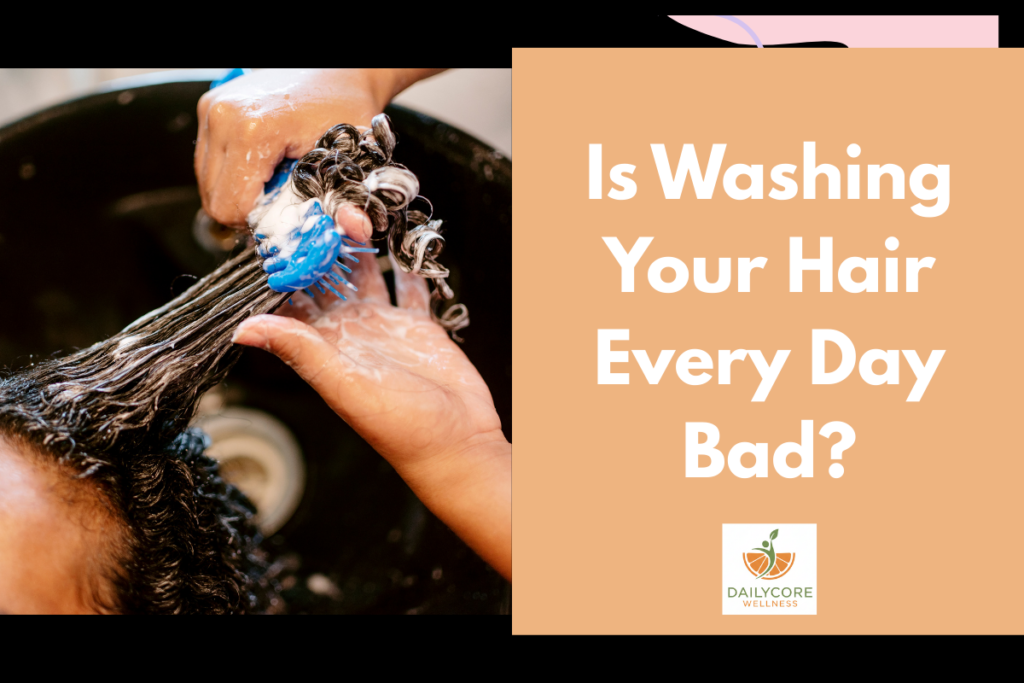
Is Washing Your Hair Every Day Bad? Expert Tips for Healthy Hair
1. “Know Your Hair Type.”
Understanding your hair type is the first step in determining washing frequency. Oily hair may tolerate daily washing, while dry or curly hair typically benefits from washing two to three times a week. Hair texture, thickness, and scalp oil production are crucial factors in deciding what is healthy for your hair. Recognizing your hair’s unique characteristics prevents over-cleansing, dryness, and long-term damage.
2. “Use Sulfate-Free Shampoo.”
Sulfates can aggressively strip natural oils, leading to dryness and scalp irritation. Using a sulfate-free shampoo allows for more frequent cleansing without damaging the hair’s protective layers. Gentle cleansing preserves natural moisture, reduces frizz, and supports overall hair strength. This is especially important for fine or color-treated hair, which is more prone to breakage.
3. “Condition Every Wash.”
Conditioner replenishes moisture lost during washing and protects hair cuticles from damage. Apply conditioner primarily to mid-lengths and ends to prevent oil buildup at the scalp. Regular conditioning keeps hair soft, smooth, and manageable, counteracting the drying effects of daily washing. For curly or textured hair, deep conditioning once a week can enhance elasticity and shine.
4. “Avoid Hot Water.”
Hot water can further strip natural oils from hair and scalp. Washing hair with lukewarm or cool water reduces dryness, prevents cuticle damage, and promotes shine. This simple adjustment minimizes the harmful effects of frequent washing and helps maintain the hair’s natural protective barrier.
5. “Limit Heat Styling.”
Daily heat styling compounds damage from washing by weakening hair strands. Reduce the use of blow dryers, straighteners, and curling irons to protect hair from breakage and moisture loss. Air-drying or using heat protectants preserves hair integrity even with frequent washing.
6. “Use Leave-In Treatments.”
Lightweight leave-in conditioners or oils help maintain hydration and reduce frizz. These products support hair health by adding moisture and strengthening strands, offsetting the impact of daily cleansing. They are particularly useful for chemically treated or textured hair.
7. “Scalp Massage.”
Massaging the scalp during washing stimulates blood circulation, promoting healthy hair growth. A gentle massage ensures even distribution of oils and shampoo, keeping the scalp balanced and preventing overproduction of sebum caused by overwashing.
8. “Avoid Over-Exfoliating
Excessive scrubbing or using harsh scalp exfoliants can irritate and damage hair follicles. Maintain a gentle routine that cleanses without stripping oils excessively. Focus on careful, deliberate movements while shampooing to protect the scalp’s natural barrier.
9. “Protect Hair Overnight.”
Use silk or satin pillowcases to reduce friction and prevent breakage caused by daily washing and styling. Protecting hair at night preserves moisture and minimizes split ends, contributing to healthier, stronger hair over time.
10. “Monitor Hair and Scalp Health.”
Observe changes in hair texture, shine, and scalp condition to determine if your washing routine is suitable. Signs of dryness, breakage, or irritation indicate the need to adjust frequency or products. Regular monitoring ensures a sustainable routine that promotes long-term hair health.
11. “Limit Chemical Treatments.”
Frequent chemical treatments, including coloring, perming, or relaxing, can weaken hair, making it more vulnerable to damage from daily washing. Chemicals alter the hair’s natural structure, reducing moisture retention and increasing breakage. Limiting these treatments or spacing them out allows hair to recover and maintain its integrity. When combined with a consistent, gentle washing routine, hair remains stronger, shinier, and less prone to split ends. If chemical treatments are necessary, follow with deep-conditioning treatments to restore hydration and reinforce hair strength. Regular monitoring of hair condition ensures treatments do not compromise the benefits of daily or frequent washing.
12. “Incorporate Weekly Hair Masks.”
Hair masks provide intense hydration and nourishment, counteracting the effects of frequent washing. Applying a mask once or twice a week strengthens strands, reduces frizz, and improves elasticity. Ingredients like keratin, natural oils, and proteins restore the cuticle, protecting hair from dryness and breakage. Masks are particularly beneficial for curly, textured, or chemically treated hair, which is more susceptible to moisture loss. Using a mask regularly creates a protective layer, ensuring hair maintains its natural shine and strength even with frequent cleansing. Consistent use enhances overall hair health and prevents cumulative damage from daily washing.
13. “Rinse Thoroughly.”
Proper rinsing is essential to remove shampoo and conditioner residue, which can build up and weigh hair down. Leftover product may cause scalp irritation, itchiness, or greasiness, particularly when washing daily. Spend sufficient time rinsing each section of hair, ensuring all product is completely removed. Focus on the scalp to prevent residue accumulation and on the ends to avoid dullness. A thorough rinse preserves hair’s natural luster, prevents premature oil buildup, and minimizes scalp irritation. This simple yet often overlooked step enhances the benefits of washing without stripping necessary oils, maintaining hair’s health over time.
14. “Adjust Frequency Gradually.”
Suddenly switching to daily washing can shock the scalp and hair, leading to dryness or overproduction of oils. Gradually increasing or decreasing washing frequency allows the scalp to adapt naturally. Observe how hair responds over several weeks and adjust based on texture, scalp oiliness, and overall hair health. A gradual approach prevents unnecessary stress on hair follicles and cuticles. For example, transitioning from washing every other day to daily washing may require one to two weeks of adaptation, ensuring minimal disruption to the natural oil balance. This method creates a sustainable routine that supports healthy, strong hair in the long term.
15. “Protect Hair from UV Damage.”
Sun exposure can weaken hair strands and accelerate moisture loss, especially when washing frequently removes protective oils. Using hats, scarves, or UV-protectant sprays shields hair from direct sunlight, preventing dryness and brittleness. UV protection is particularly important for colored or chemically treated hair, which is more vulnerable to environmental stressors. By combining sun protection with a tailored washing routine, hair retains moisture, elasticity, and shine. This proactive approach prevents cumulative damage over time and maintains a healthy hair appearance.
16. “Use Lightweight Styling Products.”
Heavy gels, creams, or waxes can leave buildup on the scalp, counteracting the benefits of frequent washing. Opt for lightweight, non-comedogenic styling products that provide hold without overloading hair. This approach minimizes residue, reduces the need for harsh cleansing, and maintains natural shine. Using lightweight products ensures that frequent washing does not strip hair excessively, allowing natural oils to support hydration and strength. Consistency in choosing suitable styling products complements a healthy hair routine.
17. “Stay Hydrated and Maintain Nutrition.”
Hair health reflects overall body health. Adequate hydration, balanced nutrition, and sufficient protein intake strengthen hair from the inside. Vitamins such as biotin, zinc, and omega-3 fatty acids support growth and resilience. When washing daily, ensuring proper internal nourishment prevents hair from becoming brittle or thin. Hydration helps maintain scalp moisture, reducing irritation caused by frequent cleansing. Nutrition combined with a consistent hair care routine promotes long-term strength, shine, and manageability.
18. “Monitor Scalp pH.”
Maintaining the scalp’s natural pH prevents irritation, dryness, and excessive oil production. Frequent washing with high-alkaline shampoos can disrupt the pH balance, affecting hair cuticles and follicle health. Choosing pH-balanced shampoos ensures the scalp remains healthy and resilient. A balanced pH enhances hair texture, reduces frizz, and prevents scalp conditions such as dandruff or itchiness. Regular monitoring allows you to adjust products as needed to maintain optimal scalp and hair health.
19. “Incorporate Protective Hairstyles.”
Protective hairstyles reduce mechanical stress on hair during daily activities. Styles such as loose braids, buns, or twists prevent tangling, breakage, and friction while maintaining moisture. Combining protective styles with a daily or frequent washing routine prevents cumulative damage caused by styling tools and environmental exposure. Protective hairstyles also allow the scalp to breathe and hair to retain natural oils, supporting consistent health and reducing the risk of split ends.
20. “Listen to Your Hair.”
Your hair provides feedback on whether your routine is effective. Signs like excessive dryness, breakage, frizz, or oily buildup indicate adjustments in washing frequency, products, or styling practices may be needed. Observing changes ensures a balanced routine that promotes long-term health. Listening to your hair allows for proactive management and prevents over-washing or neglect. Consistently responding to your hair’s needs ensures optimal strength, shine, and resilience over time.
Conclusion
Determining whether washing your hair every day is bad depends on hair type, scalp condition, and product choice. Overwashing can strip natural oils, causing dryness, frizz, and potential scalp irritation. However, with the right approach, including sulfate-free shampoos, conditioning, and protective practices, daily washing can be safe for some hair types.
Consistency in following a hair care routine is crucial. Gradually adjusting washing frequency, choosing appropriate products, and incorporating scalp and hair protection measures ensures long-term benefits without sacrificing cleanliness or scalp health.
Monitoring your hair and scalp over time allows for a tailored routine that meets individual needs. Minor adjustments in washing frequency, water temperature, and styling methods can significantly improve hair resilience and appearance.
Ultimately, healthy hair results from a consistent, well-informed approach rather than rigid adherence to daily washing norms. Prioritizing balance, moisture, and gentle care ensures hair remains strong, vibrant, and manageable for the long term.