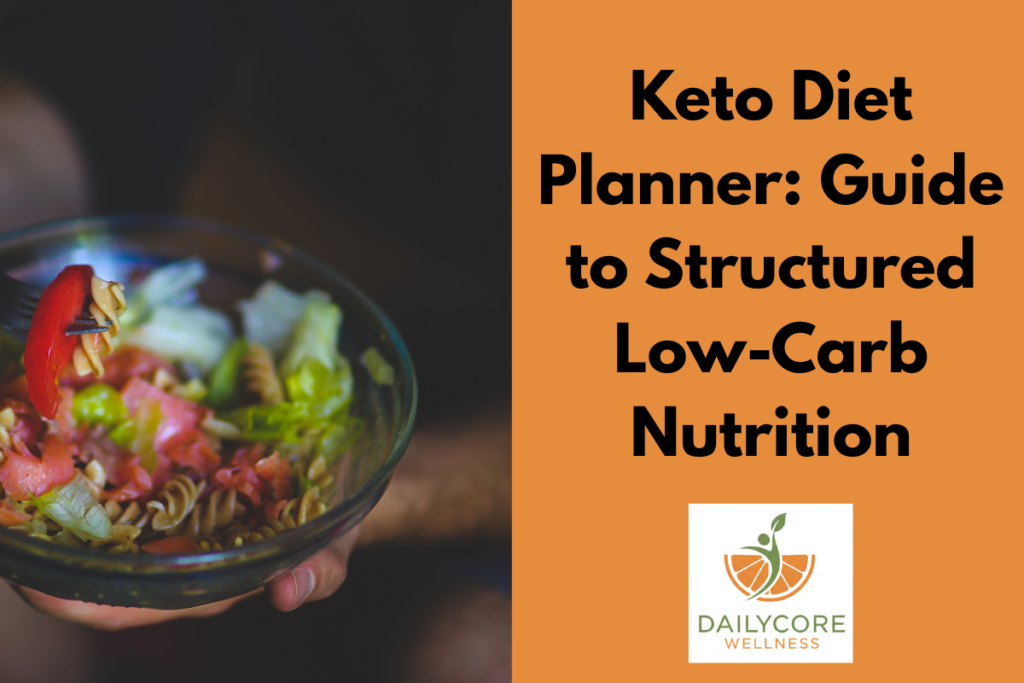
Keto Diet Planner: Guide to Structured Low-Carb Nutrition

A keto diet planner is an essential tool for individuals who want to successfully follow a ketogenic diet while maintaining balanced nutrition and consistent results. The ketogenic diet focuses on significantly reducing carbohydrate intake while increasing healthy fats and moderate protein consumption. This shift in macronutrient balance encourages the body to enter a metabolic state known as ketosis, where fat becomes the primary source of energy instead of carbohydrates.

Using a keto diet planner helps individuals organize meals, track macronutrient intake, and maintain consistency throughout the week. Without a structured plan, it can be difficult to maintain the correct balance of fats, proteins, and carbohydrates required to remain in ketosis. A well-designed planner ensures that daily meals align with ketogenic principles while still providing essential vitamins and minerals needed for overall health.

Another advantage of using a keto diet planner is that it reduces the likelihood of making impulsive food choices. When meals are planned, individuals are less likely to rely on high-carbohydrate foods that can disrupt ketosis. Proper planning also allows for better grocery shopping, meal preparation, and portion control, which all contribute to long-term success on the ketogenic diet.

For individuals pursuing weight loss, improved energy levels, or metabolic health, a keto diet planner provides structure and direction. By organizing meals and monitoring macronutrient intake, individuals can maintain dietary consistency while supporting sustainable fat loss and improved overall wellness.

Understanding the Structure of a Keto Diet Planner

A well-organized keto diet planner focuses on balancing macronutrients to maintain ketosis while ensuring nutritional adequacy. Typically, a ketogenic diet consists of approximately 70 to 75 percent calories from healthy fats, 20 to 25 percent from protein, and only 5 to 10 percent from carbohydrates. This macronutrient structure encourages the body to rely on stored fat for energy, supporting fat burning and weight management.

When creating a keto diet planner, it is important to prioritize nutrient-dense foods that align with ketogenic principles. Healthy fat sources such as avocados, olive oil, nuts, seeds, and fatty fish form the foundation of most meals. Protein sources like eggs, poultry, and lean meats provide essential amino acids while maintaining muscle mass. Low-carbohydrate vegetables such as spinach, broccoli, zucchini, and cauliflower contribute fiber, vitamins, and minerals without significantly increasing carbohydrate intake.

Planning meals also helps individuals monitor carbohydrate consumption more accurately. Even small amounts of hidden carbohydrates can disrupt ketosis if not properly managed. A structured planner ensures that meals remain balanced while supporting metabolic efficiency and sustained energy throughout the day.
Keto Diet Planner: Guide to Structured Low-Carb Nutrition

Benefits of Using a Keto Diet Planner for Long-Term Success

A keto diet planner provides several practical benefits that make it easier to follow the ketogenic lifestyle consistently. One of the most important advantages is improved dietary organization. Planning meals ahead of time reduces decision fatigue and helps individuals stay committed to their nutritional goals. This structured approach also allows for efficient grocery shopping and meal preparation, saving time and effort throughout the week.

Another major benefit is improved macronutrient tracking. Since ketosis depends on maintaining specific carbohydrate limits, having a clear meal plan ensures that each meal contributes to the correct macronutrient balance. Over time, this consistency helps the body adapt to fat metabolism more efficiently, supporting steady energy levels and improved physical performance.

Additionally, a keto diet planner encourages healthier food choices by prioritizing whole foods over processed options. This focus on quality nutrition supports not only weight management but also overall metabolic health. By consistently following a structured plan, individuals can achieve sustainable results while maintaining long-term adherence to the ketogenic lifestyle.

1. Plan Weekly Keto Meals in Advance

One of the most effective ways to use a keto diet planner is by preparing a weekly meal plan that aligns with ketogenic macronutrient requirements. Planning meals ahead of time allows individuals to maintain control over carbohydrate intake while ensuring each meal contains adequate healthy fats and protein. This structure reduces the likelihood of consuming high-carbohydrate foods that can interrupt ketosis.

Weekly planning also simplifies grocery shopping and meal preparation. By organizing meals for the entire week, individuals can purchase the necessary ingredients in advance and avoid last-minute food decisions. Over time, this routine helps build consistent eating habits that support metabolic adaptation to ketosis. A well-planned weekly keto schedule encourages discipline and makes the ketogenic diet more sustainable for long-term success.

2. Prioritize Whole, Low-Carbohydrate Foods

A successful keto diet planner emphasizes whole foods that naturally contain low carbohydrate levels. Foods such as leafy greens, avocados, eggs, fatty fish, nuts, seeds, and healthy oils provide the nutrients required to support both ketosis and overall health. Whole foods also supply important vitamins, minerals, and antioxidants that support metabolic processes and energy production.

Avoiding highly processed foods is particularly important when following a ketogenic diet. Processed items often contain hidden sugars or starches that can increase carbohydrate intake beyond the desired limit. By focusing on natural, nutrient-dense foods, individuals can maintain a stable ketogenic state while supporting long-term wellness. Consistently prioritizing whole foods improves both the effectiveness and sustainability of a keto diet planner.

See also  Effective Food for Heart Disease Prevention

3. Track Macronutrients Consistently

Tracking macronutrients is an important component of any keto diet planner. Because the ketogenic diet requires a specific balance of fats, proteins, and carbohydrates, monitoring these nutrients helps ensure the body remains in ketosis. Accurate tracking allows individuals to adjust portion sizes or food choices when necessary.

Consistent tracking also provides valuable insight into dietary patterns and progress. Individuals can identify which foods support their energy levels and which may interfere with ketosis. Over time, this awareness makes it easier to maintain the correct macronutrient ratio without constant calculation. Developing the habit of monitoring macronutrients strengthens adherence to the ketogenic diet and supports more predictable, long-term results.

4. Prepare Keto-Friendly Snacks

Including keto-friendly snacks in a keto diet planner helps prevent hunger and maintain energy between meals. Snacks such as nuts, cheese, boiled eggs, and avocado-based options provide healthy fats and moderate protein without significantly increasing carbohydrate intake.

Having prepared snacks available reduces the temptation to consume high-carbohydrate convenience foods. These snacks also help maintain steady energy levels throughout the day, which is particularly important during the early stages of adapting to ketosis. Incorporating structured snack options into a keto diet planner supports appetite control and helps maintain dietary consistency, which is essential for achieving long-term success with the ketogenic lifestyle.

5. Adjust the Planner Based on Individual Needs

Every individual responds differently to the ketogenic diet, so an effective keto diet planner should remain flexible and adaptable. Factors such as activity level, body composition goals, and metabolic response may influence the ideal macronutrient ratio or meal structure. Monitoring progress and making gradual adjustments ensures the planner remains effective over time.

For example, individuals who engage in frequent physical activity may require slightly higher protein intake, while others may benefit from adjusting fat intake to maintain energy balance. Reviewing dietary progress regularly allows individuals to refine their meal plans and maintain ketosis more effectively. Adapting the keto diet planner to personal needs ensures that the diet remains sustainable and supportive of long-term health and fitness goals.

6. Focus on Healthy Fat Sources

Healthy fats are the foundation of any effective keto diet planner because they provide the majority of daily calories in a ketogenic diet. Foods such as avocados, olive oil, coconut oil, butter, nuts, and seeds offer high-quality fats that support energy production while helping the body remain in ketosis. These fats also provide important nutrients that support brain function, hormone balance, and overall metabolic health.

Including a variety of healthy fats in daily meals helps ensure balanced nutrition and prevents dietary monotony. For example, adding olive oil to salads, avocado to meals, or nuts to snacks can significantly increase fat intake while maintaining low carbohydrate levels. Over time, consistently prioritizing healthy fat sources supports sustained energy, improved satiety, and more effective adherence to a keto diet planner.

7. Include Low-Carbohydrate Vegetables

Low-carbohydrate vegetables are an essential component of a keto diet planner because they provide fiber, vitamins, and minerals without significantly increasing carbohydrate intake. Vegetables such as spinach, broccoli, cauliflower, zucchini, kale, and asparagus support digestive health and contribute to overall nutrient balance while keeping the body in ketosis.

Incorporating a variety of these vegetables into meals helps maintain micronutrient intake that may otherwise be limited on a strict ketogenic diet. They also add volume and texture to meals, making them more satisfying and nutritionally complete. Regularly including low-carbohydrate vegetables helps improve digestion, maintain electrolyte balance, and support long-term health while following a ketogenic eating plan.

8. Maintain Proper Hydration

Hydration is an often-overlooked element of a successful keto diet planner. When individuals transition into ketosis, the body tends to lose water more rapidly due to reduced carbohydrate storage and glycogen depletion. As a result, maintaining adequate fluid intake becomes essential for preventing fatigue, headaches, and reduced physical performance.

Drinking sufficient water throughout the day helps regulate body temperature, support metabolic processes, and maintain electrolyte balance. In addition to water, incorporating electrolyte-rich foods or beverages may help support hydration levels. Consistent hydration improves energy levels and overall well-being while ensuring the ketogenic diet remains sustainable and comfortable to follow over the long term.

9. Monitor Carbohydrate Intake Carefully

A key principle of a keto diet planner is strict monitoring of carbohydrate intake. Even small amounts of excess carbohydrates can interrupt ketosis and slow progress toward weight management or metabolic goals. Therefore, individuals following a ketogenic diet must remain mindful of the carbohydrate content in foods and beverages.

Careful monitoring encourages individuals to prioritize low-carbohydrate food sources while avoiding hidden sugars and starches often found in processed foods. Reading nutrition labels and understanding portion sizes can significantly improve accuracy when tracking daily carbohydrate intake. Over time, consistent monitoring helps maintain ketosis more effectively and strengthens adherence to the ketogenic lifestyle.

10. Prepare Meals at Home

Preparing meals at home is an important strategy within a keto diet planner because it provides greater control over ingredients and macronutrient composition. Restaurant meals and packaged foods often contain hidden carbohydrates or unhealthy fats that can disrupt ketosis and reduce the effectiveness of the diet.

See also  30 Best Nutritious Recipes for Clean Living Meals

Cooking at home allows individuals to select high-quality ingredients, measure portions accurately, and maintain the desired balance of fats, proteins, and carbohydrates. It also supports better meal consistency and encourages healthier eating habits overall. Over time, regular home meal preparation strengthens commitment to the ketogenic lifestyle and improves the long-term sustainability of the keto diet planner.

11. Use Keto-Friendly Cooking Oils

Cooking oils play an important role in a keto diet planner because they contribute significantly to daily fat intake. Oils such as olive oil, coconut oil, avocado oil, and butter provide healthy fats that support ketosis and provide sustained energy throughout the day.

Using keto-friendly oils when preparing meals enhances flavor while maintaining the proper macronutrient balance required for a ketogenic diet. These oils also contain beneficial fatty acids and antioxidants that support cardiovascular and metabolic health. Regularly incorporating these cooking oils into meals helps ensure adequate fat intake while supporting the long-term effectiveness of a keto diet planner.

12. Include Moderate Protein Portions

While fats are the primary energy source in a ketogenic diet, protein remains an important component of a keto diet planner. Protein supports muscle maintenance, tissue repair, and overall metabolic function. However, excessive protein intake may interfere with ketosis in some individuals, making moderation essential.

Choosing high-quality protein sources such as eggs, poultry, fish, and lean meats ensures the body receives essential amino acids without excessive carbohydrate intake. Balanced protein portions help preserve lean muscle mass while supporting overall health and physical performance. Maintaining moderate protein intake allows the ketogenic diet to function effectively while meeting the body’s nutritional needs.

13. Plan Grocery Shopping Around Keto Foods

A successful keto diet planner includes structured grocery shopping that prioritizes ketogenic-friendly foods. Planning grocery trips with a clear list of low-carbohydrate vegetables, healthy fats, quality proteins, and keto snacks helps ensure the kitchen is stocked with appropriate ingredients.

This preparation reduces the likelihood of purchasing high-carbohydrate processed foods that may disrupt ketosis. Organized grocery planning also saves time and simplifies meal preparation during the week. Over time, consistent grocery planning strengthens adherence to the ketogenic lifestyle and makes it easier to maintain healthy eating habits.

14. Rotate Keto Meal Options

Variety is an important factor in maintaining long-term adherence to a keto diet planner. Repeating the same meals every day can lead to boredom, which may increase the temptation to abandon the diet. Rotating meal options ensures dietary diversity while maintaining ketogenic macronutrient ratios.

Introducing different proteins, vegetables, and healthy fats keeps meals interesting while providing a wider range of nutrients. This diversity supports overall health and improves satisfaction with the diet. Over time, a varied keto meal plan becomes easier to maintain and contributes to sustainable long-term results.

15. Track Progress and Adjust the Plan

Monitoring progress is an essential step in optimizing a keto diet planner. Tracking factors such as body weight, energy levels, physical performance, and overall well-being provides valuable feedback on how the diet is working. This information allows individuals to make adjustments when necessary.

If progress slows or energy levels decline, adjusting macronutrient intake or meal timing may help restore balance. Consistent progress tracking encourages accountability and helps individuals remain focused on long-term health and fitness goals. Over time, refining the keto diet planner based on personal results leads to more sustainable and effective outcomes.

16. Stay Consistent with Your Keto Diet Planner

Consistency is one of the most important factors when following a keto diet planner. The ketogenic diet works by shifting the body into a metabolic state known as ketosis, where fat becomes the primary source of fuel instead of carbohydrates. However, this metabolic transition requires time and strict adherence to low-carbohydrate intake. A well-structured keto diet planner helps maintain this consistency by organizing meals, snacks, and macronutrient ratios in advance.

When individuals follow their keto diet planner consistently, they reduce the likelihood of accidental carb consumption that could disrupt ketosis. Planning meals also eliminates daily decision fatigue and helps maintain focus on high-fat, moderate-protein, and very low-carbohydrate foods. Over time, consistency strengthens metabolic adaptation, improves energy levels, and supports sustainable fat loss. A disciplined approach to following a keto diet planner ensures long-term success and better overall health outcomes.

17. Choose Whole Foods Instead of Processed Keto Products

While many packaged foods claim to be keto-friendly, relying heavily on processed keto snacks can undermine the effectiveness of a keto diet planner. Whole foods such as avocados, eggs, fatty fish, nuts, seeds, and leafy vegetables provide essential nutrients that support metabolism and overall health. A well-designed keto diet planner prioritizes these natural foods rather than heavily processed alternatives.

Whole foods contain vitamins, minerals, fiber, and antioxidants that support digestion, immune function, and energy production. Processed keto products may technically fit carbohydrate limits, but often contain artificial ingredients, unhealthy fats, or excess sodium. By focusing on whole, nutrient-rich foods, individuals can ensure their keto diet planner supports both ketosis and long-term health. This approach also improves satiety, helping individuals maintain their diet without constant hunger or cravings.

See also  40 Best Diet for Heart Disease Reversal

18. Incorporate Healthy Fats Strategically

Healthy fats form the foundation of a successful keto diet planner. Foods such as olive oil, avocado oil, nuts, seeds, fatty fish, and avocados provide the majority of daily calories in a ketogenic diet. Including these fats strategically helps maintain ketosis while delivering sustained energy throughout the day.

A balanced keto diet planner distributes fat intake across meals to maintain stable energy levels and prevent excessive hunger. Healthy fats also support hormone production, brain function, and nutrient absorption. Choosing high-quality fats rather than processed or hydrogenated oils ensures the body receives beneficial fatty acids. When incorporated thoughtfully, healthy fats improve satiety and make it easier to maintain the ketogenic lifestyle over time. This strategic approach strengthens the effectiveness of a keto diet planner and supports consistent metabolic performance.

19. Monitor Electrolyte Intake

Electrolyte balance is an often-overlooked aspect of following a keto diet planner. When carbohydrate intake is significantly reduced, the body excretes more water and electrolytes, including sodium, potassium, and magnesium. Without proper replenishment, individuals may experience fatigue, headaches, or muscle cramps during the early stages of the ketogenic diet.

A comprehensive keto diet planner includes foods rich in essential electrolytes, such as leafy greens, avocados, nuts, seeds, and bone broth. Adequate hydration also plays a crucial role in maintaining electrolyte balance. Monitoring these nutrients ensures that the body adapts smoothly to ketosis while maintaining optimal physical performance and mental clarity. Addressing electrolyte needs is a critical component of maintaining a sustainable ketogenic diet plan.

20. Adjust Your Keto Diet Planner Based on Progress

A successful keto diet planner is not static; it should evolve based on progress, lifestyle changes, and personal goals. Individuals may initially follow strict macronutrient ratios to achieve ketosis, but adjustments may be necessary as the body adapts and weight loss progresses. Regularly evaluating energy levels, performance, and body composition helps determine whether modifications are required.

Tracking meals, macronutrients, and overall health markers allows individuals to refine their keto diet planner over time. Some people may benefit from slightly higher protein intake for muscle preservation, while others may adjust calorie intake to support continued fat loss. By reviewing progress and making strategic adjustments, individuals can maintain momentum and avoid plateaus. A flexible yet structured keto diet planner supports long-term adherence and sustainable health improvements.

21. Maintain Long-Term Discipline with Your Keto Diet Planner

Long-term discipline is essential for sustaining results with a keto diet planner. Many individuals begin the ketogenic diet with strong motivation but struggle to maintain consistency once the initial excitement fades. Developing disciplined eating habits and following a structured plan helps prevent relapse into high-carbohydrate eating patterns.

A reliable keto diet planner encourages routine and accountability by clearly outlining daily meals, portion sizes, and macronutrient targets. Over time, this structure helps transform short-term dietary changes into sustainable lifestyle habits. Discipline also helps individuals navigate social events, busy schedules, and unexpected challenges without abandoning their nutritional goals. By maintaining commitment and consistently following a well-designed keto diet planner, individuals can achieve lasting fat loss, improved metabolic health, and long-term dietary success.

Conclusion

A keto diet planner provides a structured approach to following the ketogenic diet while maintaining balanced nutrition and consistent results. By organizing meals, monitoring macronutrients, and preparing foods in advance, individuals can maintain the precise nutritional balance required to support ketosis. This level of organization simplifies daily food choices and helps individuals stay committed to their dietary goals.

Consistency is one of the most important factors in achieving success with a ketogenic diet. Sporadic adherence or frequent high-carbohydrate meals can disrupt ketosis and slow progress. A well-designed keto diet planner eliminates uncertainty by providing a clear roadmap for daily meals and snacks, helping individuals remain focused on their long-term objectives.

Over time, consistent planning also improves overall dietary habits. Individuals become more familiar with ketogenic food choices, portion sizes, and nutrient balance. This knowledge allows them to make informed decisions that support metabolic health, energy stability, and improved body composition.

Ultimately, the effectiveness of a keto diet planner depends on long-term commitment and consistent implementation. By maintaining a structured approach to meal planning and nutrition, individuals can achieve sustainable weight management, improved metabolic function, and lasting health benefits associated with the ketogenic lifestyle.


Leave a Reply

Your email address will not be published. Required fields are marked *

You May Also Like