A keto meal plan for 30 days provides a structured approach to starting and maintaining the ketogenic diet. The ketogenic diet focuses on reducing carbohydrate intake while increasing healthy fats and maintaining moderate protein consumption. This dietary shift encourages the body to enter ketosis, a metabolic state where fat becomes the primary energy source instead of carbohydrates. Following a 30-day keto plan allows the body enough time to adapt to this metabolic change.
Many individuals struggle with dietary changes because they lack structure or clear guidelines. A keto meal plan for 30 days removes much of the uncertainty by providing a consistent framework for meal planning. When meals are organized in advance, individuals can maintain appropriate macronutrient ratios while ensuring their bodies receive the nutrients necessary for energy, recovery, and overall health.
Consistency is particularly important during the first month of the ketogenic diet. The body gradually adjusts from relying on carbohydrates to using stored fat for fuel. During this transition period, structured meals rich in healthy fats, protein, and low-carbohydrate vegetables help maintain energy levels while supporting metabolic adaptation.
Understanding the Structure of a Keto Meal Plan for 30 Days
A 30-day keto meal plan typically follows a specific macronutrient distribution that promotes ketosis. Most ketogenic diets consist of approximately 70–75 percent of daily calories from healthy fats, 20–25 percent from protein, and 5–10 percent from carbohydrates. Maintaining this balance allows the body to transition into fat metabolism while still receiving adequate nutrients for overall health.
Foods commonly included in a ketogenic meal plan include eggs, fatty fish, avocados, olive oil, nuts, seeds, butter, cheese, and low-carbohydrate vegetables such as spinach, broccoli, zucchini, and cauliflower. These foods provide essential nutrients while keeping carbohydrate intake within the limits required for ketosis. At the same time, foods such as refined grains, sugary beverages, pastries, and starchy vegetables are typically minimized to maintain metabolic balance.
Planning meals for an entire month encourages consistency and reduces decision fatigue. Instead of making daily food choices, individuals follow a structured schedule of balanced meals. This structure helps maintain appropriate macronutrient intake while simplifying grocery shopping and meal preparation.
Over the course of 30 days, the body gradually adapts to ketosis. Many individuals experience improved appetite control, more stable energy levels, and greater awareness of food quality. A structured ketogenic meal plan supports this adaptation while ensuring nutritional balance and sustainability.
How a Keto Meal Plan for 30 Days Works
A keto meal plan for 30 days is designed to gradually transition the body into ketosis while maintaining consistent nutrition and energy levels. The ketogenic diet significantly reduces carbohydrate intake and replaces those calories with healthy fats and moderate protein. This metabolic shift encourages the body to burn stored fat for energy rather than relying on glucose from carbohydrates.
During the first week of a keto meal plan for 30 days, the body begins adapting to lower carbohydrate intake. Glycogen stores become depleted, which prompts the body to start producing ketones as an alternative fuel source. Many individuals notice early changes in appetite and energy levels during this stage as the body adjusts to the new metabolic environment.
As the weeks progress, the body becomes more efficient at using fat as its primary energy source. Meals in a structured ketogenic plan typically include foods such as eggs, fatty fish, avocados, olive oil, nuts, seeds, and low-carbohydrate vegetables. These foods provide essential nutrients while keeping carbohydrate intake low enough to maintain ketosis.
Following a consistent meal plan for the full 30 days helps stabilize eating patterns and improve dietary discipline. This structured approach ensures that macronutrient intake remains balanced while supporting metabolic adaptation and long-term adherence to ketogenic eating habits.
How to Structure Meals in a Keto Meal Plan for 30 Days
A successful keto meal plan for 30 days relies on proper macronutrient distribution. Most ketogenic diets consist of approximately 70–75 percent fat, 20–25 percent protein, and 5–10 percent carbohydrates. This balance ensures that the body remains in ketosis while still receiving the nutrients necessary for energy, recovery, and daily function.
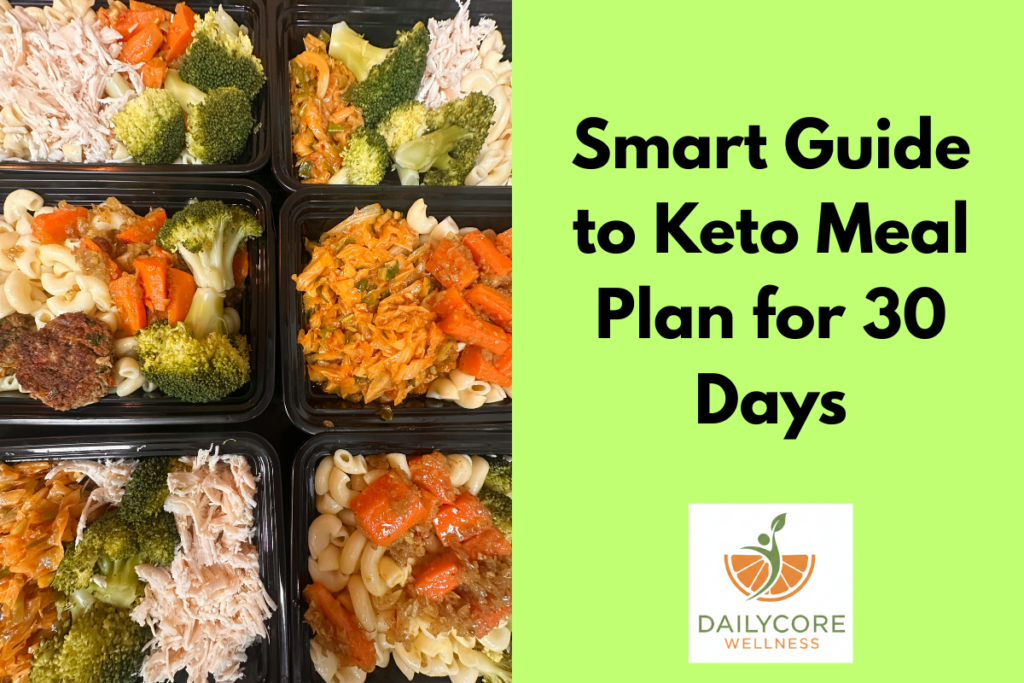
Each meal should include a combination of healthy fats, moderate protein, and low-carbohydrate vegetables. For example, a typical keto breakfast may consist of eggs cooked in butter with avocado. Lunch might include grilled chicken salad with olive oil dressing, while dinner could feature salmon with roasted broccoli and zucchini.
Meal preparation is another key factor in maintaining a ketogenic diet for 30 days. Preparing ingredients ahead of time, cooking proteins in batches, and storing keto-friendly snacks can simplify daily food decisions. This preparation reduces the likelihood of consuming high-carbohydrate foods when convenient options are limited.
Maintaining consistent meal patterns throughout the month helps reinforce healthy dietary habits. When meals follow a predictable structure, individuals can more easily control carbohydrate intake, maintain ketosis, and support long-term dietary success without unnecessary complexity.
Day 1 – Eggs, Avocado, and Spinach Focus
Breakfast: Scrambled eggs cooked in butter with spinach and avocado.
Lunch: Grilled chicken salad with olive oil, cucumber, and leafy greens.
Dinner: Baked salmon with roasted zucchini and broccoli.
Snack (optional): A handful of almonds.
Starting your keto journey with eggs and avocado provides high-quality protein and healthy fats, which kickstart ketosis. Leafy greens and zucchini supply fiber and micronutrients without exceeding carb limits. This simple, balanced structure keeps hunger at bay while supporting fat adaptation. Including protein in every meal preserves lean muscle during the metabolic shift.
Day 2 – Salmon and Egg Plan
Breakfast: Omelet with cheese, mushrooms, and chives.
Lunch: Smoked salmon with avocado, cucumber, and olive oil dressing.
Dinner: Pan-seared cod with sautéed spinach and cauliflower rice.
Snack: Celery sticks with cream cheese.
This day emphasizes omega-3-rich fish and moderate protein. Eggs and cheese supply essential nutrients while maintaining high-fat intake. Low-carb vegetables support digestion and micronutrient needs. By alternating protein sources like salmon and cod, the body receives amino acids and healthy fats necessary for sustained energy. This plan helps maintain ketosis while reducing carb-induced cravings and stabilizing blood sugar.
Day 3 – Chicken and Cheese Emphasis
Breakfast: Scrambled eggs with cheddar and avocado slices.
Lunch: Grilled chicken thighs with roasted bell peppers and olive oil.
Dinner: Zucchini noodles with cream-based Alfredo sauce and grilled chicken.
Snack: Walnuts or macadamia nuts.
Using chicken thighs adds healthy fats while providing moderate protein to preserve lean muscle. Low-carb vegetables like zucchini and bell peppers increase fiber and satiety. Incorporating cheese and olive oil ensures adequate fat intake for energy. This day balances micronutrients, fats, and protein to maintain ketosis, while the variety prevents taste fatigue.
Day 4 – Fish and Veggie Rotation
Breakfast: Boiled eggs with avocado and a sprinkle of chia seeds.
Lunch: Tuna salad with celery, mayonnaise, and leafy greens.
Dinner: Baked salmon with roasted asparagus and a side of buttered cauliflower.
Snack: A small serving of olives.
Seafood provides high-quality fats and essential omega-3s. Chia seeds offer fiber and micronutrients. By combining fatty fish with low-carb vegetables, this day maximizes nutrient density while keeping carbohydrates low. Olive-based snacks and healthy fats throughout the day stabilize energy levels and prevent cravings. This combination supports fat-burning while preserving muscle mass during the early keto phase.
Day 5 – Avocado and Egg Cycle
Breakfast: Spinach and cheese omelet with sliced avocado.
Lunch: Grilled chicken salad with olive oil, cucumber, and pumpkin seeds.
Dinner: Cod baked with butter and served with steamed broccoli and zucchini.
Snack: Handful of pecans.
Avocado and pumpkin seeds provide healthy monounsaturated fats that increase satiety. Eggs and chicken supply protein without excess carbs. The combination of fiber-rich vegetables and fat-rich ingredients ensures fullness and stable energy throughout the day. This approach supports ketosis while providing essential vitamins and minerals for long-term metabolic adaptation.
Day 6 – Fatty Fish and Nuts
Breakfast: Smoked salmon with cream cheese and cucumber slices.
Lunch: Sardine salad with leafy greens, olive oil, and avocado.
Dinner: Grilled mackerel with roasted asparagus and cauliflower mash.
Snack: Walnuts or macadamia nuts.
Including fatty fish daily delivers omega-3s and essential proteins, promoting fat-burning and cardiovascular health. Nuts provide energy-dense fats that help maintain ketosis. Low-carb vegetables balance micronutrient intake and fiber. Alternating types of fish keeps the diet flavorful while sustaining high-fat, low-carb ratios necessary for consistent ketosis.
Day 7 – Chicken and Veggie Mix
Breakfast: Scrambled eggs with sautéed mushrooms and avocado.
Lunch: Grilled chicken breast with roasted zucchini, olive oil, and spinach salad.
Dinner: Chicken thighs with cauliflower rice and steamed broccoli.
Snack: A small portion of almonds.
This day focuses on versatile protein sources and nutrient-dense vegetables. Eggs and chicken provide satiety and support muscle preservation. Olive oil, avocado, and nuts ensure sufficient fat for energy in ketosis. Vegetables like broccoli and zucchini supply fiber, vitamins, and minerals, keeping meals satisfying while maintaining low carbohydrate levels.
Day 8 – Seafood and Cheese Day
Breakfast: Omelet with smoked salmon, cream cheese, and chives.
Lunch: Shrimp salad with avocado, cucumber, and olive oil dressing.
Dinner: Baked salmon with roasted Brussels sprouts and cauliflower.
Snack: Olives or macadamia nuts.
Seafood offers high-quality protein and omega-3 fatty acids, which support fat metabolism. Including cheese and healthy fats ensures energy needs are met for ketosis. Low-carb vegetables supply fiber and antioxidants, supporting digestive health and reducing cravings. Alternating seafood types prevents taste fatigue and keeps nutrient intake diverse.
Day 9 – Egg and Chicken Combo
Breakfast: Two boiled eggs with avocado slices.
Lunch: Grilled chicken salad with leafy greens, olive oil, and sunflower seeds.
Dinner: Pan-seared chicken thighs with sautéed zucchini and cauliflower rice.
Snack: Handful of almonds.
This day emphasizes lean and fatty protein sources combined with nutrient-dense, low-carb vegetables. Eggs and chicken support muscle preservation while providing moderate protein. Healthy fats from olive oil, avocado, and seeds maintain energy levels. The combination stabilizes appetite, reduces cravings, and ensures nutrient adequacy while supporting ketosis.
Day 10 – Fatty Fish Rotation
Breakfast: Smoked salmon with avocado and a sprinkle of chia seeds.
Lunch: Tuna salad with leafy greens, olive oil, and cucumber slices.
Dinner: Baked mackerel with steamed broccoli and roasted asparagus.
Snack: Walnuts or macadamia nuts.
Fatty fish ensures omega-3 intake, which supports metabolic function and cardiovascular health. Avocado, nuts, and olive oil provide high-fat calories for ketosis. Low-carb vegetables add fiber, vitamins, and antioxidants. Alternating types of fish helps maintain dietary variety while reinforcing fat-burning and satiety. This structure makes the 30-day plan sustainable and balanced.
Day 11 – Chicken and Avocado Focus
Breakfast: Omelet with spinach, mushrooms, and cheddar cheese.
Lunch: Grilled chicken with avocado, cucumber, and olive oil dressing.
Dinner: Chicken thighs roasted with zucchini and broccoli.
Snack: Handful of pecans.
This day emphasizes moderate protein from chicken and healthy fats from avocado, olive oil, and nuts. Low-carb vegetables provide fiber, vitamins, and minerals to maintain digestion and fullness. The combination ensures energy stability, supports ketosis, and preserves lean muscle. Rotating eggs and chicken prevents monotony while offering nutrient variety. Simple preparation keeps the plan sustainable and manageable for daily life.
Day 12 – Fatty Fish and Eggs
Breakfast: Scrambled eggs with avocado slices.
Lunch: Tuna salad with leafy greens, olive oil, and pumpkin seeds.
Dinner: Baked salmon with roasted asparagus and cauliflower mash.
Snack: Walnuts.
Including omega-3-rich fish supports heart health while providing satiety and healthy fat for ketosis. Eggs offer protein and essential nutrients, while low-carb vegetables supply fiber and micronutrients. Nuts and seeds add extra fat to maintain energy and fullness. This combination stabilizes appetite, prevents carb cravings, and supports sustainable fat-burning over the 30 days.
Day 13 – Chicken and Low-Carb Vegetables
Breakfast: Boiled eggs with avocado and sautéed spinach.
Lunch: Grilled chicken salad with olive oil and cucumber.
Dinner: Pan-seared chicken thighs with roasted zucchini and broccoli.
Snack: Celery sticks with cream cheese.
Focusing on chicken ensures consistent protein intake for muscle maintenance. Low-carb vegetables like broccoli, spinach, and zucchini provide fiber, antioxidants, and micronutrients without affecting ketosis. Avocado and cream cheese contribute healthy fats to sustain energy. This combination promotes fullness, reduces cravings, and provides balanced nutrition throughout the day, making it ideal for consistent keto adherence.
Day 14 – Seafood and Egg Rotation
Breakfast: Omelet with smoked salmon, cream cheese, and chives.
Lunch: Shrimp salad with avocado, cucumber, and olive oil.
Dinner: Baked cod with roasted asparagus and buttered cauliflower.
Snack: Handful of macadamia nuts.
Seafood supplies high-quality protein and omega-3 fatty acids essential for metabolic health. Eggs and cheese maintain satiety and energy. Low-carb vegetables add fiber, antioxidants, and micronutrients to support digestion and overall wellness. Healthy fats throughout the day keep the body in ketosis, stabilize energy, and reduce cravings. Rotating seafood types ensures nutrient diversity and flavor variety.
Day 15 – Chicken, Eggs, and Avocado
Breakfast: Scrambled eggs with spinach and avocado.
Lunch: Grilled chicken salad with olive oil and leafy greens.
Dinner: Pan-seared chicken thighs with roasted zucchini and cauliflower.
Snack: Walnuts or pecans.
This combination balances moderate protein, healthy fats, and low-carb vegetables. Eggs and chicken support lean muscle preservation, while avocado, olive oil, and nuts supply fat for energy. Low-carb vegetables provide fiber, vitamins, and minerals to keep digestion healthy and appetite stable. This simple rotation allows for meal consistency, supporting sustained ketosis and long-term dietary adherence.
Day 16 – Fatty Fish and Cheese
Breakfast: Smoked salmon with cream cheese and avocado.
Lunch: Sardine salad with leafy greens, olive oil, and cucumber.
Dinner: Grilled mackerel with roasted asparagus and cauliflower rice.
Snack: Handful of macadamia nuts.
Omega-3 fatty acids from fish support fat metabolism and cardiovascular health. Cheese, avocado, and olive oil provide energy-dense fats, promoting satiety and stable blood sugar. Low-carb vegetables supply fiber and essential micronutrients. This day maintains a high-fat, moderate-protein, low-carb structure for ketosis while keeping meals flavorful and nutrient-dense.
Day 17 – Chicken and Veggie Mix
Breakfast: Boiled eggs with sautéed spinach and avocado.
Lunch: Grilled chicken breast with roasted zucchini and leafy greens.
Dinner: Chicken thighs with cauliflower mash and buttered broccoli.
Snack: Handful of almonds.
Chicken provides consistent protein, while eggs add essential nutrients and satiety. Low-carb vegetables deliver fiber and antioxidants to maintain digestive health. Healthy fats from avocado, nuts, and butter sustain energy and support ketosis. Rotating simple meals reduces decision fatigue, making adherence to a 30-day plan practical and sustainable.
Day 18 – Seafood and Egg Combination
Breakfast: Omelet with smoked salmon and cream cheese.
Lunch: Tuna salad with leafy greens, olive oil, and cucumber.
Dinner: Baked cod with roasted asparagus and cauliflower mash.
Snack: Olives or macadamia nuts.
This day emphasizes protein from seafood and eggs for lean muscle preservation. Omega-3 fats improve metabolism and cardiovascular support. Low-carb vegetables provide fiber and micronutrients. Healthy fats throughout meals stabilize energy and maintain ketosis. Meal variety with seafood prevents monotony while ensuring nutrient diversity.
Day 19 – Chicken and Avocado Day
Breakfast: Scrambled eggs with avocado slices.
Lunch: Grilled chicken salad with olive oil, leafy greens, and pumpkin seeds.
Dinner: Chicken thighs with roasted zucchini and buttered cauliflower.
Snack: Walnuts.
Chicken and eggs provide consistent protein, supporting lean muscle during fat-burning. Avocado, olive oil, and nuts supply fat to maintain energy in ketosis. Low-carb vegetables deliver essential fiber and micronutrients for digestive health. This balanced combination promotes satiety, reduces cravings, and makes the 30-day keto plan sustainable for long-term adherence.
Day 20 – Fatty Fish Rotation
Breakfast: Smoked salmon with avocado and chia seeds.
Lunch: Sardine salad with leafy greens, olive oil, and cucumber.
Dinner: Baked mackerel with roasted asparagus and cauliflower rice.
Snack: Handful of macadamia nuts.
Fatty fish provides omega-3s and protein, supporting heart and metabolic health. Avocado, nuts, and olive oil supply high-fat calories for energy and satiety. Low-carb vegetables deliver fiber and micronutrients for digestion. Rotating seafood types maintains flavor diversity while reinforcing consistent ketosis and nutrient balance.
Day 21 – Egg and Chicken Cycle
Breakfast: Boiled eggs with avocado slices.
Lunch: Grilled chicken with roasted zucchini and spinach salad.
Dinner: Pan-seared chicken thighs with cauliflower mash.
Snack: Pecans or walnuts.
Protein from chicken and eggs preserves lean muscle while fat from avocado and nuts supports energy needs. Fiber-rich vegetables stabilize digestion and promote satiety. This structured combination is simple, satisfying, and effective in maintaining ketosis throughout the 30-day plan.
Day 22 – Seafood and Cheese
Breakfast: Omelet with smoked salmon and cream cheese.
Lunch: Shrimp salad with avocado and leafy greens.
Dinner: Baked cod with roasted asparagus and cauliflower.
Snack: Olives or macadamia nuts.
Seafood provides lean protein and omega-3 fatty acids. Cheese and avocado supply fat for energy, while vegetables provide fiber and micronutrients. Rotating seafood and cheese ensures nutrient diversity and flavor variation, supporting consistent ketosis and satiety.
Day 23 – Chicken and Veggie Day
Breakfast: Scrambled eggs with spinach and avocado.
Lunch: Grilled chicken with roasted zucchini and broccoli.
Dinner: Pan-seared chicken thighs with cauliflower rice and olive oil.
Snack: Walnuts.
The combination of moderate protein, healthy fats, and low-carb vegetables ensures satiety, energy stability, and ketosis maintenance. Repeating simple, nutrient-dense meals allows for consistency, which is crucial for the 30-day plan to be effective.
Day 24 – Fatty Fish and Egg Rotation
Breakfast: Boiled eggs with avocado.
Lunch: Tuna salad with leafy greens, olive oil, and cucumber.
Dinner: Baked salmon with roasted asparagus and cauliflower mash.
Snack: Handful of macadamia nuts.
Fatty fish and eggs supply high-quality protein and omega-3 fats, supporting fat-burning and muscle preservation. Healthy fats and low-carb vegetables maintain energy, satiety, and nutrient intake while keeping carbohydrate consumption low for ketosis.
Day 25 – Chicken, Egg, and Avocado
Breakfast: Omelet with spinach and avocado.
Lunch: Grilled chicken salad with olive oil and leafy greens.
Dinner: Pan-seared chicken thighs with cauliflower mash and roasted zucchini.
Snack: Walnuts or pecans.
This day balances protein, healthy fats, and fiber-rich vegetables. Eggs, chicken, avocado, and nuts stabilize energy, prevent cravings, and maintain ketosis. A simple rotation ensures ease of preparation and supports adherence to the 30-day plan.
Day 26 – Seafood Emphasis
Breakfast: Smoked salmon with avocado slices.
Lunch: Sardine salad with leafy greens, olive oil, and cucumber.
Dinner: Baked mackerel with roasted asparagus and cauliflower rice.
Snack: Macadamia nuts.
Seafood provides omega-3 fatty acids and lean protein. Healthy fats and fiber-rich vegetables maintain satiety, support energy stability, and reinforce ketosis. Rotating fish ensures nutrient diversity while keeping meals flavorful and satisfying.
Day 27 – Chicken and Low-Carb Vegetables
Breakfast: Scrambled eggs with avocado and spinach.
Lunch: Grilled chicken with roasted zucchini and broccoli.
Dinner: Pan-seared chicken thighs with cauliflower mash and butter.
Snack: Almonds or pecans.
Chicken provides protein to preserve lean muscle. Avocado, nuts, and olive oil deliver energy-dense fats to sustain ketosis. Fiber from vegetables ensures digestion, satiety, and nutrient balance. Simple, repetitive meals enhance adherence and reduce decision fatigue.
Day 28 – Fatty Fish and Egg Focus
Breakfast: Omelet with smoked salmon and cream cheese.
Lunch: Tuna salad with leafy greens, avocado, and olive oil.
Dinner: Baked cod with roasted asparagus and buttered cauliflower.
Snack: Handful of macadamia nuts.
Fish and eggs supply protein and omega-3 fatty acids for metabolic health. Healthy fats maintain energy and satiety, while low-carb vegetables provide fiber and micronutrients. This structured day ensures ketosis is maintained while keeping meals simple and nutrient-dense.
Day 29 – Chicken and Avocado Cycle
Breakfast: Boiled eggs with avocado slices.
Lunch: Grilled chicken salad with olive oil and leafy greens.
Dinner: Pan-seared chicken thighs with roasted zucchini and cauliflower mash.
Snack: Walnuts or pecans.
Moderate protein from chicken and eggs preserves muscle, while avocado and nuts supply healthy fats for energy and satiety. Vegetables provide fiber and micronutrients. Rotating these simple meals supports consistent ketosis and makes the 30-day plan sustainable.
Day 30 – Fatty Fish Celebration Day
Breakfast: Scrambled eggs with smoked salmon and avocado.
Lunch: Shrimp salad with leafy greens, olive oil, and cucumber.
Dinner: Baked salmon with roasted asparagus and cauliflower rice.
Snack: Macadamia nuts.
Ending the 30-day plan with seafood ensures omega-3 intake and high-quality protein. Healthy fats and low-carb vegetables maintain energy and satiety. This structure reinforces habits built over the past month, supporting long-term adherence to the ketogenic diet while ensuring meals are balanced, nutrient-dense, and enjoyable.
Benefits of Following a 30-Day Keto Meal Plan
Following a keto meal plan for 30 days offers several advantages for individuals seeking improved dietary consistency and metabolic health. One of the primary benefits is the ability to establish routine eating habits. Structured meal planning removes guesswork and encourages individuals to consume foods that align with ketogenic guidelines consistently.
Another benefit of a 30-day plan is the opportunity to observe how the body responds to a low-carbohydrate diet. During this period, individuals often notice changes in hunger patterns, energy levels, and food preferences. High-fat and moderate-protein meals tend to promote satiety, which may reduce cravings and help maintain calorie balance.
A month-long ketogenic meal plan also promotes improved meal preparation skills. Preparing meals in advance encourages the use of whole foods and reduces reliance on highly processed products. This shift toward nutrient-dense foods supports overall health and reinforces sustainable eating habits.
Additionally, following a keto meal plan for 30 days helps individuals develop discipline and consistency in their dietary routine. By committing to a structured eating pattern, individuals build habits that can support long-term health goals, including improved metabolic function, weight management, and overall wellness.
conclusion
A well-structured keto meal plan for 30 days provides more than just a temporary dietary change. It establishes a consistent nutritional framework that helps the body adapt to using fat as its primary fuel source. Throughout the 30 days, the focus on healthy fats, moderate protein, and low-carbohydrate intake encourages metabolic flexibility and sustained energy levels. By incorporating nutrient-dense foods such as eggs, fatty fish, lean meats, avocados, nuts, seeds, and low-carb vegetables, individuals can maintain satiety while supporting overall health. This balanced approach reduces cravings, stabilizes blood sugar levels, and promotes a gradual and sustainable fat-burning process.
Consistency plays a crucial role in achieving results with a ketogenic lifestyle. Following a structured meal plan removes the uncertainty that often leads to poor food choices or excessive carbohydrate consumption. Over time, the body becomes more efficient at maintaining ketosis, which supports improved energy levels, better appetite control, and enhanced mental clarity. The 30-day structure also helps develop disciplined eating habits that can extend beyond the initial program, making it easier to maintain a low-carb lifestyle long term.
Ultimately, success with a ketogenic lifestyle depends on patience, consistency, and thoughtful food choices. A carefully planned keto meal plan for 30 days serves as a powerful starting point for building sustainable habits that support long-term health goals. By maintaining discipline and prioritizing nutrient-dense, low-carbohydrate meals, individuals can continue experiencing the benefits of improved energy, better appetite regulation, and gradual, lasting results well beyond the initial 30-day plan.