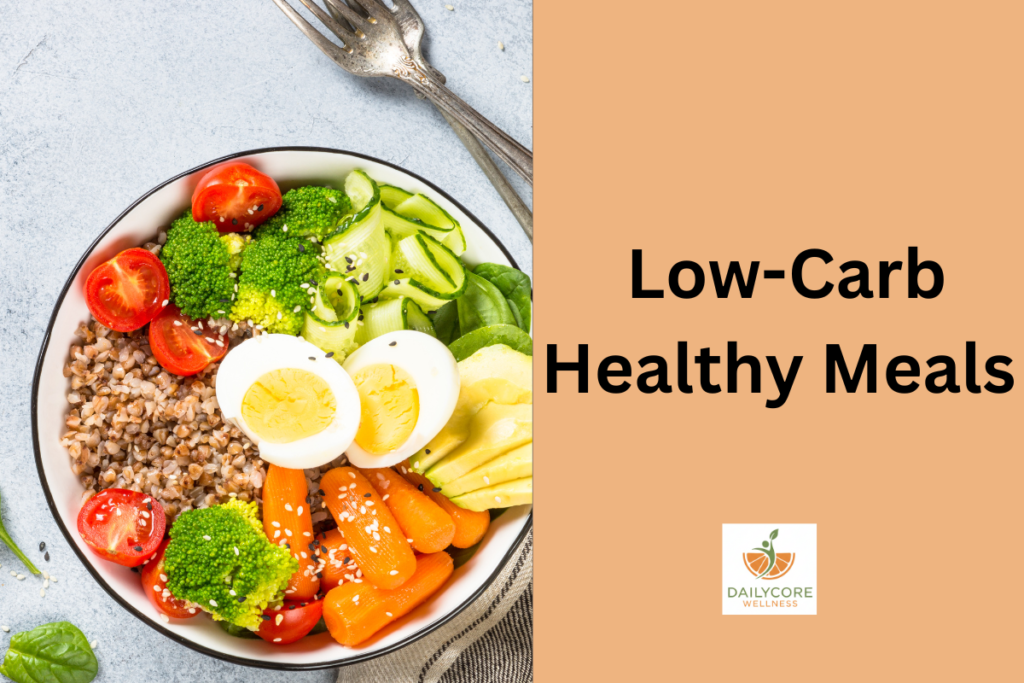
Low-carb healthy meals have become a popular choice for individuals seeking better weight management, improved energy levels, and overall wellness. By reducing carbohydrate intake and focusing on nutrient-dense foods, these meals help stabilize blood sugar, enhance fat metabolism, and support long-term health goals. Low-carb diets are particularly beneficial for managing insulin resistance, type 2 diabetes, and obesity, while also improving cardiovascular and digestive health.
A low-carb approach does not mean sacrificing flavor or variety. Instead, it encourages creative meal planning with lean proteins, healthy fats, non-starchy vegetables, and fiber-rich foods. These ingredients provide essential nutrients while minimizing refined carbohydrates that can spike blood sugar and trigger unwanted weight gain.
Low-carb healthy meals also promote satiety, reducing overeating and helping individuals maintain a balanced calorie intake throughout the day. Including a wide range of vegetables, herbs, and spices adds both flavor and antioxidant benefits, supporting anti-inflammatory and metabolic health.
Ultimately, low-carb healthy meals combine practicality with wellness, making it easier to sustain a balanced diet over the long term. They provide energy, improve metabolic function, and support a healthier lifestyle without restrictive or monotonous eating patterns.
Benefits of Low-Carb Healthy Meals
Low-carb healthy meals offer numerous benefits beyond simple weight loss. By focusing on lean proteins, vegetables, and healthy fats, these meals support stable blood sugar levels and reduce insulin spikes. This helps prevent energy crashes, promotes satiety, and supports long-term metabolic health.
Additionally, low-carb meals are naturally higher in fiber and essential micronutrients, which support digestive function, cardiovascular health, and immune system performance. They also reduce dependence on processed foods and added sugars, lowering inflammation and oxidative stress in the body.
Over time, consistent consumption of low-carb healthy meals can improve body composition, enhance energy levels, and support mental clarity. By replacing refined carbs with nutrient-dense alternatives, individuals achieve better nutrient balance while minimizing empty calories.
Adopting a low-carb approach encourages mindfulness around portion sizes and food quality, reinforcing sustainable healthy habits. The combination of nutrient density, flavor, and variety ensures adherence and long-term success.
Low-Carb Healthy Meal Ideas, 3rd April 2026
1. Grilled Salmon with Steamed Broccoli
Grilled salmon provides omega-3 fatty acids that reduce inflammation and support heart and brain health. Pairing it with steamed broccoli adds fiber, vitamins, and minerals while keeping carbohydrate content low. This meal promotes satiety and provides nutrient-dense protein for muscle repair. Season with lemon, garlic, and herbs for flavor without adding unnecessary carbs. Regularly including such meals supports metabolic health, reduces oxidative stress, and contributes to long-term wellness.
2. Zucchini Noodles with Pesto and Chicken
Zucchini noodles, or “zoodles,” replace traditional pasta while providing fiber and low calories. Topped with grilled chicken and homemade basil pesto, this meal is high in protein and healthy fats, keeping blood sugar stable. Zoodles are rich in antioxidants and vitamins, while chicken supports lean muscle maintenance. Incorporating low-carb, plant-based alternatives like zucchini noodles enhances meal variety and supports long-term adherence to a low-carb healthy lifestyle.
3. Egg and Spinach Scramble
A breakfast scramble made with eggs, spinach, and a sprinkle of cheese provides protein, fiber, and essential micronutrients. Eggs support muscle health, while spinach offers antioxidants that reduce inflammation. Low-carb breakfasts stabilize morning blood sugar and reduce mid-morning cravings, making it easier to manage daily calorie intake. Adding herbs like parsley or chives improves flavor and nutrient density. This simple, quick meal is ideal for maintaining a consistent low-carb routine.
4. Cauliflower Fried Rice with Shrimp
Cauliflower rice replaces traditional rice, drastically reducing carbohydrate content while adding fiber and antioxidants. Stir-fry with shrimp and vegetables like bell peppers and broccoli for a nutrient-dense, low-carb meal. The combination of lean protein, healthy fats, and fiber promotes satiety and steady blood sugar. Using minimal oil and low-sodium soy sauce enhances flavor without adding empty calories. Consistently incorporating cauliflower rice dishes supports long-term metabolic health and reduces reliance on high-carb meals.
5. Greek Yogurt with Nuts and Berries
Plain Greek yogurt is high in protein and probiotics, supporting gut health and muscle maintenance. Topped with nuts and low-sugar berries, this low-carb breakfast or snack provides fiber, antioxidants, and healthy fats. This combination stabilizes blood sugar and keeps hunger at bay, while supporting digestive health. Regular consumption contributes to long-term weight management, reduced inflammation, and nutrient-dense energy. Choosing unsweetened yogurt ensures that the carbohydrate content remains low while maximizing health benefits.
6. Grilled Chicken Caesar Salad
A Caesar salad with grilled chicken, romaine lettuce, parmesan, and a light olive oil-based dressing provides protein and healthy fats without excess carbs. Avoiding croutons keeps the carbohydrate content low, while the salad offers fiber, antioxidants, and essential micronutrients. Grilled chicken supports lean muscle, and olive oil provides anti-inflammatory benefits. Incorporating salads like this into regular meals promotes fullness, stable blood sugar, and long-term weight management. Flavorful, versatile, and nutrient-rich, it’s an ideal low-carb option.
7. Stuffed Bell Peppers with Ground Turkey
Bell peppers stuffed with ground turkey, vegetables, and spices provide a balanced low-carb meal with fiber, lean protein, and antioxidants. The peppers add vitamins A and C, while ground turkey delivers essential amino acids for muscle maintenance. This dish supports satiety, stable blood sugar, and long-term metabolic health. Cooking with olive oil and herbs enhances flavor without increasing carbohydrates. Including stuffed peppers in weekly meal planning offers variety and consistent anti-inflammatory, low-carb nutrition.
8. Avocado and Tuna Salad
Tuna salad with avocado, cucumbers, and leafy greens is a low-carb, nutrient-dense option. Tuna provides lean protein, while avocado offers healthy fats that support heart and brain health. Fiber-rich vegetables improve digestion and promote satiety. This combination helps stabilize blood sugar, reduces inflammation, and provides essential vitamins and minerals. A light olive oil and lemon dressing enhances flavor and nutrient absorption. Regularly consuming tuna-avocado salads supports long-term weight management and overall wellness while keeping carbohydrates minimal.
9. Eggplant Lasagna
Eggplant slices replace traditional pasta sheets in this low-carb lasagna, layered with ricotta, spinach, and tomato sauce. Eggplant is high in fiber, vitamins, and antioxidants, while the cheese provides protein and healthy fats. This dish supports muscle health, stabilizes blood sugar, and reduces carbohydrate intake without sacrificing flavor. Baking the dish enhances nutrient retention, and herbs like oregano and basil add additional anti-inflammatory benefits. Consistently incorporating low-carb casseroles like eggplant lasagna encourages variety and long-term adherence to healthy eating habits.
10. Almond-Crusted Chicken Tenders
Chicken tenders coated in ground almonds provide a crunchy, low-carb alternative to traditional breaded chicken. Almonds supply healthy fats, fiber, and antioxidants, while chicken offers lean protein. Baking instead of frying reduces added fats and calories. Pair with roasted vegetables or a side salad to increase nutrient density and fiber intake. Regular inclusion of almond-crusted dishes maintains satiety, reduces carbohydrate load, and supports long-term metabolic and cardiovascular health. These tenders are a versatile and satisfying meal option for those following a low-carb, nutrient-rich eating plan.
11. Grilled Turkey Burgers with Lettuce Wraps
Grilled turkey burgers wrapped in large lettuce leaves instead of buns are a low-carb, protein-rich meal. Turkey provides lean protein essential for muscle maintenance and metabolism, while lettuce adds fiber, vitamins, and minerals without unnecessary carbohydrates. Topped with tomato slices, avocado, and mustard, this meal combines healthy fats and antioxidants, supporting heart health and reducing inflammation. Using lettuce wraps instead of bread lowers the carbohydrate load significantly, helping to stabilize blood sugar levels and promote satiety. Consistently including meals like turkey lettuce wraps in a low-carb diet encourages long-term adherence while providing flavor, variety, and nutrient-dense energy to maintain overall wellness.
12. Seared Tofu with Stir-Fried Vegetables
Seared tofu is an excellent plant-based protein source suitable for low-carb meals. Paired with stir-fried non-starchy vegetables such as bell peppers, broccoli, and zucchini, it provides fiber, vitamins, and antioxidants that reduce inflammation. Tofu is rich in isoflavones, which support heart health, bone strength, and metabolic function. Using minimal oil, garlic, and ginger enhances flavor while maintaining a low-carb profile. This meal stabilizes blood sugar, promotes satiety, and supports digestive health. Regular consumption of tofu and vegetable stir-fries is ideal for vegetarians or those seeking plant-based low-carb meals that provide balanced nutrition, promote long-term wellness, and reduce reliance on high-carb alternatives.
13. Spinach and Feta Omelette
A spinach and feta omelette offers a protein- and nutrient-rich breakfast or lunch option. Eggs provide essential amino acids and support muscle and metabolic health, while spinach adds fiber, iron, and antioxidants that reduce inflammation. Feta cheese contributes healthy fats, flavor, and calcium for bone health. Cooking with olive oil enhances anti-inflammatory benefits. This low-carb meal keeps blood sugar stable, prevents mid-morning cravings, and supports satiety. Omelettes are versatile, allowing additions like tomatoes, mushrooms, or herbs for added nutrition and flavor. Incorporating such meals regularly reinforces healthy eating habits and supports consistent low-carb nutrition for long-term wellness.
14. Cauliflower Crust Pizza
Cauliflower crust pizza replaces traditional high-carb pizza dough with a nutrient-dense alternative rich in fiber, vitamins, and antioxidants. Topped with lean protein like grilled chicken, vegetables, and a moderate amount of cheese, it provides balanced nutrition while reducing carbohydrate intake. Cauliflower contains compounds that support metabolic health and reduce inflammation. This meal satisfies cravings for comfort foods without compromising a low-carb dietary approach. Regular inclusion of cauliflower crust dishes promotes long-term adherence to low-carb nutrition, supports weight management, and provides essential nutrients for overall health. It is a flavorful, versatile, and practical option for those aiming to maintain a balanced low-carb lifestyle.
15. Shrimp and Avocado Salad
A salad featuring shrimp and avocado provides protein, healthy fats, fiber, and antioxidants in a low-carb meal. Shrimp supplies lean protein and key minerals like selenium, supporting metabolic and immune function. Avocado contributes monounsaturated fats that stabilize blood sugar, enhance nutrient absorption, and promote heart health. Fiber-rich leafy greens and cucumbers add vitamins, minerals, and satiety. A light olive oil and lemon dressing boosts anti-inflammatory benefits while keeping the meal low in carbohydrates. Consistent consumption of shrimp-avocado salads supports weight management, digestive health, and long-term wellness. Its combination of flavor, nutrition, and low-carb composition makes it an ideal meal option for sustainable healthy eating.
16. Beef and Broccoli Stir-Fry
Beef and broccoli stir-fry is a classic low-carb meal rich in protein, fiber, and antioxidants. Lean beef provides essential amino acids, iron, and zinc, supporting muscle, metabolic, and immune health. Broccoli contributes vitamins C and K, fiber, and phytonutrients that reduce inflammation. Preparing this dish with minimal oil and a light soy or tamari sauce keeps it low in carbohydrates. Regular inclusion in a low-carb diet supports stable blood sugar, promotes satiety, and provides nutrient-dense energy. This versatile meal can be paired with cauliflower rice or leafy greens for additional fiber, making it an excellent choice for long-term adherence to low-carb nutrition.
17. Zucchini Lasagna
Zucchini slices replace traditional pasta in this low-carb lasagna, layered with ricotta, spinach, and tomato sauce. Zucchini is low in carbohydrates but high in fiber, vitamins, and antioxidants, making it ideal for reducing inflammation and supporting digestive health. Ricotta and other cheeses provide protein and healthy fats, while tomato sauce adds antioxidants like lycopene. Baking the lasagna enhances nutrient retention and flavor without adding excess carbs. Regular consumption of zucchini-based lasagna provides a satisfying, low-carb alternative to traditional pasta dishes, supporting blood sugar regulation, satiety, and overall wellness. This meal promotes variety, making low-carb eating more enjoyable and sustainable.
18. Chicken and Vegetable Skewers
19. Mediterranean Tuna Bowl
A Mediterranean-style tuna bowl combines tuna, leafy greens, cucumbers, olives, cherry tomatoes, and olive oil dressing for a nutrient-rich, low-carb meal. Tuna provides lean protein and omega-3 fatty acids, while vegetables offer fiber, vitamins, and antioxidants to reduce inflammation. Olives and olive oil add healthy fats that stabilize blood sugar and support heart health. This combination promotes satiety, metabolic balance, and long-term wellness. Mediterranean tuna bowls are versatile, quick to prepare, and ideal for low-carb meal planning. Consistently including such meals supports sustainable weight management, nutrient intake, and overall health while keeping carbohydrate consumption low.
20. Eggplant and Turkey Casserole
Eggplant and turkey casserole is a low-carb, nutrient-dense meal that combines fiber-rich eggplant with lean turkey protein. Eggplant contains antioxidants and vitamins that reduce inflammation, while turkey supports muscle maintenance and metabolism. The dish can be layered with tomato sauce, herbs, and a small amount of cheese for flavor and additional nutrients without increasing carbohydrates. Baking preserves nutrient quality while creating a filling and satisfying meal. Regularly including casseroles like this in a low-carb diet promotes satiety, metabolic stability, and long-term wellness. It is a versatile, flavorful option for anyone seeking to maintain consistent low-carb nutrition.