Metabolism plays a vital role in determining how efficiently the body converts food into energy. A faster metabolism can enhance energy levels, support weight management, and improve overall health. Many factors influence metabolic rate, including age, genetics, activity level, and diet. Among these, nutrition is one of the most impactful ways to naturally boost metabolism and maintain optimal energy levels throughout the day.
A metabolism-boosting diet focuses on nutrient-dense foods that increase thermogenesis—the energy your body uses to digest food—and support lean muscle mass. Lean proteins, complex carbohydrates, healthy fats, and metabolism-enhancing spices can stimulate calorie burn while promoting satiety. These foods not only provide energy but also optimize hormonal balance, which is crucial for metabolic efficiency.
Beyond calorie control, a metabolism-focused diet ensures the body receives essential vitamins, minerals, and antioxidants to support cellular energy production. By eating strategically, individuals can enhance fat oxidation, maintain lean muscle, and reduce metabolic slowdowns associated with aging or sedentary lifestyles.
Adopting a metabolism-boosting diet alongside regular exercise and healthy lifestyle habits offers a sustainable approach to weight management and long-term energy optimization. By understanding which foods accelerate metabolism and how to structure meals, anyone can achieve a higher energy output and support overall metabolic health.
How Metabolism-Boosting Diets Work
Metabolism-boosting diets work by increasing the body’s energy expenditure and optimizing the way it processes nutrients. Certain foods, particularly those high in protein, require more energy to digest, leading to increased calorie burn. This effect, known as the thermic effect of food, can enhance daily energy expenditure.
In addition, these diets support lean muscle mass, which is metabolically active tissue. The more muscle you maintain, the higher your resting metabolic rate, meaning you burn more calories even at rest. Foods rich in vitamins and minerals further support enzymatic processes involved in energy production, while antioxidants reduce oxidative stress, improving cellular function.
Incorporating metabolism-boosting foods also helps regulate hormones such as insulin, thyroid hormones, and cortisol, all of which influence energy balance and fat storage. Spices like chili, cinnamon, and ginger, along with green tea and coffee, can further stimulate metabolic processes and increase calorie burn.
A structured metabolism-boosting diet, combined with resistance training and cardiovascular exercise, provides a comprehensive strategy for improving energy levels, promoting fat loss, and supporting long-term metabolic health.
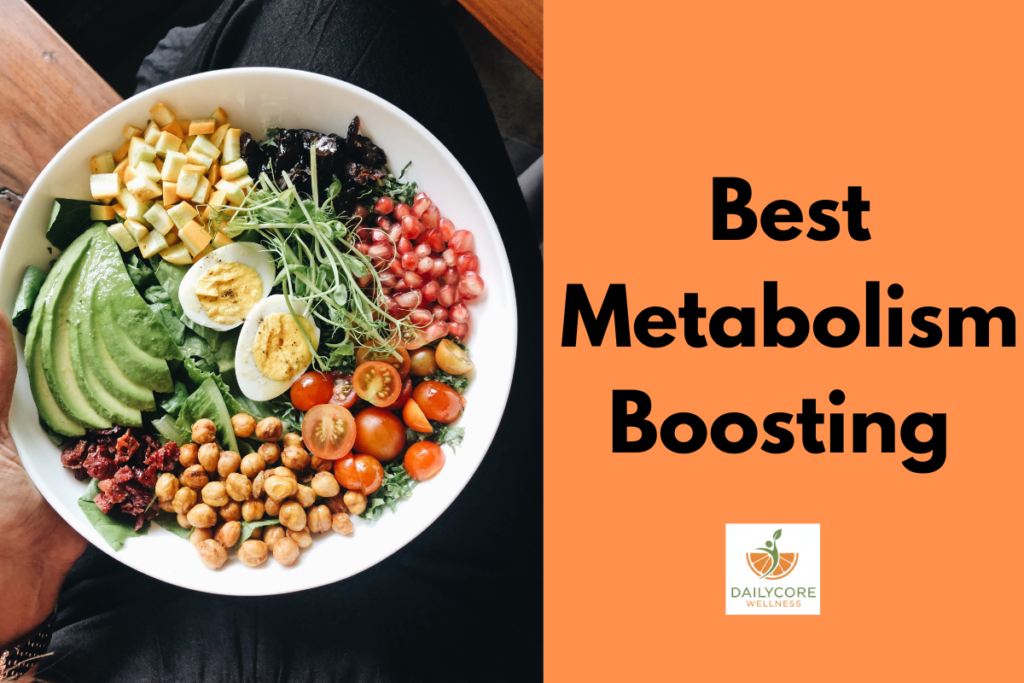
35 Best Metabolism-Boosting Diets, 2026
1. Lean Protein Diet
A diet high in lean protein is one of the most effective ways to boost metabolism. Proteins require more energy to digest compared to carbohydrates and fats, increasing the thermic effect of food. Lean protein sources such as chicken breast, turkey, fish, tofu, and legumes help preserve and build lean muscle mass, which is metabolically active tissue that increases resting calorie burn. In addition to enhancing fat oxidation, protein promotes satiety, reducing overall calorie intake and preventing overeating. Combining lean proteins with whole grains and vegetables ensures a balanced nutrient profile that supports energy, hormone regulation, and long-term metabolic efficiency, making it a cornerstone of metabolism boosting diets.
2. High-Fiber Diet
Fiber-rich diets support metabolism by stabilizing blood sugar levels and promoting healthy digestion. Foods high in fiber, such as vegetables, fruits, whole grains, and legumes, require more energy to break down, slightly increasing calorie expenditure. Fiber also improves gut health, which is linked to better nutrient absorption and enhanced metabolic function. By slowing digestion, fiber promotes satiety and reduces overeating, indirectly supporting weight management. Additionally, soluble fiber helps regulate cholesterol levels and supports hormone balance, both of which are important for metabolic health. A high-fiber diet is easy to implement, versatile, and sustainable, making it an essential strategy for improving energy levels and maintaining a healthy metabolism.
3. Mediterranean Diet
The Mediterranean diet, rich in vegetables, fruits, whole grains, nuts, seeds, and olive oil, supports metabolism while promoting overall health. Its balanced combination of macronutrients enhances energy utilization and helps maintain lean muscle mass. Healthy fats from olive oil and nuts support hormone production, which is critical for regulating metabolism and fat storage. High intake of antioxidants from fruits and vegetables reduces inflammation and oxidative stress, supporting efficient cellular energy production. Moderate consumption of protein sources like fish and legumes further boosts thermogenesis. This diet is not only heart-healthy but also improves metabolic efficiency, making it a sustainable approach to enhancing calorie burn and supporting long-term weight management.
4. Green Tea Diet
Incorporating green tea into your diet can naturally enhance metabolism. Green tea contains catechins, a type of antioxidant that boosts calorie burn and fat oxidation. It also provides a modest amount of caffeine, which stimulates the central nervous system and further supports energy expenditure. Drinking green tea regularly alongside a balanced diet can improve fat metabolism and enhance exercise performance. Pairing green tea with nutrient-dense meals containing lean proteins, fiber, and healthy fats maximizes its metabolic benefits. This approach provides an easy, low-calorie way to stimulate energy expenditure while supporting overall wellness, making it a popular addition to metabolism boosting diet plans.
5. Spicy Foods Diet
Including spicy foods such as chili peppers, cayenne, and ginger in meals can increase metabolism by stimulating thermogenesis. Capsaicin, the active compound in chili peppers, temporarily raises calorie burn and encourages fat oxidation. Spices like ginger and cinnamon also improve blood sugar regulation and digestion, both of which support metabolic efficiency. Regular consumption of spicy foods can enhance appetite control and reduce overeating, indirectly supporting weight management. Combining spicy foods with lean proteins, fiber-rich vegetables, and whole grains enhances thermic effects and overall energy expenditure. This simple dietary strategy adds flavor while supporting metabolism, making it an effective tool for boosting calorie burn naturally.
6. Low-Carb Diet
Low-carb diets help boost metabolism by reducing insulin levels, improving fat oxidation, and stabilizing blood sugar. When carbohydrate intake is moderate or low, the body relies more on stored fat for energy, which increases metabolic efficiency. Incorporating vegetables, lean proteins, and healthy fats ensures that energy needs are met while promoting satiety. Low-carb diets can also preserve lean muscle mass during weight loss, which is critical for maintaining a high resting metabolic rate. By carefully balancing carbohydrates with protein and fat, this dietary approach enhances calorie burn, reduces fat storage, and supports sustainable weight management and metabolic health.
7. High-Protein Breakfast Diet
Eating a high-protein breakfast boosts metabolism by jumpstarting the thermic effect of food early in the day. Foods like eggs, Greek yogurt, cottage cheese, and protein smoothies require more energy to digest while supporting muscle protein synthesis. A protein-rich breakfast reduces mid-morning cravings and helps maintain stable blood sugar levels, preventing energy dips. This strategy also preserves lean muscle mass, which increases resting calorie expenditure. Pairing protein with fiber-rich fruits or vegetables enhances satiety and overall nutrient intake. Regularly consuming a high-protein breakfast is an effective metabolism-boosting strategy that promotes weight management, sustained energy, and improved cognitive focus throughout the day.
8. Intermittent Fasting Diet
Intermittent fasting is a dietary approach that alternates periods of eating and fasting, which can enhance metabolism and fat oxidation. Fasting periods stimulate hormone production, including norepinephrine, which increases calorie burn. It also supports insulin sensitivity, aiding efficient nutrient utilization. During eating windows, consuming balanced meals with lean proteins, fiber, and healthy fats maximizes metabolic benefits. This approach encourages the body to use stored fat for energy while preserving lean muscle mass. Intermittent fasting, when combined with a nutrient-dense diet, provides a natural way to boost metabolism, improve energy efficiency, and support long-term weight management and metabolic health.
9. Whole Foods Diet
Focusing on whole, minimally processed foods can significantly enhance metabolism. Whole foods such as vegetables, fruits, lean proteins, whole grains, nuts, and seeds require more energy to digest, increasing the thermic effect of food. They also provide essential vitamins, minerals, and antioxidants that support enzymatic processes involved in energy production. By stabilizing blood sugar and reducing inflammation, whole foods improve metabolic efficiency. This diet minimizes empty calories and encourages satiety, reducing overeating. Adopting a whole foods diet ensures long-term energy balance, preserves lean muscle mass, and naturally supports a higher metabolic rate while promoting overall health.
10. Caffeine-Enhanced Diet
Incorporating moderate caffeine from coffee or green tea into your diet can stimulate metabolism and increase calorie burn. Caffeine activates the central nervous system, temporarily boosting energy expenditure and fat oxidation. When combined with a balanced diet rich in proteins, fiber, and healthy fats, caffeine enhances thermogenesis and improves exercise performance. It also supports mental alertness, making it easier to stay active throughout the day. While excessive caffeine can have negative effects, moderate intake can complement metabolism-boosting diets. This strategy provides a simple and natural way to accelerate calorie burn and enhance overall metabolic efficiency.
11. Omega-3 Rich Diet
Including omega-3 fatty acids in your diet supports metabolism by reducing inflammation and improving cellular energy production. Omega-3s, found in fatty fish, flaxseeds, chia seeds, and walnuts, help optimize hormone function, including thyroid and insulin activity, both critical for metabolic efficiency. They also support lean muscle maintenance, which boosts resting metabolic rate. Omega-3s improve blood flow, aiding nutrient delivery and energy utilization, while reducing oxidative stress that can impair metabolism. Regular consumption enhances fat oxidation, mental clarity, and cardiovascular health. Combining omega-3-rich foods with protein and fiber creates a balanced metabolism-boosting diet that supports long-term energy balance, weight management, and overall metabolic health.
12. Fermented Foods Diet
Fermented foods such as yogurt, kefir, kimchi, sauerkraut, and miso support gut health, which is closely linked to metabolism. A healthy gut microbiome improves nutrient absorption, digestion, and energy production. Probiotics from fermented foods can enhance fat metabolism and reduce inflammation that slows metabolic efficiency. These foods also help regulate blood sugar, preventing energy dips and fat storage. Including fermented foods in daily meals alongside fiber-rich vegetables and lean protein supports digestion and overall metabolic health. By maintaining a healthy gut, you improve calorie utilization, enhance thermogenesis, and support sustainable weight management, making fermented foods a key component of a metabolism-boosting diet.
13. Iron-Rich Diet
Iron is essential for transporting oxygen in the blood, which fuels energy production in all body cells, including the brain and muscles. Adequate iron levels improve exercise performance and support fat metabolism, indirectly boosting metabolic rate. Iron-rich foods such as lean red meat, legumes, spinach, and fortified cereals enhance energy utilization and reduce fatigue. Pairing iron with vitamin C-rich foods improves absorption and ensures maximum benefit. Maintaining optimal iron levels is crucial for sustaining energy, preserving lean muscle mass, and supporting overall metabolic health. An iron-focused diet helps maintain high metabolic efficiency and supports weight management while improving endurance and daily energy levels.
14. Whole Grain Diet
Whole grains like quinoa, oats, brown rice, and barley are rich in fiber and complex carbohydrates, which support metabolism by promoting stable blood sugar levels. The body expends more energy digesting whole grains compared to refined carbs, increasing the thermic effect of food. They also provide essential B vitamins that support energy production and fat metabolism. Consuming whole grains as part of a balanced diet enhances satiety, reduces overeating, and sustains energy levels throughout the day. A diet centered on whole grains helps maintain lean muscle mass, improves digestive efficiency, and naturally supports a higher metabolic rate.
15. Hydration-Focused Diet
Water is essential for metabolism because many enzymatic reactions, including those involved in energy production, require adequate hydration. Drinking sufficient water increases calorie expenditure, a phenomenon known as water-induced thermogenesis. Proper hydration also improves digestion, nutrient absorption, and exercise performance, all of which influence metabolic efficiency. Incorporating water-rich foods like cucumbers, watermelon, and leafy greens further supports hydration. Drinking water before meals can promote satiety, reducing overall calorie intake. A hydration-focused diet ensures that metabolic processes operate efficiently, enhances energy levels, supports fat oxidation, and contributes to weight management while optimizing overall bodily function.
16. Caffeine & Green Tea Combination Diet
Combining moderate caffeine intake with green tea amplifies metabolism-boosting effects. Caffeine stimulates the central nervous system, enhancing energy expenditure, while green tea catechins promote fat oxidation. This combination can increase daily calorie burn, improve exercise performance, and support weight management. Pairing these beverages with a nutrient-dense diet containing protein, fiber, and healthy fats maximizes thermogenic benefits. Moderate consumption enhances mental alertness and focus, while also supporting cardiovascular and metabolic health. This dietary approach is simple, effective, and sustainable, providing a natural way to boost metabolism, accelerate fat burning, and maintain long-term energy balance.
17. Capsaicin-Rich Diet
Capsaicin, found in chili peppers, stimulates thermogenesis, temporarily increasing calorie burn and fat oxidation. Including spicy foods in meals can enhance metabolic efficiency while improving appetite control. Capsaicin also promotes circulation and reduces inflammation, supporting overall metabolic function. Combining capsaicin with protein-rich and fiber-rich foods further enhances thermic effects and satiety. This diet strategy can support weight management by increasing energy expenditure and reducing caloric intake. Spices like cayenne, paprika, and chili powder are easy to integrate into meals, making capsaicin-rich diets both flavorful and functional for boosting metabolism naturally.
18. High-Calcium Diet
Calcium-rich foods such as dairy products, fortified plant milks, and leafy greens support metabolism by influencing fat breakdown and hormone regulation. Adequate calcium levels promote thermogenesis and help reduce fat storage. Calcium also supports bone health, which indirectly aids metabolism by enabling consistent physical activity. Pairing calcium with vitamin D enhances absorption and metabolic benefits. A diet rich in calcium not only improves energy utilization and metabolic efficiency but also supports overall health, making it a key component of a metabolism-boosting dietary strategy.
19. Lean Meat & Fish Diet
Incorporating lean meats and fish in your meals supports metabolism by providing high-quality protein and essential nutrients such as iron, zinc, and B vitamins. Protein increases the thermic effect of food, preserving lean muscle mass and enhancing resting calorie burn. Fish, particularly fatty varieties like salmon and mackerel, provide omega-3 fatty acids that reduce inflammation and optimize hormone function. A diet centered on lean meats and fish supports energy production, fat metabolism, and overall metabolic efficiency while maintaining muscle and promoting long-term weight management.
20. Spiced Protein Meals
21. Low-Glycemic Diet
Low-glycemic foods such as legumes, non-starchy vegetables, and whole grains release sugar slowly into the bloodstream. This prevents insulin spikes, reduces fat storage, and promotes steady energy levels. Stable blood sugar improves metabolic efficiency by minimizing energy crashes and cravings that lead to overeating. A low-glycemic diet also supports hormone balance, particularly insulin and cortisol, which influence metabolism. By combining low-glycemic foods with lean protein and healthy fats, this approach enhances fat oxidation, preserves lean muscle mass, and promotes sustainable weight management.
22. Intermittent High-Protein Snacks
Incorporating small, high-protein snacks between meals supports metabolism by maintaining muscle protein synthesis and energy expenditure. Snacks such as Greek yogurt, boiled eggs, protein bars, and nuts prevent blood sugar dips and reduce overeating during main meals. Regular high-protein snacking increases the thermic effect of food and preserves lean muscle mass, boosting resting metabolic rate. Combined with balanced meals, this approach sustains energy, improves fat metabolism, and supports long-term weight management, making intermittent high-protein snacks an effective component of metabolism-boosting diets.
23. Fiber + Protein Combo Diet
Pairing fiber-rich foods with protein sources enhances metabolism by increasing digestion effort, promoting satiety, and stabilizing blood sugar. Meals such as lentils with vegetables, quinoa with beans, or oats with nuts maximize thermic effects and nutrient absorption. Fiber improves gut health, supporting microbial balance linked to metabolic efficiency, while protein preserves lean muscle mass. This combination increases energy expenditure, reduces cravings, and promotes fat oxidation. A diet focusing on fiber and protein together creates a sustainable approach to boosting metabolism, supporting long-term weight management, and improving overall energy levels throughout the day.
24. Antioxidant-Rich Diet
Foods high in antioxidants, including berries, leafy greens, nuts, and seeds, support metabolism by reducing oxidative stress in cells. Reduced oxidative stress enhances mitochondrial efficiency, improving energy production and fat utilization. Antioxidants also protect brain and muscle cells, supporting physical activity, which further stimulates metabolism. Combining antioxidant-rich foods with protein, fiber, and healthy fats maximizes energy utilization and thermogenesis. This dietary approach supports weight management, preserves lean muscle, and promotes metabolic health while providing additional benefits such as reduced inflammation and improved cardiovascular function.
25. Hydration + Electrolyte Diet
Staying hydrated with water and electrolyte-rich foods such as cucumbers, watermelon, and coconut water supports metabolism. Water is critical for enzymatic reactions involved in energy production, and electrolytes maintain muscle function, allowing more effective physical activity. Adequate hydration improves digestion, nutrient absorption, and thermogenesis, contributing to higher calorie burn. Pairing hydration with balanced meals containing protein, fiber, and healthy fats ensures sustained energy and efficient metabolism. This approach enhances fat oxidation, supports weight management, and promotes overall metabolic efficiency, making hydration-focused diets an essential component of a metabolism-boosting lifestyle.
26. Lean Plant-Based Diet
A plant-based diet rich in legumes, tofu, tempeh, vegetables, and whole grains can support metabolism effectively. Plant proteins require more energy to digest and promote satiety, while fiber-rich vegetables stabilize blood sugar, reducing fat storage. Nutrient-dense plant foods provide antioxidants, vitamins, and minerals that enhance mitochondrial function and cellular energy production. Consuming a variety of plant-based proteins also preserves lean muscle mass, which increases resting metabolic rate. Pairing plant proteins with healthy fats from nuts, seeds, and avocado ensures balanced energy and hormone regulation. This diet improves digestion, reduces inflammation, and naturally supports higher calorie expenditure, making it an effective and sustainable metabolism-boosting strategy.
27. Whole-Food, Minimally Processed Diet
Minimally processed whole foods enhance metabolism by providing nutrients in their natural forms, which require more energy to digest compared to processed foods. Whole fruits, vegetables, whole grains, nuts, and lean proteins promote thermogenesis and provide vitamins and minerals essential for energy metabolism. They stabilize blood sugar, reduce inflammation, and support healthy gut bacteria, all of which improve metabolic efficiency. By avoiding refined sugars and processed foods, this diet prevents energy crashes, fat accumulation, and hormonal imbalances. Maintaining a whole-foods approach ensures sustained energy levels, higher calorie burn, and overall health, making it an effective long-term strategy for boosting metabolism naturally.
28. High-Protein, Moderate-Fat Diet
A high-protein, moderate-fat diet supports metabolism by enhancing thermogenesis, preserving lean muscle, and promoting fat oxidation. Protein-rich foods like eggs, lean meats, fish, legumes, and tofu increase calorie expenditure during digestion, while healthy fats from avocado, nuts, and olive oil improve satiety and hormonal balance. Maintaining moderate fat intake ensures sufficient energy for metabolism without excess calorie storage. Combined with complex carbohydrates for energy, this diet promotes stable blood sugar, enhances muscle recovery, and supports overall metabolic efficiency. Regularly following a high-protein, moderate-fat approach improves energy levels, boosts fat-burning capacity, and aids sustainable weight management.
29. Intermittent Fasting with Nutrient-Dense Foods
Intermittent fasting paired with nutrient-dense meals can enhance metabolism by promoting fat oxidation and hormonal balance. Fasting periods increase norepinephrine and human growth hormone levels, which stimulate calorie burn and preserve lean muscle. Nutrient-dense foods such as lean proteins, vegetables, healthy fats, and complex carbs consumed during eating windows maximize metabolic efficiency. This approach improves insulin sensitivity, stabilizes energy levels, and enhances thermogenesis. Combining intermittent fasting with a balanced diet supports sustainable weight management, improved digestion, and enhanced calorie utilization. By optimizing nutrient intake and timing meals strategically, this method effectively boosts metabolism while supporting overall health and long-term energy balance.
30. Green Smoothie Diet
Incorporating green smoothies made from leafy greens, fruits, protein powder, and healthy fats can boost metabolism. These smoothies provide fiber, vitamins, minerals, and antioxidants that enhance digestion, energy production, and fat oxidation. Including protein sources like Greek yogurt, nuts, or plant-based powders increases the thermic effect of food and supports lean muscle mass. Smoothies are easy to digest and provide steady energy, preventing blood sugar spikes that can slow metabolism. Regular consumption of nutrient-rich green smoothies supports weight management, enhances mental clarity, and maintains metabolic efficiency. This simple dietary approach combines convenience with metabolism-boosting benefits for a sustainable lifestyle.
31. Spiced Tea and Infusion Diet
Spices such as ginger, cinnamon, and turmeric, when consumed in teas or infusions, support metabolism by increasing thermogenesis and improving blood sugar regulation. Ginger aids digestion, cinnamon stabilizes glucose levels, and turmeric reduces inflammation that can impair energy production. Paired with a balanced diet containing lean protein, fiber, and healthy fats, these spiced beverages can enhance calorie burn and support fat oxidation. Regular consumption improves energy levels, mental alertness, and metabolic efficiency. Integrating metabolism-boosting teas into daily routines is a simple, flavorful strategy to naturally enhance calorie expenditure and support long-term weight management and overall health.
32. High-Protein, High-Fiber Diet
A diet combining high protein with high fiber optimizes metabolism by increasing thermic effects, promoting satiety, and stabilizing blood sugar levels. Protein-rich foods such as lean meats, tofu, and eggs preserve lean muscle mass, while fiber from vegetables, whole grains, and legumes supports digestion and gut health. Together, they enhance calorie burn, reduce fat storage, and improve energy utilization. This dietary approach also supports hormone regulation and prevents overeating. Regularly consuming high-protein, high-fiber meals provides sustained energy, supports fat oxidation, and contributes to long-term metabolic efficiency and weight management.
33. Low-Calorie, Nutrient-Dense Diet
Eating low-calorie, nutrient-dense foods like leafy greens, vegetables, and lean proteins supports metabolism by providing essential nutrients without excess energy intake. These foods enhance thermogenesis, stabilize blood sugar, and reduce fat storage. Nutrient density ensures the body receives vitamins, minerals, and antioxidants needed for optimal energy production and hormone regulation. Pairing low-calorie foods with protein sources maintains lean muscle mass, increasing resting metabolic rate. This approach supports sustainable weight loss, improves digestion, and enhances metabolic efficiency. Adopting a low-calorie, nutrient-dense diet is a practical and effective method for boosting metabolism naturally while maintaining overall health.
34. Coffee-Enhanced Protein Diet
Moderate coffee intake combined with high-protein meals can boost metabolism by enhancing thermogenesis and promoting fat oxidation. Caffeine stimulates the central nervous system, increasing calorie burn, while protein supports lean muscle maintenance. This combination improves energy levels, mental alertness, and exercise performance. Pairing coffee with fiber-rich foods or healthy fats ensures sustained energy and prevents blood sugar spikes. Regular consumption of coffee alongside protein-rich meals is an effective, natural method to enhance metabolic rate, support fat loss, and maintain overall energy balance throughout the day.
35. Fermented + Fiber Combo Diet
Combining fermented foods like yogurt, kimchi, and kefir with high-fiber vegetables and whole grains enhances metabolism by supporting gut health and improving digestion. Healthy gut bacteria from fermented foods aid nutrient absorption and fat oxidation, while fiber stabilizes blood sugar and promotes satiety. Together, these foods enhance thermogenesis, reduce inflammation, and preserve lean muscle mass, supporting a higher resting metabolic rate. A fermented and fiber-rich diet improves energy utilization, promotes fat loss, and supports overall metabolic efficiency. Integrating these foods into daily meals ensures sustainable metabolism-boosting benefits, improved digestion, and long-term weight management.