Nutrition for heart health plays a critical role in preventing cardiovascular diseases and maintaining overall wellness. The heart relies on a steady supply of nutrients to function efficiently, regulate blood flow, and maintain healthy blood pressure levels. Poor dietary habits, including excessive intake of saturated fats, sodium, and processed foods, can increase the risk of heart disease. Adopting a nutrient-rich diet helps protect the heart, improve circulation, and support long-term cardiovascular health.
A heart-healthy diet focuses on whole, unprocessed foods that provide essential nutrients such as fiber, healthy fats, vitamins, and minerals. These nutrients work together to reduce inflammation, lower cholesterol levels, and improve blood vessel function. By incorporating a variety of fruits, vegetables, whole grains, lean proteins, and healthy fats, individuals can significantly reduce their risk of heart-related conditions.
Consistency in dietary choices is key to achieving and maintaining heart health. Making small, sustainable changes—such as replacing refined grains with whole grains or choosing healthier fat sources—can have a significant long-term impact. A balanced approach ensures that the body receives all necessary nutrients while avoiding harmful dietary patterns that compromise cardiovascular function.
Ultimately, nutrition for heart health is not about restriction but about making informed, balanced choices. A well-structured diet supports not only heart function but also overall physical and mental well-being. By prioritizing nutrient-dense foods and maintaining consistency, individuals can build a strong foundation for lifelong cardiovascular health.
How Nutrition Supports Heart Health
Nutrition directly influences heart health by affecting cholesterol levels, blood pressure, inflammation, and overall vascular function. Diets rich in fiber help lower low-density lipoprotein (LDL) cholesterol, often referred to as “bad cholesterol,” reducing the risk of plaque buildup in arteries. Whole grains, legumes, fruits, and vegetables provide soluble fiber that binds cholesterol and supports its removal from the body.
Healthy fats, particularly unsaturated fats found in nuts, seeds, fish, and olive oil, play a crucial role in improving lipid profiles. These fats help increase high-density lipoprotein (HDL) cholesterol while reducing harmful LDL levels. Omega-3 fatty acids, commonly found in fatty fish, are known to reduce inflammation, lower triglycerides, and support heart rhythm stability.
Reducing sodium intake is another essential aspect of heart-healthy nutrition. Excess sodium can lead to high blood pressure, increasing the strain on the heart and blood vessels. Incorporating potassium-rich foods such as bananas, spinach, and sweet potatoes helps balance sodium levels and maintain healthy blood pressure.
Antioxidants and phytonutrients found in fruits and vegetables protect the cardiovascular system by reducing oxidative stress and inflammation. These compounds support blood vessel flexibility, improve circulation, and reduce the risk of chronic diseases. A diet rich in diverse plant-based foods ensures optimal intake of these protective nutrients.
Key Nutrients That Support Heart Health
Protein from lean sources such as fish, legumes, and plant-based options supports muscle function, including the heart muscle. It also helps maintain a healthy body weight, which is essential for reducing cardiovascular strain. Choosing lean protein sources over processed meats reduces the intake of saturated fats and sodium.
Fiber is one of the most important nutrients for heart health. Soluble fiber helps lower cholesterol levels, while insoluble fiber supports digestion and overall metabolic health. Foods such as oats, beans, fruits, and vegetables provide significant amounts of fiber that contribute to cardiovascular protection.
Healthy fats, particularly monounsaturated and polyunsaturated fats, are essential for maintaining heart health. These fats help reduce inflammation, improve cholesterol levels, and support overall metabolic function. Sources include olive oil, avocados, nuts, and seeds. Limiting saturated and trans fats is crucial to preventing cardiovascular complications.
Vitamins and minerals such as potassium, magnesium, and vitamin C play key roles in heart function. Potassium helps regulate blood pressure, magnesium supports muscle and nerve function, and vitamin C acts as an antioxidant that protects blood vessels. A balanced diet rich in fruits and vegetables ensures adequate intake of these essential nutrients.
Best Foods for Heart Health, 2026
1. Oats
Oats are rich in soluble fiber, particularly beta-glucan, which helps lower LDL cholesterol levels. Regular consumption supports heart health by reducing plaque buildup in arteries and improving blood lipid profiles. Oats also provide sustained energy and help regulate blood sugar levels. They can be consumed as oatmeal, overnight oats, or added to smoothies and baked goods. Including oats in your daily diet promotes satiety, supports digestion, and contributes to long-term cardiovascular health. Their nutrient density and versatility make them an essential staple in a heart-healthy nutrition plan.
2. Salmon
Salmon is a fatty fish high in omega-3 fatty acids, which reduce inflammation and support heart rhythm stability. Omega-3s help lower triglycerides and improve overall cholesterol balance. Salmon also provides high-quality protein and essential vitamins such as vitamin D and B12. It can be grilled, baked, or steamed for a nutritious meal. Including salmon in your diet regularly supports cardiovascular health, reduces the risk of heart disease, and enhances overall metabolic function.
3. Spinach
Spinach is a nutrient-dense leafy green rich in vitamins, minerals, and antioxidants. It contains potassium and magnesium, which help regulate blood pressure and support heart function. The antioxidants in spinach reduce oxidative stress and inflammation, protecting blood vessels. It can be added to salads, smoothies, or cooked dishes. Including spinach in your diet enhances nutrient intake, supports circulation, and contributes to a heart-healthy lifestyle.
4. Almonds
Almonds are rich in healthy fats, fiber, and vitamin E, which support heart health by improving cholesterol levels and reducing inflammation. Regular consumption helps lower LDL cholesterol while increasing HDL cholesterol. Almonds can be eaten as snacks or added to meals such as salads and oatmeal. Portion control is important due to their calorie density. Including almonds in your diet provides essential nutrients that support cardiovascular function and overall wellness.
5. Berries
Berries such as blueberries, strawberries, and raspberries are rich in antioxidants and fiber. They help reduce inflammation, improve blood vessel function, and support cholesterol management. Berries can be consumed fresh, added to yogurt, or blended into smoothies. Their natural sweetness makes them a healthy alternative to sugary snacks. Including berries in your diet supports heart health and provides essential nutrients for overall well-being.
6. Avocado
Avocado is a rich source of monounsaturated fats that help reduce bad cholesterol levels and support heart health. It also provides potassium, which aids in blood pressure regulation. Avocado can be added to salads, sandwiches, or smoothies. Its healthy fat content promotes satiety and nutrient absorption. Including avocado in your diet contributes to improved cardiovascular function and long-term heart health.
7. Beans and Lentils
Beans and lentils are high in fiber and plant-based protein, making them excellent for heart health. They help lower cholesterol levels, regulate blood sugar, and promote satiety. These legumes can be used in soups, salads, and main dishes. Regular consumption supports cardiovascular health and provides essential nutrients for overall wellness.
8. Olive Oil
Olive oil is a key component of heart-healthy diets, particularly the Mediterranean diet. It contains monounsaturated fats and antioxidants that reduce inflammation and improve cholesterol levels. Olive oil can be used in cooking or as a dressing for salads. Including it in your diet supports heart health and enhances nutrient absorption from other foods.
9. Whole Grains
Whole grains such as brown rice, quinoa, and whole wheat provide fiber, vitamins, and minerals that support heart health. They help regulate cholesterol levels, improve digestion, and maintain stable blood sugar. Including whole grains in your diet promotes long-term cardiovascular health and supports overall wellness.
10. Tomatoes
Tomatoes are rich in lycopene, an antioxidant that supports heart health by reducing inflammation and improving blood vessel function. They also provide vitamins and minerals essential for cardiovascular health. Tomatoes can be eaten raw, cooked, or blended into sauces. Including them in your diet enhances nutrient intake and supports heart function.
11. Walnuts
Walnuts are one of the most effective nuts for supporting heart health due to their high content of omega-3 fatty acids, particularly alpha-linolenic acid (ALA). These healthy fats help reduce inflammation, lower LDL cholesterol, and improve overall lipid profiles, which are critical factors in preventing cardiovascular disease. Walnuts also contain antioxidants and plant compounds that protect blood vessels from oxidative damage. Regular consumption has been linked to improved endothelial function and reduced risk of heart disease. They can be eaten as a snack, added to oatmeal, or incorporated into salads. However, portion control is essential due to their calorie density. Including walnuts consistently in a balanced diet supports long-term cardiovascular health and helps maintain healthy cholesterol levels effectively.
12. Flaxseeds
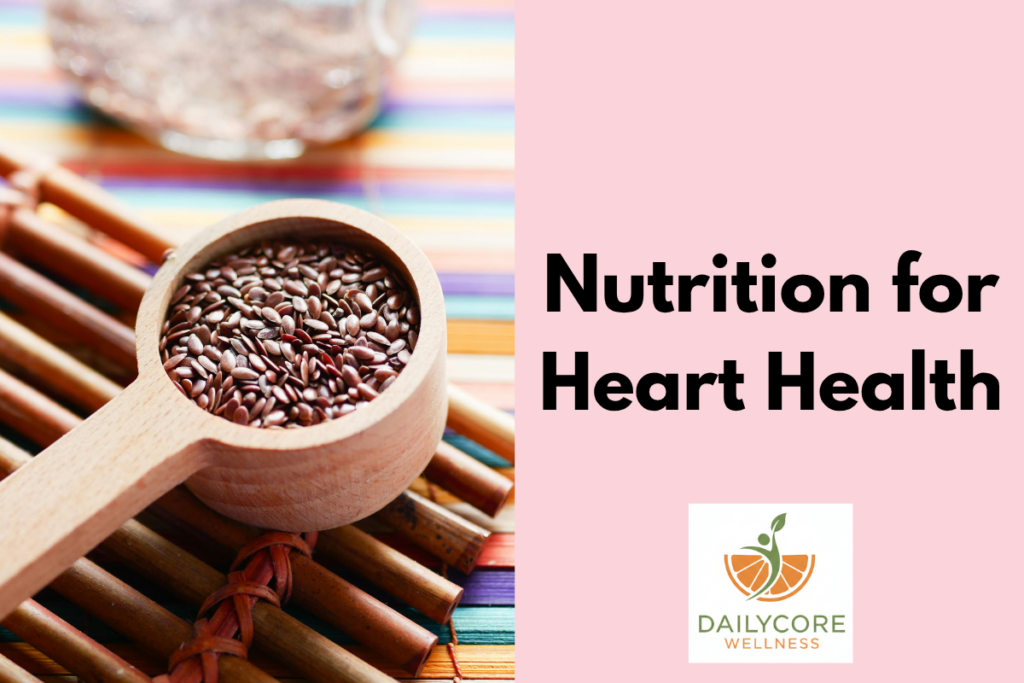
Flaxseeds are a powerful plant-based source of omega-3 fatty acids, fiber, and lignans, all of which contribute significantly to heart health. The soluble fiber in flaxseeds helps reduce LDL cholesterol by binding to it in the digestive system and promoting its removal from the body. Lignans provide antioxidant properties that help reduce inflammation and oxidative stress, both of which are linked to cardiovascular disease. Ground flaxseeds are more easily absorbed and can be added to smoothies, yogurt, oatmeal, or baked foods. Regular consumption supports improved blood pressure control and vascular health. Including flaxseeds in daily nutrition is a simple yet effective strategy for enhancing heart health and reducing long-term cardiovascular risk.
13. Chia Seeds
Chia seeds are nutrient-dense and provide a combination of fiber, omega-3 fatty acids, and antioxidants that are essential for heart health. Their high soluble fiber content helps lower cholesterol levels and improve digestion, while also promoting a feeling of fullness that supports weight management. Chia seeds absorb water and expand in the stomach, which slows digestion and stabilizes blood sugar levels. This effect is beneficial in reducing the risk of metabolic conditions that impact heart health. They can be consumed in puddings, smoothies, or added to cereals. Regular inclusion of chia seeds in the diet supports improved lipid profiles, reduced inflammation, and better cardiovascular function over time.
14. Dark Chocolate (70% Cocoa or Higher)
Dark chocolate with a cocoa content of at least 70% contains flavonoids, which are powerful antioxidants known to support heart health. These compounds help improve blood vessel function, enhance circulation, and reduce blood pressure. Flavonoids also contribute to lowering LDL cholesterol oxidation, which is a key factor in the development of atherosclerosis. Consuming dark chocolate in moderation can provide these cardiovascular benefits without contributing to excessive calorie intake. It can be enjoyed as a small snack or incorporated into healthy desserts. Choosing high-quality dark chocolate with minimal added sugar is essential. When consumed responsibly, it can be a beneficial addition to a heart-healthy dietary pattern.
15. Green Tea
Green tea is rich in catechins, a group of antioxidants that play a significant role in supporting cardiovascular health. These compounds help reduce inflammation, improve blood vessel function, and lower LDL cholesterol levels. Regular consumption of green tea has also been associated with reduced blood pressure and improved metabolic health. It serves as a healthy alternative to sugary beverages, helping to reduce overall calorie intake while providing protective benefits for the heart. Green tea can be consumed hot or cold and easily incorporated into daily routines. Including it consistently in the diet contributes to long-term heart health and supports overall wellness through its antioxidant and anti-inflammatory properties.
16. Garlic
Garlic is widely recognized for its cardiovascular benefits due to its active compound, allicin, which has been shown to help lower blood pressure and reduce cholesterol levels. Regular consumption of garlic supports improved circulation by relaxing blood vessels and enhancing blood flow. It also has anti-inflammatory and antioxidant properties that protect the arteries from damage caused by oxidative stress. Garlic can be incorporated into meals such as soups, sauces, stir-fries, and roasted vegetables, making it easy to include in daily nutrition. Consistent intake, even in moderate amounts, contributes to long-term heart health by reducing key risk factors associated with cardiovascular disease and improving overall vascular function.
17. Turmeric
Turmeric contains curcumin, a bioactive compound with powerful anti-inflammatory and antioxidant effects that support heart health. Chronic inflammation is a major contributor to cardiovascular disease, and curcumin helps reduce this risk by improving endothelial function and decreasing oxidative stress. Turmeric may also help regulate cholesterol levels and support healthy blood pressure. For optimal absorption, it should be consumed with black pepper, which enhances curcumin bioavailability. It can be added to soups, stews, teas, or grain dishes. Including turmeric regularly in the diet provides a natural way to protect the heart, reduce inflammation, and promote overall cardiovascular wellness over time.
18. Sweet Potatoes
Sweet potatoes are rich in fiber, potassium, and antioxidants, all of which contribute to heart health. Potassium plays a vital role in balancing sodium levels in the body, helping to regulate blood pressure and reduce strain on the cardiovascular system. The fiber content supports cholesterol management by reducing LDL levels, while antioxidants help combat inflammation and oxidative stress. Sweet potatoes also provide complex carbohydrates that release energy slowly, preventing blood sugar spikes. They can be baked, roasted, or mashed as a nutritious alternative to refined carbohydrates. Including sweet potatoes in a balanced diet supports circulation, blood pressure control, and long-term cardiovascular health.
19. Bananas
Bananas are an excellent source of potassium, a mineral essential for maintaining healthy blood pressure and proper heart function. Adequate potassium intake helps counteract the effects of sodium, reducing the risk of hypertension and cardiovascular strain. Bananas also contain fiber and natural carbohydrates that provide sustained energy and support digestion. Their convenience makes them an ideal addition to breakfast, snacks, or smoothies. Regular consumption contributes to electrolyte balance, improved vascular function, and reduced risk of heart disease. Including bananas as part of a heart-healthy diet ensures consistent intake of essential nutrients that support cardiovascular stability and overall wellness.
20. Apples
Apples are rich in soluble fiber, particularly pectin, which plays a key role in lowering LDL cholesterol levels. They also contain antioxidants such as flavonoids that help reduce inflammation and protect blood vessels from damage. Regular consumption of apples has been associated with a reduced risk of heart disease due to their ability to improve cholesterol balance and support healthy circulation. Apples are versatile and can be eaten raw, baked, or added to salads and oatmeal. Their natural sweetness makes them a healthy alternative to processed snacks. Including apples in daily nutrition promotes satiety, supports digestion, and enhances long-term cardiovascular health.
21. Oranges
Oranges are a rich source of vitamin C, fiber, and antioxidants that contribute to heart health. Vitamin C supports blood vessel integrity and reduces oxidative stress, while fiber helps regulate cholesterol levels. Oranges also contain potassium, which aids in maintaining healthy blood pressure. Consuming whole oranges rather than juice ensures maximum fiber intake and better blood sugar control. They can be eaten as a snack or added to salads and meals. Regular inclusion of oranges in the diet supports improved circulation, reduced inflammation, and overall cardiovascular protection, making them an essential component of heart-healthy nutrition.
22. Pomegranates
Pomegranates are highly valued for their potent antioxidant content, particularly polyphenols, which help protect the cardiovascular system. These compounds reduce oxidative stress, improve blood flow, and support arterial health by preventing plaque buildup. Pomegranates have also been shown to help lower blood pressure and improve cholesterol levels. The seeds can be consumed fresh, added to salads, or mixed into yogurt. Regular consumption supports enhanced circulation and vascular function. Including pomegranates in a heart-healthy diet provides a natural and effective way to strengthen the cardiovascular system and reduce the risk of chronic heart conditions.
23. Carrots
Carrots are rich in beta-carotene, fiber, and antioxidants that support heart health by reducing inflammation and improving cholesterol levels. The soluble fiber in carrots helps lower LDL cholesterol, while antioxidants protect blood vessels from oxidative damage. Carrots are low in calories and highly versatile, making them easy to incorporate into meals as snacks, salads, or cooked dishes. Regular consumption contributes to improved circulation, better digestion, and reduced cardiovascular risk. Including carrots in daily nutrition supports overall heart function and provides essential nutrients that promote long-term cardiovascular wellness.
24. Broccoli
Broccoli is a nutrient-dense vegetable that provides fiber, vitamins, and powerful antioxidants that support heart health. Its high fiber content helps reduce cholesterol levels, while compounds such as sulforaphane contribute to reduced inflammation and improved vascular function. Broccoli is also a good source of potassium and vitamin C, which support blood pressure regulation and arterial health. It can be steamed, roasted, or added to stir-fries for a nutritious meal. Regular consumption of broccoli enhances nutrient intake, supports detoxification processes, and contributes to long-term cardiovascular protection and improved overall health.
25. Kale
Kale is one of the most nutrient-dense leafy greens, rich in vitamins, minerals, and antioxidants that support heart health. It contains compounds that help lower cholesterol and reduce inflammation, while its high fiber content promotes digestive health and satiety. Kale is also a good source of potassium, which helps regulate blood pressure. It can be consumed in salads, smoothies, or lightly cooked dishes. Including kale in a balanced diet supports improved circulation, protects against oxidative stress, and contributes to long-term cardiovascular wellness by providing essential nutrients that strengthen heart function.
26. Quinoa
Quinoa is a nutrient-dense whole grain that provides a complete source of plant-based protein along with fiber, vitamins, and minerals essential for heart health. Its high fiber content helps reduce LDL cholesterol levels and supports healthy digestion, while its protein content contributes to satiety and weight management—an important factor in cardiovascular health. Quinoa also contains magnesium and potassium, which aid in regulating blood pressure and improving vascular function. It can be used as a base for salads, bowls, or as a substitute for refined grains. Regular inclusion of quinoa in the diet supports balanced nutrition and contributes to long-term cardiovascular protection and metabolic stability.
27. Brown Rice
Brown rice is a whole grain that retains its bran and germ layers, making it rich in fiber, vitamins, and essential minerals that support heart health. The fiber content helps reduce cholesterol levels and improves digestion, while its complex carbohydrates provide steady energy without causing blood sugar spikes. Brown rice also contains magnesium, which plays a role in regulating blood pressure and maintaining proper heart rhythm. It can be paired with vegetables and lean proteins for balanced meals. Replacing refined grains with brown rice is a simple yet effective dietary change that supports cardiovascular health and reduces the risk of heart disease over time.
28. Barley
Barley is a highly beneficial whole grain known for its high content of soluble fiber, particularly beta-glucan, which plays a significant role in lowering LDL cholesterol. This fiber binds to cholesterol in the digestive system and aids in its removal, thereby reducing the risk of plaque buildup in the arteries. Barley also helps regulate blood sugar levels and promotes satiety, supporting weight management. It can be added to soups, salads, or used as a side dish. Regular consumption of barley contributes to improved lipid profiles, better digestion, and enhanced cardiovascular protection, making it an excellent addition to a heart-healthy diet.
29. Cooked Tomatoes
Cooked tomatoes are especially beneficial for heart health because cooking increases the bioavailability of lycopene, a powerful antioxidant. Lycopene helps reduce oxidative stress, lower inflammation, and protect blood vessels from damage. It has also been associated with reduced risk of atherosclerosis and improved cholesterol levels. Cooked tomatoes can be incorporated into sauces, soups, and stews, making them easy to include in daily meals. Combining them with healthy fats such as olive oil further enhances nutrient absorption. Regular consumption supports vascular health and provides strong antioxidant protection for long-term cardiovascular wellness.
30. Red Grapes
Red grapes are rich in antioxidants, particularly resveratrol, which has been shown to support heart health by improving blood vessel function and reducing inflammation. These compounds help protect the lining of blood vessels and may reduce the risk of clot formation. Red grapes also contribute to improved cholesterol balance by increasing HDL levels. They can be consumed fresh as a snack or added to salads and meals. Including red grapes in the diet provides a natural source of protective compounds that support cardiovascular function and overall heart health when consumed as part of a balanced diet.
31. Peanuts
Peanuts are a nutrient-rich legume that provides healthy fats, protein, and fiber, all of which contribute to heart health. The monounsaturated fats in peanuts help reduce LDL cholesterol while increasing HDL cholesterol, improving overall lipid profiles. They also contain antioxidants and essential nutrients such as magnesium, which supports blood pressure regulation. Peanuts can be eaten as snacks or incorporated into meals, but portion control is important due to their calorie density. Regular consumption supports satiety, weight management, and cardiovascular function, making peanuts a valuable addition to a balanced, heart-healthy diet.
32. Sunflower Seeds
33. Pumpkin Seeds
Pumpkin seeds are rich in magnesium, healthy fats, and antioxidants, making them beneficial for heart health. Magnesium plays a critical role in regulating blood pressure, supporting heart rhythm, and maintaining proper muscle function. The healthy fats and plant compounds in pumpkin seeds help reduce inflammation and improve cholesterol levels. They can be consumed as snacks or added to meals such as salads and yogurt. Regular inclusion in the diet supports cardiovascular function, improves metabolic health, and contributes to long-term heart protection through its nutrient-rich profile.
34. Yogurt
Yogurt, particularly low-fat or unsweetened varieties, provides protein, calcium, and probiotics that support heart health. Probiotics contribute to improved gut health, which has been linked to better cholesterol levels and reduced inflammation. Calcium and potassium in yogurt help regulate blood pressure, while protein supports satiety and weight management. Yogurt can be consumed alone or combined with fruits and seeds for added nutrients. Choosing varieties without added sugars is essential for maximizing benefits. Including yogurt in the diet supports cardiovascular wellness and contributes to a balanced, nutrient-rich eating pattern.
35. Dark Leafy Greens Mix
A combination of dark leafy greens such as arugula, lettuce, and Swiss chard provides a wide range of nutrients that support heart health. These greens are rich in fiber, antioxidants, vitamins, and nitrates that help improve blood vessel function and reduce blood pressure. Their high nutrient density supports overall cardiovascular function while promoting satiety and weight management. They can be used in salads, smoothies, or cooked dishes. Including a variety of leafy greens ensures diverse nutrient intake, enhances circulation, and contributes to long-term heart health and disease prevention.
Conclusion