50 Essential Nutrition for Strength Training in 2026

Strength training is not just about lifting heavy weights; it’s equally dependent on the fuel you provide your body. Nutrition for strength training is the foundation for muscle growth, recovery, and performance enhancement. Without proper macronutrients, your efforts in the gym may not translate into visible results or strength gains. The right combination of proteins, carbohydrates, fats, and micronutrients ensures that your body has the energy to perform demanding workouts and the building blocks to repair and grow muscle tissue effectively.

Timing and quality of nutrition play a significant role in maximizing results. Consuming protein at the right times, balancing carbohydrates for energy, and including essential fats can profoundly influence strength output and recovery rates. A structured nutrition plan tailored to your training regimen reduces fatigue, supports endurance, and enhances overall workout efficiency. Every meal is an opportunity to fuel your muscles and improve performance.

Moreover, understanding the signs of nutritional deficiency is crucial. Inadequate protein intake, insufficient calorie consumption, and lack of micronutrients can lead to muscle loss, prolonged recovery, increased injury risk, and poor strength performance. Symptoms such as persistent fatigue, reduced workout intensity, and slowed progress are clear indicators that dietary adjustments are necessary to meet strength training demands.

Incorporating a variety of nutrient-dense foods not only supports muscle growth but also contributes to overall health. Whole grains, lean proteins, fruits, vegetables, and healthy fats provide vitamins and minerals essential for energy metabolism, immune function, and joint health. A balanced diet ensures that your body is prepared for the physiological stress of heavy resistance training while supporting optimal performance over time.

Finally, nutrition for strength training is about strategy, consistency, and understanding your body’s needs. By integrating evidence-based dietary practices into your training routine, you can enhance muscle gains, speed up recovery, and achieve sustainable results. Combining proper nutrition with a disciplined strength training program unlocks your full physical potential while maintaining long-term health and fitness.

Types of Nutrition for Strength Training and Their Importance

Proper nutrition is the backbone of any strength training program. To maximize muscle growth, recovery, and performance, it’s essential to include the right balance of macronutrients, micronutrients, and hydration. Understanding each type of nutrition and its role in strength training ensures your body has the energy and resources to adapt to the demands of resistance workouts.

1. Protein: Building Blocks for Muscle

Proteins provide the amino acids necessary for repairing and building muscle tissue after workouts. High-quality sources include lean meats, eggs, dairy, fish, and plant-based options like tofu, lentils, and chickpeas. Consuming adequate protein at every meal supports muscle protein synthesis, reduces muscle breakdown, and accelerates recovery. Pre- and post-workout protein intake is particularly important to optimize strength gains and maintain lean body mass during periods of intense training.

2. Carbohydrates: Fuel for Performance

Carbohydrates are the primary energy source for high-intensity strength training. Complex carbs such as oats, brown rice, quinoa, sweet potatoes, and whole grains provide sustained energy and help replenish glycogen stores. Adequate carbohydrate intake ensures you can maintain training intensity, improve endurance, and recover efficiently between sessions. Pairing carbs with protein post-workout also promotes faster muscle repair and replenishment of energy stores.

3. Healthy Fats: Hormonal Support

Healthy fats are essential for hormone production, including testosterone and growth hormone, both critical for muscle growth and recovery. Sources such as avocados, nuts, seeds, and fatty fish provide essential fatty acids, reduce inflammation, and support joint and cardiovascular health. Including moderate amounts of healthy fats in your diet ensures hormonal balance, which directly impacts strength performance, recovery, and long-term fitness results.

4. Micronutrients and Hydration: The Overlooked Essentials

Vitamins and minerals like magnesium, calcium, vitamin D, iron, and B-complex vitamins are crucial for energy metabolism, neuromuscular function, and protein utilization. Proper hydration ensures nutrient transport, joint lubrication, and thermoregulation during workouts. Deficiencies or dehydration can result in fatigue, slower recovery, decreased strength, and increased injury risk. A holistic nutrition strategy that includes macronutrients, micronutrients, and adequate hydration forms the foundation for successful strength training.

Causes of Nutrient Deficiency in Strength Training

Proper nutrition is essential for maximizing strength, performance, and muscle recovery. When the body does not receive adequate nutrients, it can compromise workout efficiency and long-term results. Understanding the causes of nutrient deficiencies helps athletes and fitness enthusiasts adjust their diet before problems arise.

1. Insufficient Calorie Intake

Not consuming enough calories reduces the energy available for workouts and daily activities. The body may begin using muscle tissue for energy, leading to decreased strength, slower recovery, and impaired muscle growth. For strength training, maintaining a calorie intake that matches your activity level is critical to support performance and prevent muscle loss.

2. Low Protein Intake

Protein is the primary building block of muscles. Inadequate protein intake limits muscle repair and growth after resistance training, making it harder to gain strength or maintain lean muscle mass. Without sufficient protein, recovery slows, soreness increases, and performance can plateau, affecting long-term training outcomes.

3. Inadequate Carbohydrates

Carbohydrates provide the energy needed for high-intensity workouts. A low-carb diet depletes glycogen stores in muscles, resulting in fatigue, decreased workout intensity, and slower recovery. Without proper carbohydrate intake, it becomes challenging to maintain consistent strength and endurance throughout training sessions.

4. Deficient Healthy Fats

Healthy fats are essential for hormone production, including testosterone and growth hormone, which are critical for muscle growth and recovery. Insufficient intake of fats can lead to hormonal imbalances, slower recovery, joint stiffness, and impaired strength progression, even if protein and carbohydrates are adequate.

5. Micronutrient Deficiencies

Vitamins and minerals such as magnesium, calcium, vitamin D, and B-complex vitamins play a vital role in energy metabolism, protein synthesis, and neuromuscular function. A deficiency in any of these nutrients can lead to reduced energy levels, poor workout performance, and longer recovery times. Micronutrients also support bone health, immunity, and overall well-being.

6. Dehydration

Water and electrolytes are critical for nutrient transport, joint lubrication, and regulating body temperature during exercise. Inadequate hydration can cause muscle cramps, reduced strength output, impaired endurance, and slower recovery. Even mild dehydration negatively impacts energy levels and overall workout efficiency.

 Signs of Nutrient Deficiency in Strength Training

Recognizing the early signs of nutrient deficiencies allows you to make timely dietary adjustments and prevent long-term setbacks in strength training.

1. Persistent Fatigue

Feeling unusually tired or low on energy during workouts or daily activities often indicates insufficient calories, carbohydrates, or hydration. Fatigue reduces training intensity and limits your ability to lift heavier or perform at peak levels.

2. Slow Recovery

When muscles take longer than usual to recover after workouts, it may indicate inadequate protein intake, low calories, or deficiencies in micronutrients. Slow recovery increases soreness and reduces the effectiveness of subsequent training sessions.

3. Frequent Injuries

Higher incidences of strains, sprains, or joint discomfort can signal nutrient deficiencies, especially in proteins, healthy fats, or calcium. Proper nutrition supports tissue repair, joint health, and bone strength, minimizing the risk of injury.

4. Loss of Muscle Mass

Muscle breakdown occurs when the body does not receive sufficient protein or calories to maintain lean tissue. Visible loss of muscle or decreased strength is a clear sign that dietary adjustments are necessary to support strength training goals.

5. Reduced Performance

A drop in workout performance, endurance, or strength output may be caused by low carbohydrate intake, dehydration, or micronutrient deficiencies. Reduced performance limits progress and can lead to frustration or stagnation in training.

6. Digestive or Hormonal Imbalances

Symptoms such as irregular periods, poor sleep, mood swings, or digestive issues may indicate nutrient deficiencies. Hormonal balance and proper digestion are critical for energy, recovery, and muscle-building processes.
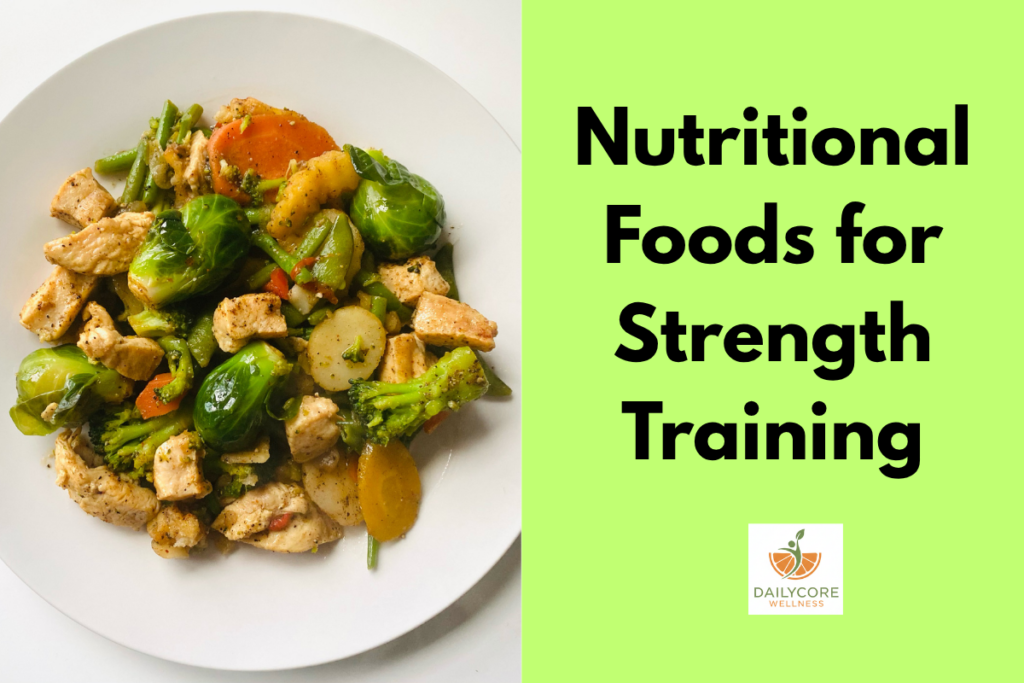
Nutritional Foods for Strength Training

50 Nutritional Foods for Strength Training

1. Lean Chicken Breast

Chicken breast is one of the most popular protein sources for strength training due to its high protein content and low-fat profile. It provides essential amino acids required for muscle repair and growth, making it ideal for post-workout recovery. Including chicken breast in your diet helps stimulate muscle protein synthesis, improve recovery speed, and support lean muscle mass maintenance. Preparing it in bulk, such as grilled or baked, allows convenient portioning for meal prep. Additionally, chicken is versatile, pairing well with vegetables, grains, or salads, making it easy to integrate into a structured nutrition plan for consistent strength gains.

2. Salmon

Salmon is not only rich in protein but also contains omega-3 fatty acids, which support hormone production, reduce inflammation, and aid joint health. Omega-3s are crucial for athletes because they enhance recovery, reduce muscle soreness, and improve cardiovascular function. Including salmon in your strength training diet ensures you receive high-quality protein along with essential fats that promote muscle growth. Preparing it baked, grilled, or in salads provides variety, and pre-portioning ensures convenience. Its combination of protein and healthy fats makes salmon a powerful food to support energy, recovery, and long-term strength training performance.

3. Eggs

Eggs are an affordable and nutrient-dense source of protein, providing all nine essential amino acids. They also contain vitamins and minerals like vitamin B12, choline, and selenium, which support energy metabolism and muscle function. Consuming whole eggs or egg whites around workouts ensures optimal muscle protein synthesis. They are highly versatile, allowing for omelets, boiled eggs, or scrambles, making meal prep straightforward. Eggs also aid in satiety, helping maintain calorie control while supporting lean muscle mass. Their digestibility and nutrient profile make eggs a fundamental food in strength-focused nutrition plans.

See also  25 Best Vitamins for Brain Health, Memory and Focus

4. Greek Yogurt

Greek yogurt is an excellent dairy-based protein source, offering both casein and whey proteins. Casein digests slowly, providing sustained amino acids for muscle repair, while whey supports rapid recovery post-workout. Greek yogurt also contains calcium, probiotics, and other nutrients that enhance bone and gut health. Pairing it with fruits, seeds, or oats increases fiber and nutrient density. Pre-portioning into containers makes it an ideal snack or breakfast option. Its high protein content and versatility make Greek yogurt a practical and effective component of a strength training nutrition plan for muscle growth and recovery.

5. Lean Beef

Lean beef provides high-quality protein along with important micronutrients like iron, zinc, and vitamin B12, which support energy production, oxygen transport, and muscle function. Iron is particularly vital for strength training, as it helps deliver oxygen to muscles, improving performance. Including lean beef in your diet helps maintain muscle mass, stimulate protein synthesis, and support recovery. Preparing lean beef grilled, roasted, or in stir-fries allows easy meal prep. Its nutrient profile makes lean beef an excellent food for strength-focused athletes seeking muscle growth, recovery, and enhanced energy for intensive workouts.

6. Quinoa

Quinoa is a plant-based source of complete protein, containing all nine essential amino acids. It is also rich in complex carbohydrates, fiber, and micronutrients like magnesium, which supports muscle contraction and energy metabolism. Including quinoa in your diet provides sustained energy for workouts while aiding in post-training recovery. It can be paired with lean proteins and vegetables for balanced meals. Pre-cooking and portioning quinoa ensures convenience for meal prep. Its combination of protein, carbs, and minerals makes it a versatile, high-nutrient addition to any strength training nutrition plan.

7. Cottage Cheese

Cottage cheese is an excellent source of slow-digesting casein protein, ideal for overnight muscle recovery. It provides essential amino acids that help reduce muscle breakdown during periods of fasting or sleep. Additionally, cottage cheese contains calcium and phosphorus, supporting bone health and neuromuscular function. Including cottage cheese in snacks or pre-bedtime meals helps maintain a steady supply of protein for recovery. Pairing it with fruits or seeds enhances nutrient density. Its affordability, high protein content, and versatility make cottage cheese a staple in strength training nutrition routines.

8. Lentils

Lentils are a plant-based protein source that also provides complex carbohydrates, fiber, iron, and B vitamins. The combination of protein and slow-digesting carbs supports sustained energy for workouts and aids in muscle recovery. Iron in lentils enhances oxygen transport to muscles, improving endurance during strength training. Lentils are versatile for soups, salads, or side dishes, and meal prep is easy. For vegetarians or those seeking plant-based options, lentils are an excellent addition to a strength training nutrition plan, supporting muscle maintenance, recovery, and overall performance.

9. Whey Protein Powder

Whey protein powder is a convenient and fast-digesting protein source, ideal for post-workout recovery. It provides all essential amino acids, rapidly stimulating muscle protein synthesis. Whey can be mixed with water, milk, or smoothies to ensure quick absorption and recovery. It helps maintain lean muscle mass, supports repair after high-intensity sessions, and provides flexibility for individuals with busy schedules. Using whey protein in meal prep or recovery routines is a practical way to meet daily protein requirements, especially when whole food protein intake is insufficient, making it a critical tool in strength training nutrition.

10. Brown Rice

Brown rice is a complex carbohydrate that provides sustained energy for strength training workouts. Its high fiber content promotes digestive health and helps regulate blood sugar levels, ensuring stable energy during training. Pairing brown rice with lean proteins such as chicken, fish, or tofu creates a balanced meal that supports muscle growth and recovery. Pre-cooking and portioning brown rice for meal prep ensures convenience and consistency in your nutrition plan. Its combination of carbohydrates and nutrients makes it an essential component of a well-structured diet for strength-focused athletes.


11. Turkey Breast

Turkey breast is a lean protein source rich in essential amino acids necessary for muscle repair and growth. It is low in fat while high in protein, making it ideal for strength training and fat management. Including turkey breast in your diet supports recovery after intense workouts, reduces muscle breakdown, and aids in maintaining lean body mass. Turkey is versatile—it can be grilled, baked, or added to salads and sandwiches. Preparing turkey in bulk ensures convenient portioning for meal prep. Its nutrient profile makes it an excellent alternative to chicken, providing the same benefits for energy, recovery, and sustained muscle-building results.

12. Almonds

Almonds are a nutrient-dense source of healthy fats, protein, and micronutrients like magnesium and vitamin E. Magnesium supports muscle contraction and energy metabolism, both essential for strength training performance. Vitamin E acts as an antioxidant, reducing exercise-induced oxidative stress. Almonds also provide fiber, which aids digestion and satiety. Including a small portion of almonds as a snack or pre-workout fuel ensures sustained energy, hormonal support, and enhanced recovery. Their convenience and nutrient density make them an essential addition to any strength training nutrition plan, complementing protein sources while supporting overall performance and muscle maintenance.

13. Tuna

Tuna is a high-protein, low-fat fish packed with essential amino acids and omega-3 fatty acids. Its protein supports muscle repair and growth, while omega-3s reduce inflammation and promote cardiovascular health. Tuna is convenient, versatile, and ideal for strength training meal prep, as it can be added to salads, sandwiches, or paired with complex carbohydrates like brown rice. Including tuna in your diet helps enhance recovery, maintain lean muscle mass, and support energy levels during intense workouts. Its nutrient density and digestibility make tuna a powerful food for individuals seeking sustained strength and muscle-building results.

14. Chickpeas

Chickpeas are a plant-based protein and carbohydrate source that provides sustained energy for workouts while supporting muscle recovery. They are rich in fiber, iron, and B vitamins, which aid energy metabolism and oxygen transport to muscles. Chickpeas are versatile and can be included in salads, stews, or roasted as snacks. Pre-cooking and portioning chickpeas for meal prep ensures convenience and consistency. For those seeking vegetarian or vegan options, chickpeas are a valuable component of a strength training nutrition plan, supplying both protein and energy while promoting satiety and overall performance.

15. Whey Isolate Protein

Whey isolate protein is a high-purity protein supplement ideal for rapid absorption post-workout. It contains minimal carbohydrates and fat while delivering all essential amino acids necessary for muscle protein synthesis. Consuming whey isolate immediately after training supports faster recovery, reduces muscle soreness, and promotes lean muscle growth. It is convenient for athletes with busy schedules, allowing easy supplementation to meet daily protein targets. Combining whey isolate with a carbohydrate source post-workout further enhances glycogen replenishment and recovery. Its fast-digesting nature and high-quality protein profile make it essential for strength-focused nutrition plans.

16. Spinach

Spinach is a leafy green rich in iron, magnesium, and vitamins A, C, and K, which support energy production, muscle function, and recovery. Iron is crucial for oxygen transport to muscles, enhancing endurance and performance during strength training. Magnesium aids muscle contraction and protein synthesis, while antioxidants in spinach reduce oxidative stress caused by intense workouts. Including spinach in salads, smoothies, or as a side dish provides essential micronutrients necessary for muscle growth and recovery. Its nutrient density, low-calorie content, and versatility make spinach a key component of a well-rounded strength training nutrition plan.

17. Brown Lentils

Brown lentils are high in protein, complex carbohydrates, and fiber, providing sustained energy and supporting muscle repair. They contain iron, folate, and B vitamins that contribute to energy metabolism and oxygen delivery to working muscles. Consuming lentils as part of your diet helps maintain training intensity, improves recovery, and supports lean muscle development. Lentils are versatile for soups, salads, or side dishes, and pre-cooking for meal prep makes them convenient and time-saving. Their combination of plant-based protein, carbohydrates, and micronutrients makes brown lentils an excellent addition to strength-focused nutrition plans.

18. Cottage Cheese (Low-Fat)

Low-fat cottage cheese is a slow-digesting protein source rich in casein, providing sustained amino acids for overnight muscle repair. It helps reduce muscle breakdown during periods of fasting or sleep, supporting recovery and lean mass maintenance. Cottage cheese also provides calcium, phosphorus, and B vitamins, promoting bone health and energy metabolism. Pairing it with fruits, seeds, or oats enhances nutrient density. Its affordability, high protein content, and ease of incorporation into snacks or pre-bedtime meals make low-fat cottage cheese a practical choice for athletes aiming to optimize strength training results.

19. Sweet Potatoes

Sweet potatoes are complex carbohydrates rich in fiber, vitamins A and C, and potassium, which support energy, recovery, and electrolyte balance during strength training. They provide sustained energy for workouts while replenishing glycogen stores post-exercise. Sweet potatoes pair well with lean proteins like chicken, fish, or tofu, creating balanced meals that enhance muscle repair and performance. Their slow-digesting carbohydrates prevent blood sugar spikes and improve satiety, making them an excellent choice for meal prep. Including sweet potatoes in a structured nutrition plan supports energy, recovery, and overall strength training efficiency.

20. Whey Concentrate Protein

Whey concentrate is a versatile, high-quality protein supplement that contains slightly more carbohydrates and fat than isolate, making it ideal for both muscle recovery and energy support. It delivers essential amino acids for muscle protein synthesis, reduces muscle breakdown, and enhances recovery after intense strength training sessions. Whey concentrate can be added to smoothies, oatmeal, or snacks to conveniently meet protein requirements. Its digestibility, convenience, and nutrient profile make it an effective tool for maintaining lean muscle, improving recovery, and supporting overall strength training performance.

See also  30 Powerful Ideas for High-Protein Healthy Meals

21. Oats

Oats are a complex carbohydrate rich in fiber, B vitamins, and minerals like magnesium and iron, providing sustained energy for strength training sessions. The slow-digesting carbs in oats ensure a steady release of glucose, fueling workouts and preventing mid-exercise fatigue. Oats also pair well with protein sources such as whey, Greek yogurt, or eggs, creating a balanced meal for both pre- and post-workout nutrition. Including oats in breakfast or meal prep routines supports glycogen replenishment, improves endurance, and aids recovery. Their versatility, affordability, and nutrient density make oats a staple in strength-focused meal plans.

22. Brown Rice

Brown rice is a high-fiber, complex carbohydrate that provides sustained energy for training and recovery. It supports glycogen replenishment, ensuring muscles have the energy needed for intense strength workouts. Pairing brown rice with lean proteins like chicken, fish, or tofu creates balanced meals that enhance recovery and muscle growth. Brown rice also contains essential minerals like magnesium and phosphorus, which support muscle contraction and bone health. Pre-cooking and portioning for meal prep ensures convenience, making it easy to maintain a structured nutrition plan. Its digestibility, nutrient content, and energy-sustaining properties make it an essential carbohydrate for strength athletes.

23. Broccoli

Broccoli is a cruciferous vegetable rich in vitamins C, K, and folate, as well as fiber and antioxidants. These nutrients support muscle recovery, reduce oxidative stress caused by intense training, and improve overall health. Fiber in broccoli aids digestion and helps regulate blood sugar, providing steady energy for workouts. Including broccoli in meals with lean proteins and complex carbs ensures balanced nutrition and sustained performance. Its low-calorie, high-nutrient profile makes it ideal for meal prep. Regular consumption of broccoli supports immune function, bone health, and recovery, making it a key component of a strength training nutrition plan.

24. Whey Protein Blend

A whey protein blend combines the benefits of fast-digesting whey with additional protein sources such as casein or milk protein. This provides both immediate and sustained amino acid delivery, optimizing post-workout recovery and muscle protein synthesis. The blend supports lean muscle growth, reduces muscle breakdown, and allows flexibility in meeting daily protein targets. Mixing whey protein blend with water, milk, or smoothies makes it a convenient option for busy schedules. Its balanced nutrient profile and versatility make it an essential tool for athletes aiming to enhance performance, recovery, and long-term strength training results.

25. Pumpkin Seeds

Pumpkin seeds are nutrient-dense, providing healthy fats, protein, magnesium, zinc, and antioxidants. Magnesium supports muscle contraction and energy production, while zinc plays a key role in immune function and hormone regulation. Including pumpkin seeds as a snack or adding them to meals enhances nutrient density and supports recovery. Their protein content contributes to daily protein intake, while healthy fats aid hormonal balance. Pre-portioning pumpkin seeds makes them convenient for meal prep. Their combination of protein, healthy fats, and micronutrients makes pumpkin seeds an excellent addition to a strength training nutrition plan.

26. Black Beans

Black beans are a plant-based protein and complex carbohydrate source, providing fiber, iron, and B vitamins. Their combination of protein and carbs supports sustained energy, glycogen replenishment, and muscle recovery. Iron helps transport oxygen to muscles, improving endurance and strength during workouts. Black beans are versatile for soups, salads, and side dishes, and pre-cooking ensures convenience for meal prep. They are an excellent option for vegetarians or those seeking plant-based protein sources. Including black beans in a nutrition plan promotes lean muscle growth, energy maintenance, and overall strength training efficiency.

27. Cottage Cheese (Full-Fat)

Full-fat cottage cheese offers casein protein for slow digestion, providing a steady release of amino acids during sleep or long fasting periods. The higher fat content also supports hormone production and satiety. This combination promotes overnight muscle repair, reduces muscle breakdown, and aids recovery. Cottage cheese is also rich in calcium and phosphorus, essential for bone health and neuromuscular function. Pairing it with fruits or seeds enhances nutrient density. Its convenience, nutrient profile, and muscle-supporting benefits make full-fat cottage cheese a practical addition to strength training nutrition plans.

28. Edamame

Edamame is young soybeans packed with plant-based protein, fiber, and micronutrients like magnesium, iron, and folate. The protein content supports muscle repair and growth, while fiber aids digestion and maintains energy levels during workouts. Edamame also contains antioxidants that reduce inflammation and support recovery. It is a versatile food, suitable as a snack, salad addition, or side dish. Pre-portioning edamame for meal prep ensures convenience. Including edamame in a nutrition plan provides plant-based protein options, supports sustained energy, and contributes to overall strength training performance.

29. Lean Pork

Lean pork is a high-protein meat rich in essential amino acids, B vitamins, and minerals such as zinc and phosphorus. These nutrients support muscle protein synthesis, energy metabolism, and hormone production. Including lean pork in meals aids in muscle repair, enhances recovery, and helps maintain lean body mass. Preparing lean pork grilled, baked, or in stir-fries ensures versatility and convenience for meal prep. Its nutrient density, protein quality, and role in energy production make lean pork a valuable component of strength training nutrition plans, particularly for those seeking variety beyond chicken or beef.

30. Chia Seeds

Chia seeds are nutrient-dense, providing protein, healthy fats, fiber, and antioxidants. They support muscle recovery, hormone balance, and sustained energy during strength training. Omega-3 fatty acids in chia reduce inflammation, while fiber helps regulate digestion and blood sugar levels. Chia seeds can be added to smoothies, oatmeal, or yogurt for convenient nutrient enrichment. Their pre-portioned use in meal prep ensures consistency in nutrition. Including chia seeds in a strength training diet contributes to protein intake, energy maintenance, and recovery, making them a versatile and beneficial addition to overall nutrition strategies.

31. Brown Eggs

Brown eggs are a nutrient-dense protein source, providing all essential amino acids required for muscle repair and growth. They are also rich in vitamins like B12 and D, along with minerals such as selenium and choline, which support energy metabolism and neuromuscular function. Consuming eggs as part of a pre- or post-workout meal promotes recovery, increases satiety, and helps maintain lean muscle mass. They can be prepared in various ways, including boiled, scrambled, or omelets, allowing flexibility in meal prep. Eggs remain an essential staple for strength training nutrition due to their high-quality protein, micronutrient content, and convenience.

32. Greek Yogurt (Full-Fat)

Full-fat Greek yogurt provides both slow- and fast-digesting proteins, supporting immediate and sustained amino acid availability for muscle recovery. It also contains calcium and probiotics, promoting bone health and digestive function. Including full-fat Greek yogurt in meals or snacks enhances satiety and supports hormone production due to its healthy fat content. Pairing it with fruits, nuts, or oats adds fiber and additional nutrients, making it a complete recovery option. Pre-portioning for meal prep ensures convenience and consistency. Its protein content, nutrient density, and versatility make it an indispensable food for strength training athletes.

33. Kidney Beans

Kidney beans are a plant-based source of protein, complex carbohydrates, and fiber, supporting sustained energy and muscle recovery. They are rich in iron, which enhances oxygen transport to working muscles, and B vitamins, which aid energy metabolism. Kidney beans can be incorporated into soups, salads, and side dishes or used in meal prep for convenient protein intake. For vegetarians and vegans, kidney beans provide an essential alternative to animal-based proteins. Regular inclusion in a strength training diet promotes lean muscle growth, endurance, and overall performance while supporting digestive health.

34. Tuna (Canned in Water)

Canned tuna is a high-protein, low-fat source, providing essential amino acids and omega-3 fatty acids that support muscle repair, hormone regulation, and cardiovascular health. It is convenient, shelf-stable, and ideal for meal prep or quick meals. Including tuna in salads, sandwiches, or bowls helps meet protein requirements efficiently. Omega-3s reduce inflammation, improve recovery, and support joint health, making tuna particularly beneficial for strength training athletes. Its combination of protein, micronutrients, and convenience makes it an essential component of a structured nutrition plan focused on muscle growth and recovery.

35. Whey Protein with Added Carbs

Whey protein combined with a carbohydrate source post-workout accelerates glycogen replenishment and enhances amino acid delivery to muscles. This combination supports faster recovery, reduces soreness, and promotes lean muscle growth. Carbohydrates improve insulin response, aiding nutrient uptake into muscle cells. This supplement is ideal for athletes training intensely or those with higher caloric needs. Mixing whey protein with fruits, oats, or maltodextrin provides balanced recovery nutrition. Its practicality, rapid absorption, and nutrient synergy make whey protein with added carbs a strategic tool for strength training nutrition.

36. Spinach (Cooked or Raw)

Spinach is a micronutrient powerhouse containing iron, magnesium, calcium, and vitamins A, C, and K. These nutrients support oxygen transport, muscle contraction, and antioxidant defense, all crucial for strength training recovery and performance. Spinach also contains fiber, which aids digestion and maintains satiety. It can be included in smoothies, salads, stir-fries, or meal prep containers, making it highly versatile. Regular inclusion of spinach ensures adequate micronutrient intake, reduces inflammation, supports energy production, and enhances muscle function, making it a vital component of a comprehensive strength training nutrition plan.

37. Lean Ground Turkey

Lean ground turkey is a versatile, high-protein meat that supports muscle repair, recovery, and growth. It is rich in essential amino acids, low in fat, and contains micronutrients such as selenium and B vitamins that enhance energy metabolism and muscle function. Ground turkey can be prepared in multiple ways, including patties, stir-fries, and salads, making meal prep convenient. Including lean ground turkey in strength training nutrition ensures sufficient protein intake, supports lean mass maintenance, and contributes to consistent recovery after intense workouts. Its nutrient density and adaptability make it a valuable protein source.

See also  Panda Express Nutrition Guide for Chinese Fast Food Choices

38. Tempeh

Tempeh is a fermented soybean product rich in plant-based protein, fiber, and micronutrients such as magnesium and iron. Its protein content supports muscle repair and growth, while fermentation improves digestibility and gut health. Tempeh can be grilled, sautéed, or added to salads, providing a versatile option for vegetarians or those seeking plant-based protein alternatives. Regular consumption of tempeh contributes to sustained energy, enhanced recovery, and maintenance of lean muscle mass. Its combination of protein, minerals, and probiotic benefits makes tempeh an effective component of a strength training nutrition plan.

39. Walnuts

Walnuts provide healthy fats, protein, and antioxidants that support recovery, hormone production, and cardiovascular health. The omega-3 fatty acids in walnuts reduce inflammation and aid joint health, which is critical during intensive strength training. Including a portion of walnuts as a snack or in meals contributes to energy balance and overall nutrient density. Their protein content complements other protein sources, while healthy fats improve satiety and hormone regulation. Pre-portioning walnuts for meal prep ensures convenience. Regular consumption supports recovery, energy maintenance, and performance in strength-focused athletes.

40. Barley

Barley is a whole grain rich in complex carbohydrates, fiber, and micronutrients like magnesium, selenium, and B vitamins. It provides sustained energy for workouts, supports glycogen replenishment, and aids recovery. Barley’s fiber content improves digestive health and satiety, while its micronutrients support energy metabolism and muscle function. Including barley in meals with lean proteins creates balanced nutrition for strength training. Pre-cooking and portioning barley for meal prep ensures convenience and consistency. Its nutrient density, energy-sustaining carbohydrates, and versatility make barley a valuable addition to a structured strength training nutrition plan.

41. White Rice

White rice is a fast-digesting carbohydrate that is particularly useful for post-workout recovery. It helps rapidly replenish glycogen stores in muscles, ensuring quicker recovery and readiness for subsequent training sessions. Unlike complex carbs, white rice is easy to digest, making it ideal immediately after intense workouts when the body needs quick energy restoration. Pairing white rice with lean protein sources like chicken, fish, or eggs enhances muscle repair and growth. Including white rice strategically in your nutrition plan supports recovery, improves workout performance, and provides a practical carbohydrate option for strength athletes.

42. Bananas

Bananas are a convenient source of carbohydrates, potassium, and vitamin B6, making them ideal for pre- and post-workout nutrition. The natural sugars provide quick energy, while potassium helps maintain electrolyte balance and prevents muscle cramps. Including bananas before workouts enhances energy levels, while post-workout consumption aids glycogen replenishment. Bananas can be paired with protein sources like yogurt or whey protein for balanced recovery. Their portability and nutrient content make bananas an essential addition to a strength training nutrition plan, supporting endurance, recovery, and overall performance.

43. Avocado

Avocado is rich in healthy monounsaturated fats, fiber, and essential micronutrients like potassium and vitamin E. These nutrients support hormone production, joint health, and recovery, all of which are critical for strength training. Including avocado in meals helps improve satiety and provides sustained energy throughout the day. It pairs well with protein sources like eggs, chicken, or fish, creating balanced meals. Although calorie-dense, moderate consumption of avocado contributes to overall nutrient balance, supports recovery, and enhances long-term performance in strength-focused individuals.

44. Whole Wheat Bread

Whole wheat bread provides complex carbohydrates and fiber, supporting sustained energy levels for strength training. It also contains B vitamins that aid energy metabolism and muscle function. Including whole wheat bread in meals, such as sandwiches with lean protein, creates balanced nutrition for pre- or post-workout fueling. Its fiber content helps regulate blood sugar levels and promotes digestive health. Whole wheat bread is convenient, versatile, and easy to incorporate into meal prep routines, making it a practical carbohydrate source for maintaining consistent energy and performance.

45. Milk

Milk provides a balanced combination of protein, carbohydrates, and fats, making it a complete recovery beverage. It contains both whey and casein proteins, supporting immediate and sustained muscle repair. Additionally, milk is rich in calcium, vitamin D, and potassium, promoting bone health and muscle function. Consuming milk post-workout helps replenish glycogen stores and supports hydration. It can be consumed on its own or added to smoothies and shakes. Its nutrient density and convenience make milk an effective option for supporting strength training recovery and overall performance.

46. Apples

Apples are a source of natural carbohydrates, fiber, and antioxidants that support energy levels and recovery. While not high in protein, they provide a steady release of energy and help maintain blood sugar balance. Apples can be paired with protein sources like peanut butter or yogurt for a more balanced snack. Their antioxidants help reduce oxidative stress caused by intense training. Including apples in your diet contributes to overall nutrient intake, digestive health, and sustained energy, making them a useful addition to a strength training nutrition plan.

47. Peanut Butter

Peanut butter provides healthy fats, protein, and calories that support energy balance and muscle growth. It is particularly beneficial for individuals with higher caloric needs due to intense strength training. The combination of protein and fats helps improve satiety and supports hormone production. Peanut butter can be added to smoothies, oatmeal, or whole-grain bread for convenient meal options. Its nutrient density makes it an effective addition to pre- or post-workout meals, contributing to recovery, energy, and long-term performance.

48. Dark Chocolate (High Cocoa)

Dark chocolate, especially varieties with high cocoa content, contains antioxidants and small amounts of minerals like magnesium and iron. These nutrients support recovery, reduce inflammation, and improve blood flow. While it should be consumed in moderation, dark chocolate can be included as part of a balanced nutrition plan to enhance overall nutrient intake. Its antioxidant properties help combat oxidative stress caused by intense workouts. Including small portions in your diet can support recovery and provide a satisfying addition to strength training nutrition.

49. Oranges

Oranges are rich in vitamin C, potassium, and natural carbohydrates, supporting immune function, hydration, and recovery. Vitamin C plays a role in collagen production, which supports joint and connective tissue health. Consuming oranges helps replenish electrolytes and provides quick energy after workouts. Pairing oranges with protein sources enhances recovery and nutrient balance. Their refreshing nature and nutrient content make oranges a practical addition to a strength training nutrition plan, supporting hydration, recovery, and overall performance.

50. Water and Electrolytes

Water and electrolytes are fundamental to all aspects of strength training performance. Hydration supports nutrient transport, muscle contraction, joint lubrication, and temperature regulation during exercise. Electrolytes such as sodium, potassium, and magnesium help maintain fluid balance and prevent muscle cramps. Inadequate hydration can lead to fatigue, reduced strength, and impaired recovery. Consistently consuming water throughout the day and replenishing electrolytes after intense workouts ensures optimal performance. Hydration is not just supportive but essential for maximizing strength training outcomes and maintaining overall health.

Conclusion

Strength training success is deeply rooted in the quality and structure of your nutrition. Every meal plays a strategic role in fueling performance, supporting muscle repair, and enhancing overall physical capacity. By prioritizing nutrient-dense foods such as lean proteins, complex carbohydrates, healthy fats, and essential micronutrients, you create an internal environment that promotes strength development and efficient recovery. A well-planned nutrition approach ensures that your efforts in the gym translate into measurable progress over time.

Equally important is the ability to maintain balance and variety within your diet. Relying on diverse food sources not only prevents nutritional gaps but also keeps your meals engaging and sustainable. Incorporating a mix of animal-based and plant-based proteins, whole grains, fruits, and vegetables allows your body to receive a broad spectrum of nutrients necessary for optimal function. This diversity supports energy production, hormone regulation, and muscle adaptation, all of which are essential for continuous improvement in strength training.

Recognizing and addressing nutritional deficiencies early can significantly influence your long-term performance. Signs such as fatigue, slow recovery, and reduced strength output should never be ignored, as they indicate the need for dietary adjustments. By monitoring your intake, staying hydrated, and aligning your nutrition with your training intensity, you create a foundation that minimizes setbacks and supports steady physical development. Small, intentional improvements in your daily nutrition habits can lead to meaningful changes in strength and endurance.

Achieving lasting results in strength training requires discipline, planning, and a commitment to proper nutrition. Building a structured eating routine, preparing meals in advance, and making informed food choices help reinforce positive habits that support your fitness goals. Over time, this approach fosters resilience, improves performance, and enhances overall well-being. A strong nutritional foundation not only supports muscle growth and recovery but also ensures that your progress remains steady, sustainable, and aligned with long-term health and fitness success.


Leave a Reply

Your email address will not be published. Required fields are marked *

You May Also Like