Oral hygiene for cats is an essential aspect of feline health that many pet owners overlook. Just like humans, cats are susceptible to dental problems such as plaque buildup, gum disease, and tooth decay. Without proper dental care, these issues can progress into severe health complications that affect not only the mouth but also vital organs like the heart, liver, and kidneys. Maintaining proper oral hygiene for cats helps prevent these risks and supports overall health and longevity.
Understanding the importance of oral hygiene for cats allows pet owners to identify early warning signs of dental problems. Symptoms such as bad breath, difficulty eating, drooling, or swollen gums often indicate underlying oral health issues. When detected early, many dental problems can be treated or managed effectively before they escalate into serious conditions.
A proactive approach to oral hygiene for cats ensures that pets remain comfortable, healthy, and active. Establishing simple daily or weekly dental habits significantly reduces the risk of oral disease. With the right strategies and consistent care, cat owners can help their pets maintain strong teeth and healthy gums throughout their lives.
Why Oral Hygiene for Cats Is Essential for Long-Term Health
Oral hygiene for cats is not just about maintaining clean teeth; it is a crucial component of overall health. Dental disease in cats often begins with plaque accumulation, which forms when bacteria mix with food particles and saliva. If plaque remains on the teeth, it gradually hardens into tartar. This hardened buildup irritates the gums and creates an environment where harmful bacteria thrive. Over time, this process can lead to gingivitis, periodontal disease, and even tooth loss.
Poor oral hygiene for cats can also lead to more serious systemic health problems. Bacteria from infected gums can enter the bloodstream and travel to other organs, including the heart, kidneys, and liver. This increases the risk of chronic health conditions that may significantly shorten a cat’s lifespan. Maintaining a regular dental care routine, therefore, supports both oral and overall health.
Consistent dental care helps prevent discomfort and pain that many cats silently endure. Cats are naturally skilled at hiding pain, which means dental problems often go unnoticed until they become severe. Regular monitoring of oral hygiene for cats allows owners to identify subtle changes early, such as reduced appetite or changes in chewing behavior.
By prioritizing oral hygiene for cats, pet owners can improve their cats’ quality of life. Healthy teeth and gums allow cats to eat comfortably, maintain proper nutrition, and remain active. Preventative dental care ultimately reduces the likelihood of costly veterinary procedures while ensuring long-term well-being.
Common Dental Problems in Cats and How Prevention Helps
Several dental conditions can affect cats, and most of them are closely linked to inadequate oral hygiene. One of the most common problems is gingivitis, an inflammation of the gums caused by plaque and bacteria. Early-stage gingivitis is reversible if addressed quickly through proper oral hygiene for cats. However, if left untreated, it can progress into periodontal disease, which damages the tissues supporting the teeth.
Another frequent issue in cats is tooth resorption, a painful condition where the tooth structure gradually breaks down. Although the exact cause is not fully understood, maintaining good oral hygiene for cats can help reduce the severity of dental complications and encourage earlier detection. Regular dental examinations allow veterinarians to identify these problems before they worsen.
Tartar buildup is another common dental concern. Once plaque hardens into tartar, it cannot be removed through brushing alone and often requires professional cleaning. This is why prevention is essential. Establishing consistent oral hygiene for cats helps minimize plaque accumulation before it turns into stubborn tartar deposits.
Preventative dental care also improves a cat’s comfort and eating habits. Cats suffering from oral pain may avoid food, lose weight, or become irritable. By maintaining good oral hygiene for cats, owners help ensure their pets remain comfortable, well-nourished, and free from unnecessary dental pain.
30 Best Guides on Oral Hygiene for Cats
1. Brush Your Cat’s Teeth Regularly
Brushing is the most effective way to maintain proper oral hygiene for cats. Regular brushing removes plaque before it hardens into tartar and reduces the bacterial buildup that leads to gum disease. Ideally, cat owners should brush their pet’s teeth several times per week using a toothbrush and toothpaste specifically designed for cats. Human toothpaste should never be used because it contains ingredients that may be harmful if swallowed.
Introducing brushing gradually helps cats become comfortable with the process. Start by allowing the cat to taste the toothpaste and gently touching the teeth with your finger before introducing a toothbrush. Over time, the routine becomes familiar and less stressful. Consistent brushing significantly improves oral hygiene for cats by preventing plaque accumulation and supporting healthy gums.
Establishing a regular brushing routine also allows owners to monitor their cat’s mouth for early signs of dental problems. Swollen gums, unusual odor, or changes in tooth color may indicate the need for veterinary evaluation. With patience and consistency, brushing becomes a valuable habit that protects a cat’s dental health throughout its life.
2. Provide Dental-Friendly Cat Food
Diet plays an important role in maintaining oral hygiene for cats. Certain dry cat foods are specifically formulated to help reduce plaque and tartar buildup. These diets often contain larger kibble pieces designed to create a mild abrasive action as the cat chews, helping clean the surface of the teeth.
While diet alone cannot replace brushing, it can significantly support dental health. High-quality cat food also contributes to stronger teeth and gums by providing balanced nutrients. Protein, vitamins, and minerals all play a role in maintaining oral tissue health and preventing dental deterioration.
Cat owners should consult a veterinarian before switching to a dental diet to ensure it meets their pet’s nutritional needs. When combined with other dental care practices, appropriate food choices can strengthen oral hygiene for cats and reduce the likelihood of dental disease.
3. Use Dental Treats Designed for Cats
Dental treats are another helpful tool for improving oral hygiene for cats. These treats are designed with special textures that help scrape plaque from the teeth as the cat chews. Many also contain ingredients that support gum health and reduce bacteria responsible for bad breath.
When used appropriately, dental treats can complement a regular dental care routine. They provide both oral health benefits and a rewarding experience for the cat. However, treats should always be given in moderation to prevent excess calorie intake.
Not all treats are equally beneficial, so selecting products specifically formulated for dental health is important. Veterinary-approved dental treats are typically the best choice because they meet safety and effectiveness standards. Including dental treats as part of a comprehensive routine can strengthen oral hygiene for cats and make dental care more enjoyable for pets.
4. Schedule Regular Veterinary Dental Checkups
Routine veterinary examinations are essential for maintaining proper oral hygiene for cats. Even with consistent home care, some dental issues may develop below the gum line, where they cannot be easily seen. Veterinarians are trained to detect early signs of dental disease that might otherwise go unnoticed.
During a dental checkup, the veterinarian evaluates the teeth, gums, and overall oral condition. If necessary, professional cleaning may be recommended to remove hardened tartar and bacteria. These procedures are typically performed under anesthesia to ensure thorough cleaning and accurate assessment.
Regular checkups help prevent minor dental problems from progressing into serious conditions. By scheduling routine veterinary visits, cat owners can maintain strong oral hygiene for cats and ensure early intervention whenever dental concerns arise.
5. Introduce Dental Toys for Natural Cleaning
Dental toys can play a supportive role in maintaining oral hygiene for cats. Many toys are designed with textured surfaces that help reduce plaque buildup while the cat chews and plays. These toys encourage natural chewing behavior, which can gently clean the teeth and massage the gums.
Providing engaging toys also promotes mental stimulation and physical activity, which contributes to overall well-being. When cats regularly chew on dental toys, they help remove small amounts of plaque that accumulate throughout the day.
However, toys should be chosen carefully to ensure they are safe and durable. Products specifically designed for cats are less likely to cause dental injury. When incorporated into a broader dental care routine, dental toys contribute to effective oral hygiene for cats.
6. Monitor Your Cat’s Breath and Eating Habits
Changes in breath odor or eating patterns can indicate dental problems. Persistent bad breath is often a sign of bacterial buildup in the mouth. Monitoring these subtle changes helps cat owners identify potential issues related to oral hygiene for cats.
Cats experiencing dental discomfort may chew on one side of the mouth, drop food while eating, or show reluctance to eat hard food. These behaviors suggest that dental pain or gum inflammation may be present.
Observing your cat’s daily habits allows for early detection of dental issues. If any unusual symptoms appear, a veterinary consultation should be scheduled promptly. Close monitoring supports effective oral hygiene for cats and helps prevent minor issues from developing into serious health concerns.
7. Consider Water Additives for Dental Support
Water additives are products designed to promote oral hygiene for cats by reducing bacteria in the mouth. These solutions are added to the cat’s drinking water and help control plaque formation and bad breath.
Although water additives should not replace brushing, they can serve as an additional layer of protection. Many formulas contain ingredients that slow bacterial growth and support healthier gums.
Before using a water additive, pet owners should consult their veterinarian to ensure the product is safe and suitable for their cat. When combined with other dental care methods, water additives can strengthen overall oral hygiene for cats and contribute to fresher breath.
8. Start Dental Care Early in a Cat’s Life
Establishing dental care habits early significantly improves oral hygiene for cats. Kittens that become accustomed to brushing and mouth handling are more likely to tolerate dental care as adults. Early training reduces stress and makes routine dental maintenance easier.
Young cats also benefit from preventative care because plaque accumulation begins early in life. By introducing brushing, dental treats, and regular checkups at a young age, owners can reduce the likelihood of future dental disease.
Consistent early care sets the foundation for lifelong oral health. When dental hygiene becomes part of a cat’s normal routine, maintaining oral hygiene for cats becomes more manageable and effective over time.
9. Watch for Signs of Gum Inflammation
Gum inflammation is one of the earliest signs of dental disease in cats. Redness, swelling, or bleeding gums may indicate gingivitis, a condition caused by plaque buildup along the gum line. Early detection is crucial for maintaining effective oral hygiene for cats.
If gingivitis is identified early, it can often be reversed through improved dental care and professional cleaning. However, untreated gum inflammation may progress into periodontal disease, which damages the structures supporting the teeth.
Regularly inspecting your cat’s mouth allows owners to identify potential problems quickly. Recognizing these signs and seeking veterinary advice helps maintain strong oral hygiene for cats and prevents more severe dental complications.
10. Maintain a Consistent Dental Care Routine
Consistency is the most important factor in maintaining oral hygiene for cats. Dental care should not be performed occasionally; instead, it should become part of the cat’s regular health routine. Combining brushing, proper diet, dental treats, and veterinary checkups creates a comprehensive approach to oral care.
Cats thrive on routine, and consistent dental habits reduce stress during grooming and health maintenance. Over time, these practices significantly reduce plaque buildup and gum inflammation.
A consistent routine also ensures that dental problems are identified early. When oral hygiene for cats becomes a regular priority, owners can protect their pets from pain, infections, and costly treatments while supporting long-term health.
11. Use Cat-Safe Dental Toothpaste
Using toothpaste specifically formulated for cats is a critical component of effective oral hygiene for cats. Human toothpaste contains ingredients such as fluoride and xylitol that can be harmful or toxic to pets when swallowed. Cat-safe dental toothpaste is designed with safe ingredients and flavors that are appealing to cats, making the brushing process easier and less stressful.
These specialized toothpastes often contain enzymes that help break down plaque and control harmful bacteria in the mouth. Regular use during brushing enhances the effectiveness of mechanical cleaning by targeting the microorganisms responsible for gum disease and bad breath. This combination improves overall oral hygiene for cats and supports healthier teeth and gums.
Cat owners should introduce toothpaste gradually, allowing the cat to taste it before beginning a brushing routine. Over time, most cats become more tolerant of the process. When used consistently with proper brushing techniques, cat-safe toothpaste significantly contributes to maintaining strong dental health and preventing long-term oral complications.
12. Perform Weekly Oral Inspections
Regular oral inspections help pet owners monitor the condition of their cat’s teeth and gums. Checking the mouth weekly allows early identification of dental issues such as plaque buildup, inflamed gums, broken teeth, or unusual swelling. These inspections are an important part of maintaining consistent oral hygiene for cats because many dental conditions develop gradually and may not show obvious symptoms initially.
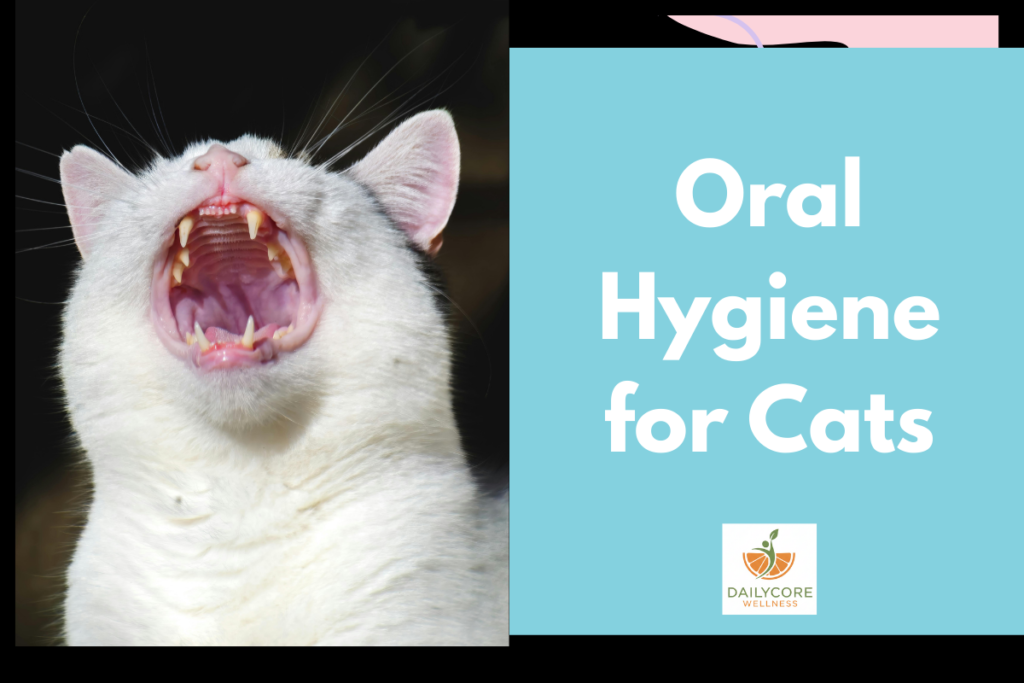
During an inspection, gently lift the cat’s lips to observe the gum line and tooth surfaces. Healthy gums should appear pink and firm, while teeth should be free from heavy tartar deposits. Any strong odor, redness, or bleeding may indicate early dental disease that requires veterinary attention.
Performing these simple checks also helps cats become accustomed to having their mouths handled. This familiarity reduces stress during brushing and veterinary examinations. Incorporating routine inspections into a cat’s care schedule strengthens oral hygiene for cats by promoting early detection and timely treatment of dental problems.
13. Encourage Chewing Activities
Natural chewing behavior can support oral hygiene for cats by helping remove small amounts of plaque from the teeth. While cats do not chew as extensively as dogs, providing safe objects designed for feline chewing can still offer dental benefits. Chewing activities stimulate the gums and contribute to mild mechanical cleaning of the tooth surfaces.
Products such as textured dental toys or chew sticks formulated for cats can encourage this behavior. These items often feature ridges or grooves that gently scrape plaque while the cat interacts with them. In addition to supporting dental health, chewing provides mental stimulation and can reduce boredom-related behaviors.
Cat owners should always choose chew items specifically designed for feline use to avoid choking hazards or dental damage. Regularly inspecting toys for wear and replacing them when necessary ensures safety. Incorporating chewing opportunities into daily routines enhances oral hygiene for cats and complements other preventative dental care practices.
14. Maintain Proper Hydration
Adequate hydration plays an important role in maintaining oral hygiene for cats. Water helps rinse food particles and bacteria from the mouth, reducing the buildup of plaque and harmful microorganisms. Cats that drink sufficient water are less likely to experience excessive bacterial accumulation in the oral cavity.
Providing clean, fresh water daily encourages healthy drinking habits. Some cats prefer running water, which makes water fountains a helpful option for increasing hydration. These fountains stimulate natural curiosity and may lead to improved water intake.
Hydration also supports saliva production, which is essential for maintaining oral health. Saliva contains natural enzymes that help control bacteria and protect the teeth. By ensuring that cats remain well-hydrated, owners contribute to a healthier oral environment. Proper hydration, combined with other dental care practices, strengthens overall oral hygiene for cats and helps maintain balanced oral conditions.
15. Avoid Excessively Sticky Foods
Sticky foods can contribute to plaque accumulation and negatively affect oral hygiene for cats. Foods that cling to the teeth remain in the mouth longer, providing bacteria with more time to break down food particles and produce acids that damage enamel and irritate gums.
While many commercial cat foods are formulated with dental health in mind, some soft or sticky treats may adhere to the teeth more easily. When selecting treats or supplemental foods, it is important to consider how they interact with the cat’s dental surfaces. Choosing products that do not easily stick to the teeth helps reduce plaque buildup.
Moderation is also essential when offering treats. Excessive snacking increases the frequency of bacterial activity in the mouth. Maintaining balanced feeding routines and selecting appropriate foods helps preserve oral hygiene for cats while supporting overall nutritional health.
16. Schedule Professional Dental Cleanings
Even with consistent home care, professional dental cleanings remain an important component of oral hygiene for cats. Veterinarians perform these cleanings using specialized equipment that removes tartar both above and below the gum line. This thorough cleaning process eliminates hardened deposits that cannot be removed through brushing alone.
Professional cleanings are typically performed under anesthesia to allow veterinarians to examine the entire mouth safely and effectively. During the procedure, the veterinarian may also take dental X-rays to detect hidden issues such as tooth root infections or bone loss.
Scheduling periodic professional cleanings helps maintain optimal dental health and prevents advanced periodontal disease. By combining veterinary procedures with routine home care, cat owners can ensure comprehensive oral hygiene for cats and reduce the likelihood of severe dental complications.
17. Reduce Stress During Dental Care
Stress management is an often-overlooked factor in maintaining oral hygiene for cats. Cats that experience anxiety during brushing or oral examinations may resist dental care, making it difficult for owners to maintain consistent routines. Creating a calm and predictable environment helps improve cooperation and reduce resistance.
Dental care sessions should be brief and gentle, gradually increasing in duration as the cat becomes more comfortable. Offering praise or small rewards afterward can reinforce positive associations with the experience. Patience and consistency are key when building tolerance for dental care activities.
Establishing a calm routine not only improves the cat’s cooperation but also ensures that oral hygiene practices can be performed regularly. When dental care becomes a low-stress activity, it becomes easier to maintain effective oral hygiene for cats and ensure long-term dental health.
18. Monitor Weight and Nutritional Balance
Proper nutrition directly influences oral hygiene for cats. Diets that provide balanced levels of essential vitamins and minerals contribute to stronger teeth and healthier gums. Nutritional deficiencies can weaken oral tissues and increase susceptibility to infections or inflammation.
Maintaining a healthy body weight is equally important. Overweight cats may experience reduced activity levels and metabolic changes that indirectly affect overall health, including dental condition. A balanced feeding plan helps maintain proper metabolism and supports tissue repair processes within the mouth.
Veterinarians can recommend appropriate diets tailored to a cat’s age, health status, and activity level. Ensuring proper nutrition strengthens the immune system and supports gum health. When combined with routine dental care, balanced nutrition plays a significant role in preserving long-term oral hygiene for cats.
19. Address Dental Problems Promptly
Timely treatment is essential when dental issues arise. Ignoring symptoms such as bleeding gums, excessive drooling, or difficulty chewing can allow dental conditions to worsen. Prompt intervention helps prevent minor problems from progressing into severe infections or tooth loss.
When signs of dental discomfort appear, scheduling a veterinary consultation should be a priority. Early diagnosis allows for simpler treatments and improves recovery outcomes. Delaying treatment may lead to more invasive procedures and prolonged discomfort for the cat.
Addressing dental concerns quickly reinforces the effectiveness of preventative care. By responding promptly to potential problems, cat owners protect their pet’s comfort and maintain effective oral hygiene for cats over the long term.
20. Commit to Lifelong Dental Care
Oral hygiene for cats is not a short-term effort but a lifelong commitment. Dental health requires consistent attention throughout every stage of a cat’s life, from kittenhood to senior years. Establishing strong habits early makes it easier to maintain these routines as the cat ages.
A comprehensive dental care routine typically includes brushing, proper diet, dental treats, regular veterinary checkups, and routine monitoring of oral health. Each of these practices contributes to reducing plaque buildup and preventing periodontal disease.
Long-term dedication to dental care ensures that cats remain comfortable and healthy. By maintaining consistent oral hygiene for cats over many years, pet owners significantly reduce the risk of dental complications and support their pet’s overall well-being and longevity.
Conclusion
Maintaining proper oral hygiene for cats is one of the most important responsibilities of a pet owner. Dental health directly influences a cat’s comfort, ability to eat, and overall quality of life. When oral care is neglected, plaque and bacteria can quickly lead to painful dental conditions that affect both the mouth and other vital organs. Establishing a consistent dental care routine is therefore essential for preventing these complications.
Preventative care plays a critical role in long-term feline health. Regular brushing, dental-friendly diets, professional veterinary checkups, and appropriate dental products all contribute to improved oral hygiene for cats. Each of these practices works together to reduce plaque buildup, protect gum health, and detect early warning signs of dental disease before they become severe.
Consistency is the key to achieving lasting results. Dental care should be treated as a routine part of daily or weekly pet care rather than an occasional task. When owners maintain consistent oral hygiene practices, they significantly lower the risk of periodontal disease, tooth loss, and systemic infections.
Ultimately, prioritizing oral hygiene for cats supports a healthier and longer life for feline companions. With dedication, patience, and regular care, cat owners can ensure that their pets enjoy strong teeth, healthy gums, and lasting well-being for many years to come.
Share this:
- Share on Facebook (Opens in new window) Facebook
- Share on X (Opens in new window) X
- Share on WhatsApp (Opens in new window) WhatsApp
- Share on Threads (Opens in new window) Threads
- Share on LinkedIn (Opens in new window) LinkedIn
- Share on Telegram (Opens in new window) Telegram
- Email a link to a friend (Opens in new window) Email
- Share on Pinterest (Opens in new window) Pinterest