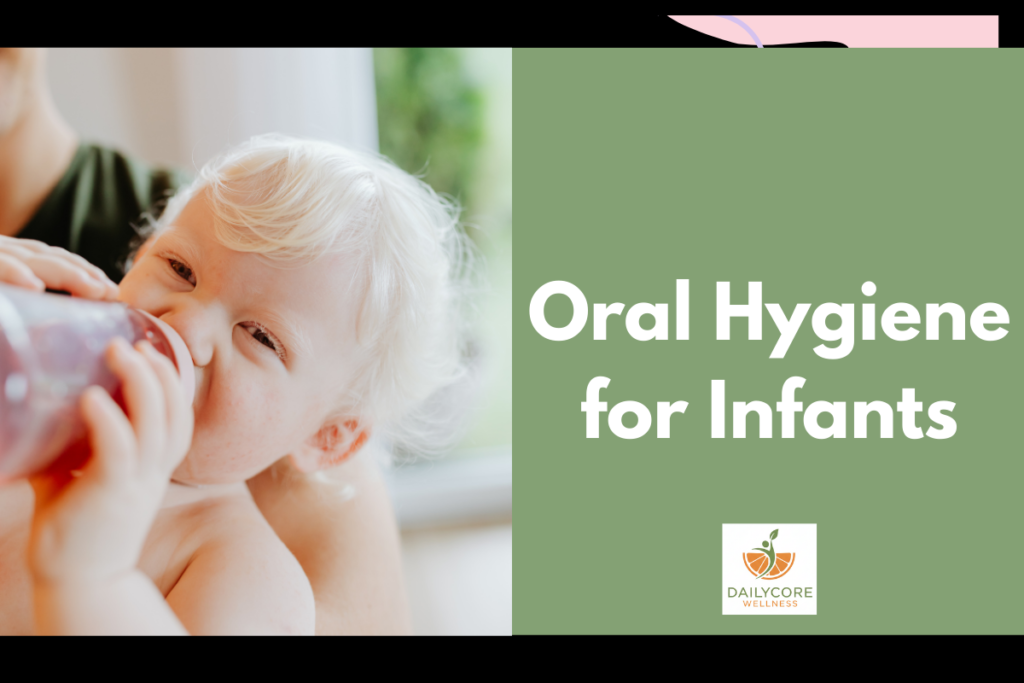
Oral hygiene for infants is a crucial aspect of early childhood health that many parents overlook during the first months of a baby’s life. Even before the first tooth appears, maintaining a clean oral environment helps protect delicate gums and prevents the growth of harmful bacteria. Establishing a proper infant oral care routine early can significantly influence long-term dental health, setting the foundation for strong teeth and healthy gums throughout childhood and beyond.
Many caregivers assume dental care begins when the first tooth erupts, but oral hygiene for infants should start much earlier. Bacteria can accumulate in an infant’s mouth from milk, formula, and other feeding practices. If not properly cleaned, these residues may contribute to gum irritation and eventually lead to early childhood tooth decay. A simple daily routine can greatly reduce these risks while also helping babies become comfortable with oral care practices.
Furthermore, oral hygiene for infants plays a key role in overall health. Poor oral hygiene may allow bacteria to thrive, potentially affecting not only dental health but also general wellness. By following safe and effective infant oral care techniques, parents can protect their baby’s developing mouth and ensure a healthy start for their child’s future dental development.
Why Oral Hygiene for Infants Is Important
Oral hygiene for infants is essential because the mouth quickly becomes a breeding ground for bacteria if it is not cleaned regularly. Even though babies initially consume only breast milk or formula, residue from these liquids can accumulate along the gums and tongue. Over time, this buildup creates an environment where bacteria thrive. When the first tooth erupts, these bacteria can attach to the tooth surface and begin forming plaque, increasing the risk of early tooth decay. Maintaining oral cleanliness from birth reduces bacterial buildup and helps protect emerging teeth.
Another reason oral hygiene for infants is critical is that the earliest stages of dental development occur during infancy. The primary teeth, also known as baby teeth, begin forming below the gums long before they appear. Proper oral care helps maintain healthy gums, which are necessary for the safe eruption of these teeth. Consistent gum cleaning also helps parents monitor changes in their baby’s mouth, such as swelling from teething or unusual discoloration that may require professional evaluation.
When to Start Infant Oral Care
Parents should begin practicing oral hygiene for infants immediately after birth. Even before teeth emerge, gently cleaning the baby’s gums helps remove milk residue and bacteria that accumulate throughout the day. A soft, damp cloth or infant gum cleaner can be used to wipe the gums after feeding. This simple practice helps maintain a clean oral environment and introduces the baby to the sensation of oral care.
As soon as the first tooth appears, usually between four and seven months, the oral hygiene routine should expand to include brushing with a soft infant toothbrush. Using a tiny smear of fluoride toothpaste recommended for infants can help protect developing enamel from early decay. At this stage, consistency becomes especially important. Daily brushing, combined with regular dental checkups as recommended by pediatric dental professionals, ensures that the infant’s oral health remains protected during this critical developmental stage.
Practical Tips for Maintaining Oral Hygiene for Infants
1. Begin Cleaning Your Baby’s Gums From Birth
Starting oral hygiene for infants immediately after birth helps establish a strong foundation for healthy dental development. Even before teeth emerge, bacteria can accumulate from breast milk or formula left in the mouth after feeding. Using a clean, damp washcloth or soft gauze pad, gently wipe your baby’s gums at least twice a day. This process removes milk residue and prevents harmful bacterial buildup that could later contribute to tooth decay once teeth erupt. Consistent gum cleaning also familiarizes your baby with oral care, making it easier to transition to brushing when teeth begin to appear. Parents who begin early oral hygiene routines often find that their children adapt more comfortably to tooth brushing later in infancy and toddlerhood.
2. Use a Soft Infant Toothbrush When the First Tooth Appears
Once your baby’s first tooth erupts, typically between four and seven months, it becomes necessary to introduce a soft infant toothbrush. Oral hygiene for infants at this stage should include gentle brushing using a toothbrush specifically designed for babies. These brushes have small heads and ultra-soft bristles that protect delicate gums and emerging teeth. Brushing should be done twice daily, ideally after the first feeding in the morning and before bedtime. Using a smear-sized amount of fluoride toothpaste helps protect developing enamel from decay. The goal during this stage is not only to clean the tooth but also to build familiarity with the brushing process so that daily oral care becomes a normal part of the child’s routine.
3. Avoid Letting Your Baby Sleep With a Bottle
One of the most common causes of early childhood tooth decay is prolonged exposure to milk or formula during sleep. When a baby sleeps with a bottle, liquid pools around the teeth and gums for extended periods, allowing bacteria to feed on sugars present in the milk. Practicing good oral hygiene for infants includes preventing this habit from developing. Instead of allowing a baby to fall asleep with a bottle, finish feeding before bedtime and gently clean the gums or teeth afterward. This simple practice significantly reduces the risk of tooth decay and supports healthier oral development. Establishing this routine early also encourages healthier sleep and feeding habits as the child grows older.
4. Clean the Tongue and Inside of the Cheeks
Oral hygiene for infants should extend beyond just cleaning the gums and teeth. The tongue and inner cheeks can also accumulate bacteria and milk residue throughout the day. Gently wiping these areas with a soft cloth during the daily cleaning routine helps maintain a fully clean oral environment. This approach reduces the buildup of microorganisms that could otherwise contribute to unpleasant odors or infections. It also allows parents to observe any unusual changes, such as white patches or irritation that may require medical attention. Consistent cleaning of the entire mouth ensures that infants maintain optimal oral hygiene and support healthy tissue development.
5. Limit Sugary Liquids and Frequent Snacking
Diet plays an important role in oral hygiene for infants. While infants primarily consume breast milk or formula, introducing sugary liquids such as juice too early can increase the risk of tooth decay. Even natural sugars can feed bacteria that produce acids capable of damaging developing enamel. Parents should limit sugary drinks and avoid frequent snacking that keeps sugars present in the mouth for long periods. Offering water after feeding or cleaning the gums helps reduce sugar exposure. Developing balanced feeding habits early supports healthier teeth as new ones emerge and reduces the likelihood of dental complications during infancy and toddlerhood.
6. Avoid Sharing Utensils With Your Baby
Bacteria that cause tooth decay can easily transfer from adult mouths to infants. Sharing utensils, cleaning pacifiers with your mouth, or blowing on food before feeding may introduce harmful bacteria into the baby’s mouth. Practicing safe oral hygiene for infants includes minimizing these forms of bacterial transmission. Parents and caregivers should use separate utensils and ensure pacifiers are cleaned properly with water instead of saliva. By reducing the transfer of harmful bacteria, caregivers help protect the infant’s developing oral microbiome and lower the risk of early dental problems.
7. Introduce Water After Feedings
Offering small amounts of water after feedings can help support oral hygiene for infants by rinsing away residual milk or food particles. This practice becomes particularly useful once solid foods are introduced into the baby’s diet. Water helps neutralize acids produced by bacteria and prevents sugars from lingering on teeth and gums. While infants should not consume large quantities of water, a few small sips can help maintain oral cleanliness between brushing sessions. This habit also prepares children for future oral hygiene practices by reinforcing the importance of cleaning the mouth after eating.
8. Monitor Teething Symptoms and Maintain Cleaning
Teething often causes discomfort, swollen gums, and increased saliva production. During this period, some parents reduce oral care due to concerns about causing discomfort. However, maintaining oral hygiene for infants during teething is especially important. Gentle gum cleaning helps remove bacteria that could irritate sensitive tissues. Using clean teething rings or chilled washcloths may also help soothe discomfort while supporting oral health. Monitoring the gums closely allows parents to detect signs of infection or unusual swelling early. Consistent oral care during teething ensures that newly erupting teeth remain protected.
9. Schedule the First Dental Visit by Age One
Early professional dental care is a critical component of oral hygiene for infants. Pediatric dental experts recommend scheduling the first dental visit by the child’s first birthday or within six months of the first tooth eruption. This visit allows a dental professional to evaluate oral development, identify potential issues early, and provide guidance on proper oral hygiene techniques. Early dental visits also help infants become familiar with dental environments, reducing fear during future appointments. Regular checkups ensure that any concerns related to tooth eruption, gum health, or feeding habits are addressed promptly.
10. Maintain Consistent Daily Oral Care Routines
Consistency is the most important factor in maintaining effective oral hygiene for infants. Cleaning the gums or brushing the teeth should become a predictable part of the baby’s daily routine. Performing oral care at the same time each day, such as after morning feeding and before bedtime, helps reinforce the habit for both parent and child. Over time, this consistency makes oral hygiene feel natural and routine rather than disruptive. Children raised with consistent oral care practices are far more likely to maintain good dental habits later in life, reducing the risk of cavities, gum disease, and other dental complications.
Conclusion
Oral hygiene for infants is not simply a preventive measure but a foundational practice that shapes a child’s long-term dental health. Starting early with gentle gum cleaning and gradually introducing tooth brushing ensures that harmful bacteria do not accumulate in the mouth. These early routines help protect developing teeth, support healthy gum tissue, and create a cleaner oral environment for proper dental growth.
Parents who prioritize oral hygiene for infants often see lasting benefits as their children grow. Early exposure to oral care helps babies become familiar with brushing and dental checkups, making these practices easier to maintain throughout childhood. Consistent routines also reduce the likelihood of early childhood cavities, which remain one of the most common dental issues among young children.
Another important factor in infant oral health is the role of preventive habits. Avoiding bedtime bottles, limiting sugary drinks, and maintaining proper feeding routines all contribute to a healthier mouth. These practices work together with daily cleaning to reduce bacterial growth and protect delicate teeth as they erupt and develop.
Ultimately, maintaining oral hygiene for infants requires commitment and consistency. Small daily actions, when practiced regularly, lead to significant long-term results. By establishing strong oral care habits from infancy, parents can help ensure their children enjoy healthy teeth, strong gums, and confident smiles for years to come.
Share this:
- Share on Facebook (Opens in new window) Facebook
- Share on X (Opens in new window) X
- Share on WhatsApp (Opens in new window) WhatsApp
- Share on Threads (Opens in new window) Threads
- Share on LinkedIn (Opens in new window) LinkedIn
- Share on Telegram (Opens in new window) Telegram
- Email a link to a friend (Opens in new window) Email
- Share on Pinterest (Opens in new window) Pinterest