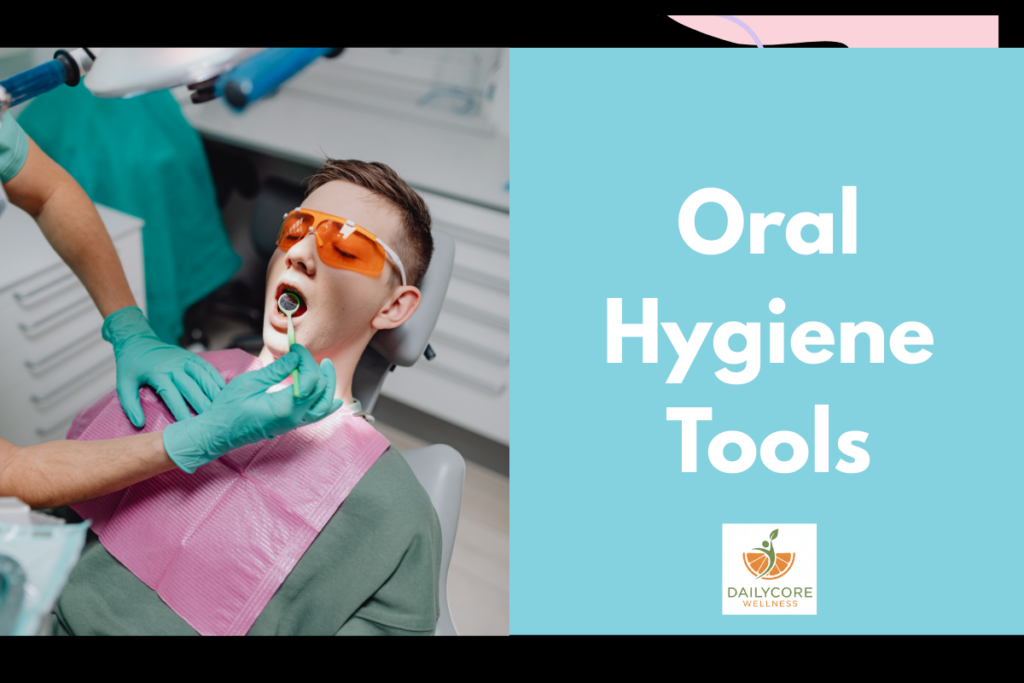
Oral hygiene tools play a crucial role in maintaining healthy teeth and gums. With the growing variety of dental care products, it is essential to understand which tools are effective and how to use them correctly. The right combination of toothbrushes, floss, and supplementary devices can prevent cavities, gum disease, and bad breath, ensuring overall oral health.
From electric toothbrushes to water flossers, modern oral hygiene tools are designed to reach areas traditional methods may miss. They provide convenience, efficiency, and improved results for individuals seeking to elevate their dental routine. Understanding the function and benefits of each tool helps users make informed decisions tailored to their unique needs.
Moreover, adopting the right oral hygiene tools reduces the risk of costly dental procedures in the future. Regular maintenance, combined with professional guidance, creates a sustainable framework for achieving a clean, healthy mouth. Prioritizing oral care promotes confidence, overall health, and a sense of well-being that extends beyond the dental chair.
Types of Oral Hygiene Tools
Oral hygiene tools can be categorized based on their function, including mechanical, manual, and advanced electronic devices. The most common mechanical tools are toothbrushes, both manual and electric, which help remove plaque and prevent gum inflammation. Toothbrushes come in various bristle types and sizes, allowing users to select one that suits their sensitivity and oral structure. Electric toothbrushes, in particular, provide enhanced plaque removal through oscillating and sonic technologies and are often recommended by dental professionals for optimal cleaning efficiency.
Flossing tools, interdental brushes, and water flossers target areas between teeth that toothbrushes cannot reach. Floss picks offer convenience for on-the-go cleaning, while water flossers utilize a pressurized stream of water to flush out food particles and bacteria, reducing the risk of gum disease. Other oral hygiene tools include tongue scrapers, mouth rinses, and specialized brushes for braces or implants. By understanding the purpose of each tool, individuals can design a comprehensive routine that addresses all aspects of oral health effectively.
30 Best Essential Oral Hygiene Tips
1. Choose the Right Toothbrush
Selecting the correct toothbrush is crucial for effective cleaning. Soft-bristled brushes are generally recommended to prevent enamel erosion and gum damage. Electric toothbrushes can offer more consistent plaque removal through automatic rotations, making them ideal for individuals with limited dexterity. Replace toothbrushes every three months or sooner if bristles appear frayed, as worn bristles are less effective at cleaning and can harbor bacteria. Proper grip and gentle brushing technique are equally important to maintain oral health without causing injury.
2. Master Proper Flossing Technique
Flossing removes plaque and food debris from between teeth, preventing cavities and gum disease. Slide the floss gently between teeth, curving it around the tooth in a “C” shape to clean the surface and beneath the gumline. Avoid snapping or forcing the floss, which can damage delicate gum tissue. Daily flossing, combined with brushing, significantly reduces plaque buildup and enhances overall oral hygiene. Flossing tools like picks or water flossers can provide convenience for maintaining this essential practice consistently.
3. Utilize Mouthwash Strategically
Mouthwash complements brushing and flossing by reaching areas that may be missed and reducing bacteria. Alcohol-free formulations are recommended to prevent dryness and irritation. Choose mouthwashes with fluoride or antimicrobial properties for added protection against cavities and gum disease. Rinsing for the recommended duration, typically 30 seconds, ensures optimal contact with teeth and gums. Incorporating mouthwash into a daily routine strengthens oral defense mechanisms and contributes to fresher breath.
4. Clean Your Tongue Regularly
The tongue can harbor bacteria and contribute to bad breath if neglected. Tongue scrapers or brushes specifically designed for the tongue can remove accumulated debris effectively. Regular cleaning improves breath, enhances taste perception, and supports overall oral hygiene. Gently scraping from the back of the tongue toward the tip prevents irritation while maintaining cleanliness. This simple yet often overlooked step significantly enhances the benefits of your oral hygiene routine.
5. Maintain a consistent oral hygiene schedule
Consistency is key to effective oral care. Brushing twice daily, flossing once daily, and using mouthwash regularly ensures comprehensive cleaning. Establishing a routine helps develop habits that prevent long-term dental issues. Tools alone are ineffective without regular, structured use. Incorporate these practices into morning and evening routines to maximize benefits, and adjust techniques as needed under professional guidance.
6. Replace Oral Hygiene Tools Periodically
Over time, toothbrushes, floss, and other tools lose effectiveness and can harbor bacteria. Regularly replacing worn or old tools prevents contamination and ensures optimal cleaning performance. Set reminders to replace tools every three months or as recommended by dental professionals. Consistent replacement, combined with proper storage, sustains hygiene standards and promotes long-term oral health.
7. Focus on Problem Areas
Identify areas prone to plaque accumulation, such as molars, gaps, or around braces. Pay extra attention to these areas during brushing and flossing. Specialized brushes, angled bristles, or interdental tools can enhance cleaning in hard-to-reach spots. Targeted care reduces the risk of cavities and gum disease, ensuring a more thorough oral hygiene regimen tailored to individual needs.
8. Consider Professional Recommendations
Dental professionals provide personalized advice based on oral health status. Regular checkups allow for evaluation of tool effectiveness and technique. Follow professional recommendations for specific tools, such as electric toothbrushes, water flossers, or fluoride treatments. Combining expert guidance with daily care maximizes benefits and supports preventive oral health strategies.
9. Maintain Proper Storage of Tools
Store oral hygiene tools in a clean, dry environment to prevent bacterial growth. Avoid closed containers that retain moisture, as they promote microbial proliferation. Rinse tools after use and allow them to air dry. Proper storage prolongs tool life, maintains hygiene, and ensures safety in daily routines.
10. Combine Diet with Oral Care
A healthy diet supports oral hygiene by reducing sugar intake and promoting remineralization of enamel. Foods rich in calcium, phosphorus, and vitamin D strengthen teeth and protect gums. Combining nutritional strategies with regular use of oral hygiene tools enhances the overall effectiveness of your dental care routine and contributes to long-term oral wellness.
11. Use Interdental Brushes for Tight Spaces
Interdental brushes are designed to clean spaces between teeth that regular floss may miss. They come in varying sizes to fit different gaps and are particularly useful for individuals with braces, bridges, or wider spaces. Using these brushes gently prevents gum irritation while effectively removing plaque and food debris. Incorporating interdental brushes into a daily routine enhances cleaning efficiency and reduces the risk of cavities and gum inflammation. Selecting the appropriate size and shape for your dental anatomy ensures maximum benefit without causing trauma to sensitive gum tissue.
12. Opt for Fluoride Toothpaste
Fluoride strengthens enamel and helps prevent cavities by promoting remineralization. Choosing a toothpaste with fluoride is critical for maintaining strong teeth, especially for those prone to decay. Brushing twice daily with fluoride toothpaste creates a protective barrier that resists acid attacks from bacteria and food. For children or individuals with specific dental conditions, consult a dentist to determine the right fluoride concentration. Using the correct amount—typically a pea-sized portion for adults—ensures effectiveness while avoiding overuse. Fluoride toothpaste works synergistically with brushing and flossing to maintain a healthy oral environment.
13. Practice Gentle Brushing Techniques
Brushing too aggressively can damage gums and enamel. Use soft-bristled brushes and small circular motions to clean teeth efficiently without causing harm. Focus on each quadrant of the mouth for at least 30 seconds, ensuring thorough plaque removal. Avoid horizontal scrubbing, which can lead to gum recession and enamel wear over time. Gentle brushing, combined with the right tools, maximizes effectiveness while protecting dental structures. This mindful approach ensures long-term oral health and prevents common issues caused by improper brushing habits, supporting a sustainable dental care routine.
14. Incorporate Water Flossers
Water flossers use a pressurized stream of water to clean between teeth and below the gumline. They are especially effective for people with braces, implants, or limited dexterity. Daily use reduces plaque accumulation, prevents gum inflammation, and helps reach areas that traditional flossing may miss. Water flossers complement brushing, offering a comprehensive approach to oral hygiene. They are also gentle on gums, making them suitable for sensitive mouths. Regular use ensures consistent cleaning and supports a preventive dental care strategy that maintains gum and tooth health over time.
15. Clean Dental Appliances Properly
For individuals with dentures, retainers, or mouthguards, cleaning appliances daily is essential. Use specialized brushes or soaking solutions recommended by dental professionals to prevent bacterial buildup. Poorly cleaned appliances can harbor pathogens that cause bad breath, gum irritation, or infections. Rinse devices thoroughly and allow them to air dry after cleaning. Consistent maintenance of dental appliances not only protects oral health but also extends the lifespan of the devices. Integrating appliance care into a daily routine ensures comprehensive hygiene and prevents complications associated with neglected devices.
16. Address Dry Mouth
A dry mouth increases the risk of cavities and gum disease due to reduced saliva, which naturally neutralizes acids and washes away debris. Use sugar-free chewing gum, hydration, and specialized mouth rinses to stimulate saliva production. Avoid excessive caffeine or alcohol, which can exacerbate dryness. Incorporating saliva-enhancing strategies into your oral care routine helps maintain the protective functions of the mouth. Consistent attention to hydration and preventive measures reduces oral health risks and ensures that other hygiene tools, like toothbrushes and floss, work effectively.
17. Monitor Gum Health Regularly
Healthy gums are essential for long-term oral care. Regularly inspect your gums for signs of inflammation, bleeding, or recession. Early detection allows prompt intervention and prevents the progression of gum disease. Use gentle brushing and flossing techniques around the gumline to maintain tissue integrity. Pairing visual inspection with regular dental checkups ensures comprehensive gum care. Maintaining healthy gums enhances overall oral hygiene by supporting teeth stability and preventing infections, which can compromise the effectiveness of oral hygiene tools.
18. Avoid Overusing Whitening Products
Excessive use of whitening toothpaste or strips can weaken enamel and irritate gums. Use whitening products as recommended and ensure they complement rather than replace basic oral hygiene practices. Consult a dentist before starting any whitening regimen to prevent damage. Balanced use enhances cosmetic results while protecting dental structures. Combining whitening treatments with consistent brushing, flossing, and regular professional care maintains both aesthetics and long-term oral health.
19. Incorporate Chewing After Meals
Chewing sugar-free gum after meals stimulates saliva production, helping neutralize acids and remove food particles. This simple habit supports oral hygiene between brushing sessions, especially when on-the-go. Chewing also strengthens jaw muscles and contributes to oral comfort. Combined with regular use of oral hygiene tools, this habit reduces the risk of plaque buildup and cavities. Making chewing a deliberate part of daily routines reinforces consistent preventive care.
20. Track Your Oral Care Routine
Consistency is critical for long-term results. Using a tracking method—such as a mobile app, calendar, or checklist—helps ensure brushing, flossing, and other hygiene practices are performed daily. Tracking progress encourages accountability and reinforces habit formation. Over time, this leads to improved oral health outcomes and prevents lapses that compromise hygiene. Structured routines support the effectiveness of all oral hygiene tools and enhance the overall quality of dental care.
21. Rinse After Eating
Rinsing your mouth with water after meals helps remove food particles and reduces acid exposure on teeth. This practice minimizes plaque formation and prevents cavities, especially after consuming sugary or acidic foods. It also temporarily neutralizes bacteria, supporting gum health. While not a substitute for brushing or flossing, rinsing is a convenient preventive measure when immediate cleaning is not possible. Incorporating post-meal rinsing into your routine enhances the effectiveness of your oral hygiene tools and maintains a cleaner oral environment throughout the day.
22. Avoid Tobacco Products
Smoking and chewing tobacco increase the risk of gum disease, cavities, and oral cancers. Tobacco also stains teeth and reduces saliva production, which impairs natural cleaning mechanisms. Avoiding tobacco supports the effectiveness of oral hygiene tools, allowing toothbrushes, floss, and mouth rinses to work efficiently. Additionally, cessation improves gum health and reduces inflammation. Combining this lifestyle change with a consistent oral care routine significantly enhances long-term dental health and helps maintain a brighter, healthier smile.
23. Limit Sugary and Acidic Foods
Sugary and acidic foods contribute to enamel erosion and cavity formation. Reducing consumption and balancing meals with tooth-friendly options like vegetables, dairy, and whole grains protects oral health. Coupling dietary awareness with regular use of toothbrushes, floss, and mouth rinses maximizes protection against decay. If sugary foods are consumed, brushing or rinsing afterward mitigates damage. Consistently managing dietary habits reinforces the benefits of oral hygiene tools and establishes a holistic approach to maintaining strong, healthy teeth.
24. Practice Brushing for Two Minutes
Brushing for a full two minutes ensures that all tooth surfaces, including hard-to-reach areas, are thoroughly cleaned. Divide your mouth into quadrants and spend at least 30 seconds on each. Use gentle, circular motions and avoid aggressive pressure. Extended brushing, combined with the right tools, effectively removes plaque and prevents gum inflammation. Consistently adhering to this practice enhances long-term oral health and supports the cumulative benefits of daily hygiene routines.
25. Use Specialized Tools for Orthodontics
Braces, retainers, or other orthodontic appliances require specialized oral hygiene tools to prevent plaque buildup. Orthodontic brushes, floss threaders, and water flossers are designed to clean around wires and brackets effectively. Regular use prevents cavities, gum disease, and discoloration associated with orthodontic treatment. Following professional guidance ensures tools are used correctly and consistently. Specialized care protects both teeth and appliances, supporting long-term oral health outcomes.
26. Include Antimicrobial Rinses When Needed
Antimicrobial mouth rinses help reduce bacteria, plaque, and gum inflammation. They are especially useful for individuals prone to gingivitis or periodontal disease. Select alcohol-free formulas to avoid irritation, and follow the recommended duration for use. Regular incorporation into an oral hygiene routine reinforces the preventive power of brushing and flossing. Consistent use of antimicrobial rinses contributes to a cleaner, healthier oral environment and complements other hygiene tools effectively.
27. Avoid Overbrushing
Overbrushing can erode enamel and irritate gums, leading to sensitivity and long-term damage. Stick to twice-daily brushing with soft bristles and gentle pressure. Focus on technique rather than force, ensuring comprehensive cleaning without harming dental structures. Maintaining a controlled, consistent brushing approach preserves enamel, protects gums, and enhances the effectiveness of all other oral hygiene tools used in your routine.
28. Ensure Proper Tool Maintenance
Clean toothbrushes, floss holders, water flosser tips, and other devices regularly to prevent bacterial buildup. Rinse thoroughly after use and allow tools to dry in a ventilated area. Replace worn items according to manufacturer recommendations. Proper maintenance ensures tools remain effective and safe, reducing the risk of cross-contamination. A well-maintained set of oral hygiene tools supports daily routines and enhances overall oral health outcomes.
29. Schedule Regular Dental Checkups
Routine dental visits are essential for early detection of cavities, gum disease, and other oral issues. Professionals can evaluate the effectiveness of your tools and provide personalized recommendations. Scheduling checkups every six months allows for preventive care, timely interventions, and adjustments to your oral hygiene routine. Consistent dental oversight ensures tools are used effectively and reinforces long-term oral health strategies.
30. Track and Adjust Your Routine
Monitor your oral hygiene habits regularly and adjust tools or techniques as needed. Track brushing duration, flossing frequency, and the use of adjunctive devices like water flossers. This self-assessment ensures consistency, identifies areas for improvement, and allows integration of professional recommendations. Tracking and refining your routine reinforces good habits, maximizes the effectiveness of oral hygiene tools, and supports long-term dental wellness.
Conclusion
Consistency is the foundation of successful oral hygiene. While a wide range of tools—including toothbrushes, floss, water flossers, and antimicrobial rinses—provide effective cleaning, their benefits are fully realized only through daily, disciplined use. Establishing a structured routine ensures that each tool is employed correctly, targeting all areas of the mouth and preventing plaque accumulation. Over time, these habits maintain healthy teeth and gums, reducing the risk of cavities, gum disease, and other oral complications.
Equally important is the understanding that oral hygiene is cumulative. Skipping steps, neglecting certain tools, or relying solely on brushing undermines results. A consistent combination of brushing, flossing, rinsing, tongue cleaning, and targeted use of specialized tools ensures comprehensive care. Habitual adherence to these practices fosters sustained oral wellness and prevents long-term damage.
Ultimately, investing in proper oral hygiene tools and maintaining disciplined use yields measurable long-term benefits. Healthy teeth and gums support overall health, prevent costly dental procedures, and enhance self-confidence. Prioritizing consistency, following expert guidance, and adopting a holistic approach to oral care ensures a radiant smile and lifelong oral health.