Maintaining personal hygiene is more than just a daily routine; it is a vital aspect of overall health and wellness. A well-organized personal hygiene kit ensures that you have the tools needed to maintain cleanliness consistently, whether at home, work, or while traveling. By investing in a comprehensive kit, you are not only safeguarding your health but also enhancing your self-confidence and social interactions.
A personal hygiene kit typically includes essential items such as toothbrushes, toothpaste, soap, hand sanitizer, deodorant, nail clippers, and other grooming necessities. The purpose of this kit is to make it easier to uphold hygiene standards, preventing infections and skin issues caused by neglect. Having a dedicated kit allows you to carry out your daily hygiene rituals without disruption.
Whether you are a busy professional, student, or frequent traveler, understanding the components and usage of a personal hygiene kit is essential. With the right knowledge, you can tailor your kit to your lifestyle, ensuring both practicality and effectiveness in maintaining daily cleanliness.
Essential Components of a Personal Hygiene Kit
A complete personal hygiene kit should address all aspects of daily grooming and cleanliness. At a minimum, it should include oral care essentials such as a toothbrush, toothpaste, and dental floss. Proper oral hygiene prevents cavities, gum disease, and bad breath. Including items like a tongue scraper and mouthwash can further elevate oral care. For skin care, your kit should contain soap or body wash, face wash, and moisturizer. Hand hygiene is equally important; carrying hand sanitizer and hand wipes ensures cleanliness on the go.
In addition to these basics, a personal hygiene kit should incorporate grooming tools. Nail clippers, tweezers, a small comb or brush, and a razor help maintain personal appearance and prevent the buildup of dirt or infections. Travel-friendly packaging and organization within the kit increase convenience, making it easier to maintain consistent hygiene standards. By systematically arranging these essentials, you ensure that hygiene practices are not skipped due to lack of access or disorganization.
Benefits of Maintaining a Personal Hygiene Kit
Maintaining a personal hygiene kit provides several physical, mental, and social benefits. Physically, it prevents common illnesses and skin infections caused by bacteria, sweat, or environmental contaminants. Cleanliness also reduces unpleasant body odors and enhances overall appearance, which can positively influence professional and personal interactions.
Psychologically, having a hygiene routine supported by a dedicated kit builds discipline and encourages a proactive approach to health. Socially, regular grooming habits improve confidence and leave a positive impression on others. A personal hygiene kit ensures that you are always prepared, whether at home, at work, or traveling, reinforcing the habit of regular maintenance and contributing to long-term wellness.
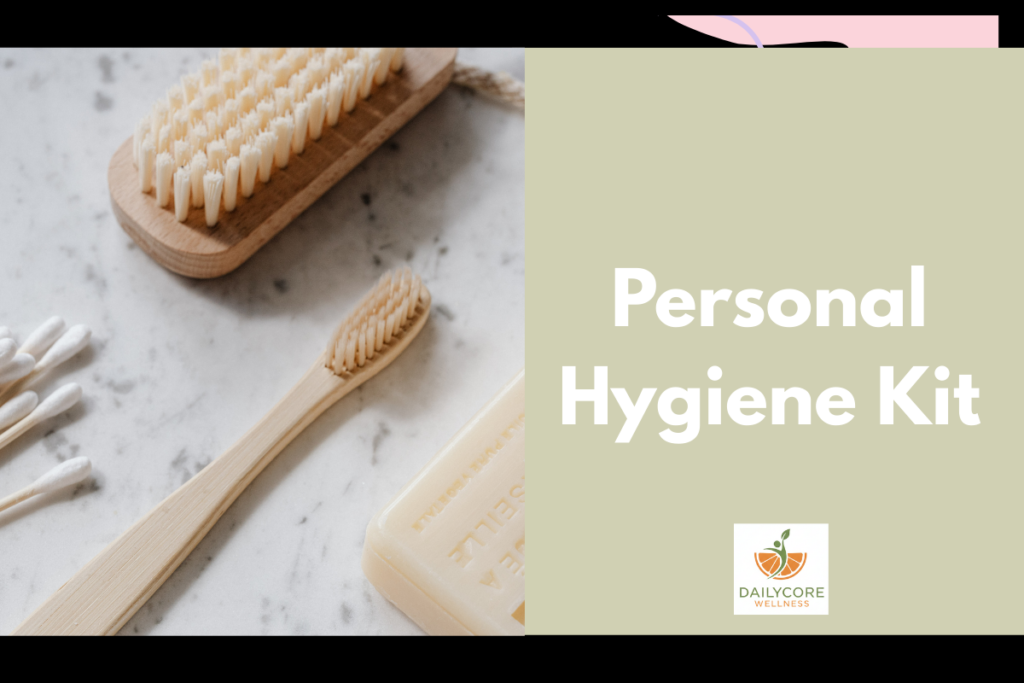
Top 30 Personal Hygiene Kit Tips
“1. Prioritize Oral Hygiene”
A strong oral care routine is the foundation of any personal hygiene kit. Include a toothbrush, fluoride toothpaste, dental floss, and a travel-sized mouthwash. Brushing twice daily, flossing once, and rinsing with mouthwash reduce plaque, prevent gum disease, and maintain fresh breath. Oral hygiene impacts overall health, as poor care can lead to infections that affect your heart and other organs. Maintaining these essentials in your kit ensures you can perform oral care consistently, even when away from home, creating a lasting habit that supports long-term wellness.
“2. Keep Hand Hygiene Accessible”
Hand hygiene is crucial in preventing the spread of germs and illnesses. Carry a small bottle of hand sanitizer, antibacterial wipes, or a bar of soap in your kit. Regularly cleaning hands, especially after touching public surfaces or before meals, reduces the risk of infections. Hand hygiene complements your overall hygiene routine and ensures safety in public environments. By making these items readily available, you reinforce the habit of consistent hand cleaning, which is a vital step in maintaining health and personal hygiene.
“3. Include Skincare Essentials”
Proper skin care protects against dryness, acne, and bacterial infections. Include a gentle face wash, moisturizer, and soap or body wash suitable for your skin type. Daily cleansing removes dirt, sweat, and bacteria, while moisturizing maintains skin hydration and elasticity. Carrying travel-sized versions ensures you never skip this crucial step, even during travel. Skincare in your hygiene kit not only promotes physical health but also improves confidence, as well-cared-for skin contributes to a fresh and professional appearance in all social settings.
“4. Maintain Hair Care”
Hair grooming supports a polished appearance and prevents scalp issues. Include a comb or brush, shampoo, and a small hair styling product if needed. Regular brushing distributes natural oils, reduces tangles, and stimulates the scalp. Including hair essentials in your kit ensures you can maintain a tidy look anywhere. This practice minimizes the risk of scalp infections and contributes to overall hygiene, reinforcing a consistent self-care routine that enhances personal confidence.
“5. Carry Nail Care Tools”
Nail hygiene prevents infections and promotes a clean appearance. Include nail clippers, a small nail file, and cuticle tools in your kit. Regular trimming and cleaning of nails reduces dirt accumulation and the likelihood of fungal infections. Organized nail care allows you to maintain neat hands, which are often noticed in both social and professional contexts. A consistent nail hygiene routine signals discipline and attention to personal well-being, complementing other aspects of your kit and contributing to overall health.
“6. Include Deodorant or Antiperspirant”
Controlling body odor is essential for personal comfort and social confidence. Include a deodorant or antiperspirant that suits your skin and daily activity level. Regular use prevents odor caused by sweat, especially in high-activity or warm environments. Portable, travel-sized options ensure you can refresh yourself throughout the day, maintaining confidence in social and professional interactions. A reliable deodorant in your kit supports consistency in personal hygiene and prevents neglect due to busy schedules or travel.
“7. Keep Facial Tissues and Wipes”
Facial tissues and wet wipes are versatile hygiene tools. They allow you to quickly clean your hands, face, or surfaces when soap and water are unavailable. Including them in your kit ensures preparedness for unexpected situations, such as allergies, spills, or public restroom use. Wet wipes with gentle ingredients protect skin while maintaining cleanliness. Having these items readily accessible reinforces a proactive approach to hygiene and ensures your routine remains uninterrupted regardless of location.
“8. Maintain Oral Freshness On-The-Go”
Chewing gum or breath mints can complement your oral hygiene routine, especially after meals when brushing isn’t possible. Carry these items in your hygiene kit to prevent bad breath and maintain confidence in social interactions. While not a substitute for brushing or flossing, these tools provide immediate freshness and demonstrate attention to detail in personal care. Including such small yet impactful items strengthens your commitment to maintaining consistent hygiene, even in situations where traditional oral care isn’t feasible.
“9. Use Multi-Purpose Items”
Maximize your kit’s efficiency by including items with multiple uses. For instance, antibacterial wipes can clean hands, surfaces, or even shoes. A small towel can serve both hand and face purposes. Multi-purpose items reduce clutter and make your hygiene kit lighter and more portable. Streamlining your kit encourages frequent use, supports consistency, and ensures you can maintain hygiene standards in various situations without unnecessary burden.
“10. Organize and Replenish Regularly”
An organized hygiene kit prevents items from being forgotten or misplaced. Use compartments, pouches, or labeled sections for different items. Regularly check your kit and replenish essentials like toothpaste, soap, or deodorant before they run out. A well-maintained kit fosters routine use, ensuring that hygiene practices are uninterrupted. Consistency is reinforced when items are easy to access, organized, and ready for use, making it simple to maintain high personal hygiene standards at all times.
“11. Keep a Small First-Aid Kit”
Including basic first-aid items in your hygiene kit ensures a quick response to minor cuts, scrapes, or burns. Bandages, antiseptic wipes, and small ointments prevent infection and speed healing. Having these items at hand encourages prompt attention to injuries, which is a crucial part of overall hygiene and health. Consistently checking and replenishing first-aid supplies ensures readiness and reinforces a proactive approach to personal care.
“12. Maintain Foot Hygiene”
Feet are often neglected but are prone to odor and fungal infections. Include travel-sized foot powder, a nail clipper, and clean socks in your kit. Regular washing, drying, and grooming prevent conditions like athlete’s foot. A dedicated routine for foot care supports overall cleanliness and confidence, especially in social or professional settings where shoes may be removed.
“13. Include Sunscreen”
Skin protection from UV rays is essential for long-term health. A small, travel-sized sunscreen in your kit allows daily application, preventing sunburn, premature aging, and skin cancer. Integrating sunscreen into your hygiene routine ensures consistent usage, reinforcing healthy habits and promoting overall skin wellness, especially during outdoor activities or travel.
“14. Pack a Small Mirror”
A compact mirror allows you to check your teeth, hair, and skin throughout the day. This ensures that your grooming routine is effective and helps catch minor issues before they escalate. Including a mirror in your hygiene kit makes personal care more precise and supports consistent attention to appearance and cleanliness.
“15. Carry Lip Care Products”
Chapped lips are uncomfortable and can lead to infection. Include a lip balm or protective lip treatment in your kit. Regular application keeps lips hydrated, smooth, and healthy, especially in dry climates or during travel. Lip care is a subtle but important aspect of a comprehensive personal hygiene routine.
“16. Use Hand Cream”
Frequent washing or sanitizer use can dry your hands. A small hand cream keeps skin moisturized and prevents cracking. Regularly applying hand cream maintains skin integrity and comfort, complementing hand hygiene practices. A moisturizing routine is a proactive step for long-term skin health.
“17. Include Travel Toothbrush and Toothpaste”
While many kits have these essentials, a dedicated travel-sized toothbrush and toothpaste allow on-the-go oral care. Brushing after meals or during travel prevents bad breath and maintains oral health. Regular use ensures consistency in hygiene habits and prevents skipping oral care when away from home.
“18. Pack a Small Towel or Washcloth”
A compact towel or washcloth allows for quick cleaning of hands, face, or sweat. It enhances convenience for maintaining hygiene in situations without ready access to water. Regular use supports cleanliness, comfort, and confidence throughout the day.
“19. Include a Razor or Shaving Essentials”
Regular shaving or grooming of facial or body hair is part of personal hygiene for many. Include a razor, small shaving cream, or disposable blades in your kit. This ensures that grooming routines are maintained, even when traveling or during busy schedules, reinforcing consistent hygiene.
“20. Carry Feminine Hygiene Products”
For women, including tampons, pads, or menstrual cups in your kit ensures preparedness for menstrual hygiene. This prevents discomfort, infections, and stress during travel or busy days. Accessible feminine hygiene products support confidence, convenience, and consistent personal care.
“21. Include a Small Brush Cleaner”
A toothbrush or makeup brush cleaner prevents bacterial buildup. Cleaning brushes regularly reduces skin infections and promotes hygiene. Including a small cleaning tool in your kit ensures that grooming implements remain safe and effective for daily use.
“22. Pack Cotton Swabs or Q-Tips”
Cotton swabs serve multiple hygiene purposes, such as cleaning ears, fixing makeup, or applying ointments. Including them in your kit enhances versatility and ensures precise grooming. Proper use maintains cleanliness and prevents irritation or infections.
“23. Keep a Nail Brush”
A small nail brush ensures thorough cleaning of nails, removing dirt and bacteria. Regular use complements nail clippers and supports hygiene, especially after outdoor activities or handling dirty surfaces. Maintaining clean nails is an often-overlooked aspect of personal grooming.
“24. Include Eye Care Essentials”
If you use contact lenses, include lens solution, cases, and spare lenses in your kit. Additionally, a small eye drop bottle can soothe dryness. This ensures eye health and comfort throughout the day, reinforcing your overall hygiene routine.
“25. Carry a Mini Sewing Kit”
While not directly hygiene-related, a mini sewing kit addresses clothing emergencies that may affect comfort and cleanliness. Small repairs prevent stains or exposure to irritants, supporting confidence and maintaining a neat appearance.
“26. Include a Deodorizing Spray or Body Mist”
A small body spray or deodorizer keeps you fresh between showers. Portable freshness boosts confidence and complements daily hygiene practices. Consistent use prevents odor buildup and reinforces routine care.
“27. Carry Dental Picks or Floss Picks”
In addition to regular floss, dental picks allow quick removal of food particles after meals. Including these in your kit maintains oral hygiene throughout the day, reduces plaque buildup, and supports consistent dental care habits.
“28. Pack a Small Sewing Kit”
Having a tiny kit for emergency clothing repairs ensures you stay clean and presentable. Small fixes prevent stains or discomfort, indirectly supporting your overall hygiene and grooming routine.
“29. Include a Small Spray Bottle for Sanitizing Surfaces”
Portable sanitizing sprays allow you to disinfect surfaces before touching them, reducing bacterial exposure. This complements hand hygiene and ensures a cleaner environment, reinforcing daily cleanliness habits.
“30. Review and Customize Regularly”
Finally, a personal hygiene kit should evolve with your lifestyle. Regularly review items, replace used or expired products, and add new essentials based on seasonal or personal needs. Customization ensures continued effectiveness, convenience, and consistency in your personal hygiene routine.
Conclusion
Equally important is tailoring your kit to your personal needs. Each individual’s routine may vary depending on lifestyle, environment, and personal health goals. A kit that fits your daily habits reinforces long-term usage and maximizes the benefits of personal hygiene practices.
Carrying a personal hygiene kit also promotes preparedness and adaptability. Whether traveling, at work, or at home, having essential items on hand allows you to maintain hygiene standards in any scenario. This readiness builds confidence and reduces the stress associated with unexpected situations.
Ultimately, the long-term benefits of a personal hygiene kit extend beyond physical health. Consistent care supports emotional well-being, professional appearance, and social interactions. By committing to a structured hygiene routine and keeping your kit organized, you are investing in a healthier, cleaner, and more confident version of yourself for the long term.