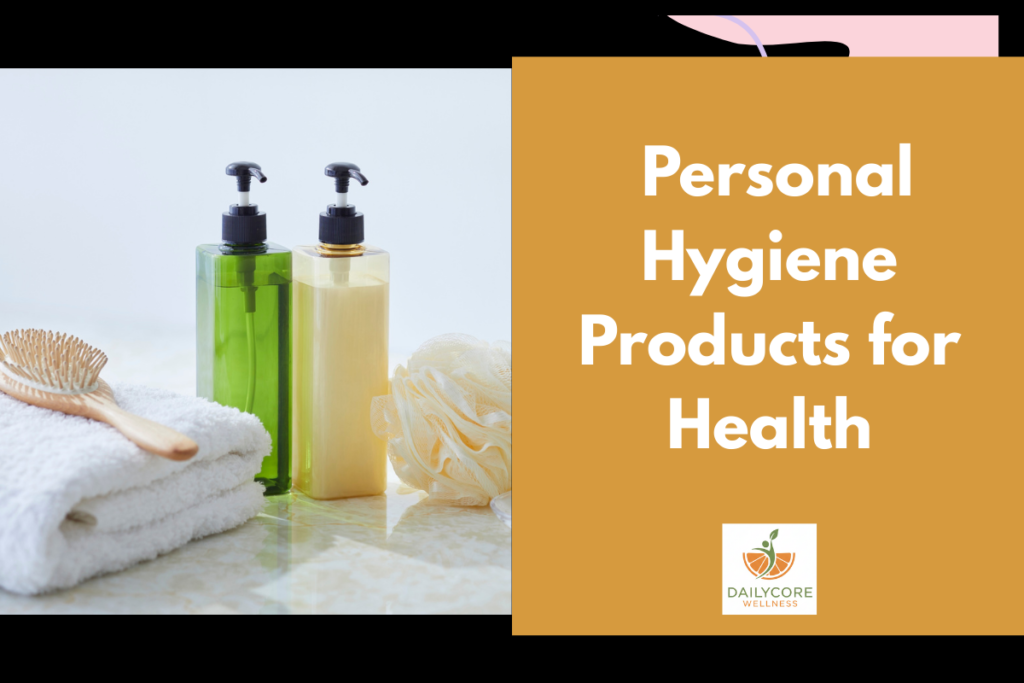
Personal hygiene products are essential for maintaining health, wellness, and overall quality of life. From everyday essentials like soap, toothpaste, and deodorant to specialized items such as hand sanitizers, body scrubs, and oral care tools, these products play a crucial role in preventing illness and supporting physical well-being. Choosing the right hygiene products ensures your body is protected against harmful bacteria, viruses, and environmental pollutants while promoting comfort and confidence.
In fitness and wellness routines, personal hygiene products complement exercise and nutrition habits. Proper hygiene after workouts prevents skin irritations, body odor, and infections. Using the correct products for your skin, hair, and oral care enhances recovery, reduces inflammation, and supports the body’s natural protective barriers. Incorporating personal hygiene into daily life is not just about cleanliness—it is a preventative strategy for long-term health.
Moreover, modern personal hygiene products have evolved to address specific needs. Moisturizing soaps, natural deodorants, gentle oral care items, and antibacterial wipes are formulated for efficacy and safety. Selecting high-quality products tailored to your skin type, activity level, and lifestyle improves both comfort and effectiveness. Knowledge of these products empowers individuals to make informed choices for themselves and their families.
Ultimately, integrating personal hygiene products into a consistent daily routine promotes sustained wellness. Beyond appearance and odor control, maintaining proper hygiene contributes to immunity, mental well-being, and overall physical health. By establishing daily habits and choosing effective products, individuals can maximize the benefits of their hygiene practices while minimizing health risks.
Essential Types of Personal Hygiene Products
Personal hygiene products encompass a broad range of items designed to protect the body, maintain cleanliness, and prevent illness. Key categories include soaps and body washes, which remove dirt, sweat, and bacteria; oral care products, such as toothpaste, floss, and mouthwash, which prevent cavities, gum disease, and bad breath; and deodorants or antiperspirants, which manage odor and sweat. Hand hygiene is also critical, with sanitizers and antibacterial soaps reducing the transmission of germs and pathogens. Hair care products, including shampoo and conditioner, support scalp health and hygiene. Choosing products with high-quality, safe ingredients ensures optimal efficacy without causing irritation or long-term damage.
Selecting the right personal hygiene products involves understanding their specific functions and your individual needs. Sensitive skin may require hypoallergenic soaps and moisturizers, while active individuals may benefit from sweat-resistant deodorants or antibacterial wipes. Oral hygiene should include fluoride toothpaste and floss to protect enamel and gum health, while hair care products should address scalp conditions, hydration, and hair type. By integrating these products into daily routines consistently, individuals not only maintain cleanliness but also strengthen immunity, prevent infections, and support overall fitness and wellness goals.
Benefits of Consistent Use of Personal Hygiene Products
Consistent use of personal hygiene products provides physical, mental, and social benefits. Maintaining cleanliness reduces exposure to harmful bacteria and viruses, lowering the risk of infections and illnesses. Proper oral hygiene prevents cavities and gum disease, while regular bathing and deodorant use manage body odor and improve skin health. These products also play a role in protecting sensitive areas of the body, ensuring overall comfort and confidence throughout the day.
Beyond physical health, personal hygiene products support psychological well-being and social interaction. Feeling clean and fresh enhances self-esteem and encourages participation in fitness, work, and social activities. The routine of daily hygiene also promotes discipline, contributing to better lifestyle habits. Over time, consistent and mindful use of personal hygiene products creates long-term benefits, reinforcing preventive health measures and improving overall quality of life.
30 Expert Tips for Using Personal Hygiene Products, 3rd April 2026
1. “Choose a Suitable Body Wash or soap.”
Selecting the right body wash or soap is essential for maintaining clean, healthy skin. The product should match your skin type—moisturizing formulas for dry skin, gentle cleansers for sensitive skin, and mild antibacterial soaps when extra protection is needed. High-quality ingredients help remove sweat, dirt, and bacteria effectively without stripping natural oils. Consistent use prevents skin irritation, body odor, and infections. Additionally, using a product with natural or plant-based ingredients minimizes the risk of allergic reactions. For active individuals, body washes that gently exfoliate or refresh the skin post-workout can enhance comfort and overall hygiene. Proper soap selection is foundational to a consistent and effective hygiene routine.
2. “Maintain Proper Oral Hygiene.”
Oral hygiene is a crucial component of overall health. Brushing twice daily with fluoride toothpaste helps prevent cavities, tooth decay, and gum disease, while flossing removes plaque and food particles from hard-to-reach areas. Using mouthwash with antibacterial properties provides additional protection against harmful bacteria, freshens breath, and reduces inflammation. Oral hygiene impacts more than just teeth; poor oral care can contribute to systemic issues such as heart disease. Investing in quality toothbrushes and floss, and replacing them regularly, ensures optimal effectiveness. Establishing a consistent oral routine reinforces overall wellness, boosts confidence in social interactions, and helps prevent dental problems before they become serious, making it a critical daily habit.
3. “Use Deodorant or Antiperspirant Daily.”
Daily use of deodorant or antiperspirant is essential for controlling body odor and sweat. Selecting a formula that suits your skin type—sensitive, normal, or active—ensures comfort while preventing irritation or allergic reactions. Antiperspirants help manage excessive sweating, while deodorants neutralize odor caused by bacteria. Applying these products after bathing, when the skin is clean and dry, enhances effectiveness. Regular use provides confidence during work, workouts, and social interactions. Additionally, natural or low-chemical alternatives may benefit individuals with sensitive skin. Incorporating deodorant into your daily routine ensures consistent protection and reinforces overall hygiene habits, making it an indispensable part of personal care.
4. “Incorporate Hand Sanitizers.”
Hand sanitizers are an essential hygiene tool, particularly when soap and water are unavailable. Alcohol-based sanitizers with at least 60% alcohol kill most bacteria and viruses, reducing the risk of infections. Regular use after public transport, shopping, or gym visits ensures that hands remain clean and safe. Hand hygiene is particularly important for preventing the transmission of contagious illnesses and maintaining overall wellness. For families, portable hand sanitizers encourage children and adults to practice hygiene consistently. Using hand sanitizer complements traditional handwashing, ensuring that germs are minimized even in situations where washing is impractical. Incorporating this practice reinforces responsible hygiene habits and protects long-term health.
5. “Trim and Maintain Nails.”
Regular nail trimming and cleaning are fundamental to personal hygiene. Nails can accumulate dirt and bacteria, which may lead to infections if not managed properly. Trimming nails to a reasonable length reduces the risk of breakage and irritation, while cleaning under nails prevents harmful buildup. Individuals engaged in fitness or outdoor activities should pay particular attention, as nails can trap sweat, dirt, and germs. Moisturizing cuticles and using gentle tools during maintenance also protects nail health. By making nail care a consistent part of your routine, you not only improve comfort and appearance but also reduce infection risks, supporting overall hygiene and wellness goals.
6. “Choose Quality Toothbrushes.”
A quality toothbrush is vital for maintaining effective oral hygiene. Soft-bristled brushes clean teeth and gums without causing damage or irritation. Replacing your toothbrush every three months or when the bristles become frayed ensures optimal performance. Electric toothbrushes may provide additional benefits, improving plaque removal and gum health. Correct brushing technique, including gentle circular motions and covering all surfaces, enhances cleaning efficiency. Using the right toothbrush allows toothpaste to work effectively and supports long-term dental wellness. Consistent use prevents cavities, reduces gum disease, and promotes fresh breath, making toothbrush selection and maintenance an essential part of a comprehensive hygiene routine.
7. “Hydrate and Moisturize Skin.”
Proper skin hydration is critical for maintaining health, comfort, and protection. Moisturizers prevent dryness, cracking, and irritation caused by environmental exposure, frequent washing, or sweating during workouts. Ingredients like glycerin, hyaluronic acid, and aloe vera retain moisture, enhance elasticity, and protect the skin barrier. Applying moisturizer immediately after bathing locks in hydration. Individuals with dry or sensitive skin should prioritize fragrance-free, gentle formulations. Consistent hydration supports overall skin integrity, reduces the risk of infections, and improves appearance. For athletes or highly active individuals, moisturizing helps prevent chafing, irritation, and premature signs of aging. Over time, regular use promotes soft, healthy, and resilient skin.
8. “Use Hair Care Products Wisely.”
Shampooing and conditioning regularly keep hair and scalp clean, healthy, and free from bacteria or excess oil. Selecting products suited to your hair type—dry, oily, or normal—ensures optimal results without causing irritation. Avoid harsh sulfates, parabens, or overly fragranced products that can damage hair and scalp over time. For active individuals, washing after workouts prevents sweat-related odor and microbial growth. Conditioner helps maintain moisture balance, prevent breakage, and improve hair texture. By using high-quality hair care products thoughtfully and consistently, you support scalp hygiene, hair strength, and overall appearance, which are all important components of personal wellness and confidence.
9. “Incorporate Antibacterial Wipes.”
Antibacterial wipes are convenient for maintaining hygiene when washing is not possible. They effectively remove dirt, sweat, and bacteria from hands, face, or surfaces during travel, workouts, or outdoor activities. Using wipes helps prevent the spread of germs and supports long-term health. Wipes are particularly useful after physical activities, public transit, or exposure to communal spaces. Selecting gentle, alcohol-based formulas minimizes skin irritation. Consistent use complements other hygiene practices like handwashing and showering, ensuring cleanliness in diverse situations. For families, keeping antibacterial wipes accessible encourages proper hygiene habits across all ages, reducing illness risks and promoting wellness.
10. “Practice Daily Foot Care.”
Feet require dedicated hygiene due to sweat and bacterial accumulation. Washing, thoroughly drying, and applying foot powder or antifungal sprays prevent odor and fungal infections. Proper footwear also supports foot hygiene, allowing ventilation and reducing moisture buildup. Regularly trimming toenails prevents ingrown nails and discomfort. Individuals engaging in sports or prolonged activity should pay extra attention to foot care, as sweaty or damp conditions increase the risk of infection. Maintaining a consistent foot care routine improves comfort, prevents odor, and contributes to overall hygiene and wellness. Proper foot care also reduces skin irritation and promotes long-term mobility and health.
11. “Clean Fitness Equipment.”
Personal hygiene extends to the environment, especially for those regularly using gyms or shared fitness equipment. Sweat, bacteria, and oils accumulate on mats, weights, and machines, which can transfer to your skin. Wiping down equipment before and after use reduces this risk and helps maintain personal cleanliness. Incorporating disinfectant sprays or wipes into your routine ensures that shared spaces remain hygienic. Regular attention to cleaning fitness tools also protects against skin infections, rashes, and bacterial exposure. Combining environmental hygiene with personal care ensures a comprehensive approach to health, particularly for active individuals, enhancing both performance and safety during workouts.
12. “Use Gentle Facial Cleansers.”
Cleansing the face twice daily is a cornerstone of skin hygiene. Gentle, non-comedogenic cleansers remove dirt, sweat, and oil without stripping essential moisture. Choosing formulas suited to your skin type—dry, oily, or sensitive—ensures comfort and effectiveness. Over-washing or using harsh soaps can lead to irritation and breakouts. Incorporating mild cleansers into your daily routine helps maintain the skin barrier, prevent acne, and enhance absorption of moisturizers or treatments. Consistent facial hygiene not only improves appearance but also reduces long-term skin issues, contributing to confidence, comfort, and overall health.
13. “Replace Towels Regularly.”
14. “Use Mouth Guards and Hygiene Tools.”
Sports mouth guards and other oral hygiene tools require proper cleaning to prevent bacterial buildup. Rinsing and storing mouthguards in ventilated cases and cleaning with safe solutions prevent infections. Tongue scrapers, interdental brushes, and specialized tools complement toothbrushes and floss to maintain oral health. Proper care ensures the effectiveness of these products while reducing odor and gum irritation. Regular maintenance supports a healthier mouth, reduces the risk of cavities, and contributes to overall wellness. Incorporating these habits into your daily routine reinforces consistent hygiene practices, particularly for athletes or individuals who use specialized dental or fitness devices.
15. “Select Unscented Products if Sensitive.”
Individuals with sensitive skin should prioritize fragrance-free soaps, deodorants, and skincare products to avoid irritation and allergic reactions. Fragrances and artificial additives may trigger redness, itching, or rashes. Using mild, hypoallergenic formulas maintains skin comfort while delivering essential cleansing and protective benefits. For active individuals, sweat-resistant and gentle products prevent additional irritation. Choosing the right products minimizes discomfort and ensures consistent hygiene practices. Over time, selecting unscented or natural products supports skin health, reduces inflammation, and creates a reliable routine that is safe for long-term use, particularly for those with sensitive skin or underlying dermatological conditions.
16. “Store Products Properly.”
Proper storage of personal hygiene products preserves their effectiveness and safety. Items should be kept in cool, dry areas away from direct sunlight or excessive humidity, which can degrade ingredients. Toothbrushes, makeup brushes, and skincare bottles require clean, dry storage to prevent microbial contamination. Expired or improperly stored products may lose efficacy or even irritate. Maintaining an organized, hygienic storage system ensures that products are ready for use and safe for application. Over time, proper storage prolongs shelf life, protects health, and reinforces consistency in your hygiene routine, making it an essential step in long-term personal care.
17. “Change Razors and Blades Frequently.”
Regularly replacing razors or blades is critical to prevent cuts, irritation, and bacterial infections. Dull blades tug at hair, increasing the risk of ingrown hairs and skin damage. Clean, sharp blades reduce discomfort and improve grooming efficiency. Sanitizing tools before and after use minimizes contamination. For electric razors, proper cleaning and maintenance are essential to avoid bacterial buildup. Integrating routine blade replacement into your personal hygiene regimen supports both skin health and comfort. Over time, this practice ensures safe, effective grooming while reducing the likelihood of infections or irritation caused by compromised shaving tools.
18. “Use Sunscreen as a Hygiene Habit.”
Sunscreen is an essential component of daily hygiene and skin protection. UV exposure contributes to premature aging, sunburn, and long-term skin damage. Applying broad-spectrum sunscreen every morning, even during indoor activities, protects against harmful UVA and UVB rays. Lightweight, non-greasy formulas allow easy integration into daily routines. Reapplying during extended outdoor activities ensures continuous protection. Incorporating sunscreen into hygiene practices preserves skin health, reduces the risk of hyperpigmentation, and complements other personal care habits. Over time, consistent sunscreen use supports long-term skin vitality, making it a fundamental preventive measure in a comprehensive hygiene routine.
19. “Keep Hair Dry and Clean.”
Maintaining clean, dry hair prevents odor, fungal infections, and scalp irritation. Moisture trapped in hair, especially after workouts or showers, can foster microbial growth. Regular washing with a suitable shampoo, followed by thorough drying, supports scalp health. Using clean towels, combs, and avoiding shared hair accessories reduces bacterial exposure. Conditioning helps maintain moisture balance and prevents breakage. Consistent hair hygiene contributes to comfort, appearance, and overall wellness. By integrating hair care into a daily routine, you reduce health risks while supporting confidence and long-term maintenance of healthy hair and scalp.
20. “Avoid Sharing Personal Items. the “
Sharing personal hygiene items such as combs, towels, toothbrushes, or razors increases the risk of bacterial or fungal transmission. Using your own designated tools ensures that germs do not transfer between individuals. In gym or household settings, personal hygiene products should never be shared to maintain cleanliness and prevent infection. Proper labeling and storage can help differentiate personal items, reinforcing safe hygiene habits. Consistently using your own products protects skin, oral health, and overall wellness. Over time, this habit reduces the spread of illnesses, supports personal confidence, and enhances the effectiveness of your hygiene routine.
Conclusion
Maintaining proper personal hygiene using the right products is essential for overall health, wellness, and confidence. Daily practices, including cleansing, oral care, deodorant use, and hair and foot hygiene, create a foundation that prevents infections, reduces odor, and supports skin integrity. High-quality, thoughtfully selected products tailored to individual needs enhance the effectiveness of these routines while minimizing irritation or long-term damage. Integrating hygiene practices consistently into daily life ensures that the body remains clean, protected, and healthy.
Consistency is the cornerstone of effective personal hygiene. Products and routines deliver results only when used reliably over time. Small, habitual actions—such as washing hands before meals, moisturizing after showers, or applying sunscreen—accumulate to provide substantial long-term benefits. Skipping steps or inconsistently using hygiene products can reduce their effectiveness, while a disciplined routine reinforces protective behaviors that support wellness throughout life.
Beyond physical benefits, maintaining personal hygiene positively impacts mental well-being and social confidence. Cleanliness enhances self-esteem, encourages engagement in physical activity, and fosters a sense of personal discipline. Long-term adherence to hygiene routines supports both individual wellness and public health by reducing the risk of transmitting bacteria or viruses. This holistic approach ensures that hygiene practices contribute to overall quality of life and sustained health.
Ultimately, the effectiveness of personal hygiene products is determined by dedication, education, and mindful integration into daily routines. By committing to consistent use of cleansers, deodorants, oral care items, and other essential products, individuals can achieve lasting improvements in skin, oral, and overall health. Long-term results are reinforced through daily care, preventive strategies, and responsible habits, making personal hygiene not just a routine but a lifelong investment in well-being.