Strength training for elderly women is one of the most effective ways to support healthy aging, preserve independence, and maintain overall vitality. As women age, natural physiological changes such as reduced muscle mass, decreased bone density, and slower metabolism can affect daily function and quality of life. A structured strength training program helps counter these effects by stimulating muscle growth, improving joint stability, and enhancing metabolic health.
For many older women, the idea of lifting weights may seem intimidating or unnecessary. However, strength training for elderly women does not require heavy barbells or intense gym sessions. Simple resistance exercises using light dumbbells, resistance bands, or body weight can significantly improve strength, balance, and coordination. When performed consistently and with proper form, these exercises become a powerful tool for preventing frailty and reducing fall risk.
Strength training for elderly women also plays a critical role in protecting bone health. Postmenopausal women face an increased risk of osteoporosis due to declining estrogen levels. Resistance exercises place healthy stress on bones, encouraging them to maintain density and strength. This reduces the likelihood of fractures and supports long-term mobility.
Beyond physical benefits, strength training for elderly women improves confidence and mental well-being. Increased strength makes daily tasks easier, from carrying groceries to climbing stairs. Over time, this enhanced independence contributes to a higher quality of life and sustained functional ability.
Why Strength Training Is Essential for Elderly Women
Strength training for elderly women directly combats sarcopenia, the age-related loss of muscle mass that accelerates after the age of 60. Without intervention, muscle decline can lead to weakness, reduced mobility, and a higher risk of falls. Regular resistance training stimulates muscle fibers, helping preserve lean mass and maintain functional strength. Improved muscle support around joints also reduces discomfort associated with arthritis and age-related stiffness.
In addition to muscle preservation, strength training supports cardiovascular health, metabolic efficiency, and blood sugar regulation. Stronger muscles improve glucose uptake, reducing the risk of type 2 diabetes. Enhanced posture and balance decrease fall-related injuries, which are a leading cause of hospitalization among older women. When integrated into a weekly routine, strength training becomes a preventive strategy rather than a reactive measure.
Safe and Effective Strength Training Guidelines
Safety is the foundation of strength training for elderly women. Before starting a program, medical clearance is recommended, especially for those with chronic conditions. Begin with low resistance and controlled movements, focusing on proper form rather than intensity. Sessions should include a warm-up to prepare joints and muscles, followed by 6 to 8 foundational exercises targeting major muscle groups such as legs, back, chest, shoulders, and core.
Rest and recovery are equally important. Two to three non-consecutive training days per week allow muscles to rebuild and strengthen. Progression should be gradual, increasing resistance only when exercises can be performed comfortably and with correct technique. Hydration, balanced nutrition, and adequate sleep further enhance recovery and results. With these guidelines, strength training remains both safe and sustainable.
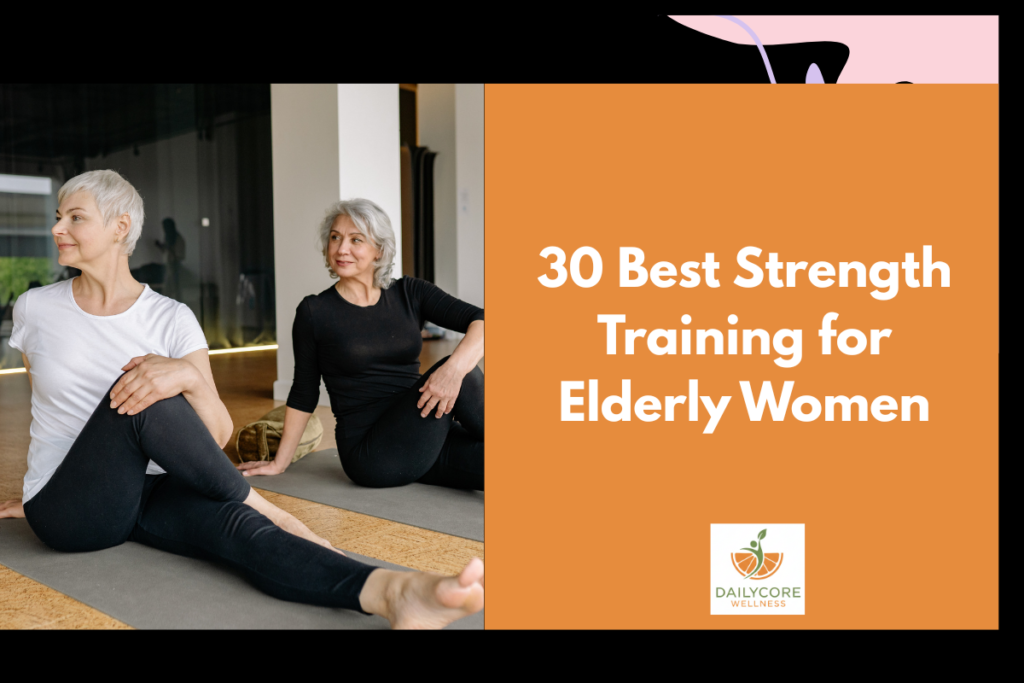
30 Best Strength Training for Elderly Women,3rd April 2026
“1. Start with Bodyweight Exercises”
Beginning with bodyweight movements allows elderly women to develop foundational strength without overwhelming the joints. Exercises such as chair squats, wall push-ups, and seated leg raises promote muscle activation while maintaining stability. Bodyweight training enhances neuromuscular coordination, which is critical for balance and fall prevention. It also allows individuals to focus on proper posture and controlled breathing patterns. Once movements feel stable and controlled, light resistance can be added. This gradual approach reduces injury risk and builds confidence in movement patterns.
“2. Prioritize Lower Body Strength”
Lower body strength is directly linked to independence. Strong quadriceps, hamstrings, and glutes support walking, standing, and climbing stairs. Exercises such as supported squats and step-ups improve joint stability and enhance circulation in the lower extremities. Strengthening these muscle groups reduces fall risk and improves overall mobility. Emphasizing controlled movements and balanced stance ensures safety. Consistent lower body training helps elderly women maintain the ability to perform everyday tasks without assistance.
“3. Include Resistance Bands”
Resistance bands provide adjustable tension without heavy equipment. They are joint-friendly and versatile, allowing for seated rows, chest presses, and leg extensions. Bands improve muscular endurance and coordination while minimizing strain. Their portability also encourages consistency at home. Gradually increasing band resistance supports progressive overload, ensuring continued strength gains.
“4. Focus on Proper Breathing”
Breathing technique plays a critical role in safe strength training. Exhaling during exertion and inhaling during the lowering phase helps regulate blood pressure and prevent dizziness. Controlled breathing also enhances core stability, improving posture and reducing strain on the lower back. Establishing proper breathing habits ensures safe and efficient workouts.
“5. Train the Core for Stability”
Core muscles stabilize the spine and improve balance. Seated abdominal contractions, standing marches, and gentle rotational exercises strengthen deep stabilizing muscles. Improved core strength enhances posture and reduces lower back discomfort. This foundation supports all other movements, making daily activities safer and more efficient.
“6. Maintain Consistent Frequency”
Consistency is more important than intensity. Two to three sessions per week create sufficient stimulus for muscle growth without excessive fatigue. Skipping workouts slows progress and reduces benefits. Establishing a routine builds habit strength and long-term adherence. Over time, steady practice leads to measurable improvements in strength and endurance.
“7. Allow Adequate Recovery”
Muscle repair occurs during rest. Scheduling rest days prevents overtraining and reduces soreness. Adequate sleep and hydration further support muscle recovery. Listening to the body and adjusting intensity when necessary ensures sustainability. Recovery is an essential component of progress, not a sign of weakness.
“8. Monitor Balance Improvements”
Balance often improves with consistent resistance training. Tracking stability during standing exercises or step movements helps measure progress. Improved balance reduces fall risk and enhances confidence. Regular practice strengthens stabilizing muscles and improves coordination, reinforcing safety in daily life.
“9. Increase Resistance Gradually”
Progression should be gradual and controlled. When exercises feel manageable and form remains stable, resistance can be slightly increased. Sudden jumps in weight increase injury risk. Gradual overload encourages muscle adaptation while maintaining joint safety. Steady progression leads to sustainable strength gains.
“10. Seek Professional Guidance When Needed”
Working with a qualified trainer experienced in senior fitness ensures proper technique and program design. Professional guidance reduces injury risk and accelerates results. Trainers can tailor exercises to individual limitations and goals. This personalized approach enhances safety and confidence throughout the strength training journey.
Conclusion
Consistency is the defining factor in long-term success. Short, regular sessions performed with proper technique deliver better results than sporadic, intense workouts. Establishing a realistic schedule encourages adherence and measurable progress over time.
Patience is equally important. Strength gains may appear gradual, but cumulative improvements significantly impact mobility and quality of life. Each session contributes to stronger muscles, improved posture, and greater resilience.
By committing to a sustainable routine, elderly women can experience long-term strength, stability, and vitality. Strength training is not merely exercise; it is an investment in independence and lasting well-being