German Shepherd protection dogs are among the most intelligent, loyal, and versatile working dogs in the world. Known for their strength, agility, and keen sense of alertness, they are widely utilized in security, law enforcement, and personal protection roles. Understanding how to properly train and manage a German Shepherd for protection purposes is essential to maximize their potential and maintain safety for both the dog and its handler.
The focus keyword, German Shepherd protection dogs, not only highlights the breed’s protective instincts but also emphasizes the importance of structured training. These dogs are highly responsive to commands, making them ideal for individuals seeking a reliable and disciplined companion for home or professional security. However, without proper guidance and socialization, their protective instincts can lead to undesirable behaviors.
Training German Shepherd protection dogs involves a careful balance of discipline, positive reinforcement, and consistent routine. Early socialization is critical to ensure they can distinguish between genuine threats and everyday situations. Additionally, handlers must understand the breed’s behavioral cues and respect their intelligence while setting clear boundaries.
Beyond training, owning German Shepherd protection dogs requires commitment to physical exercise, mental stimulation, and ongoing skill refinement. This breed thrives on structure and engagement, making them loyal protectors and devoted companions when properly trained. By investing in professional guidance and maintaining a consistent approach, handlers can develop highly capable and dependable protection dogs.
Essential Traits of German Shepherd Protection Dogs
German Shepherd protection dogs possess a unique combination of intelligence, loyalty, and physical prowess. Their natural protective instincts make them highly alert and responsive to unfamiliar situations, which is a vital characteristic for personal or property security. These dogs can assess threats quickly, often acting decisively to prevent harm, but they also require structured training to channel their instincts appropriately.
Training Techniques for German Shepherd Protection Dogs
Training German Shepherd protection dogs demands a methodical and patient approach. Obedience forms the foundation of protection training, ensuring that the dog reliably responds to commands in high-pressure situations. Early exposure to diverse environments and controlled socialization helps the dog distinguish between normal activity and potential threats, fostering both confidence and control.
Protection training should also include controlled aggression exercises, scent tracking, and scenario-based drills. Professional guidance is often recommended to ensure that the dog develops protective skills without compromising safety. Consistency is critical, as intermittent training can lead to confusion and inconsistent behaviors. Positive reinforcement, coupled with firm boundaries, allows the dog to understand expectations while maintaining trust with the handler. Over time, structured training produces German Shepherds that are not only effective protectors but also obedient, balanced, and mentally resilient companions.
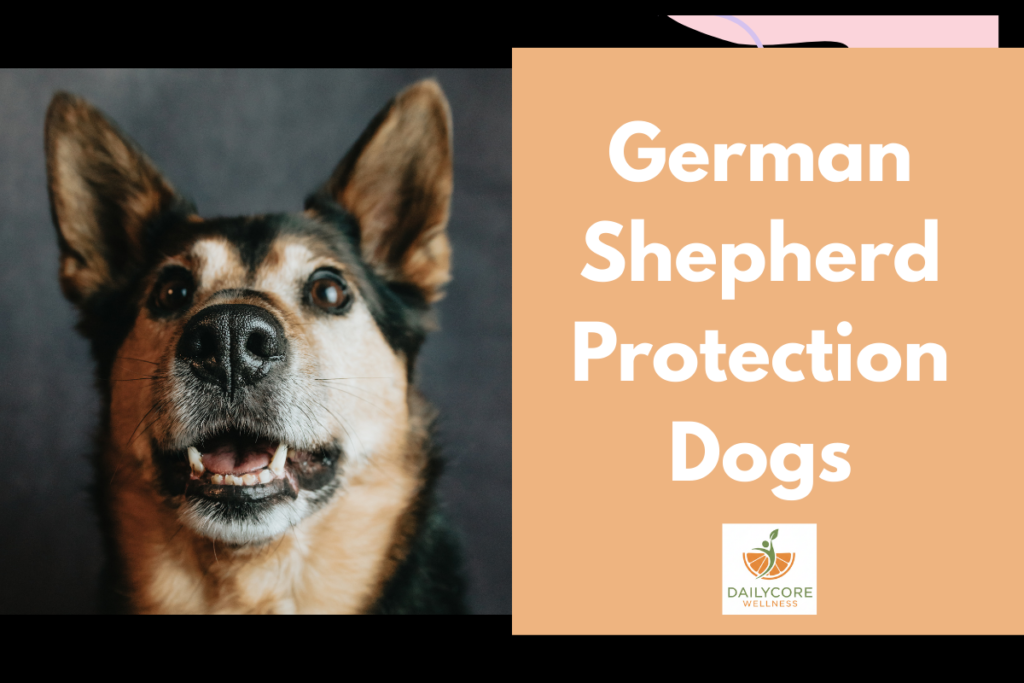
Tips for German Shepherd Protection Dogs, 3rd April 2026
1. “Start Training Early.”
Beginning training at a young age helps German Shepherd protection dogs develop obedience and social skills before their protective instincts fully mature. Puppies exposed to structured commands and socialization exercises are less likely to exhibit uncontrolled aggression later in life. Early training establishes clear communication between handler and dog, making future protection exercises more effective and reliable.
2. “Focus on Socialization.”
Introducing your dog to different environments, people, and other animals builds confidence and prevents fear-based aggression. German Shepherd protection dogs that are well-socialized can differentiate between genuine threats and normal daily interactions, reducing the risk of overreaction and ensuring safer behavior in unpredictable situations.
3. “Use Positive Reinforcement.”
Rewarding good behavior with treats, praise, or play strengthens the bond between handler and dog while reinforcing obedience. Positive reinforcement encourages consistent behavior, allowing German Shepherd protection dogs to learn complex commands and protective exercises more effectively than punishment-based methods.
4. “Maintain Consistent Exercise.”
Highly intelligent breeds like German Shepherds require daily physical and mental stimulation. Regular exercise reduces anxiety and pent-up energy, which can otherwise manifest as destructive behavior. Engaging the dog with walks, agility drills, and interactive games keeps them alert and physically prepared for protection duties.
5. “Incorporate Obedience Drills.”
Basic and advanced obedience drills form the core of protection training. Commands such as sit, stay, heel, and recall ensure the dog responds immediately under any circumstances. Mastery of obedience commands provides a foundation for more complex protection exercises and promotes handler control during high-stress situations.
6. “Practice Scenario-Based Training.”
Simulated security scenarios teach dogs to respond appropriately to threats while maintaining composure. Controlled exercises, such as intruder alerts or controlled defense drills, allow handlers to refine protective skills safely. Regular scenario practice ensures readiness without promoting fear or aggression in normal contexts.
7. “Use Professional Guidance.”
Working with experienced trainers ensures your German Shepherd protection dogs develop skills safely and efficiently. Professional trainers provide structured techniques, monitor behavioral progress, and adjust exercises to the dog’s temperament, optimizing both protective abilities and long-term well-being.
8. “Monitor Health and Nutrition.”
Proper nutrition and regular veterinary care support physical fitness and cognitive function. A healthy German Shepherd is more capable of executing protective tasks and maintaining alertness. Monitoring diet, weight, and overall health is essential for sustaining long-term performance and preventing fatigue-related injuries.
9. “Respect Temperament Limits.”
Even within a protective breed, individual dogs have unique thresholds for aggression and stress. Handlers should recognize signs of fatigue, fear, or overstimulation and adjust training accordingly. Respecting these limits prevents behavioral issues and strengthens the dog-handler relationship.
10. “Commit to Lifelong Training.”
Protection skills require ongoing practice and reinforcement throughout a dog’s life. Continuous training ensures German Shepherd protection dogs remain sharp, obedient, and responsive. Long-term commitment is essential to preserve learned behaviors and maintain a safe, dependable companion for years.
11. “Reinforce Bite Control.”
Bite control is a crucial aspect of protection training. German Shepherd protection dogs must learn to respond to commands with precision, including when and how to apply pressure. Controlled bite exercises under professional supervision help the dog distinguish between acceptable protective behavior and aggression. Practicing bite control reduces the risk of accidental injury and ensures that the dog can defend effectively without escalating unnecessarily. Reinforcing bite control consistently builds confidence, strengthens handler authority, and fosters a safe environment. Regular practice ensures the dog retains proper technique while balancing instinct with discipline, which is essential for long-term protection reliability.
12. “Train Impulse Control.”
Impulse control is fundamental for a protection dog’s safety and obedience. German Shepherd protection dogs with strong impulses may react aggressively to minor triggers if not properly managed. Training exercises that emphasize waiting, patience, and following commands in distracting environments help dogs develop self-control. Techniques like “leave it,” “stay,” and structured delay drills teach the dog to pause before acting, allowing the handler to maintain authority. Consistent practice in various scenarios reinforces calm, measured responses, which are essential for both personal protection and social interactions. Well-developed impulse control enhances the dog’s reliability, ensuring protective instincts are applied thoughtfully and effectively.
13. “Incorporate Agility Training.”
Agility training enhances a German Shepherd’s coordination, stamina, and mental sharpness. Obstacle courses, jumps, tunnels, and balance exercises simulate real-world challenges, preparing the dog for dynamic protective tasks. Agility work also strengthens muscle tone and improves reaction time, both critical for quick response in potential threat situations. Moreover, agility sessions provide mental stimulation, preventing boredom and destructive behaviors. A dog that excels in agility is more confident, flexible, and capable in high-pressure scenarios. Incorporating agility consistently into training routines builds a well-rounded protector, improving both physical performance and cognitive responsiveness, ensuring that the dog can handle complex tasks safely and efficiently.
14. “Practice Controlled Retreats.”
Teaching controlled retreats ensures that a German Shepherd protection dog can disengage safely when instructed. This skill is critical in high-stakes situations where restraint is necessary to prevent unnecessary aggression. Practicing retreats under varying conditions reinforces the dog’s obedience and trust in the handler’s commands. Controlled retreats also promote mental discipline, allowing the dog to focus despite distractions or perceived threats. By mastering this skill, dogs learn to evaluate situations rather than react impulsively. Regular reinforcement builds confidence and ensures the dog remains calm, composed, and responsive, enhancing the overall effectiveness and safety of protection training in both everyday and emergencies.
15. “Develop Verbal and Hand Signals.”
German Shepherd protection dogs respond best to consistent communication methods. Establishing both verbal commands and hand signals enhances clarity and ensures the dog can respond even in noisy or visually restricted environments. Hand signals complement vocal commands and can be used in tactical scenarios where discretion is required. Consistent pairing of commands with visual cues strengthens understanding and reduces hesitation during high-pressure moments. This dual approach also supports long-term obedience and precision, making the dog a reliable partner for protection tasks. Reinforcing signals regularly ensures that responses remain automatic and instinctive, optimizing safety and efficiency for the handler and the dog alike.
16. “Introduce Controlled Distractions.”
Exposing German Shepherd protection dogs to controlled distractions strengthens focus and resilience. Training in environments with varying noise, movement, and other animals teaches the dog to remain attentive to commands despite external stimuli. Controlled distractions prevent the dog from becoming overstimulated or reactive in real-life situations. Structured exercises using distractions gradually increase complexity, enhancing the dog’s ability to make appropriate decisions under pressure. Regular practice ensures that protective instincts are applied judiciously, maintaining obedience and composure. Dogs trained with controlled distractions demonstrate higher reliability, mental stability, and adaptability, which are essential for consistent protection performance in unpredictable environments.
17. “Regularly Assess Behavioral Progress.”
Monitoring the development of German Shepherd protection dogs is essential for long-term success. Handlers should document responses to training exercises, noting improvements and areas needing reinforcement. Regular assessment allows for adjustments in training methods and intensity, ensuring the dog progresses safely and effectively. Behavioral evaluation also helps identify stress indicators, fatigue, or potential aggression issues before they escalate. By tracking progress consistently, handlers maintain a structured approach that supports skill retention and overall well-being. Continuous assessment reinforces discipline, encourages growth, and fosters a balanced protector, ensuring the dog remains both competent and responsive throughout its working life.
18. “Emphasize Mental Stimulation.”
Mental stimulation is as important as physical training for German Shepherd protection dogs. Problem-solving games, scent detection tasks, and advanced obedience drills challenge the dog’s cognitive abilities while reducing boredom. A mentally engaged dog is less likely to develop anxiety, misbehavior, or destructive tendencies. Incorporating mental exercises into daily routines promotes focus, adaptability, and quicker decision-making in protective scenarios. Long-term mental stimulation supports learning retention and reinforces behavioral consistency. Well-rounded mental training ensures that the dog remains alert, disciplined, and capable of applying protective instincts judiciously, enhancing both safety and performance in a variety of situations.
19. “Maintain Consistency Across Handlers.”
If multiple individuals interact with the dog, maintaining consistency in commands, expectations, and training methods is essential. German Shepherd protection dogs thrive on predictable routines and clear communication. Inconsistent handling can confuse the dog, reducing reliability and potentially compromising safety. Handlers should align on techniques, language, and behavioral expectations, reinforcing the same rules across all interactions. Consistency strengthens obedience, ensures proper protective response, and minimizes the risk of conflicting behaviors. A dog trained consistently across multiple handlers remains disciplined, confident, and dependable, making them safer and more effective in protection scenarios.
20. “Reinforce Positive Associations with Threat Scenarios.”
Protection training should cultivate a controlled, confident response to threats rather than fear or panic. German Shepherd protection dogs must learn that potential threats can be managed under guidance, reinforcing trust in the handler. Gradual exposure to threat simulations paired with rewards ensures the dog approaches challenging situations calmly. Positive associations prevent anxiety-driven behavior and foster a sense of purpose in protection tasks. By regularly reinforcing these associations, handlers cultivate dogs that are both assertive and controlled, capable of responding decisively without unnecessary aggression. Long-term reinforcement builds a reliable, mentally stable protector capable of performing under pressure.
Conclusion
German Shepherd protection dogs represent a unique combination of intelligence, loyalty, and athleticism that, when properly trained, make them exceptional protectors. Achieving their full potential requires dedication to consistent training, socialization, and ongoing skill reinforcement. Handlers who invest time and effort in these areas will enjoy a reliable and obedient companion capable of managing protective tasks safely and effectively.
Consistency in training cannot be overstated. German Shepherds thrive on routine and structure, and intermittent or inconsistent practice can lead to confusion and behavioral issues. By adhering to a structured approach that blends obedience, socialization, and scenario-based exercises, handlers can cultivate a dog that is both protective and balanced.
Long-term results also depend on maintaining physical and mental health. Daily exercise, proper nutrition, and attentive care support performance and prevent stress-related behaviors. Protecting the dog’s well-being ensures they remain capable and alert throughout their working life.
Ultimately, the success of German Shepherd protection dogs is a product of patience, consistency, and lifelong commitment. Handlers who maintain these principles will not only achieve high-level protection skills but also form a lasting, trusting bond with a loyal canine companion.