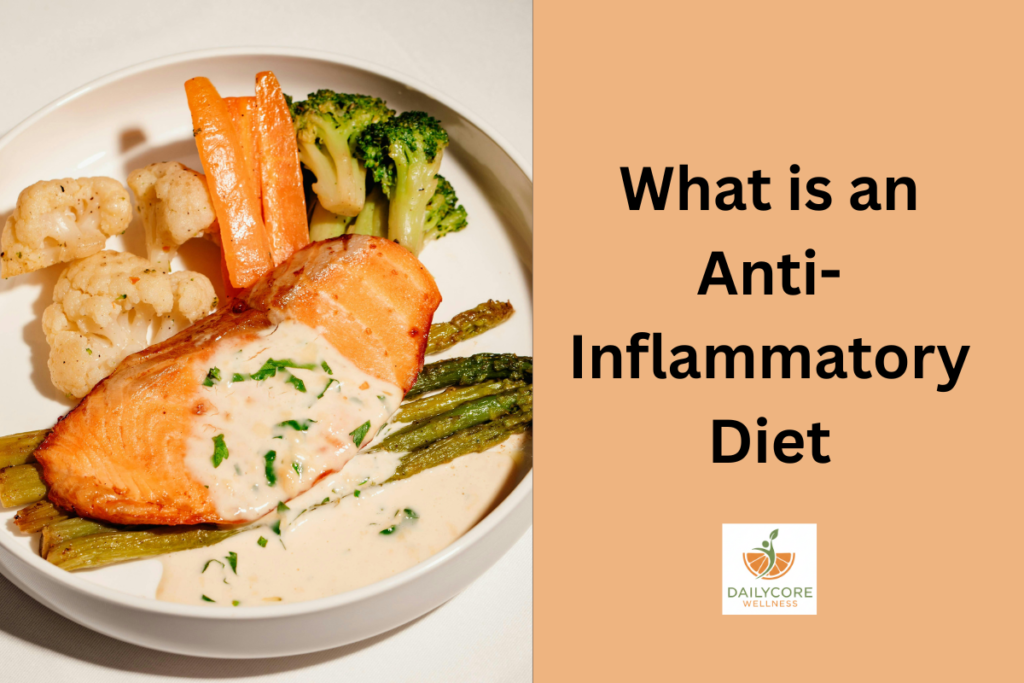
The anti-inflammatory diet is a dietary approach designed to reduce chronic inflammation in the body while promoting overall health and wellness. Inflammation is a natural response of the immune system to injury or infection, but when it becomes chronic, it can contribute to serious health conditions such as heart disease, diabetes, arthritis, and certain cancers. The anti-inflammatory diet focuses on nutrient-dense, whole foods that help combat oxidative stress, support the immune system, and maintain a healthy inflammatory balance.
This diet emphasizes plant-based foods, healthy fats, lean proteins, and whole grains while minimizing processed foods, refined sugars, and unhealthy fats that can trigger inflammation. It encourages a variety of colorful vegetables and fruits, herbs, spices, and natural sources of antioxidants that help protect cells and reduce inflammation over time.
Unlike restrictive diets, the anti-inflammatory diet is flexible and adaptable, allowing individuals to tailor food choices to their preferences and lifestyle. It focuses on long-term eating patterns rather than short-term solutions, making it sustainable and practical for everyday life.
Ultimately, the anti-inflammatory diet is more than just a meal plan—it’s a lifestyle strategy that encourages healthy eating habits, consistent nutrient intake, and mindful food choices. Adopting this diet can help improve heart health, digestive function, metabolic balance, and overall well-being.
How the Anti-Inflammatory Diet Works
The anti-inflammatory diet works by incorporating foods that reduce oxidative stress and inflammation while limiting those that trigger inflammatory responses. Key components include fruits, vegetables, whole grains, nuts, seeds, fatty fish, and healthy oils like olive oil. These foods contain antioxidants, polyphenols, vitamins, minerals, and omega-3 fatty acids that support cellular health and regulate inflammatory pathways.
Conversely, the diet avoids or limits foods known to promote inflammation, such as processed meats, refined sugars, fried foods, and trans fats. Reducing the intake of these foods lowers inflammatory markers, supports heart health, and promotes metabolic stability.
Additionally, the diet emphasizes fiber-rich foods that improve digestion and regulate blood sugar levels. Balanced meals that combine carbohydrates, proteins, and healthy fats help prevent blood sugar spikes and enhance satiety, supporting weight management and long-term wellness.
By focusing on nutrient-dense foods and limiting pro-inflammatory items, the anti-inflammatory diet reduces chronic inflammation, improves immune function, and contributes to overall health. It is not just a temporary eating plan but a long-term lifestyle approach designed to protect against chronic disease and support optimal bodily function.
20 Anti-inflammatory Foods List, 3rd April 2026
1. Leafy Green Vegetables
Leafy greens such as spinach, kale, and Swiss chard are powerful anti-inflammatory foods. They are packed with vitamins A, C, and K, along with minerals like calcium and magnesium that support immune function and bone health. These vegetables contain phytonutrients and antioxidants that neutralize free radicals and reduce oxidative stress in the body. High in fiber, leafy greens also promote digestive health and help regulate blood sugar, preventing inflammation triggered by glucose spikes. Regular inclusion in meals improves cardiovascular health, enhances energy levels, and supports long-term wellness. Their versatility allows them to be consumed raw, steamed, or added to smoothies, making them easy to incorporate daily.
2. Berries
Berries, including blueberries, strawberries, raspberries, and blackberries, are nutrient-dense fruits rich in antioxidants and phytochemicals. These compounds help reduce inflammation and protect the body against oxidative damage. The high fiber content in berries promotes digestive health, stabilizes blood sugar, and increases satiety. Berries also contain vitamins C and K, supporting immunity and cardiovascular function. Including berries in daily meals or snacks can lower chronic inflammation, improve heart health, and enhance cognitive function. They are highly versatile and can be added to yogurt, oatmeal, smoothies, or eaten raw, making them an easy and delicious addition to any anti-inflammatory diet.
3. Fatty Fish
Fatty fish such as salmon, mackerel, sardines, and trout are excellent sources of omega-3 fatty acids, known for their strong anti-inflammatory properties. Omega-3s help reduce inflammatory markers, support heart health, and improve brain function. These fish are also rich in high-quality protein and essential vitamins such as D and B12. Consuming fatty fish regularly can lower the risk of cardiovascular disease and enhance joint and cognitive health. Grilled, baked, or poached preparations maximize nutrient retention. Including fatty fish in your diet two to three times per week ensures steady anti-inflammatory benefits, contributes to long-term wellness, and complements a nutrient-rich, balanced dietary plan.
4. Nuts and Seeds
Nuts and seeds, such as almonds, walnuts, flaxseeds, chia seeds, and pumpkin seeds, are anti-inflammatory powerhouses. They provide healthy fats, protein, and fiber that help stabilize blood sugar and reduce systemic inflammation. These foods also supply essential minerals like magnesium, zinc, and selenium, which support immune function and cardiovascular health. Regular inclusion of nuts and seeds in meals or snacks promotes satiety, aids in weight management, and enhances metabolic health. Their antioxidant content combats oxidative stress and protects cellular function. By consistently adding a variety of nuts and seeds to an anti-inflammatory diet, individuals can achieve sustained reductions in chronic inflammation and long-term improvements in overall health.
5. Olive Oil
Olive oil, especially extra virgin, is a staple of anti-inflammatory diets due to its high monounsaturated fat and polyphenol content. These compounds reduce inflammatory markers, protect against oxidative damage, and improve heart health. Olive oil can be used as a primary cooking fat, in salad dressings, or drizzled over vegetables to enhance flavor while supporting wellness. Its anti-inflammatory effects contribute to improved blood cholesterol, better vascular function, and long-term cardiovascular protection. Regular use of olive oil in place of saturated or trans fats ensures consistent benefits. This versatile oil supports both culinary enjoyment and sustained health, making it a cornerstone of an anti-inflammatory dietary plan.
6. Whole Grains
Whole grains such as oats, quinoa, brown rice, barley, and millet are rich in fiber, vitamins, minerals, and antioxidants. Unlike refined grains, they help regulate blood sugar, improve digestion, and reduce chronic inflammation. The soluble fiber in whole grains supports gut health, slows glucose absorption, and promotes satiety, preventing overeating and metabolic stress. Whole grains also contain magnesium and phytochemicals that enhance cardiovascular function and combat oxidative stress. Incorporating whole grains consistently in breakfast, lunch, or dinner stabilizes energy levels and supports long-term health. Replacing refined grains with whole grains is a simple yet effective strategy for reducing inflammation and promoting overall wellness.
7. Tomatoes
Tomatoes are rich in lycopene, a potent antioxidant that helps reduce inflammation and protect cells from oxidative stress. They are also high in vitamins C and K, potassium, and folate, which support immunity, bone health, and cardiovascular function. Cooking tomatoes increases the bioavailability of lycopene, making sauces, soups, and stews highly beneficial. Regular consumption has been linked to improved heart health, reduced inflammatory markers, and enhanced overall wellness. Tomatoes are versatile and can be eaten raw, roasted, or blended into dishes. Including them consistently as part of an anti-inflammatory diet helps maintain long-term health and supports cellular protection throughout the body.
8. Turmeric
Turmeric is a bright yellow spice known for its active compound, curcumin, which has strong anti-inflammatory and antioxidant properties. Curcumin helps inhibit inflammatory pathways in the body, reducing the risk of chronic diseases like arthritis, diabetes, and cardiovascular conditions. Consuming turmeric regularly, especially with black pepper to enhance absorption, can improve joint health, support digestion, and boost immune function. It can be added to curries, soups, teas, or smoothies. Incorporating turmeric into a daily anti-inflammatory diet ensures consistent benefits, reduces oxidative stress, and promotes long-term wellness while adding flavor and color to meals.
9. Green Tea
Green tea is a nutrient-rich beverage containing polyphenols, particularly catechins, which help combat inflammation and oxidative stress. Regular consumption of green tea supports cardiovascular health, improves metabolism, and enhances cognitive function. Its mild caffeine content provides an energy boost without causing blood sugar spikes. Drinking green tea daily contributes to immune function, weight management, and long-term reduction of chronic inflammation. It can be consumed hot or cold and combined with lemon or herbs for flavor. Including green tea consistently in an anti-inflammatory lifestyle maximizes antioxidant intake and promotes overall health while complementing a nutrient-rich diet.
10. Dark Chocolate
Dark chocolate with a high cocoa content (70% or more) is rich in flavonoids, potent antioxidants that help reduce inflammation and improve heart health. Moderate consumption improves insulin sensitivity, supports blood pressure regulation, and enhances cognitive function. Unlike milk chocolate, high-quality dark chocolate contains less sugar and more bioactive compounds, maximizing its health benefits. Including small portions as part of a balanced diet satisfies sweet cravings while promoting anti-inflammatory effects. Regular, mindful consumption contributes to reduced oxidative stress, better cardiovascular function, and long-term wellness. Dark chocolate also pairs well with nuts and berries to enhance both flavor and nutrition.
11. Garlic
Garlic contains sulfur compounds such as allicin that provide strong anti-inflammatory and antioxidant effects. These compounds help reduce inflammatory markers, lower cholesterol, and support heart and immune health. Regular consumption of garlic has been linked to improved cardiovascular function, enhanced immunity, and reduced oxidative stress. Garlic can be used raw, roasted, or sautéed, making it versatile for meal preparation. Including garlic consistently in an anti-inflammatory diet not only improves flavor but also contributes to long-term reductions in chronic inflammation. Its powerful health benefits support overall wellness, making garlic an essential component of any anti-inflammatory dietary plan.
12. Ginger
Ginger contains bioactive compounds called gingerols that have potent anti-inflammatory and antioxidant properties. Regular intake helps reduce joint pain, improve digestion, and support immune function. Ginger has also been linked to cardiovascular benefits, including improved circulation and reduced oxidative stress. It can be incorporated into teas, smoothies, stir-fries, or soups, providing both flavor and health benefits. Consistent consumption of ginger promotes long-term reduction of chronic inflammation and supports metabolic, digestive, and immune health. Its versatility and potency make ginger an essential ingredient for anyone following an anti-inflammatory diet, contributing to overall wellness and disease prevention.
13. Avocados
Avocados are rich in monounsaturated fats, fiber, vitamins, and antioxidants, making them ideal for reducing inflammation and supporting heart health. The healthy fats improve nutrient absorption and stabilize blood sugar, while fiber promotes digestive health and satiety. Avocados also provide potassium, magnesium, and vitamin E, which contribute to cardiovascular and metabolic wellness. Including them in salads, spreads, or smoothies ensures consistent anti-inflammatory benefits. Regular consumption supports long-term reductions in chronic inflammation, protects cells from oxidative damage, and enhances overall wellness. Their creamy texture and versatility make them easy to integrate into a daily anti-inflammatory diet plan.
14. Peppers
Bell peppers, particularly red and yellow varieties, are high in antioxidants and vitamins A, C, and E, which help reduce inflammation and oxidative stress. Their fiber content supports digestive health and satiety, while natural compounds like carotenoids protect cardiovascular function. Peppers are versatile and can be eaten raw, roasted, or added to soups, stews, and salads. Regular inclusion of peppers in meals contributes to consistent anti-inflammatory effects, enhanced nutrient intake, and long-term health benefits. Their vibrant color and flavor make them appealing additions to an anti-inflammatory diet, promoting both enjoyment and wellness in daily eating habits.
15. Mushrooms
Mushrooms such as shiitake, maitake, and reishi are rich in antioxidants and anti-inflammatory compounds that support immune health and reduce oxidative stress. They are low in calories and high in fiber, vitamins, and minerals, making them excellent for metabolic and cardiovascular wellness. Compounds like ergothioneine provide cellular protection and reduce chronic inflammation. Regular consumption enhances gut health, immune resilience, and overall nutrient intake. Mushrooms are versatile, easy to add to soups, stir-fries, or salads, and provide consistent anti-inflammatory benefits. Including them in an anti-inflammatory diet helps maintain long-term wellness and supports healthy inflammatory balance throughout the body.
16. Citrus Fruits
17. Beans and Legumes
Beans and legumes, including lentils, chickpeas, and black beans, are nutrient-dense anti-inflammatory foods. They provide fiber, plant-based protein, and antioxidants that reduce chronic inflammation, support digestive health, and stabilize blood sugar. Regular consumption promotes heart health, satiety, and metabolic balance. They can be incorporated into soups, salads, stews, or side dishes, providing versatile and sustainable options for anti-inflammatory eating. Including a variety of legumes ensures adequate intake of essential nutrients, reduces oxidative stress, and supports long-term wellness. Consistency in consuming beans and legumes is key to maintaining a balanced anti-inflammatory diet and overall health.
18. Sweet Potatoes
Sweet potatoes are rich in fiber, vitamins A and C, and antioxidants that help reduce inflammation and oxidative stress. Their natural sweetness provides a healthier carbohydrate alternative, while the fiber content slows glucose absorption, supporting blood sugar regulation. Beta-carotene and polyphenols in sweet potatoes contribute to cardiovascular and metabolic health. They can be baked, roasted, or mashed for nutrient-dense meals. Regular consumption of sweet potatoes in an anti-inflammatory diet enhances digestion, promotes satiety, and provides long-term health benefits. Their versatility and high nutrient content make them a staple for anyone aiming to reduce chronic inflammation and improve overall wellness.
19. Yogurt
Yogurt, particularly plain and probiotic-rich varieties, supports gut health, reduces inflammation, and improves digestion. Probiotics enhance the gut microbiome, which plays a key role in immune function and inflammatory control. Yogurt also provides protein, calcium, and B vitamins, supporting bone and metabolic health. Consuming yogurt consistently helps regulate blood sugar, reduce systemic inflammation, and promote long-term wellness. Unsweetened varieties prevent added sugars from undermining anti-inflammatory benefits. Yogurt can be eaten as a snack, breakfast, or incorporated into smoothies, providing both nutrition and satiety. Its regular inclusion strengthens digestive health and contributes to overall anti-inflammatory dietary success.
20. Apples
Apples contain fiber, particularly pectin, and antioxidants such as quercetin that help reduce inflammation and oxidative stress. Soluble fiber supports digestion, stabilizes blood sugar, and promotes satiety, reducing the risk of overeating. Regular consumption has been linked to improved cardiovascular health, better digestion, and reduced chronic disease risk. Apples are versatile, portable, and can be eaten raw, baked, or added to meals. Including apples consistently in an anti-inflammatory diet provides essential nutrients, supports long-term wellness, and helps maintain a healthy inflammatory balance. They are an easy, practical, and effective food for promoting sustained health benefits.