Whole food diet recipes are becoming increasingly popular among health-conscious individuals seeking sustainable weight management, improved digestion, and long-term vitality. Unlike highly processed meal plans, this approach emphasizes natural, minimally processed ingredients that retain their nutritional integrity. By focusing on vegetables, fruits, lean proteins, whole grains, legumes, nuts, and seeds, whole food diet recipes provide essential vitamins, minerals, fiber, and antioxidants that support optimal body function.
For individuals pursuing fitness goals, whole food diet recipes offer a practical foundation. Proper nutrition supports muscle recovery, hormonal balance, and immune function. Meals rich in fiber and high-quality protein also help regulate appetite and reduce cravings, making it easier to maintain a calorie-controlled plan without constant hunger or deprivation.
Sustainable nutrition requires consistency, planning, and realistic expectations. Whole food diet recipes are not short-term fixes; they are long-term strategies for health optimization. When implemented correctly, they foster habits that can be maintained for years, creating measurable improvements in energy levels, body composition, and overall well-being.
Why Whole Food Diet Recipes Support Long-Term Health
Whole food diet recipes support long-term health because they center on nutrient density rather than empty calories. Processed foods often contain added sugars, refined carbohydrates, artificial preservatives, and excessive sodium. Over time, these elements can contribute to inflammation, blood sugar instability, and weight gain. By contrast, whole foods provide complex carbohydrates, high-quality protein, healthy fats, and fiber that nourish the body and promote steady energy release.
Additionally, whole food diet recipes help regulate appetite and metabolic function. Meals rich in fiber and protein enhance satiety, reducing the likelihood of overeating. Whole ingredients also support gut health by feeding beneficial bacteria, which play a crucial role in immunity and digestion. When the body receives adequate nutrients consistently, energy improves, recovery accelerates, and overall resilience strengthens. This foundation is essential for individuals seeking sustainable fitness progress and long-term disease prevention.
How to Build Balanced Whole Food Diet Recipes
Building balanced, whole food diet recipes requires thoughtful ingredient selection and portion awareness. Each meal should include a combination of lean protein, complex carbohydrates, healthy fats, and fiber-rich vegetables or fruits. This structure ensures blood sugar stability and prolonged fullness. For example, pairing grilled chicken with quinoa and roasted vegetables provides protein, slow-digesting carbohydrates, and essential micronutrients.
Preparation methods also matter. Steaming, baking, grilling, and sautéing with minimal oil preserve nutrient content while avoiding excessive calories. Seasoning with herbs, spices, citrus, and natural aromatics enhances flavor without relying on processed sauces. Planning meals reduces impulsive food choices and ensures access to wholesome ingredients throughout the week. When balance and preparation are prioritized, whole food diet recipes become practical, satisfying, and sustainable.
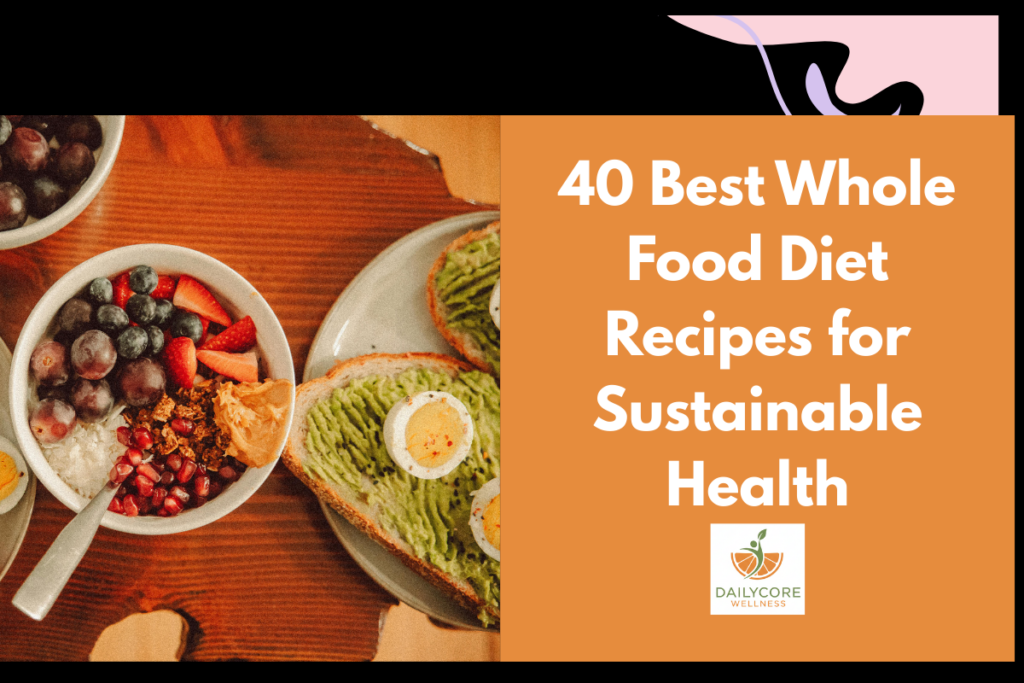
40 Best Whole Food Diet Recipes for Sustainable Health
1. Quinoa and Roasted Vegetable Power Bowl
This whole food diet recipe combines quinoa, roasted sweet potatoes, zucchini, bell peppers, and chickpeas for a nutrient-dense meal. Quinoa provides complete plant-based protein and complex carbohydrates, while the vegetables supply fiber, antioxidants, and essential vitamins. Roasting enhances natural flavors without requiring heavy sauces. Adding a drizzle of olive oil and fresh lemon juice introduces healthy fats and brightness. This recipe supports sustained energy, making it ideal for lunch or post-workout recovery. Its balanced macronutrient profile helps regulate appetite and stabilize blood sugar levels. Preparing ingredients in batches simplifies weekly meal planning and ensures consistent adherence to whole food principles.
2. Grilled Salmon with Brown Rice and Steamed Broccoli
Grilled salmon offers high-quality protein and omega-3 fatty acids that support heart health and reduce inflammation. Paired with brown rice and steamed broccoli, this whole food diet recipe delivers fiber, antioxidants, and complex carbohydrates. Brown rice provides steady energy, while broccoli contributes vitamins C and K, along with beneficial phytochemicals. Light seasoning with garlic, black pepper, and herbs enhances taste without unnecessary additives. This meal supports muscle recovery, immune function, and metabolic health. Consuming fatty fish regularly can improve cardiovascular markers and cognitive function, making this recipe a powerful addition to any long-term nutrition strategy.
3. Lentil and Spinach Stew
Lentils are rich in plant-based protein, iron, and fiber, making them an excellent foundation for whole-food diet recipes. Combined with spinach, tomatoes, onions, and carrots, this stew becomes a nutrient-dense, satisfying meal. The fiber content promotes digestive health and prolonged satiety, while iron supports oxygen transport in the body. Cooking with herbs and spices enhances flavor and adds anti-inflammatory benefits. This dish is budget-friendly, easy to batch cook, and ideal for individuals seeking plant-forward options. Its balanced composition makes it suitable for weight management and cardiovascular health.
4. Oatmeal with Berries and Nuts
Steel-cut or rolled oats form a high-fiber base that supports stable blood sugar levels. Topped with fresh berries and a handful of nuts, this whole food diet recipe becomes a powerful breakfast option. Berries supply antioxidants that combat oxidative stress, while nuts provide healthy fats and protein. The combination promotes satiety and sustained energy throughout the morning. Avoiding flavored instant varieties reduces added sugar intake. Preparing oats overnight can improve convenience and consistency, supporting adherence to a whole food eating pattern.
5. Baked Chicken with Sweet Potato and Green Beans
Lean baked chicken provides essential amino acids necessary for muscle repair and maintenance. Sweet potatoes deliver beta-carotene and complex carbohydrates, while green beans add fiber and micronutrients. This whole food diet recipe emphasizes simplicity and nutrient density. Baking with herbs and minimal oil maintains flavor without excess calories. The meal’s balanced macronutrient ratio supports energy stability and recovery. Regularly incorporating such structured meals can improve body composition and reduce reliance on processed alternatives.
6. Chickpea and Avocado Salad
Chickpeas offer plant-based protein and fiber, while avocado provides heart-healthy monounsaturated fats. Combined with cucumbers, tomatoes, red onions, and lemon juice, this whole food diet recipe creates a refreshing and nutrient-rich option. The fiber supports digestion, and the healthy fats enhance nutrient absorption. This meal is ideal for light lunches or as a side dish. It promotes satiety and steady energy without processed dressings. Preparing fresh ingredients enhances flavor and nutrient retention.
7. Greek Yogurt with Seeds and Fresh Fruit
Plain Greek yogurt supplies high-quality protein and probiotics that support gut health. Adding chia seeds, flaxseeds, and sliced fruit transforms it into a balanced whole food diet recipe. The protein aids muscle maintenance, while seeds provide omega-3 fatty acids and fiber. Selecting unsweetened yogurt prevents excess sugar consumption. This recipe is convenient, nutrient-dense, and adaptable to various taste preferences. Consistent consumption supports digestive balance and appetite control.
8. Stir-Fried Tofu with Mixed Vegetables
Tofu serves as a versatile plant-based protein source. Lightly stir-fried with broccoli, carrots, bell peppers, and snap peas, it forms a colorful and balanced whole food diet recipe. Using minimal oil and seasoning with ginger and garlic preserves nutrient value while enhancing taste. This meal supports muscle repair, digestive health, and overall metabolic balance. Choosing whole soy products rather than processed substitutes maintains nutritional integrity.
9. Black Bean and Brown Rice Bowl
Black beans provide protein, fiber, and antioxidants, while brown rice contributes complex carbohydrates. Combined with fresh salsa, corn, and leafy greens, this whole food diet recipe supports steady energy and digestive health. The fiber content enhances fullness, reducing overeating tendencies. This meal is cost-effective, easy to prepare, and suitable for batch cooking. Its nutrient density supports heart health and sustainable weight management.
10. Vegetable Omelet with Whole Grain Toast
Eggs supply complete protein and essential nutrients such as choline and vitamin B12. Paired with sautéed spinach, mushrooms, and tomatoes, this whole food diet recipe delivers vitamins and antioxidants. Whole-grain toast provides complex carbohydrates for sustained energy. Cooking with minimal oil preserves nutrient quality. This balanced breakfast or lunch option supports muscle maintenance and appetite regulation, reinforcing long-term dietary consistency.
11. Turkey and Vegetable Lettuce Wraps
Ground turkey is a lean protein source that supports muscle repair and satiety without excessive saturated fat. When sautéed with garlic, onions, grated carrots, and finely chopped bell peppers, it forms a flavorful filling for crisp lettuce leaves. This whole food diet recipe eliminates refined wraps while maintaining structure and texture. Lettuce provides hydration and fiber, supporting digestion and appetite control. Seasoning with herbs and a squeeze of fresh lime enhances flavor naturally without processed sauces. These wraps are ideal for light lunches or controlled-calorie dinners. Preparing the turkey mixture in advance simplifies weekly meal prep and encourages consistent adherence to whole food principles.
12. Baked Cod with Quinoa and Asparagus
Cod is a lean white fish rich in high-quality protein and essential minerals such as selenium and iodine. Baked with lemon slices, black pepper, and fresh herbs, it becomes a clean and nutrient-dense centerpiece for whole food diet recipes. Pairing cod with quinoa adds complete plant-based protein and slow-digesting carbohydrates, while asparagus contributes fiber and antioxidants. Baking preserves nutrients without unnecessary oils or heavy coatings. This balanced combination supports metabolic efficiency, muscle recovery, and steady energy levels. Incorporating lean seafood regularly can improve cardiovascular markers and diversify protein intake, which is important for long-term dietary sustainability.
13. Sweet Potato and Black Bean Stuffed Peppers
Bell peppers serve as edible vessels packed with vitamin C and antioxidants. Filled with mashed sweet potatoes, black beans, diced onions, and chopped spinach, this whole food diet recipe delivers fiber, plant-based protein, and complex carbohydrates. The natural sweetness of sweet potatoes balances the savory elements without requiring added sugar. Baking enhances texture and flavor while maintaining nutritional integrity. This meal promotes digestive health and prolonged fullness due to its fiber-rich composition. It is also suitable for batch preparation, making it practical for individuals focused on consistency and structured meal planning.
14. Brown Rice and Vegetable Stir Bowl with Grilled Shrimp
Shrimp provides lean protein and essential micronutrients such as zinc and selenium. Grilled with simple seasonings and served over brown rice and mixed vegetables, it forms a balanced whole food diet recipe. Brown rice supplies complex carbohydrates that stabilize blood sugar, while vegetables like broccoli, carrots, and snap peas add fiber and antioxidants. Using minimal oil during cooking preserves calorie control. This meal supports muscle repair, immune function, and sustained energy output. Its balanced macronutrient profile makes it appropriate for both active individuals and those focused on gradual weight management.
15. Homemade Vegetable and Bean Soup
A broth-based soup made with tomatoes, kidney beans, celery, carrots, zucchini, and herbs provides hydration and nutrient density in one meal. This whole food diet recipe is naturally high in fiber and low in excess fats. Beans contribute plant-based protein and support satiety, while vegetables deliver essential vitamins and phytonutrients. Simmering ingredients slowly enhances flavor without processed additives. Soup-based meals can assist with portion control due to their volume and water content, helping regulate appetite. Preparing a large batch at the start of the week ensures access to wholesome options during busy schedules.
16. Cottage Cheese with Pineapple and Walnuts
Cottage cheese offers high-quality protein and calcium, making it a practical addition to whole-food diet recipes. Paired with fresh pineapple and a small portion of walnuts, this meal balances protein, natural carbohydrates, and healthy fats. Pineapple adds natural sweetness and digestive enzymes, while walnuts provide omega-3 fatty acids that support heart health. Choosing unsweetened cottage cheese avoids hidden sugars. This combination works well as a breakfast or post-workout snack, promoting muscle recovery and appetite control. Its simplicity encourages consistency, especially for individuals with limited preparation time.
17. Whole Grain Pasta with Tomato and Spinach
Whole-grain pasta contains more fiber and micronutrients than refined alternatives, supporting steady energy release. Tossed with fresh tomato sauce, garlic, olive oil, and spinach, it becomes a nutrient-rich whole food diet recipe. Spinach contributes iron and antioxidants, while olive oil provides heart-healthy fats. Preparing sauce from fresh tomatoes avoids excess sodium and preservatives. This balanced meal demonstrates that whole food eating can remain satisfying and practical. Portion awareness ensures calorie control while maintaining satiety. Consistent incorporation of fiber-rich grains supports digestive health and long-term metabolic stability.
18. Baked Tofu and Roasted Brussels Sprouts
Tofu delivers plant-based protein and essential amino acids, making it valuable for balanced, whole-food diet recipes. When baked with herbs and paired with roasted Brussels sprouts, the result is a fiber-rich, nutrient-dense meal. Brussels sprouts contain antioxidants and compounds that support cellular health. Roasting enhances flavor while requiring minimal oil. This combination supports digestive balance and satiety due to its protein and fiber content. It also offers variety for those reducing animal protein intake while maintaining adequate nutritional intake for muscle maintenance and energy stability.
19. Avocado and Egg Breakfast Bowl
Combining boiled or poached eggs with sliced avocado, cherry tomatoes, and sautéed greens creates a balanced, whole-food diet recipe ideal for breakfast. Eggs provide complete protein and essential nutrients, while avocado supplies monounsaturated fats that support heart health. Leafy greens add fiber and micronutrients that enhance overall nutrient density. This meal stabilizes blood sugar and promotes fullness, reducing mid-morning cravings. Avoiding refined breakfast pastries or sugary cereals supports long-term weight management. Consistent consumption of protein-rich breakfasts can improve appetite regulation throughout the day.
20. Baked Apples with Cinnamon and Almond Butter
For a naturally sweet option, baked apples sprinkled with cinnamon and topped with almond butter provide a satisfying whole-food diet recipe. Apples supply fiber and antioxidants, while cinnamon enhances flavor without added sugar. Almond butter contributes healthy fats and a small amount of protein, improving satiety. Baking intensifies natural sweetness, reducing the need for refined sweeteners. This dessert alternative supports balanced nutrition without compromising long-term goals. Choosing whole-food-based treats reinforces sustainable eating habits and prevents feelings of deprivation, which often derail consistency.
21. Grilled Chicken and Avocado Salad
Grilled chicken breast combined with mixed leafy greens, sliced avocado, cucumbers, cherry tomatoes, and pumpkin seeds creates a nutrient-dense, whole-food diet recipe suitable for lunch or dinner. The lean protein from chicken supports muscle maintenance and recovery, while avocado provides monounsaturated fats that enhance nutrient absorption and promote satiety. Leafy greens contribute fiber, folate, and antioxidants that support cardiovascular and metabolic health. Using olive oil and fresh lemon juice as dressing avoids processed sauces high in added sugars and preservatives. This meal is balanced, filling, and adaptable, making it ideal for consistent weekly rotation. Its macronutrient structure supports steady energy levels and appetite regulation.
22. Millet Porridge with Almonds and Fresh Fruit
Millet is a naturally gluten-free whole grain rich in fiber, magnesium, and plant-based protein. Prepared as a warm porridge and topped with sliced bananas, berries, and chopped almonds, it becomes a balanced whole food diet recipe for breakfast. The complex carbohydrates in millet promote gradual glucose release, reducing energy crashes. Almonds add healthy fats and additional protein, improving satiety. Fresh fruit provides natural sweetness and antioxidants without refined sugar. Cooking millet in water or unsweetened plant milk maintains nutritional integrity. Incorporating alternative whole grains like millet increases dietary diversity, which supports gut health and long-term nutritional adequacy.
23. Sardines with Roasted Vegetables and Brown Rice
Sardines are rich in omega-3 fatty acids, calcium, and high-quality protein. Paired with roasted vegetables such as zucchini, eggplant, and carrots alongside brown rice, they form a powerful whole-food diet recipe. The healthy fats in sardines support cardiovascular health and reduce inflammation, while brown rice ensures steady energy through complex carbohydrates. Roasted vegetables contribute fiber and phytonutrients essential for cellular protection. Choosing sardines packed in water or olive oil without additives maintains whole food principles. This meal is affordable, nutrient-dense, and supportive of long-term heart and metabolic health.
24. Spinach and Mushroom Chickpea Curry
Chickpeas simmered with spinach, mushrooms, tomatoes, garlic, and natural spices create a fiber-rich, whole food diet recipe with strong plant-based protein content. The combination of legumes and vegetables enhances satiety while supporting digestive health. Using whole spices such as turmeric, cumin, and coriander adds flavor and anti-inflammatory compounds without artificial additives. Serving this curry with a moderate portion of brown rice or quinoa maintains balanced macronutrient intake. This meal demonstrates that whole food cooking can be flavorful and satisfying while supporting consistent calorie control and metabolic stability.
25. Baked Turkey Meatballs with Zucchini Noodles
Lean ground turkey formed into baked meatballs provides high-quality protein with reduced saturated fat. Served over spiralized zucchini noodles and fresh tomato sauce, this whole food diet recipe offers a lower-refined-carbohydrate alternative to traditional pasta dishes. Zucchini supplies hydration and fiber, while homemade tomato sauce avoids excess sodium and added sugars found in processed versions. Baking instead of frying reduces unnecessary fats. This balanced meal supports muscle repair, digestive health, and weight management goals. Preparing extra portions encourages structured meal planning and reduces reliance on convenience foods.
26. Overnight Oats with Chia Seeds and Apple
Rolled oats soaked overnight with chia seeds, grated apple, and unsweetened milk create a convenient whole food diet recipe ideal for busy mornings. Oats provide beta-glucan fiber that supports heart health and blood sugar regulation. Chia seeds contribute omega-3 fatty acids and additional fiber, enhancing satiety. Fresh apple adds natural sweetness and antioxidants without refined sugar. Preparing this meal in advance improves consistency and reduces impulsive breakfast choices. Its balanced macronutrient composition promotes steady energy and appetite control throughout the morning.
27. Grilled Mackerel with Steamed Greens and Quinoa
Mackerel is a fatty fish high in omega-3 fatty acids and vitamin D. Grilled with simple herbs and served alongside steamed greens and quinoa, it forms a nutrient-rich whole food diet recipe. The healthy fats support cardiovascular function and reduce inflammation, while quinoa provides complete protein and complex carbohydrates. Steamed greens add fiber and micronutrients necessary for metabolic efficiency. This meal exemplifies how combining quality protein, healthy fats, and whole grains can sustain energy levels and promote long-term health outcomes.
28. Kidney Bean and Vegetable Brown Rice Pilaf
Kidney beans mixed with brown rice, carrots, peas, onions, and herbs create a balanced, whole-food diet recipe that emphasizes plant-based nutrition. The combination of legumes and whole grains provides complementary amino acids, improving protein quality. High fiber content enhances satiety and supports digestive function. Using herbs and spices instead of processed seasoning blends keeps sodium levels controlled. This meal is economical, easy to batch cook, and suitable for consistent weekly planning. Its nutrient density supports stable energy and gradual weight management progress.
29. Greek Salad with Grilled Chicken and Olive Oil
A traditional Greek-style salad made with cucumbers, tomatoes, red onions, olives, and feta cheese becomes a balanced whole food diet recipe when topped with grilled chicken. The lean protein promotes muscle recovery and fullness, while olive oil provides heart-healthy fats. Fresh vegetables contribute antioxidants and hydration. Using minimal dressing made from olive oil and lemon juice avoids hidden sugars. This meal is light yet satisfying, supporting calorie awareness without compromising nutrient intake. It fits seamlessly into a sustainable nutrition strategy focused on long-term consistency.
30. Banana and Peanut Butter Smoothie with Spinach
A smoothie made from ripe bananas, natural peanut butter, fresh spinach, and unsweetened milk offers a convenient, whole-food diet recipe for busy days. Banana provides natural carbohydrates and potassium, while peanut butter supplies healthy fats and protein. Spinach increases micronutrient density without altering flavor significantly. Avoiding flavored syrups or sweetened yogurts preserves whole food integrity. This balanced blend supports energy, recovery, and appetite control when used appropriately within daily calorie needs. Incorporating simple, nutrient-dense smoothies can help maintain consistency in long-term dietary habits.
31. Roasted Cauliflower and Chickpea Bowl
Roasted cauliflower paired with chickpeas, quinoa, and a drizzle of tahini creates a nutrient-rich, whole-food diet recipe. Cauliflower provides fiber and antioxidants, while chickpeas add plant-based protein and slow-digesting carbohydrates. Quinoa contributes complete protein and essential minerals, and tahini supplies healthy fats for satiety and nutrient absorption. Roasting enhances natural flavors without relying on processed sauces. This bowl supports digestive health, steady energy levels, and sustained fullness. Preparing components in advance allows for quick assembly, promoting consistency in a whole food eating plan.
32. Baked Cod with Spinach and Sweet Potato Mash
Baked cod is a lean protein option that pairs well with creamy sweet potato mash and sautéed spinach for a balanced, whole-food diet recipe. Sweet potatoes provide complex carbohydrates and beta-carotene, while spinach offers fiber, iron, and antioxidants. Baking the fish preserves delicate nutrients without excess fat. The combination ensures steady energy, supports muscle recovery, and promotes satiety. This meal demonstrates that whole food cooking can be simple, flavorful, and nutrient-dense, ideal for those prioritizing long-term health and consistency in meal preparation.
33. Lentil and Vegetable Stir-Fry
Green or brown lentils stir-fried with bell peppers, carrots, onions, and zucchini make a high-fiber, high-protein, whole food diet recipe. Lentils contribute plant-based protein and essential minerals, while vegetables provide antioxidants, vitamins, and fiber. Cooking with minimal oil and natural herbs enhances flavor without adding unnecessary calories. Serving over a small portion of brown rice or quinoa completes the macronutrient balance. This versatile dish is easy to batch-cook, supports digestive health, and maintains steady energy levels, making it ideal for consistent adherence to a whole food eating plan.
34. Baked Eggplant with Tomato and Mozzarella
Sliced eggplant baked with fresh tomato, garlic, and a sprinkle of mozzarella creates a satisfying whole food diet recipe. Eggplant provides fiber and phytonutrients, tomatoes contribute antioxidants and vitamin C, and mozzarella supplies high-quality protein and calcium. Baking reduces the need for added fats while enhancing flavor. This dish is light yet filling, supporting satiety and nutrient intake without processed ingredients. Regularly including vegetable-focused meals like this reinforces long-term dietary consistency and promotes cardiovascular and metabolic health.
35. Quinoa Salad with Black Beans, Corn, and Avocado
A quinoa salad with black beans, corn, red bell peppers, and avocado provides a nutrient-dense, whole-food diet recipe suitable for lunch or dinner. Quinoa offers complete protein, black beans add additional fiber and plant-based protein, and avocado delivers heart-healthy fats. Corn and bell peppers contribute antioxidants and fiber, enhancing overall nutrient quality. Tossing with lime juice and herbs instead of processed dressings maintains whole food integrity. This meal supports sustained energy, satiety, and digestive health, while its colorful presentation encourages regular consumption as part of a long-term healthy eating plan.
36. Greek Yogurt Bowl with Mixed Berries and Sunflower Seeds
Plain Greek yogurt topped with mixed berries and sunflower seeds forms a balanced whole food diet recipe rich in protein, antioxidants, and healthy fats. Greek yogurt supports muscle maintenance and digestive health through its probiotic content. Berries provide vitamins and antioxidants, while sunflower seeds contribute healthy fats and minerals such as magnesium. Avoiding sweetened yogurt preserves the whole food approach. This breakfast or snack option is convenient, filling, and nutrient-dense, supporting steady energy and appetite control. Its simplicity encourages consistent use within a sustainable dietary routine.
37. Grilled Turkey and Vegetable Skewers
Lean turkey cubes marinated in herbs and lightly grilled with bell peppers, zucchini, and onions create a high-protein, nutrient-rich whole food diet recipe. Turkey supports muscle recovery and satiety, while vegetables supply fiber, vitamins, and antioxidants. Grilling preserves nutrient content while adding flavor without processed sauces. Serving with a small portion of quinoa or brown rice ensures balanced macronutrient intake. These skewers are versatile for meal prep and promote consistent adherence to whole food principles by offering a simple, flavorful, and portable meal solution.
38. Spinach, Tomato, and Mushroom Frittata
A frittata made with eggs, fresh spinach, mushrooms, and tomatoes delivers a high-protein, fiber-rich, whole-food diet recipe suitable for breakfast or dinner. Eggs provide complete protein and essential micronutrients, while vegetables supply antioxidants and fiber. Baking or lightly sautéing with minimal oil preserves nutrient quality. This dish is easy to portion, batch-cook, and enjoy over several meals, supporting long-term consistency. Its balance of protein, vegetables, and healthy fats promotes satiety, steady energy, and metabolic health, aligning perfectly with sustainable whole food practices.
39. Sweet Potato and Kale Hash
Diced sweet potatoes sautéed with kale, onions, and bell peppers form a colorful, nutrient-dense whole food diet recipe. Sweet potatoes supply complex carbohydrates and beta-carotene, while kale contributes fiber, antioxidants, and essential vitamins. Using minimal oil and seasoning with natural herbs maintains calorie control and flavor integrity. This meal supports steady energy release, satiety, and digestive health. It works well as a breakfast, lunch, or dinner option and is easy to prepare in advance, making it ideal for maintaining consistency in a long-term whole food diet strategy.
40. Chickpea and Spinach Patties
Chickpeas blended with spinach, garlic, onions, and a touch of whole grain flour can be shaped into patties and baked for a satisfying whole food diet recipe. Chickpeas provide plant-based protein and fiber, supporting satiety and digestive health, while spinach adds antioxidants and micronutrients. Baking instead of frying reduces unnecessary fats and preserves nutrient integrity. These patties are versatile, convenient for meal prep, and ideal for pairing with a fresh salad or whole grains. Regular inclusion supports adherence to whole food principles and helps build long-term healthy eating habits.
Conclusion
Whole food diet recipes provide a practical and sustainable framework for long-term health improvement. By focusing on minimally processed ingredients and balanced macronutrients, individuals can support metabolic stability, digestive health, and consistent energy levels. Unlike short-term dieting strategies, this approach emphasizes nourishment rather than restriction.
Consistency is the defining factor in achieving results. Preparing whole food diet recipes regularly reinforces healthy habits that become part of daily life rather than temporary interventions. When nutritious meals are planned and accessible, adherence improves and reliance on processed alternatives decreases.
Long-term success also depends on patience and realistic expectations. Sustainable change occurs gradually as the body adapts to improved nutrient intake. Small, consistent actions compound over time, leading to measurable progress in weight management, performance, and overall well-being.
Ultimately, whole food diet recipes are investments in future health. By committing to balanced, nutrient-dense meals and maintaining consistency, individuals build a foundation for lifelong vitality, resilience, and optimal physical performance.
Share this:
- Share on Facebook (Opens in new window) Facebook
- Share on X (Opens in new window) X
- Share on WhatsApp (Opens in new window) WhatsApp
- Share on Threads (Opens in new window) Threads
- Share on LinkedIn (Opens in new window) LinkedIn
- Share on Telegram (Opens in new window) Telegram
- Email a link to a friend (Opens in new window) Email
- Share on Pinterest (Opens in new window) Pinterest