Another important benefit of maintaining a proper hair treatment routine is damage prevention. Daily exposure to pollution, ultraviolet rays, and heat styling tools can weaken hair over time. Structured treatments replenish lost moisture, repair protein bonds, and protect hair from further damage. This proactive approach reduces split ends, breakage, and hair thinning.
Ultimately, a successful hair treatment routine is built on consistency, quality products, and techniques suited to your hair type. Whether your goal is hair growth, improved texture, or damage repair, the right routine creates long-term improvements that enhance both hair health and appearance.
Why a Hair Treatment Routine Is Essential for Hair Health
A structured hair treatment routine provides the necessary care that hair and scalp require to remain healthy over time. Hair is constantly exposed to physical stress from brushing, styling, and environmental factors. Without proper care, the hair shaft becomes weak and more vulnerable to breakage. Treatments such as deep conditioning, oil therapy, and protein treatments help reinforce the hair structure while restoring lost nutrients.
In addition, the scalp benefits greatly from a consistent hair treatment routine. Poor scalp care can lead to dryness, dandruff, and clogged hair follicles, which negatively affect hair growth. Incorporating scalp exfoliation, hydration treatments, and regular cleansing ensures that follicles remain open and healthy. When the scalp environment is balanced, hair grows stronger and maintains its natural shine.
Maintaining a routine also allows individuals to monitor their hair condition and adjust treatments when necessary. Seasonal changes, stress levels, and diet can influence hair health, making routine care even more important. With a strategic hair treatment routine, individuals can protect their hair from damage while promoting long-term strength and resilience.
Key Components of an Effective Hair Treatment Routine
An effective hair treatment routine includes several essential components that work together to nourish and protect hair. Cleansing is the foundation of any routine, as it removes product buildup, excess oils, and environmental pollutants. However, gentle cleansing methods should be used to avoid stripping the hair of its natural oils. Sulfate-free shampoos and balanced cleansing schedules help maintain scalp health without causing dryness.
Conditioning treatments are equally important because they restore moisture and smooth the hair cuticle. Regular conditioning improves hair elasticity, which reduces breakage during brushing and styling. Deep conditioning treatments, applied weekly or biweekly, provide intensive hydration and help repair damage caused by heat styling and chemical treatments.
Another important element is protective care. This includes minimizing heat exposure, using protective hairstyles, and applying leave-in conditioners or serums that shield the hair from environmental stress. When these practices are consistently applied, they create a balanced hair treatment routine that strengthens hair over time while maintaining softness, shine, and manageability.
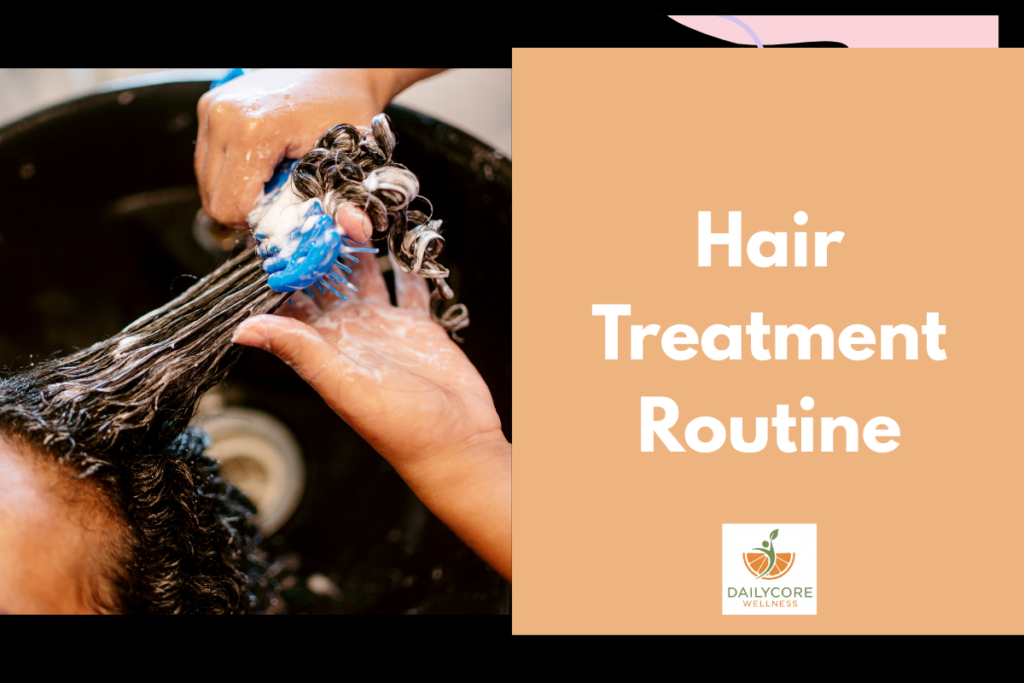
20 Expert Tips for Healthier Hair, 3rd September 2026
1. Establish a Consistent Washing Schedule
A structured washing schedule forms the foundation of an effective hair treatment routine. Washing too frequently can strip the scalp of natural oils that protect and moisturize hair, while washing too infrequently can lead to buildup that clogs hair follicles. Finding the right balance based on your hair type is essential. Individuals with oily hair may require more frequent washing, while those with dry or curly hair benefit from longer intervals between washes.
Consistency allows the scalp to regulate oil production naturally. When the scalp becomes accustomed to a predictable cleansing routine, it maintains healthier moisture levels. Additionally, using gentle shampoos formulated for your specific hair type ensures that cleansing supports hair health rather than causing unnecessary dryness or irritation. A well-maintained washing schedule helps keep both hair and scalp clean, balanced, and prepared for other treatments within the routine.
2. Incorporate Weekly Deep Conditioning
Deep conditioning is an essential component of a professional hair treatment routine because it provides intensive hydration and repair. Unlike regular conditioners that offer surface-level moisture, deep conditioners penetrate the hair shaft to restore elasticity and strengthen weakened strands. This treatment is particularly important for individuals who frequently use heat styling tools or chemical treatments.
Applying a deep conditioner once a week allows the hair to absorb vital nutrients such as proteins, vitamins, and moisturizing agents. These ingredients help repair microscopic damage within the hair structure, improving softness and manageability. Regular deep conditioning also reduces frizz and enhances shine by smoothing the hair cuticle. Over time, this practice strengthens the hair’s natural resilience, making it less prone to breakage and split ends.
3. Perform Regular Scalp Massages
Scalp massages are a powerful yet often overlooked part of an effective hair treatment routine. Gentle massage stimulates blood circulation in the scalp, which improves the delivery of oxygen and nutrients to hair follicles. This increased circulation can support stronger hair growth while promoting overall scalp health.
Regular scalp massages also help distribute natural oils evenly across the hair shaft. These oils act as a natural conditioner that protects hair from dryness and environmental damage. Performing a massage for a few minutes each day or during shampooing can significantly improve hair texture and strength over time. Additionally, scalp massages can reduce tension and stress, which are factors that may contribute to hair thinning or hair loss.
4. Use Natural Oils for Nourishment
Natural oils play a vital role in maintaining moisture and strength within a hair treatment routine. Oils such as coconut oil, argan oil, and jojoba oil contain fatty acids and antioxidants that help repair damaged hair strands while protecting them from environmental stressors. These oils penetrate the hair shaft and create a protective barrier that reduces moisture loss.
Applying a small amount of natural oil to the scalp and hair can improve shine and softness while preventing dryness. Oil treatments are particularly beneficial when applied before washing, as they protect hair from excessive moisture loss during shampooing. When used consistently, natural oils strengthen hair strands and enhance overall hair health, making them an essential element of a long-term hair care strategy.
5. Limit Heat Styling Tools
Excessive use of heat styling tools is one of the leading causes of hair damage. Blow dryers, straighteners, and curling irons can weaken the hair shaft by stripping away natural moisture and altering protein structures. Limiting heat exposure is therefore an essential part of any hair treatment routine designed to maintain long-term hair health.
When heat styling is necessary, protective measures should always be used. Applying heat protectant products creates a barrier that minimizes damage caused by high temperatures. Additionally, using lower heat settings and allowing hair to air dry whenever possible reduces stress on hair strands. Over time, reducing reliance on heat styling tools helps maintain stronger hair while preventing dryness, breakage, and split ends.
6. Trim Hair Regularly
Regular trims are a critical component of a healthy hair treatment routine because they remove damaged ends before the damage spreads further along the hair shaft. Split ends occur when the protective outer layer of the hair becomes worn, causing the strand to fray. If not addressed, split ends can lead to significant breakage and uneven hair texture.
Trimming hair every six to eight weeks helps maintain hair health and improves its overall appearance. While trimming does not directly accelerate hair growth, it prevents breakage that can make hair appear thinner and shorter. Maintaining well-trimmed ends allows hair to grow stronger and look fuller over time, making this simple practice an important long-term strategy for maintaining healthy hair.
7. Protect Hair While Sleeping
Nighttime hair care is an often-neglected aspect of a hair treatment routine. Friction between hair and rough pillowcases can cause tangling, breakage, and moisture loss. Protecting hair during sleep helps preserve the results of daytime treatments and reduces unnecessary stress on hair strands.
Using silk or satin pillowcases minimizes friction and helps hair retain its natural moisture. Additionally, loosely braiding hair or wearing a protective wrap can prevent tangling and reduce breakage. These small adjustments significantly improve hair condition over time. By protecting hair while sleeping, individuals maintain smoother strands and preserve the benefits of their hair treatment routine.
8. Maintain a Balanced Diet for Hair Health
Hair health is strongly influenced by nutrition. A comprehensive hair treatment routine should include attention to dietary habits that support strong hair growth. Hair follicles require essential nutrients such as protein, iron, biotin, and vitamins to produce healthy hair strands.
Consuming nutrient-rich foods like leafy greens, nuts, eggs, and lean proteins provides the building blocks necessary for hair growth. Hydration is equally important because water supports scalp health and maintains hair elasticity. When the body receives the nutrients it needs, hair becomes stronger, shinier, and less prone to breakage. A balanced diet, therefore, complements external treatments and enhances the effectiveness of a hair care routine.
9. Avoid Excessive Chemical Treatments
Chemical treatments such as bleaching, perming, and frequent coloring can weaken the hair structure if performed too often. These processes alter the internal bonds within the hair shaft, which can lead to dryness and increased breakage. Limiting chemical treatments is, therefore, an important step in maintaining a healthy hair treatment routine.
When chemical treatments are necessary, they should be performed by professionals and followed by intensive conditioning treatments. Allowing sufficient recovery time between treatments also helps maintain hair strength. By minimizing chemical exposure, individuals protect their hair’s natural integrity while maintaining healthier strands over time.
10. Stay Consistent with Your Routine
Consistency is the most important factor in achieving long-term results from a hair treatment routine. Even the most effective treatments will produce limited results if they are applied irregularly. Hair health improves gradually, and maintaining consistent care ensures that nutrients, moisture, and protection are continuously provided.
Establishing a routine that fits your lifestyle makes it easier to maintain over time. Regular washing, conditioning, and protective care create cumulative benefits that strengthen hair gradually. When these habits become part of a long-term routine, hair becomes more resilient, manageable, and vibrant. Consistency transforms simple hair care practices into a powerful strategy for maintaining healthy hair.
11. Choose Hair Products Based on Your Hair Type
Selecting products tailored to your specific hair type is a critical step in maintaining an effective hair treatment routine. Hair varies widely in texture, density, and moisture needs, which means that a product that works well for one person may not work for another. For example, individuals with fine hair typically benefit from lightweight conditioners and volumizing formulas, while those with thick or curly hair often require richer moisturizing products that provide deeper hydration.
Using the wrong products can lead to buildup, dryness, or excessive oiliness, all of which weaken hair over time. Carefully reviewing ingredient lists and choosing products formulated for your hair’s natural characteristics ensures that each step in your hair treatment routine delivers the intended benefits. Over time, using targeted products helps improve manageability, enhances shine, and supports stronger, healthier hair growth.
12. Apply Leave-In Conditioner for Continuous Protection
Leave-in conditioners play an important role in extending the benefits of a hair treatment routine beyond the shower. Unlike rinse-out conditioners, leave-in formulas remain on the hair throughout the day, providing ongoing hydration and protection. These products help seal moisture into the hair shaft while smoothing the cuticle, which improves softness and reduces frizz.
Leave-in conditioners also create a protective layer that shields hair from environmental stressors such as pollution, humidity, and sun exposure. When applied correctly, they enhance hair elasticity, making strands less prone to breakage during styling. Incorporating a leave-in conditioner into your routine ensures that hair remains nourished between washes. With consistent use, this step improves overall hair resilience and helps maintain healthier strands throughout daily activities.
13. Avoid Over-Brushing Your Hair
While brushing is necessary for detangling and styling, excessive brushing can damage hair strands and disrupt the natural structure of the hair shaft. Over-brushing creates friction that weakens the hair cuticle and increases the risk of breakage. As part of a balanced hair treatment routine, brushing should be performed gently and only when necessary.
Using the correct tools also makes a significant difference. Wide-tooth combs or brushes designed for detangling help minimize stress on hair strands. Starting from the ends and gradually working upward prevents unnecessary pulling and breakage. Gentle detangling methods protect hair integrity while maintaining smoothness and manageability. By reducing excessive brushing, individuals preserve the strength of their hair and support the long-term effectiveness of their hair treatment routine.
14. Protect Hair From Sun Exposure
Prolonged sun exposure can have a damaging effect on hair, much like it does on skin. Ultraviolet rays weaken the protein structure of hair strands, leading to dryness, fading color, and increased brittleness. Including sun protection in a hair treatment routine helps prevent these issues and preserves the hair’s natural strength and appearance.
Protective measures may include wearing hats, scarves, or using hair products formulated with UV filters. These strategies create a barrier that reduces the harmful impact of sunlight on the hair shaft. Additionally, maintaining proper hydration through conditioning treatments helps counteract the drying effects of heat and sunlight. Protecting hair from environmental stress ensures that the benefits of your hair treatment routine are maintained even during outdoor activities.
15. Keep Your Scalp Hydrated
Scalp hydration is an essential element of a complete hair treatment routine. A dry scalp can lead to flaking, irritation, and weakened hair follicles, all of which negatively affect hair growth and overall hair health. Maintaining adequate moisture in the scalp environment ensures that hair follicles remain active and capable of producing strong hair strands.
Hydration can be maintained through moisturizing scalp treatments, lightweight oils, and proper cleansing routines. Products containing soothing ingredients such as aloe vera or natural oils help maintain balance without clogging hair follicles. Drinking sufficient water and maintaining a balanced diet also supports scalp hydration from within. When the scalp remains properly moisturized, hair grows more consistently and appears healthier, reinforcing the effectiveness of a structured hair treatment routine.
16. Avoid Tight Hairstyles
Tight hairstyles may look appealing, but they can place excessive tension on hair roots and scalp tissues. Styles such as tight ponytails, braids, or buns can lead to traction-related hair damage if worn frequently. Over time, this tension may weaken hair follicles and contribute to breakage or hair thinning.
A healthy hair treatment routine includes choosing hairstyles that protect hair rather than strain it. Opting for looser styles reduces stress on hair roots while still maintaining a polished appearance. Alternating hairstyles also helps distribute tension more evenly across the scalp. By minimizing prolonged tension on hair follicles, individuals support stronger hair growth and prevent unnecessary damage that could undermine the effectiveness of their routine.
17. Rinse Hair With Cool Water
The temperature of the water used during hair washing can influence hair health more than many people realize. Hot water may remove dirt and oil effectively, but it can also strip the hair of its natural moisture. This leaves hair feeling dry and rough. Incorporating cooler water rinses into a hair treatment routine helps preserve the hair’s natural protective oils.
Cool water also helps close the hair cuticle after conditioning treatments. When the cuticle is sealed, hair appears smoother and reflects more light, which enhances shine. Additionally, sealed cuticles reduce moisture loss and protect hair from environmental damage. Ending your washing routine with a cool rinse is a simple but effective strategy that supports healthier, stronger hair over time.
18. Manage Stress Levels
Stress is an often underestimated factor affecting hair health. High stress levels can disrupt the natural hair growth cycle, sometimes leading to increased hair shedding or thinning. As part of a holistic hair treatment routine, managing stress contributes to healthier hair growth and improved scalp conditions.
Practices such as regular exercise, meditation, and proper sleep help regulate stress hormones that may impact hair follicles. When the body operates under balanced conditions, hair growth cycles remain stable and consistent. Although stress management may not appear directly related to hair care, it significantly influences long-term results. Supporting overall well-being, therefore, strengthens the effectiveness of external treatments within a hair treatment routine.
19. Monitor Product Buildup
Over time, styling products, conditioners, and environmental pollutants can accumulate on the scalp and hair strands. This buildup can weigh hair down, reduce shine, and block moisture from penetrating the hair shaft. Monitoring and addressing product buildup is an important step in maintaining an effective hair treatment routine.
Clarifying shampoos or gentle exfoliating treatments help remove residue and restore balance to the scalp environment. These treatments should be used periodically rather than daily to avoid excessive dryness. Removing buildup allows conditioning treatments and nourishing products to work more effectively. When the scalp and hair are free from excess residue, hair appears lighter, healthier, and more responsive to the rest of the routine.
20. Adjust Your Routine Seasonally
Environmental conditions change throughout the year, and these changes affect hair health. Dry winter air can reduce moisture levels, while hot and humid weather may increase oil production and frizz. Adjusting your hair treatment routine based on seasonal conditions helps maintain balance and protect hair from environmental stress.
During colder months, heavier conditioning treatments and protective styles help prevent dryness and breakage. In warmer months, lighter products and more frequent cleansing may be beneficial to manage oil and sweat. Recognizing these seasonal shifts allows individuals to tailor their routine for optimal results. Adapting your hair treatment routine throughout the year ensures that hair remains healthy, resilient, and well-protected regardless of changing environmental conditions.
Conclusion
Consistency plays a central role in the success of any hair treatment routine. Each step, from regular cleansing and conditioning to protective practices and proper nutrition, contributes to overall hair health. When these practices are maintained regularly, they prevent damage before it occurs and gradually strengthen the hair’s natural structure.
Long-term commitment to a hair treatment routine also allows individuals to better understand their hair’s unique needs. Hair types, environmental factors, and lifestyle habits all influence hair condition. By maintaining a consistent routine, individuals can make informed adjustments that support continued improvement and lasting hair health.
Ultimately, healthy hair is the result of patience, dedication, and consistent care. A reliable hair treatment routine builds strength gradually, improves hair texture, and promotes sustainable growth. By focusing on long-term habits rather than temporary fixes, individuals can achieve hair that remains healthy, vibrant, and resilient for years to come.
Share this:
- Share on Facebook (Opens in new window) Facebook
- Share on X (Opens in new window) X
- Share on WhatsApp (Opens in new window) WhatsApp
- Share on Threads (Opens in new window) Threads
- Share on LinkedIn (Opens in new window) LinkedIn
- Share on Telegram (Opens in new window) Telegram
- Email a link to a friend (Opens in new window) Email
- Share on Pinterest (Opens in new window) Pinterest