10 personal hygiene practices form the foundation of a healthy and productive lifestyle. Maintaining proper hygiene is not only essential for physical health but also plays a significant role in confidence, social interaction, and overall well-being. These daily habits help prevent the spread of harmful bacteria, reduce the risk of infections, and promote a clean and balanced lifestyle.
Incorporating 10 personal hygiene practices into your routine ensures that your body remains protected from environmental contaminants and internal imbalances. Many health issues, including skin conditions, infections, and oral diseases, can be prevented through consistent hygiene habits. This makes hygiene a critical component of both preventive health care and fitness.
Another key benefit of following 10 personal hygiene practices is improved discipline and routine structure. Consistency in hygiene reflects a commitment to self-care, which often translates into better lifestyle choices such as proper nutrition, regular exercise, and mental wellness. These practices are interconnected and contribute to overall health.
This guide outlines essential hygiene practices, their importance, and how to implement them effectively. By maintaining consistency and attention to detail, individuals can achieve long-term health benefits and improved quality of life.
Importance of Personal Hygiene in Health and Fitness
10 personal hygiene practices are essential for maintaining a strong and healthy body. Proper hygiene reduces the risk of infections by eliminating harmful microorganisms that accumulate on the skin, hands, and other parts of the body. This is particularly important in fitness environments where sweat and shared equipment can increase exposure to bacteria. Maintaining cleanliness helps prevent skin infections, body odor, and other hygiene-related issues.
In addition to physical health, hygiene plays a crucial role in supporting fitness performance. A clean body promotes better comfort during exercise, reduces the risk of irritation, and helps regulate body temperature. Hygiene also contributes to faster recovery by preventing infections that could delay progress. For individuals engaged in regular physical activity, maintaining hygiene is not optional but necessary for consistent performance and long-term success.
Furthermore, good hygiene habits positively impact mental well-being. Feeling clean and fresh boosts confidence and motivation, which can improve adherence to fitness routines. This connection between hygiene and mental health reinforces the importance of maintaining consistent daily practices.
Building a Consistent Personal Hygiene Routine
Establishing 10 personal hygiene practices as part of your daily routine requires structure and consistency. A well-organized routine ensures that all aspects of hygiene are addressed without being overwhelming. Starting with basic habits such as handwashing, bathing, and oral care creates a strong foundation. Over time, these habits become automatic and require less effort to maintain.
Consistency is the most important factor in achieving long-term results. Performing hygiene practices regularly ensures that the body remains clean and protected. Skipping these habits can lead to the accumulation of bacteria and increase the risk of health issues. Developing a schedule that aligns with your daily activities helps reinforce these practices and ensures they are not overlooked.
It is also important to use appropriate products and techniques for each hygiene practice. Choosing gentle, effective products helps maintain the natural balance of the skin and body. Combining proper techniques with consistent habits leads to better results and supports overall health. By integrating these practices into your lifestyle, you can maintain cleanliness and prevent potential health issues.
10 Personal Hygiene Practices for Daily Health, 4th September 2026
1. Wash Hands Regularly
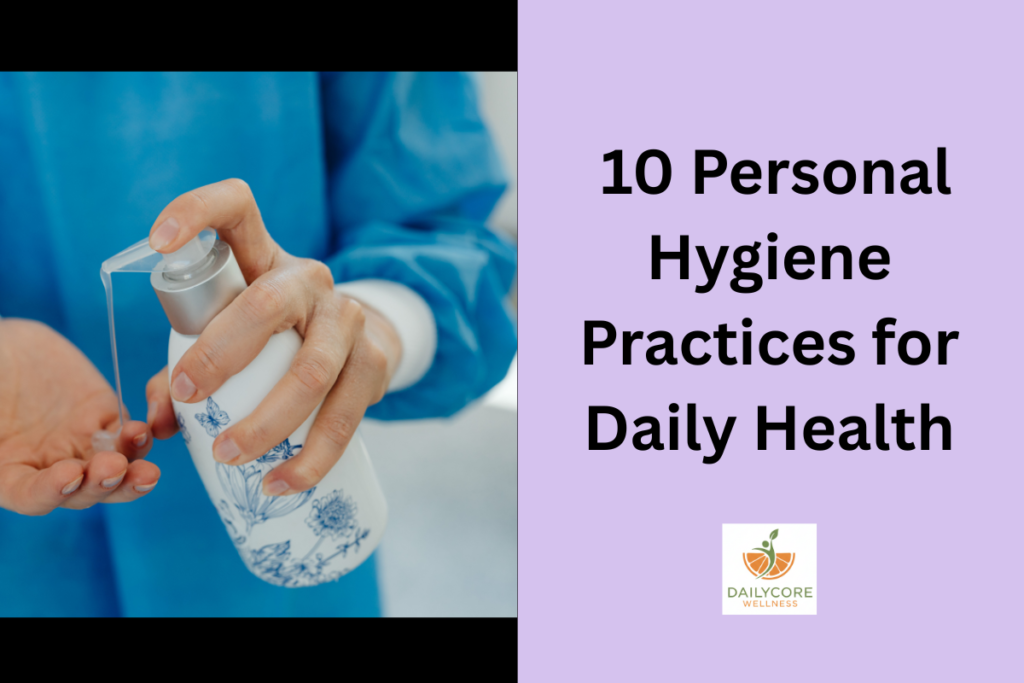
Handwashing is one of the most critical components of 10 personal hygiene practices. Hands are constantly exposed to surfaces that harbor bacteria and viruses, making them a primary source of contamination. Washing hands thoroughly with soap and water for at least 20 seconds helps remove these harmful microorganisms. This practice is especially important before eating, after using the restroom, and after contact with public surfaces. Consistent handwashing reduces the risk of infections and prevents the spread of illness. It also promotes overall health by minimizing exposure to harmful pathogens, making it an essential daily habit.
2. Maintain Daily Bathing Routine
Bathing daily is essential for removing dirt, sweat, and bacteria that accumulate on the skin. This practice helps maintain cleanliness, prevent body odor, and reduce the risk of skin infections. Using mild soap and clean water ensures that the skin is properly cleansed without causing irritation or dryness. Bathing is particularly important after physical activity, as sweat can create an environment for bacterial growth. Consistent bathing supports skin health and enhances overall comfort, making it a key component of personal hygiene.
3. Practice Oral Hygiene
Oral hygiene is a vital part of maintaining overall health. Brushing teeth at least twice a day and flossing regularly helps remove plaque and food particles that can lead to cavities and gum disease. Using mouthwash provides additional protection against bacteria and bad breath. Consistent oral care not only preserves dental health but also contributes to better digestion and overall wellness. Maintaining good oral hygiene is essential for long-term health and confidence.
4. Keep Nails Clean and Trimmed
Clean and trimmed nails prevent the buildup of dirt and bacteria that can lead to infections. Long or unclean nails can harbor harmful microorganisms, increasing the risk of illness. Regular trimming and cleaning help maintain hygiene and reduce the likelihood of nail-related issues. Proper nail care also contributes to a neat and professional appearance. Incorporating this practice into your routine ensures better overall hygiene and health.
5. Wear Clean Clothes
Wearing clean clothes is essential for maintaining hygiene and preventing skin irritation. Clothes absorb sweat and bacteria throughout the day, which can lead to unpleasant odors and skin issues. Changing into fresh clothing regularly helps maintain cleanliness and comfort. Proper laundering ensures that clothes are free from harmful microorganisms. This practice supports overall hygiene and enhances confidence.
6. Maintain Hair Hygiene
7. Practice Proper Foot Care
Foot hygiene is often overlooked but is essential for preventing infections and odor. Washing feet daily, drying them thoroughly, and wearing clean socks help maintain cleanliness. Proper foot care prevents conditions such as fungal infections and promotes overall comfort. This practice is particularly important for individuals who engage in physical activity. Maintaining foot hygiene supports overall health.
8. Use Deodorant or Antiperspirant
Using deodorant or antiperspirant helps control body odor caused by bacteria breaking down sweat. Applying these products after bathing enhances their effectiveness. This practice keeps the body fresh and improves confidence throughout the day. Maintaining freshness is an important aspect of personal hygiene and social interaction.
9. Cover Mouth When Coughing or Sneezing
Covering the mouth and nose when coughing or sneezing helps prevent the spread of germs. Using a tissue or elbow reduces the risk of transmitting infections to others. Proper disposal of tissues and handwashing afterward further enhances hygiene. This practice is essential for maintaining public health and preventing illness.
10. Maintain Clean Living Environment
A clean environment supports personal hygiene and overall health. Regular cleaning of living spaces reduces exposure to dust, bacteria, and allergens. Keeping surfaces and personal items clean ensures a hygienic environment. This practice complements personal hygiene habits and promotes overall well-being.
Final Thoughts
10 personal hygiene practices are essential for maintaining a healthy and balanced lifestyle. These habits not only protect against infections but also improve overall well-being and confidence. By incorporating these practices into daily routines, individuals can achieve better health outcomes and a higher quality of life.
Consistency is the key to success in personal hygiene. Regularly practicing these habits ensures that the body remains clean and protected. Skipping hygiene practices can lead to the buildup of harmful bacteria and increase the risk of illness.
It is important to view hygiene as a long-term commitment rather than a temporary effort. Sustainable habits lead to lasting benefits and support overall health and fitness goals. Maintaining discipline in these practices ensures continuous improvement.
Ultimately, following 10 personal hygiene practices consistently leads to long-term health, improved confidence, and a better quality of life.