Sleep apnea can make getting a good night’s sleep difficult because breathing may repeatedly stop or become restricted during sleep. People with sleep apnea may experience loud snoring, gasping, frequent nighttime awakenings, dry mouth, morning headaches, and daytime tiredness. Because sleep quality can be affected even when you spend enough time in bed, developing healthy sleep habits is an important part of managing the condition.
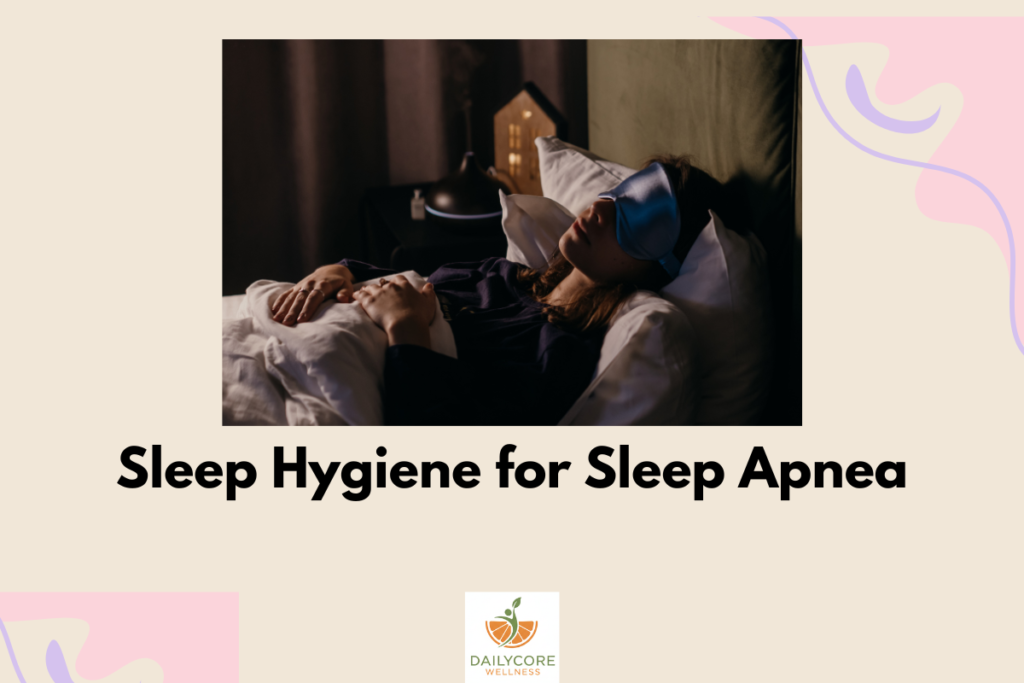
Sleep hygiene for sleep apnea refers to habits and environmental changes that help create better conditions for sleep while supporting your overall sleep routine. These habits include maintaining a regular bedtime, keeping the bedroom comfortable, avoiding alcohol close to bedtime, limiting caffeine late in the day, staying physically active, and using prescribed sleep apnea treatment correctly. The National Heart, Lung, and Blood Institute recommends healthy sleeping habits alongside other lifestyle changes for people with sleep apnea.
However, sleep hygiene should not be considered a cure for sleep apnea. Obstructive sleep apnea can cause repeated airway obstruction during sleep, and moderate or severe cases may require treatments such as positive airway pressure therapy, an oral appliance, or other medical approaches. CPAP and other PAP devices work by helping keep the airway open during sleep.
Improving your nighttime habits can still be valuable. A predictable sleep schedule and comfortable sleep environment may make it easier to get adequate rest, while following your prescribed treatment can help address the breathing interruptions associated with sleep apnea.
What Is Sleep Hygiene for Sleep Apnea?
Sleep hygiene is a collection of habits that support healthy and restorative sleep.
For someone with sleep apnea, sleep hygiene involves more than simply going to bed early. It includes maintaining a regular sleep schedule, creating a sleep-friendly bedroom, limiting substances that can interfere with sleep or breathing, managing evening routines, and using prescribed sleep apnea equipment correctly.
Good sleep hygiene may help you sleep more comfortably, but it does not physically eliminate airway obstruction caused by obstructive sleep apnea.
The distinction is important because someone with sleep apnea may spend eight hours in bed but still experience repeated breathing interruptions throughout the night.
Healthy sleep habits should therefore be used alongside appropriate treatment rather than instead of it.
The NHLBI recommends healthy sleeping habits, regular physical activity, maintaining a healthy weight when appropriate, limiting alcohol and caffeine, and quitting smoking as lifestyle measures that can support sleep apnea management.
Why Is Sleep Hygiene Important for Sleep Apnea?
People with sleep apnea may already have disrupted sleep because breathing repeatedly stops or becomes restricted.
Sleep apnea can be associated with daytime sleepiness, fatigue, difficulty concentrating, headaches, dry mouth, and repeated nighttime awakenings.
Poor sleep habits may add another layer of difficulty.
For example, drinking caffeine late in the day may make it harder to fall asleep, while an inconsistent bedtime may make your sleep schedule less predictable. Alcohol close to bedtime may also interfere with sleep and can worsen breathing-related problems in people with obstructive sleep apnea.
A healthy sleep routine cannot replace treatment, but it can create better conditions for sleep.
For people using CPAP or another PAP device, good sleep hygiene can also make it easier to establish a predictable nighttime routine around treatment.
15 Sleep Hygiene Tips for Sleep Apnea
1. Keep a Consistent Sleep Schedule
Try to go to bed and wake up at approximately the same time each day.
Your body has an internal timing system that helps regulate periods of wakefulness and sleep. Frequently changing your bedtime or sleeping late on some days can make your sleep schedule less predictable.
A regular schedule can also help you establish a bedtime routine around your sleep apnea treatment.
For example, if you use CPAP, putting on your mask becomes part of the same sequence every night: relaxing, preparing your bedroom, putting on your equipment, and going to sleep.
You do not need to make your schedule perfect. The goal is to establish a reasonably predictable pattern that gives you enough opportunity to sleep.
The NHLBI recommends going to sleep and waking around the same time each day, including weekends when possible.
2. Give Yourself Enough Time to Sleep
Sleep hygiene begins with allowing enough time for sleep.
Adults generally need around 7–9 hours of sleep per day, although individual needs vary.
If you regularly stay up late and wake early for work or school, you may not be giving your body enough time to recover.
Sleep apnea can already interfere with sleep quality, so deliberately reducing your available sleep time may leave you feeling even more tired during the day.
Set a bedtime that gives you enough opportunity to sleep before your required wake-up time.
If you use an alarm, consider working backward from your morning schedule to establish a realistic bedtime.
3. Sleep on Your Side if Recommended
Sleep position can matter for some people with obstructive sleep apnea.
For certain individuals, sleeping on the back can make airway obstruction worse. Sleeping on the side may help keep the airway more open.
The NHLBI notes that healthcare providers may recommend side sleeping because it can help keep the airway open.
However, not everyone has the same type or severity of sleep apnea.
Do not assume that changing position is enough to treat the condition.
If your healthcare provider has recommended positional therapy, follow their instructions. If you use CPAP, continue using it as prescribed even when sleeping on your side.
4. Use Your CPAP Every Time You Sleep
If CPAP has been prescribed for your sleep apnea, using it correctly is one of the most important nighttime habits.
The NHLBI recommends using your PAP machine every time you sleep, including naps and when traveling.
Try to make CPAP part of your normal bedtime routine instead of treating it as an optional device.
If the mask feels uncomfortable, leaks air, causes dryness, or makes you feel claustrophobic, talk to your healthcare provider.
You may need a different mask, humidification, pressure adjustment, or another approach.
Do not change prescribed pressure settings on your own.
5. Keep Your Bedroom Cool, Quiet, and Dark
Your bedroom environment can affect how easily you fall asleep and how well you remain asleep.
A sleep-friendly bedroom should generally be comfortable, quiet, dark, and cool.
Consider using curtains or blinds to reduce outside light. If noise is a problem, you might use earplugs or another appropriate method of reducing sound.
Remove unnecessary sources of light from electronic devices and avoid leaving a television playing throughout the night if it disrupts your sleep.
The NHLBI recommends keeping the bedroom quiet, cool, and dark as part of healthy sleep habits.
6. Avoid Alcohol Close to Bedtime
Alcohol deserves particular attention when discussing sleep hygiene for sleep apnea.
Although alcohol can make some people feel sleepy, it can produce lighter, less restorative sleep and increase nighttime waking. More importantly for people with obstructive sleep apnea, alcohol can relax muscles in the upper airway and contribute to airway narrowing or collapse.
If you have sleep apnea, discuss alcohol use with your healthcare professional.
Avoiding alcohol near bedtime is a practical step that may support both sleep quality and breathing during sleep.
7. Limit Caffeine in the Afternoon and Evening
Caffeine can make it harder to fall asleep when consumed too close to bedtime.
Coffee is the most obvious source, but caffeine can also be present in tea, energy drinks, cola, chocolate, and certain medications or supplements.
If you regularly struggle to fall asleep, examine when you consume caffeine.
Some people are more sensitive to caffeine than others, so the ideal cutoff time may vary.
The NHLBI recommends avoiding caffeine close to bedtime as part of healthy sleep habits.
8. Avoid Smoking
Smoking can negatively affect the airways and is associated with an increased risk of obstructive sleep apnea.
Tobacco smoke can irritate the upper airway, potentially contributing to inflammation and breathing problems.
If you smoke and have sleep apnea, quitting can provide important health benefits beyond sleep.
If quitting is difficult, speak with a healthcare professional about evidence-based smoking cessation support.
Avoiding smoking around bedtime may also help reduce exposure to irritating smoke before sleep.
9. Exercise During the Day
Regular physical activity can support overall health and healthy sleep.
Exercise may also be part of lifestyle management for obstructive sleep apnea, particularly when combined with other healthy habits.
The NHLBI recommends regular physical activity as one of the lifestyle measures that may help people with sleep apnea.
Try to remain physically active during the day according to your abilities and healthcare needs.
If exercising very close to bedtime makes you feel more alert, move your workout earlier.
You do not need an extreme exercise program. Walking, cycling, swimming, strength training, or other activities that you can safely perform can contribute to a healthier lifestyle.
10. Avoid Large Meals Before Bed
Eating a very large meal immediately before going to sleep can make you feel uncomfortable.
It may also contribute to reflux symptoms in some people.
Try to finish larger meals a few hours before bedtime when possible.
The NHLBI recommends avoiding heavy or large meals close to bedtime as part of healthy sleep habits.
If you need a snack later in the evening, choose an amount that is comfortable for you rather than eating a very large meal immediately before lying down.
11. Limit Long Afternoon Naps
A long afternoon nap can reduce the amount of sleep pressure you build before bedtime.
This may make it harder to fall asleep at your normal bedtime.
For people with sleep apnea who already experience daytime sleepiness, naps can sometimes feel necessary. However, if naps are making nighttime sleep more difficult, consider discussing your sleepiness with a healthcare professional.
The NHLBI recommends avoiding naps, particularly in the afternoon, when they interfere with nighttime sleep.
Most importantly, excessive daytime sleepiness should not simply be treated by taking more naps without addressing whether your sleep apnea is adequately controlled.
12. Create a Relaxing Bedtime Routine
Give yourself some quiet time before going to bed.
You could read a book, listen to calm music, practice relaxation techniques, take a warm bath, or perform gentle stretching.
The goal is to move gradually from daytime activity into a calmer state.
Avoid using the final part of your evening for stressful work whenever possible.
A relaxing routine can also help you remember important sleep apnea steps, such as cleaning your CPAP equipment according to instructions, preparing your mask, and making your bedroom comfortable.
13. Reduce Bright Light and Screens at Night
Bright artificial light in the evening can interfere with your normal sleep-wake rhythm.
Phones, tablets, televisions, computers, and other screens can also keep your mind active when you should be preparing for sleep.
Consider dimming the lights in the evening and putting electronic devices away before bed.
If you need your phone nearby for safety or another important reason, reduce unnecessary notifications and avoid stimulating content.
The NHLBI recommends avoiding television and electronic devices as part of creating healthy sleep habits.
14. Keep Your CPAP Equipment Clean
Good sleep hygiene also includes caring for your sleep apnea equipment.
A mask that does not fit properly may leak air and make treatment uncomfortable.
The NHLBI recommends learning how to properly clean and maintain PAP equipment and replacing components such as masks, tubing, and filters according to the appropriate schedule.
If you experience dry mouth, nasal congestion, irritation, or mask problems, contact your healthcare provider.
Do not simply stop using your CPAP because of discomfort without discussing the problem with your provider.
A different mask or adjustment may make treatment easier to tolerate.
15. Maintain a Healthy Weight if Appropriate
Weight is one factor associated with obstructive sleep apnea.
Excess body weight can contribute to fat deposits around the neck and upper airway, which may increase the likelihood of airway obstruction during sleep.
If you have overweight or obesity, gradual weight management may be part of your overall sleep apnea treatment plan.
However, weight is not the only cause of sleep apnea, and people at any body size can develop the condition.
Do not stop CPAP or another prescribed treatment because of weight loss unless your healthcare professional confirms that your treatment needs have changed.
Sleep Hygiene and CPAP: How to Build a Better Routine
If you use CPAP, create a simple routine that you can repeat each night.
For example:
1. One hour before bed: Begin reducing bright light and stimulating activities.
2. Prepare your bedroom: Keep the room comfortable, quiet, and dark.
3. Prepare your equipment: Make sure your mask, tubing, and machine are ready.
4. Clean as recommended: Follow the manufacturer’s and healthcare provider’s instructions for cleaning.
5. Put on your mask: Make sure it fits properly and does not leak excessively.
6. Go to sleep: Use the machine whenever you sleep, including naps if prescribed.
If CPAP causes discomfort, do not simply abandon treatment. Your healthcare provider can help address problems such as mask leaks, congestion, dry mouth, nasal symptoms, or difficulty adjusting to the device.
Does Sleeping Position Help Sleep Apnea?
Sleeping position can help some people with obstructive sleep apnea.
For many people, sleeping on the back can allow the tongue and other tissues to move backward and contribute to airway obstruction. Side sleeping may reduce this effect.
However, positional therapy is not appropriate as the only treatment for everyone.
Your sleep apnea severity, type, symptoms, and treatment plan all matter.
If your healthcare provider recommends side sleeping, you can make it easier by using a pillow that supports your body comfortably or another positional strategy recommended by your provider.
If you have been prescribed CPAP, continue using it as directed.
What Should You Avoid Before Bed if You Have Sleep Apnea?
Several habits may make nighttime sleep or breathing more difficult.
Try to avoid:
- Alcohol close to bedtime
- Caffeine late in the day
- Smoking
- Heavy meals immediately before bed
- Long afternoon naps
- Bright screens immediately before sleep
- Irregular bedtimes
- Unnecessary sedating medicines or supplements
Do not stop prescribed medicines without speaking with your healthcare professional.
Some medications can affect sleep or breathing, so tell your healthcare provider about all medicines, supplements, and substances you use.
Can Sleep Hygiene Cure Sleep Apnea?
No. Sleep hygiene alone should not be considered a cure for sleep apnea.
Sleep hygiene focuses on creating healthy conditions for sleep, while sleep apnea treatment is designed to address the underlying breathing problem.
For obstructive sleep apnea, treatments can include PAP therapy, oral appliances, positional approaches, lifestyle changes, and, in selected cases, surgery or other treatments.
CPAP is a common treatment because it provides air pressure that helps keep the airway open during sleep.
If you have been diagnosed with moderate or severe sleep apnea, do not replace prescribed treatment with sleep hygiene alone.
Sleep Hygiene for Sleep Apnea and Weight Loss
Weight management may be recommended for some people with obstructive sleep apnea, particularly when excess weight contributes to airway obstruction.
A healthy eating pattern and regular physical activity can support weight management and overall health.
However, weight loss does not guarantee that sleep apnea will disappear.
If you lose a substantial amount of weight after starting treatment, tell your healthcare provider. Your treatment needs may need to be reassessed.
Signs Your Sleep Apnea May Not Be Well Controlled
Pay attention to symptoms that continue despite treatment.
These may include:
- Persistent loud snoring
- Waking up gasping or choking
- Frequent nighttime awakenings
- Excessive daytime sleepiness
- Morning headaches
- Dry mouth
- Difficulty concentrating
- Persistent fatigue
- Problems tolerating your CPAP mask
- Significant mask air leaks
Sleep apnea symptoms can vary between individuals.
If symptoms continue, speak with your healthcare provider. Your treatment may need adjustment, or another sleep-related condition may need to be evaluated.
When Should You See a Doctor About Sleep Apnea?
You should speak with a healthcare professional if you regularly snore loudly, wake up gasping or choking, experience excessive daytime sleepiness, or have repeated breathing interruptions during sleep.
A healthcare professional may recommend a sleep study to determine whether you have sleep apnea and identify the type and severity.
If you already have a diagnosis, regular follow-up is important to make sure your treatment is working properly.
Daytime sleepiness deserves particular attention. Untreated sleep apnea can impair concentration, memory, decision-making, and alertness. If you feel sleepy while driving, do not drive until you are alert and able to drive safely.
Simple Nighttime Routine for Someone With Sleep Apnea
A practical evening routine might look like this:
7:00 p.m.: Finish dinner or avoid another heavy meal.
8:00 p.m.: Reduce stimulating activities and bright light.
8:30 p.m.: Prepare clothing, bedroom, and CPAP equipment for the night.
9:00 p.m.: Take time to relax with reading, gentle stretching, quiet music, or another calming activity.
9:30 p.m.: Prepare your CPAP mask and equipment.
10:00 p.m.: Go to bed and use your prescribed sleep apnea treatment.
This is only an example. Your ideal bedtime should fit your work schedule, lifestyle, age, health needs, and recommended sleep duration.
The most important part is developing a predictable routine that you can maintain.
Frequently Asked Questions About Sleep Hygiene for Sleep Apnea
Does sleep hygiene help sleep apnea?
Healthy sleep habits can support better sleep and may complement sleep apnea treatment, but sleep hygiene does not cure airway obstruction. Medical treatment may still be necessary.
Is it better to sleep on your side with sleep apnea?
Side sleeping may help some people with obstructive sleep apnea because back sleeping can worsen airway obstruction. Follow your healthcare provider’s recommendation for your particular condition.
Should I use CPAP every night?
If CPAP has been prescribed for your sleep apnea, it should generally be used every time you sleep, including naps, according to your treatment plan.
Can alcohol make sleep apnea worse?
Alcohol can relax the muscles of the upper airway and may increase the likelihood of airway obstruction in people with obstructive sleep apnea. Avoiding alcohol close to bedtime may be beneficial.
Can I take sleeping pills if I have sleep apnea?
Do not start sleeping pills, sedatives, or sleep supplements without discussing them with your healthcare professional. Some substances can affect breathing or interact with other medicines.
Can weight loss improve sleep apnea?
For people whose obstructive sleep apnea is related partly to excess weight, weight loss may improve symptoms. However, sleep apnea can occur at any body size and weight loss does not necessarily eliminate the condition.
Why am I still tired even though I use CPAP?
Persistent tiredness may have several causes, including inadequate sleep duration, problems with CPAP use or mask fit, another sleep disorder, medications, or other health conditions. Speak with your healthcare provider if daytime sleepiness continues.
Can I nap if I have sleep apnea?
Naps may be appropriate for some people, but excessive or late naps can interfere with nighttime sleep. If you regularly need long naps because of daytime sleepiness, discuss this with your healthcare provider.
Final Thoughts on Sleep Hygiene for Sleep Apnea
Sleep hygiene for sleep apnea is about creating healthy conditions for better nighttime rest while following appropriate treatment for the breathing disorder. A regular sleep schedule, comfortable bedroom, daytime physical activity, reduced caffeine, limited alcohol, and a relaxing bedtime routine can all support healthier sleep habits.
Sleep position may also matter for some people. Side sleeping can help reduce airway obstruction in certain individuals, while back sleeping may worsen symptoms. However, positioning should not be viewed as a replacement for prescribed treatment.
If you use CPAP, make it a normal part of your bedtime routine and use it whenever you sleep as directed. Problems such as mask leaks, congestion, dry mouth, or discomfort should be discussed with your healthcare provider rather than causing you to abandon treatment.
Most importantly, remember that sleep hygiene and sleep apnea treatment work at different levels. Healthy habits can improve your sleep environment and daily routine, while medical treatment addresses the underlying breathing problem. If you continue to snore loudly, wake gasping, experience excessive daytime sleepiness, or have other persistent symptoms, seek professional evaluation.
Disclaimer: This article is for general educational purposes only and is not a substitute for medical diagnosis, treatment, or professional advice. If you have suspected or diagnosed sleep apnea, speak with a qualified healthcare professional about the most appropriate treatment for your condition.