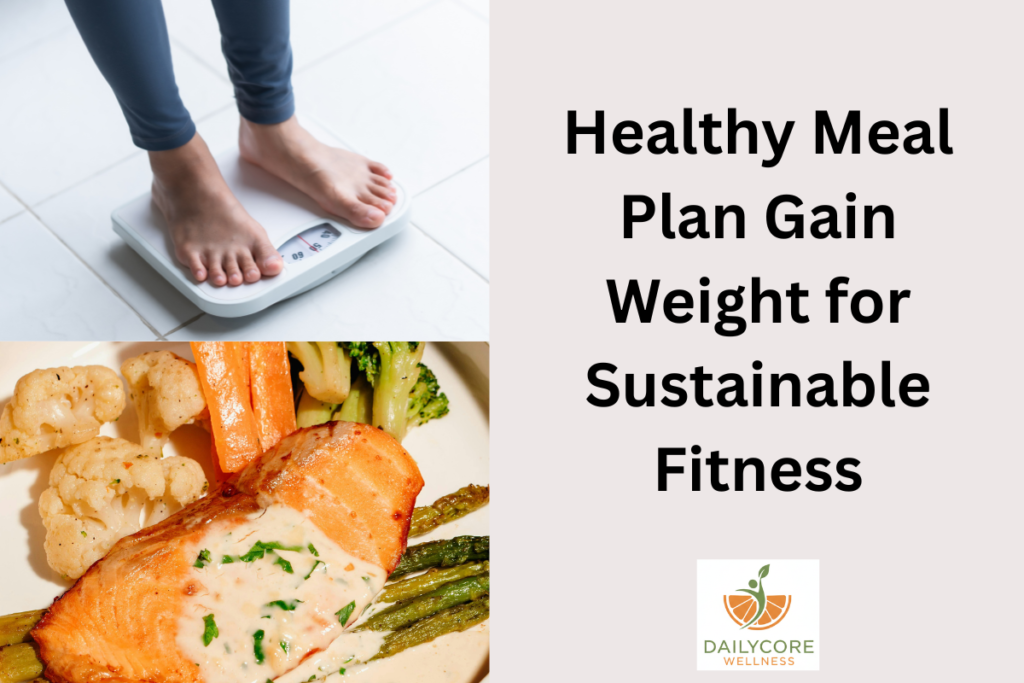
Healthy meal plan gain weight strategies are essential for individuals who struggle to add healthy mass in a sustainable and balanced way. Gaining weight is not simply about eating more food. It requires a structured approach that focuses on nutrient density, muscle support, and steady calorie increases. When done properly, a healthy weight gain plan improves strength, energy levels, and overall physical resilience without promoting excess fat gain.
Many people who want to gain weight face challenges such as low appetite, fast metabolism, busy schedules, or inconsistent eating habits. Simply relying on junk food or random high-calorie snacks often leads to digestive discomfort, low-quality weight gain, and poor long-term results. Without structure, efforts to gain weight can feel frustrating and unpredictable.
The key is building a system. A healthy weight gain meal plan creates a repeatable daily structure that ensures adequate calories, balanced macronutrients, and consistent meal timing. By focusing on calorie-dense whole foods, balanced portions, and planned snacks, you remove guesswork and create steady progress over time.
Most importantly, this approach is flexible and realistic. You do not need extreme overeating or complicated recipes. With simple, repeatable meals and gradual adjustments, healthy weight gain becomes manageable and sustainable for the long term.
Build a Calorie-Dense Balanced Foundation
Healthy weight gain starts with increasing calories strategically, not randomly. Each meal should combine complex carbohydrates, quality protein, and healthy fats to maximize both calorie intake and nutritional value. Whole grains, lean meats, dairy, legumes, nuts, seeds, and healthy oils provide concentrated energy while supporting muscle growth and recovery.
Protein is especially important because weight gain should prioritize lean muscle development. Including protein at every meal helps stimulate muscle repair, especially when paired with resistance training. Foods such as eggs, chicken, salmon, Greek yogurt, tofu, and beans create a strong foundation for steady growth.
Healthy fats are also essential because they provide more calories per gram than carbohydrates or protein. Adding olive oil to vegetables, nut butter to smoothies, avocado to meals, or seeds to oatmeal increases energy intake without requiring large food volumes.
Structure Meals and Snacks for Consistency
Meal timing plays a major role in successful weight gain. Eating three structured meals plus two to three snacks daily ensures a consistent calorie surplus. Long gaps between meals often reduce overall intake, especially for individuals with smaller appetites.
Breakfast should never be skipped. Starting the day with a calorie-dense meal such as oatmeal with nuts and milk, eggs with whole grain toast, or a protein smoothie sets the tone for higher daily intake. Early calories make it easier to reach your targets by evening.
Planning snacks is equally important. Nutrient-dense options such as trail mix, yogurt with granola, peanut butter sandwiches, cheese and crackers, or protein shakes help increase total intake without excessive fullness. Structured snacking turns weight gain into a predictable system rather than a guessing game.
Focus on Strength and Long-Term Sustainability
Healthy weight gain is most effective when paired with strength training. Resistance exercises signal the body to use extra calories for muscle growth instead of storing them primarily as fat. A balanced meal plan supports recovery and enhances physical performance.
Hydration and sleep should not be overlooked. Muscle growth and tissue repair occur during rest. Ensuring adequate sleep and consistent hydration improves nutrient utilization and supports steady progress.
Finally, patience is critical. Rapid weight gain often leads to unnecessary fat accumulation. A gradual increase of 250–500 calories per day above maintenance typically produces steady, sustainable results. Monitoring progress weekly and adjusting portions slowly helps maintain balance and long-term success.
30 Healthy Meal Plan Gain Weight for Sustainable Fitness, 5th September 2026
1. High-Calorie Balanced Breakfast Plan
Starting your day with a calorie-dense, balanced breakfast sets the foundation for healthy weight gain. This meal plan includes scrambled eggs cooked in olive oil, whole grain toast with avocado, a bowl of oatmeal made with whole milk, and a side of fruit. The combination of protein, complex carbohydrates, and healthy fats ensures sustained energy and muscle support. Including calorie-rich liquids such as a glass of milk or a smoothie further increases intake without excessive fullness. Eating a structured, substantial breakfast daily prevents missed calorie opportunities and makes it easier to maintain a consistent surplus needed for gradual, healthy weight gain.
2. Protein-Packed Muscle Growth Plan
This meal plan prioritizes high-quality protein sources at every meal to support lean mass development. Breakfast may include Greek yogurt with nuts and honey, lunch grilled chicken with brown rice and vegetables, and dinner salmon with quinoa and roasted vegetables. Snacks such as cottage cheese or protein smoothies add additional intake. Spacing protein evenly across meals improves muscle protein synthesis throughout the day. Combined with resistance training, this structured approach encourages weight gain that favors muscle instead of excess fat. Consistency in protein intake and balanced portions ensures steady progress over time.
3. Calorie-Dense Smoothie Support Plan
For individuals with lower appetite, liquid calories are an effective strategy. This plan incorporates one to two high-calorie smoothies daily made with whole milk, banana, peanut butter, oats, protein powder, and seeds. These smoothies complement balanced meals such as eggs and toast for breakfast or rice bowls with lean meat for dinner. Liquid nutrition reduces the feeling of fullness while significantly increasing total calorie intake. Preparing smoothies in advance makes adherence easier during busy days. This method supports gradual weight gain without requiring extremely large food portions.
4. Whole Food Weight Gain Structure Plan
This plan focuses on increasing calories through whole, minimally processed foods rather than relying on junk food. Meals include oatmeal with nuts, grilled steak with sweet potatoes, lentil soup with whole grain bread, and snacks like trail mix or yogurt with granola. Healthy fats from olive oil and avocado are added generously. The emphasis is on nutrient density to ensure vitamins and minerals support metabolic health while calories increase. This structured approach promotes balanced weight gain and sustained energy rather than digestive discomfort or fatigue caused by poor-quality foods.
5. Frequent Meal Timing Plan
Eating every three to four hours helps maximize calorie intake without overwhelming digestion. This plan includes three main meals and three structured snacks daily. Breakfast might include eggs and toast, mid-morning yogurt with nuts, lunch chicken and rice, afternoon peanut butter sandwich, dinner salmon with potatoes, and an evening smoothie. Consistent timing prevents skipped meals and stabilizes energy levels. Frequent, moderate portions are often easier to manage than extremely large meals. Over time, this rhythm creates a reliable calorie surplus that supports gradual and sustainable weight gain.
6. Healthy Fat Enrichment Plan
This meal plan strategically increases healthy fats to boost calorie intake efficiently. Each meal includes additions such as olive oil drizzled on vegetables, avocado slices in sandwiches, nuts sprinkled on salads, and nut butter mixed into oatmeal. Meals remain balanced with protein and carbohydrates, but fats elevate total energy intake without drastically increasing volume. Because fats are calorie-dense, small additions significantly impact daily totals. This method is especially helpful for individuals who feel full quickly. Consistent use of healthy fats supports steady weight gain while maintaining cardiovascular health.
7. Strength Training Support Plan
Designed for individuals actively lifting weights, this plan emphasizes post-workout nutrition. Breakfast may include oatmeal with whey protein, lunch lean beef with rice, and dinner grilled chicken with pasta and vegetables. A post-workout shake containing protein and carbohydrates accelerates recovery. Adequate carbohydrate intake replenishes glycogen stores, while protein supports muscle repair. Pairing structured meals with resistance training directs excess calories toward lean mass development. This approach ensures weight gain enhances strength and performance rather than simply increasing body fat.
8. High-Carbohydrate Energy Plan
Carbohydrates are the body’s primary energy source and essential for healthy weight gain. This plan includes whole grain pancakes with nut butter, rice bowls with chicken and vegetables, whole wheat pasta with meat sauce, and snacks like granola bars or dried fruit. Pairing carbohydrates with protein improves muscle-building potential. Complex carbohydrates provide steady energy and prevent fatigue during training. Increasing carbohydrate portions gradually allows the body to adapt comfortably. This plan supports active individuals who require higher energy intake to gain weight effectively.
9. Dairy-Enhanced Calorie Plan
Full-fat dairy products can significantly increase calorie intake in a balanced way. This plan incorporates whole milk, cheese, Greek yogurt, and cottage cheese across meals. Breakfast might include yogurt with granola, lunch a turkey and cheese sandwich, and dinner creamy mashed potatoes with grilled protein. Dairy provides both protein and healthy fats, making it efficient for weight gain. For those who tolerate dairy well, this strategy simplifies calorie increases. Structured inclusion of dairy ensures additional nutrients like calcium and vitamin D are also consumed.
10. Evening Calorie Boost Plan
Adding a structured evening meal or snack supports individuals who struggle to meet daily calorie goals. This plan includes a balanced dinner followed by a nutrient-dense bedtime snack such as cottage cheese with nuts, a peanut butter sandwich, or a protein smoothie. Eating before bed supports overnight muscle repair and increases total intake without interfering with earlier meals. Choosing protein-rich options enhances recovery and lean mass development. Consistently including an evening calorie boost can make the difference between maintaining weight and achieving steady, healthy weight gain.
1. High-Calorie Balanced Breakfast Plan
Starting your day with a calorie-dense, balanced breakfast sets the foundation for healthy weight gain. This meal plan includes scrambled eggs cooked in olive oil, whole grain toast with avocado, a bowl of oatmeal made with whole milk, and a side of fruit. The combination of protein, complex carbohydrates, and healthy fats ensures sustained energy and muscle support. Including calorie-rich liquids such as a glass of milk or a smoothie further increases intake without excessive fullness. Eating a structured, substantial breakfast daily prevents missed calorie opportunities and makes it easier to maintain a consistent surplus needed for gradual, healthy weight gain.
2. Protein-Packed Muscle Growth Plan
This meal plan prioritizes high-quality protein sources at every meal to support lean mass development. Breakfast may include Greek yogurt with nuts and honey, lunch grilled chicken with brown rice and vegetables, and dinner salmon with quinoa and roasted vegetables. Snacks such as cottage cheese or protein smoothies add additional intake. Spacing protein evenly across meals improves muscle protein synthesis throughout the day. Combined with resistance training, this structured approach encourages weight gain that favors muscle instead of excess fat. Consistency in protein intake and balanced portions ensures steady progress over time.
3. Calorie-Dense Smoothie Support Plan
For individuals with lower appetite, liquid calories are an effective strategy. This plan incorporates one to two high-calorie smoothies daily made with whole milk, banana, peanut butter, oats, protein powder, and seeds. These smoothies complement balanced meals such as eggs and toast for breakfast or rice bowls with lean meat for dinner. Liquid nutrition reduces the feeling of fullness while significantly increasing total calorie intake. Preparing smoothies in advance makes adherence easier during busy days. This method supports gradual weight gain without requiring extremely large food portions.
4. Whole Food Weight Gain Structure Plan
This plan focuses on increasing calories through whole, minimally processed foods rather than relying on junk food. Meals include oatmeal with nuts, grilled steak with sweet potatoes, lentil soup with whole grain bread, and snacks like trail mix or yogurt with granola. Healthy fats from olive oil and avocado are added generously. The emphasis is on nutrient density to ensure vitamins and minerals support metabolic health while calories increase. This structured approach promotes balanced weight gain and sustained energy rather than digestive discomfort or fatigue caused by poor-quality foods.
5. Frequent Meal Timing Plan
Eating every three to four hours helps maximize calorie intake without overwhelming digestion. This plan includes three main meals and three structured snacks daily. Breakfast might include eggs and toast, mid-morning yogurt with nuts, lunch chicken and rice, afternoon peanut butter sandwich, dinner salmon with potatoes, and an evening smoothie. Consistent timing prevents skipped meals and stabilizes energy levels. Frequent, moderate portions are often easier to manage than extremely large meals. Over time, this rhythm creates a reliable calorie surplus that supports gradual and sustainable weight gain.
6. Healthy Fat Enrichment Plan
This meal plan strategically increases healthy fats to boost calorie intake efficiently. Each meal includes additions such as olive oil drizzled on vegetables, avocado slices in sandwiches, nuts sprinkled on salads, and nut butter mixed into oatmeal. Meals remain balanced with protein and carbohydrates, but fats elevate total energy intake without drastically increasing volume. Because fats are calorie-dense, small additions significantly impact daily totals. This method is especially helpful for individuals who feel full quickly. Consistent use of healthy fats supports steady weight gain while maintaining cardiovascular health.
7. Strength Training Support Plan
Designed for individuals actively lifting weights, this plan emphasizes post-workout nutrition. Breakfast may include oatmeal with whey protein, lunch lean beef with rice, and dinner grilled chicken with pasta and vegetables. A post-workout shake containing protein and carbohydrates accelerates recovery. Adequate carbohydrate intake replenishes glycogen stores, while protein supports muscle repair. Pairing structured meals with resistance training directs excess calories toward lean mass development. This approach ensures weight gain enhances strength and performance rather than simply increasing body fat.
8. High-Carbohydrate Energy Plan
Carbohydrates are the body’s primary energy source and essential for healthy weight gain. This plan includes whole grain pancakes with nut butter, rice bowls with chicken and vegetables, whole wheat pasta with meat sauce, and snacks like granola bars or dried fruit. Pairing carbohydrates with protein improves muscle-building potential. Complex carbohydrates provide steady energy and prevent fatigue during training. Increasing carbohydrate portions gradually allows the body to adapt comfortably. This plan supports active individuals who require higher energy intake to gain weight effectively.
9. Dairy-Enhanced Calorie Plan
Full-fat dairy products can significantly increase calorie intake in a balanced way. This plan incorporates whole milk, cheese, Greek yogurt, and cottage cheese across meals. Breakfast might include yogurt with granola, lunch a turkey and cheese sandwich, and dinner creamy mashed potatoes with grilled protein. Dairy provides both protein and healthy fats, making it efficient for weight gain. For those who tolerate dairy well, this strategy simplifies calorie increases. Structured inclusion of dairy ensures additional nutrients like calcium and vitamin D are also consumed.
10. Evening Calorie Boost Plan
Adding a structured evening meal or snack supports individuals who struggle to meet daily calorie goals. This plan includes a balanced dinner followed by a nutrient-dense bedtime snack such as cottage cheese with nuts, a peanut butter sandwich, or a protein smoothie. Eating before bed supports overnight muscle repair and increases total intake without interfering with earlier meals. Choosing protein-rich options enhances recovery and lean mass development. Consistently including an evening calorie boost can make the difference between maintaining weight and achieving steady, healthy weight gain.
11. Balanced Rice Bowl Growth Plan
This meal plan centers around calorie-dense rice bowls that are easy to prepare and customize. Each bowl includes a generous portion of brown or white rice, a quality protein source such as grilled chicken, beef, tofu, or salmon, and healthy fats like avocado or olive oil. Vegetables are included for nutrient balance, but portions remain moderate to prevent early fullness. Rice provides efficient energy for weight gain and training performance. Preparing ingredients in bulk makes assembly quick and sustainable. This structured bowl approach simplifies calorie tracking while promoting consistent, steady increases in body weight.
12. Nut and Seed Power Plan
Nuts and seeds are small in volume but high in calories, making them ideal for healthy weight gain. This plan includes adding almonds, walnuts, chia seeds, flaxseeds, or pumpkin seeds to oatmeal, yogurt, salads, and smoothies daily. Nut butters can be spread on toast or blended into shakes. These foods provide healthy fats, moderate protein, and important micronutrients. Because they are energy-dense, they help increase total calorie intake without requiring large meal portions. Keeping pre-portioned servings accessible encourages consistent use and prevents missed opportunities for additional daily calories.
13. Structured Bulk Cooking Plan
Consistency improves when meals are prepared in advance. This plan involves cooking large batches of protein sources such as chicken, beef, beans, or tofu along with grains like rice, quinoa, or pasta at the start of the week. Portioning these into containers ensures ready access to calorie-balanced meals. Adding healthy fats before serving increases total energy intake. Bulk preparation reduces skipped meals due to time constraints and supports structured eating patterns. With meals readily available, it becomes easier to maintain the calorie surplus necessary for gradual and sustainable weight gain.
14. Calorie-Enhanced Oatmeal Plan
Oatmeal can become a powerful weight gain tool when prepared strategically. Instead of cooking with water, use whole milk and add nut butter, seeds, honey, and dried fruit. Pair it with eggs or a protein shake for additional protein. This transforms a simple breakfast into a calorie-dense, balanced meal. Oats provide complex carbohydrates for sustained energy, while added fats increase total intake efficiently. This plan works especially well for individuals with lower morning appetite because oatmeal is easy to consume. Repeating this meal several times weekly builds consistent caloric progress.
15. Sandwich and Wrap Expansion Plan
Sandwiches and wraps are practical, portable, and easy to enhance for weight gain. This plan includes whole grain bread or wraps filled with lean meats, cheese, avocado, olive oil-based spreads, and vegetables. Pair with milk or a smoothie to increase calories further. Double-layering protein or adding extra spreads increases energy without significantly increasing preparation time. Sandwiches are convenient for work or school schedules, preventing missed meals. This structured approach ensures calorie intake remains high even during busy days while maintaining balanced nutrition.
16. Pasta and Lean Protein Plan
Pasta is a highly effective carbohydrate source for healthy weight gain. This meal plan includes whole wheat or regular pasta paired with lean ground beef, turkey, chicken, or plant-based proteins. Adding olive oil or pesto increases calorie density. A side of vegetables maintains balance without overwhelming the meal. Pasta is easy to batch cook and portion for multiple meals throughout the week. Because carbohydrates replenish glycogen stores, this plan supports both muscle growth and recovery. Regularly incorporating pasta meals ensures steady energy intake and gradual weight gain.
17. Calorie-Dense Snack Rotation Plan
Snacks play a crucial role in reaching higher calorie targets. This plan rotates nutrient-dense snacks such as trail mix, yogurt with granola, peanut butter and banana sandwiches, cheese and crackers, and protein bars. Planning snacks in advance prevents reliance on low-calorie options. Including both protein and carbohydrates in each snack improves muscle-building potential. Spacing snacks between main meals increases total daily intake without extreme fullness. A structured snack rotation keeps options interesting and supports adherence to long-term weight gain goals.
18. Full-Fat Dairy Inclusion Plan
For individuals who tolerate dairy well, full-fat options significantly increase calorie intake. This plan incorporates whole milk in cereal and smoothies, full-fat yogurt with fruit, and cheese added to meals. Cottage cheese before bed provides protein for overnight recovery. Dairy delivers both protein and fats, supporting muscle growth and overall calorie surplus. Including these foods consistently ensures additional nutrients such as calcium and vitamin D are consumed. This structured inclusion simplifies the process of increasing daily energy intake in a balanced way.
19. Balanced Plate Enlargement Plan
Rather than changing food choices entirely, this plan focuses on slightly enlarging portions of existing meals. Increase rice servings, add an extra egg at breakfast, include a second scoop of nut butter, or pour an additional glass of milk. Small increases across multiple meals accumulate into a meaningful calorie surplus. This gradual expansion avoids digestive discomfort and allows the body to adapt. The strategy emphasizes sustainability and comfort. Over time, modest portion adjustments create steady weight gain without overwhelming appetite.
20. Consistent Weekend Structure Plan
Many people lose progress by eating inconsistently on weekends. This plan emphasizes maintaining similar meal timing and calorie intake throughout the entire week. While flexibility is allowed, core meals and snacks remain structured and balanced. Preparing weekend groceries and planning ahead prevents under-eating or skipping meals due to schedule changes. Consistency across all seven days ensures calorie goals are consistently met. Maintaining routine strengthens habits and prevents setbacks, supporting steady and sustainable weight gain over the long term.
21. High-Calorie Breakfast Shake Plan
This plan adds a dedicated high-calorie shake alongside or in place of breakfast to increase total intake early in the day. A blend of whole milk, oats, banana, peanut butter, protein powder, and chia seeds can easily provide several hundred calories in one serving. Liquid nutrition is often easier to consume than solid food, especially for those with low morning appetite. Drinking calories reduces fullness while still contributing significantly to daily targets. Starting the day with a calorie-dense shake builds momentum and makes it easier to maintain a consistent surplus required for gradual, healthy weight gain.
22. Double Portion Protein Plan
Increasing protein portions slightly at lunch and dinner can significantly improve muscle-building potential. This plan includes doubling chicken breast servings, adding extra eggs, or increasing tofu or bean portions within balanced meals. Pair these proteins with adequate carbohydrates and healthy fats to support overall calorie intake. Higher protein intake enhances muscle repair, especially when combined with resistance training. Rather than dramatically increasing food volume, modestly expanding protein servings creates sustainable progress. Over time, this structured adjustment contributes to lean mass gain and improved strength without unnecessary fat accumulation.
23. Pre-Workout Fueling Plan
Fueling properly before workouts enhances performance and encourages muscle growth. This plan includes a carbohydrate-rich snack such as a peanut butter sandwich, yogurt with granola, or a banana with nuts about one hour before training. Adequate pre-workout nutrition ensures better energy output and supports higher training intensity. Stronger workouts stimulate greater muscle development, making calorie intake more productive. Pairing pre-workout fuel with post-workout protein creates a complete growth cycle. Consistently following this strategy helps direct extra calories toward muscle rather than storage.
24. Post-Workout Recovery Boost Plan
Post-workout nutrition is critical for maximizing weight gain through muscle growth. This plan emphasizes consuming protein and carbohydrates within an hour after training. Options include a protein shake with fruit, chocolate milk, or a rice bowl with lean meat. The combination helps replenish glycogen stores and initiate muscle repair. Skipping post-workout nutrition can slow progress despite high calorie intake. By consistently prioritizing recovery meals, the body utilizes surplus calories more efficiently. Structured recovery feeding supports steady strength gains and long-term healthy weight increases.
25. Bedtime Protein Support Plan
Including a protein-rich snack before sleep enhances overnight muscle recovery. This plan recommends options such as cottage cheese, Greek yogurt with nuts, or a casein protein shake. Slow-digesting proteins provide a steady release of amino acids during sleep, supporting tissue repair and growth. Adding a small portion of healthy fats increases calorie intake further. Nighttime nutrition is often overlooked but can meaningfully increase daily totals. Consistent bedtime fueling helps close calorie gaps and supports lean mass development in a sustainable way.
26. Calorie-Boosted Cooking Method Plan
This plan focuses on increasing calories through cooking methods rather than larger portions alone. Sauté vegetables in olive oil, add cheese to scrambled eggs, mix nut butter into sauces, and drizzle healthy oils over grains. These subtle additions raise energy intake without drastically changing meal size. Cooking strategically allows for higher calorie consumption while maintaining balanced nutrition. Small increases at every meal accumulate into a meaningful daily surplus. This method is practical and sustainable because it integrates seamlessly into regular meal preparation routines.
27. Structured Grocery Planning Plan
Weight gain success often begins at the grocery store. This plan emphasizes shopping with a clear list of calorie-dense, nutrient-rich foods such as whole milk, eggs, rice, pasta, lean meats, nut butters, avocados, and yogurt. Avoiding low-calorie, highly processed snack foods ensures quality intake. A well-stocked kitchen reduces missed meal opportunities and supports consistent structure. Planning weekly groceries around weight gain goals eliminates guesswork and prevents under-eating. Organized shopping strengthens the entire nutrition system needed for steady progress.
28. Appetite Training Plan
Some individuals struggle with low appetite, making weight gain difficult. This plan focuses on gradually increasing meal frequency and portion sizes to train the body to tolerate more food comfortably. Eating at consistent times daily helps regulate hunger signals. Even when not extremely hungry, consuming small, balanced meals builds routine. Over time, appetite often adapts to higher intake levels. Patience is essential, as appetite training takes consistency. This structured approach helps overcome natural appetite limitations without relying on unhealthy, excessive overeating.
29. Weekly Calorie Adjustment Plan
Monitoring body weight weekly allows for gradual calorie adjustments. If weight gain stalls, increase intake by a small amount, such as 200–300 additional calories per day. This plan avoids extreme changes that may lead to unnecessary fat gain. Tracking progress consistently ensures the calorie surplus remains appropriate. Small, controlled increases support sustainable growth. Reviewing weekly trends instead of daily fluctuations provides clearer insight. This structured feedback system ensures continued forward progress toward healthy weight gain goals.
30. Long-Term Sustainability Plan
The most important meal plan is one that can be maintained for months, not just weeks. This plan emphasizes realistic meals, repeatable routines, and flexibility for social events or busy days. Instead of extreme bulking phases, focus on gradual increases and steady habits. Maintaining balance prevents burnout and digestive discomfort. Healthy weight gain is a slow, structured process built on consistency. By prioritizing sustainability, individuals create lasting improvements in strength, body composition, and overall wellbeing without sacrificing long-term health.
Conclusion
A healthy meal plan to gain weight works best when it is built on structure, consistency, and nutrient quality. Simply eating more is not enough. Strategic calorie increases, balanced macronutrients, and consistent meal timing create a system that supports lean muscle growth and steady progress. When meals include quality proteins, complex carbohydrates, and healthy fats, weight gain becomes purposeful rather than random.
The key is sustainability. Gradual adjustments, planned snacks, strength training, and weekly progress tracking ensure that added weight supports strength and overall health. Small increases repeated daily will always outperform extreme overeating for short periods. Patience allows the body to adapt comfortably and reduces unnecessary fat gain.
Stay consistent with your structure, prioritize balanced meals, and focus on long-term habits. Healthy weight gain is not about speed but about building a stronger, more resilient body through steady and intentional action.
Share this:
- Share on Facebook (Opens in new window) Facebook
- Share on X (Opens in new window) X
- Share on WhatsApp (Opens in new window) WhatsApp
- Share on Threads (Opens in new window) Threads
- Share on LinkedIn (Opens in new window) LinkedIn
- Share on Telegram (Opens in new window) Telegram
- Email a link to a friend (Opens in new window) Email
- Share on Pinterest (Opens in new window) Pinterest