Maintaining proper hygiene is a cornerstone of personal health, and personal hygiene handouts serve as an essential educational tool to guide individuals in developing consistent practices. These handouts can be used in schools, workplaces, fitness centers, or community health programs to provide clear, actionable instructions on how to maintain cleanliness and prevent the spread of illness. By offering structured and easy-to-follow guidance, personal hygiene handouts encourage habits that support both physical well-being and social confidence.
In addition to practical guidance, personal hygiene handouts emphasize the importance of consistency. Habits like handwashing before meals, regular bathing, and maintaining clean personal items are only effective when practiced routinely. Handouts serve as an ongoing reminder of these habits, providing both motivation and accountability for individuals committed to improving their health. By distributing these materials in a structured manner, educators and health professionals can ensure that hygiene messages are clear, actionable, and memorable.
Ultimately, personal hygiene handouts do more than instruct—they cultivate a culture of health consciousness. They provide a structured approach to self-care that reduces the risk of infections, promotes comfort, and enhances overall wellness. With detailed guidance and consistent reinforcement, these handouts can help individuals build lasting habits that positively impact their health, confidence, and quality of life.
The Importance of Personal Hygiene Handouts in Education
Personal hygiene handouts play a pivotal role in health education by providing clear, accessible information that reinforces proper hygiene practices. In schools and community programs, these handouts serve as an interactive educational tool that engages students and participants, making hygiene learning more tangible and actionable. They allow educators to outline critical routines such as handwashing, oral care, and grooming, while also emphasizing the long-term benefits of maintaining cleanliness. These materials often include diagrams, checklists, and easy-to-follow instructions that simplify complex concepts for audiences of all ages.
Moreover, personal hygiene handouts help establish a culture of accountability and self-awareness. By providing concrete examples and reminders, these handouts encourage individuals to monitor their habits and make conscious decisions about their daily hygiene practices. The consistent reinforcement offered by these materials ensures that essential habits, such as handwashing during flu season or proper dental care, become routine. Over time, the educational impact of these handouts extends beyond immediate knowledge, shaping behaviors that lead to healthier, more confident individuals.
Implementing Personal Hygiene Handouts for Long-Term Health
Effective implementation of personal hygiene handouts requires strategic placement and accessibility. Handouts should be distributed in high-traffic areas such as classrooms, gym facilities, offices, and community centers to maximize visibility. Pairing these materials with practical demonstrations or workshops further enhances understanding and retention. By providing real-life examples and opportunities for practice, individuals are more likely to internalize the guidance and incorporate it into their routines.
Additionally, updating personal hygiene handouts to reflect current health guidelines ensures accuracy and relevance. Topics such as handwashing techniques, safe food handling, and seasonal hygiene precautions should be highlighted and revised as needed. Encouraging feedback and interactive engagement, such as quizzes or reflection prompts, can further reinforce learning and improve adherence. When used consistently and thoughtfully, personal hygiene handouts become a cornerstone of preventive health strategies, empowering individuals to make informed choices that support long-term wellness.
Comprehensive Guide to Personal Hygiene Handouts
1. Handwashing Techniques
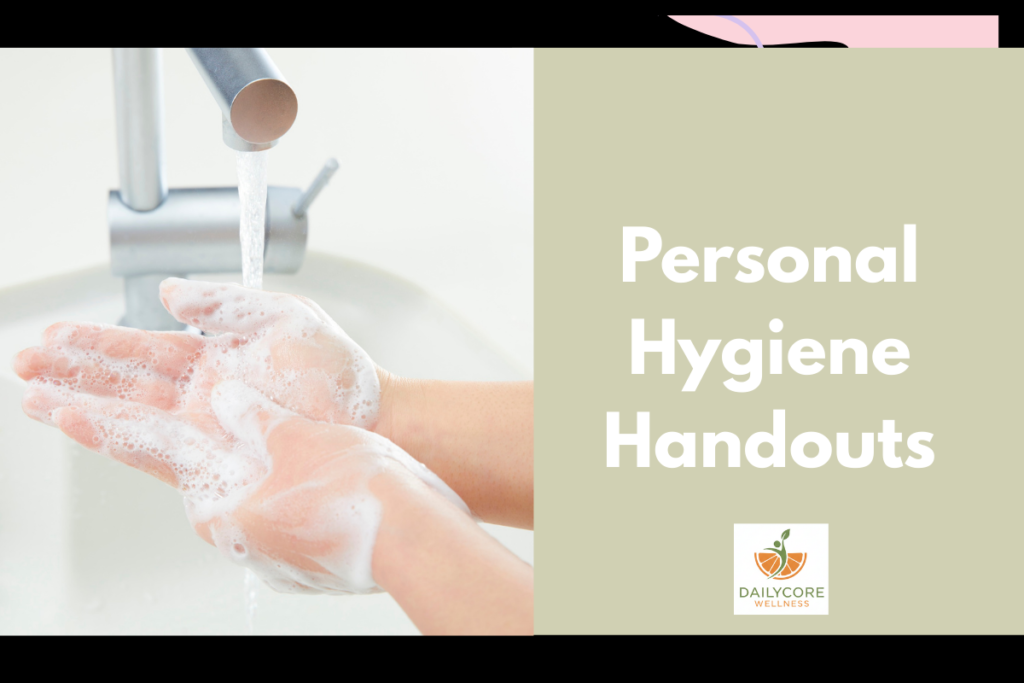
Proper handwashing is the foundation of hygiene. Personal hygiene handouts should clearly explain the five essential steps: wetting hands, applying soap, scrubbing for at least 20 seconds, rinsing thoroughly, and drying with a clean towel. These steps help remove germs and prevent infections. Visual guides with illustrations can make the process more accessible, especially for children. Consistency is key—washing hands before meals, after using the restroom, and after touching shared surfaces significantly reduces the risk of illness.
2. Oral Care Practices
Oral hygiene is crucial for overall health. Handouts should detail brushing twice daily, flossing, and regular dental check-ups. Including tips on brushing technique and the benefits of fluoride toothpaste encourages adherence. Maintaining oral hygiene not only prevents cavities and gum disease but also contributes to better digestion and overall well-being. Clear instructions and reminders on daily oral care make the habit easy to follow consistently.
3. Bathing and Skin Hygiene
Daily bathing and proper skin care prevent infections and improve comfort. Handouts should emphasize washing all body areas with mild soap, drying thoroughly, and using moisturizers for skin protection. Highlighting the importance of clean clothing and regularly laundered bedding supports overall hygiene. Visual step-by-step guides help individuals understand the significance of maintaining skin health and building long-term routines.
4. Nail Care
Clean, trimmed nails reduce the spread of germs. Handouts should include instructions on trimming nails regularly, cleaning underneath nails, and avoiding biting. Proper nail hygiene prevents bacterial buildup and decreases the risk of infections. Illustrations and clear timelines for nail care make the process more engaging and easier to maintain.
5. Hair Care
Regular hair washing and grooming are essential for scalp health. Handouts can guide individuals on frequency based on hair type, proper shampooing techniques, and combing strategies to avoid tangles and damage. Including tips for managing dandruff or dry scalp enhances comprehensive hair care routines. Clear visual examples improve understanding and encourage consistent hair hygiene.
6. Clothing Hygiene
Clean clothing prevents skin irritations and bacterial growth. Handouts should recommend regular laundering, wearing clean undergarments, and proper storage of garments. Guidelines on managing seasonal clothing or workout attire enhance hygiene practices. Step-by-step instructions on washing and drying effectively help maintain garment cleanliness and personal comfort.
7. Foot Care
Feet require regular attention to prevent odor and fungal infections. Handouts should cover washing feet daily, drying between toes, wearing breathable socks, and rotating footwear. Highlighting the importance of inspecting feet for cuts or infections supports proactive health management. Clear, concise instructions make foot care accessible and prevent long-term complications.
8. Hand Sanitizer Use
When handwashing is not possible, using hand sanitizer is critical. Handouts should explain proper application: applying sufficient sanitizer, covering all hand surfaces, and allowing it to dry completely. Highlighting situations when sanitizer is necessary, such as public spaces or after handling objects, reinforces effective hygiene practices. Visual cues can improve adherence and awareness.
9. Personal Hygiene in Public Spaces
Maintaining hygiene in shared environments is essential. Handouts can guide behaviors such as covering sneezes and coughs, disposing of tissues properly, and avoiding touching the face. Emphasizing etiquette and responsibility reduces the risk of spreading illness and fosters respect for communal health. Step-by-step guidance ensures these practices become habitual.
10. Regular Health Checkups
Routine checkups support hygiene by identifying early signs of infections or health concerns. Handouts should stress scheduling medical visits, dental appointments, and vaccinations. Including a checklist for preventive care encourages individuals to stay proactive. Consistently integrating checkups into personal routines strengthens overall health and hygiene management.
11. Hydration for Skin and Health
Drinking adequate water supports hygiene by keeping skin hydrated and flushing out toxins. Handouts should emphasize drinking at least 8 glasses of water daily, adjusting for activity level. Hydration prevents dry skin, reduces acne risk, and promotes overall bodily functions. Incorporating reminders to drink water before meals or during workouts ensures consistency. For long-term results, pairing hydration with balanced nutrition and skincare routines strengthens skin health. Visual charts in handouts can help track daily intake and reinforce the habit, making hydration an essential component of personal hygiene and self-care.
12. Proper Toothbrush Maintenance
A clean toothbrush prevents bacterial growth. Handouts should instruct replacing toothbrushes every three months or after illness, rinsing thoroughly after use, and storing upright in a ventilated area. Covering toothbrushes only when necessary prevents moisture buildup. Proper maintenance reduces exposure to harmful microbes and supports effective oral care. Including visual guides and checklists enhances adherence. Consistent attention to toothbrush hygiene ensures dental health is preserved and complements daily brushing and flossing, contributing to long-term oral wellness and confidence.
13. Menstrual Hygiene Management
Handouts should provide guidance for menstrual hygiene, emphasizing regular changing of sanitary products, washing hands before and after changing, and proper disposal methods. Explaining the importance of clean undergarments and the use of breathable fabrics minimizes infection risk. Educational visuals and tips on tracking cycles increase awareness and promote comfort. Consistently practicing menstrual hygiene improves health, prevents discomfort, and fosters confidence. Structured handouts also normalize discussions around menstruation, empowering individuals to maintain hygiene without embarrassment and build lasting, informed habits.
14. Use of Deodorants and Antiperspirants
Body odor control is essential for social and personal hygiene. Handouts should explain the difference between deodorants and antiperspirants, application techniques, and timing. Daily use after bathing ensures freshness, while selecting suitable products for skin type prevents irritation. Educating about natural alternatives and fragrance-free options offers choices for sensitive skin. Repeated reminders in handouts strengthen routine use. Consistent application enhances confidence, prevents odor, and contributes to overall personal hygiene, demonstrating that attention to detail in small daily habits yields long-term health and social benefits.
15. Cleaning Personal Items
Phones, eyeglasses, and accessories harbor bacteria. Handouts should recommend regular cleaning with appropriate wipes or solutions, avoiding harsh chemicals that damage items. Explaining the frequency of disinfection, such as daily for phones, reduces microbial spread. Visual illustrations showing cleaning techniques improve adherence. Maintaining clean personal items complements hand hygiene and prevents indirect contamination. Emphasizing small, consistent actions ensures habits are practical, manageable, and effective, reinforcing overall personal hygiene and safeguarding health in everyday interactions.
16. Respiratory Hygiene
Proper respiratory hygiene prevents illness transmission. Handouts should include covering the mouth when coughing or sneezing, using tissues, and washing hands afterward. Avoiding touching the face and maintaining distance when sick reduces contamination risks. Illustrations of proper techniques make the guidance easier to follow. Consistent reinforcement in daily routines, especially in public spaces, ensures hygiene practices protect both personal and community health. Over time, these behaviors become automatic, significantly lowering the risk of spreading infections and demonstrating responsible hygiene management.
17. Safe Food Handling
Food hygiene prevents gastrointestinal illnesses. Handouts should instruct washing hands before preparing food, separating raw and cooked items, cooking to safe temperatures, and storing perishable foods correctly. Visual checklists of steps enhance understanding. Emphasizing kitchen cleanliness, utensil hygiene, and proper disposal of leftovers ensures consistent practice. Integrating these behaviors into daily routines strengthens long-term health. Well-structured handouts educate individuals on food safety, empowering them to prevent contamination and maintain a hygienic environment both at home and in shared spaces.
18. Personal Hygiene During Travel
Travel increases exposure to germs and hygiene challenges. Handouts should provide strategies like carrying hand sanitizer, sanitizing high-touch surfaces, maintaining clean clothing, and proper oral care. Tips for airplane, train, or public transport hygiene, including mask use during flu seasons, enhance practical guidance. Visual checklists of travel hygiene essentials reinforce consistency. Regularly practicing these habits reduces illness risk, preserves comfort, and ensures hygiene is maintained despite varying environments. Educating travelers creates long-term awareness of the role of personal hygiene in health and disease prevention.
19. Stress and Hygiene Connection
Stress affects hygiene indirectly through neglect of routines. Handouts should explain the link between mental well-being and consistent personal care, including skin, hair, and oral hygiene. Recommendations for stress management, such as scheduled routines and mindfulness practices, help maintain hygiene even during busy periods. Visual guides and reminders can encourage consistency. Recognizing this connection empowers individuals to prioritize both mental and physical hygiene. Over time, integrating self-care practices enhances resilience, ensures hygiene routines are sustained, and supports overall health and well-being.
20. Footwear Hygiene
Shoes and socks contribute to foot infections if not maintained. Handouts should detail regular washing of socks, alternating shoes to dry, and avoiding shared footwear in public spaces. Recommendations for breathable materials and inspection for damage or fungal infections strengthen hygiene practices. Visual illustrations showing care routines improve understanding. Consistent attention to footwear hygiene prevents odor, infections, and discomfort, reinforcing the importance of comprehensive personal hygiene that extends beyond visible areas.
Conclusion
Consistency in personal hygiene practices is critical for achieving long-term health benefits. Personal hygiene handouts serve as an effective tool to reinforce habits, educate individuals, and maintain motivation. By providing clear, structured guidance, these materials encourage daily routines that reduce the risk of illness and enhance overall well-being. Regular reinforcement through visual aids, checklists, and reminders ensures that hygiene practices become automatic and ingrained in daily life.
Long-term success requires commitment and accountability. Handouts empower individuals to take ownership of their hygiene, track progress, and recognize the importance of daily routines. When combined with practical demonstrations, interactive activities, and regular updates, these materials foster sustainable habits that positively impact both physical health and social confidence.
Moreover, maintaining a culture of personal hygiene extends beyond individual benefit. Consistent hygiene practices contribute to healthier communities by minimizing the spread of infections and promoting public health. Educators, health professionals, and community leaders play a vital role in disseminating these handouts and ensuring adherence to evidence-based hygiene strategies.
Ultimately, personal hygiene handouts are more than educational tools—they are instruments for transformation. By embedding these practices into daily routines and emphasizing consistency, individuals can achieve lasting improvements in health, comfort, and confidence. Long-term dedication to hygiene, supported by clear guidance and structured reinforcement, ensures a healthier, more resilient future.