Learning how to stay mentally healthy every day is essential for maintaining emotional balance, productivity, and overall quality of life. Mental health affects how people think, feel, respond to stress, and interact with others. Just like physical health, mental wellness requires daily care and consistent healthy habits.
Modern life often brings stress, pressure, uncertainty, and emotional challenges that can affect mood and mental well-being. Poor sleep, unhealthy routines, social isolation, and constant stress can gradually weaken emotional resilience. However, positive daily practices can strengthen the mind and improve emotional stability over time.
Mental health is not only about avoiding mental illness. It also involves developing healthy coping skills, maintaining positive relationships, managing stress effectively, and creating balance in everyday life. Small lifestyle adjustments can have a powerful long-term impact on emotional wellness and mental clarity.
By prioritizing self-care, healthy routines, and emotional awareness, individuals can improve their ability to handle life’s challenges while maintaining a more positive and balanced state of mind.
Why Daily Mental Health Habits Matter
Daily habits strongly influence emotional health and brain function. Positive routines help regulate stress hormones, improve sleep quality, support brain health, and increase emotional resilience. Healthy habits also help reduce anxiety, improve concentration, and strengthen relationships.
Consistent mental wellness practices support the nervous system and help the brain adapt to stress more effectively. Activities such as exercise, relaxation, healthy eating, and social connection all contribute to emotional balance.
Ignoring mental health can lead to emotional exhaustion, poor concentration, burnout, and reduced quality of life. Over time, unmanaged stress may also affect physical health by increasing inflammation, blood pressure, and fatigue.
Creating a daily routine that supports emotional wellness helps build stability and resilience. Mental health care should be viewed as an ongoing lifestyle practice rather than something addressed only during difficult times.
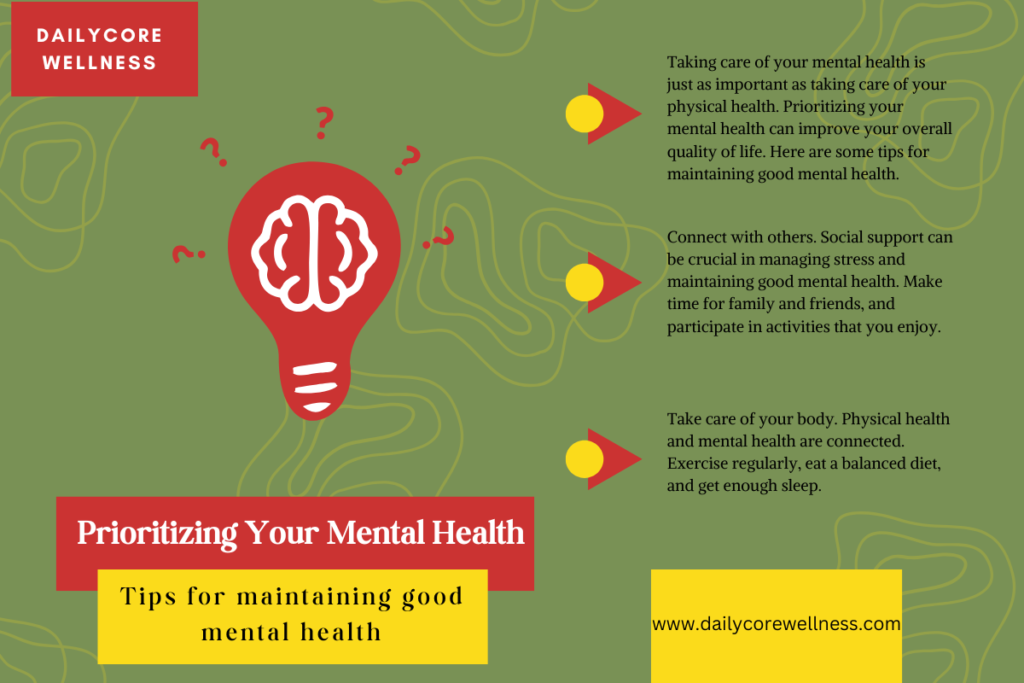
Daily Habits to Stay Mentally Healthy 2026
1. Get Enough Quality Sleep
Quality sleep is essential for emotional stability, memory, concentration, and stress management. Poor sleep can increase anxiety, irritability, and mental fatigue. Adults should aim for 7–9 hours of restful sleep each night. Establishing a consistent sleep schedule helps regulate the body’s internal clock and supports brain recovery. Reducing screen time before bed and creating a calm sleeping environment can improve sleep quality significantly. During sleep, the brain processes emotions and repairs mental fatigue accumulated throughout the day. Prioritizing sleep strengthens emotional resilience and improves overall mental wellness over time.
2. Exercise Regularly
Regular physical activity supports mental health by increasing the release of endorphins and serotonin, which improve mood and reduce stress. Exercise also helps lower anxiety levels and improve sleep quality. Activities such as walking, jogging, dancing, cycling, or yoga can all benefit emotional wellness. Even 20–30 minutes of movement daily can make a noticeable difference in mental clarity and emotional balance. Exercise also reduces tension in the body and supports better self-esteem. Consistency is more important than intensity when using exercise to improve mental health naturally.
3. Eat a Balanced Diet
Nutrition has a strong connection to mental health because the brain requires proper nutrients to function effectively. A balanced diet rich in fruits, vegetables, whole grains, healthy fats, and lean proteins supports brain function and emotional stability. Nutrients such as omega-3 fatty acids, magnesium, and B vitamins are especially important for mood regulation. Limiting processed foods, excess sugar, and highly caffeinated beverages may help reduce mood swings and fatigue. Drinking enough water also supports concentration and mental performance. Healthy eating habits contribute to long-term emotional and cognitive wellness.
4. Practice Stress Management
Managing stress effectively is one of the most important ways to maintain good mental health. Chronic stress can affect mood, concentration, energy levels, and sleep quality. Relaxation techniques such as meditation, deep breathing, mindfulness, and journaling help calm the nervous system and reduce emotional tension. Taking short breaks during busy days also supports mental clarity and prevents burnout. Regular stress management improves emotional resilience and helps individuals respond more calmly to difficult situations. Over time, these practices create a healthier emotional balance and improve overall well-being.
5. Stay Socially Connected
Healthy social relationships play a major role in emotional wellness. Spending time with supportive friends, family members, or community groups helps reduce feelings of loneliness and stress. Meaningful conversations and emotional support improve resilience during difficult times. Social connection also strengthens self-esteem and provides a sense of belonging. Even small daily interactions can positively affect mood and mental health. Maintaining healthy relationships and seeking support when needed are important parts of emotional self-care. Strong social connections contribute to long-term happiness and psychological stability.
6. Limit Negative Media Exposure
Constant exposure to stressful news, social media pressure, and negative online content can increase anxiety and emotional exhaustion. Taking breaks from digital devices and limiting exposure to upsetting information helps protect mental health. Setting boundaries around screen time supports emotional balance and improves focus. Following positive, educational, or inspiring content may contribute to a healthier mindset. Reducing comparison with others on social media also improves self-esteem and emotional well-being. Maintaining healthy digital habits is increasingly important for daily mental wellness.
7. Practice Gratitude Daily
Practicing gratitude helps shift attention away from stress and negative thinking patterns. Taking time each day to recognize positive experiences, achievements, or supportive relationships improves emotional outlook and resilience. Gratitude journaling is a simple way to build this habit consistently. Focusing on positive aspects of life helps reduce stress and improve mood over time. Gratitude also strengthens emotional awareness and encourages a more balanced perspective during challenging situations. Developing this habit regularly contributes to greater emotional stability and overall mental well-being.
8. Spend Time Outdoors
Spending time outdoors supports mental health by reducing stress and improving mood. Natural sunlight helps regulate sleep patterns and supports vitamin D production, which is linked to emotional wellness. Activities such as walking in parks, gardening, or simply sitting outside can help calm the mind and reduce anxiety. Nature exposure also improves concentration and mental clarity. Fresh air and physical movement together create a relaxing effect on the nervous system. Regular outdoor activity is a simple but effective strategy for maintaining emotional balance and reducing mental fatigue.
9. Set Realistic Goals
Setting realistic goals helps create structure, motivation, and a sense of accomplishment. Large or unrealistic expectations can increase stress and feelings of failure. Breaking tasks into smaller, manageable steps makes responsibilities feel more achievable and less overwhelming. Celebrating small successes helps build confidence and maintain motivation. Organized planning also reduces anxiety related to uncertainty or procrastination. Consistent progress toward realistic goals supports emotional balance and improves overall mental well-being.
10. Seek Help When Needed
Seeking support is an important part of maintaining mental health. Talking to a trusted friend, family member, counselor, or mental health professional can provide guidance and emotional relief during difficult periods. Early support can help prevent stress and emotional struggles from becoming more severe. Seeking help is a sign of self-awareness and strength rather than weakness. Professional support may provide coping strategies, emotional tools, and personalized care for managing challenges effectively. Prioritizing emotional support contributes to long-term mental wellness and resilience.
11. Practice Mindfulness
Mindfulness involves paying attention to the present moment without judgment. This practice helps reduce stress, anxiety, and overthinking by encouraging calm awareness of thoughts and emotions. Mindfulness techniques may include meditation, focused breathing, mindful walking, or simply paying attention during daily activities. Practicing mindfulness regularly improves emotional regulation and concentration while reducing mental fatigue. It also helps individuals respond more calmly to stressful situations instead of reacting impulsively. Even a few minutes of mindfulness daily can improve emotional clarity and inner balance. Over time, this habit strengthens resilience and supports long-term mental wellness by helping the mind remain calm and focused during challenging situations.
12. Maintain a Daily Routine
A structured daily routine creates stability and reduces feelings of chaos or uncertainty. Consistent routines help regulate sleep patterns, improve productivity, and reduce stress levels. Having regular times for meals, exercise, work, relaxation, and sleep gives the mind a sense of order and predictability. Routines also reduce decision fatigue, which can contribute to mental exhaustion. Even simple habits such as making the bed or planning the day can improve emotional balance. A healthy routine provides structure during stressful periods and helps individuals feel more in control of their lives. Over time, daily consistency strengthens emotional resilience and overall mental wellness.
13. Learn Healthy Coping Skills
14. Take Regular Breaks
Continuous work or mental pressure without rest can lead to burnout, fatigue, and emotional exhaustion. Taking regular breaks throughout the day helps refresh the mind and improve concentration. Short pauses for stretching, deep breathing, walking, or simply resting the eyes can reduce mental tension and increase productivity. Breaks also help prevent stress accumulation and improve emotional balance. Working for long periods without rest may increase irritability and reduce focus. Scheduling brief recovery periods during busy days supports better mental clarity and emotional resilience. Over time, regular breaks contribute to healthier stress management and improved overall well-being.
15. Reduce Self-Criticism
Excessive self-criticism can damage self-esteem and increase feelings of anxiety or sadness. Mentally healthy individuals learn to speak to themselves with patience and understanding instead of harsh judgment. Accepting mistakes as opportunities for growth helps build emotional resilience and confidence. Practicing self-compassion encourages healthier emotional responses during difficult times. Replacing negative thoughts with balanced and realistic perspectives improves mental stability and motivation. Everyone experiences setbacks, and learning to respond kindly to oneself supports emotional healing and personal development. Reducing self-criticism helps create a healthier mindset and improves overall emotional wellness over time.
16. Stay Hydrated
Proper hydration is important for both physical and mental performance. Dehydration can contribute to fatigue, poor concentration, irritability, and headaches, all of which negatively affect mental health. Drinking enough water throughout the day supports brain function, mood regulation, and energy levels. Water also helps maintain healthy circulation and nutrient delivery to the brain. Replacing sugary beverages with water may improve overall health and reduce energy crashes. Carrying a water bottle and drinking consistently during the day can support emotional balance and mental clarity. Staying hydrated is a simple but important habit for maintaining daily mental wellness.
17. Spend Time on Hobbies
Engaging in hobbies provides relaxation, enjoyment, and emotional balance. Activities such as reading, painting, gardening, music, cooking, or sports help reduce stress and create positive emotional experiences. Hobbies also encourage creativity and provide healthy distractions from daily pressures. Participating in enjoyable activities improves mood and supports emotional resilience. Hobbies can also strengthen social connections when shared with others. Making time regularly for enjoyable interests helps maintain work-life balance and reduces the risk of emotional burnout. Over time, hobbies contribute to improved mental health and greater overall life satisfaction.
18. Avoid Excessive Comparison
Constantly comparing yourself to others can damage self-esteem and increase stress, anxiety, and feelings of inadequacy. Social media often encourages unrealistic comparisons that negatively affect mental health. Focusing on personal progress rather than external competition helps improve confidence and emotional stability. Everyone has unique strengths, experiences, and challenges, making comparisons unhealthy and often unrealistic. Practicing gratitude and self-awareness helps reduce the habit of comparison. Limiting exposure to unrealistic online content may also improve emotional well-being. Developing a healthier self-image supports stronger emotional resilience and long-term mental wellness.
19. Practice Positive Thinking
Positive thinking does not mean ignoring problems but rather approaching challenges with a balanced and hopeful mindset. Maintaining a positive outlook helps reduce stress and improve emotional resilience during difficult situations. Replacing negative thought patterns with constructive perspectives supports mental clarity and emotional balance. Positive thinking also improves motivation and strengthens problem-solving abilities. Practicing gratitude, self-encouragement, and realistic optimism contributes to healthier emotional responses. Over time, a positive mindset helps build confidence and improves overall mental well-being. Consistent positive thinking supports emotional stability and helps individuals manage daily stress more effectively.
20. Limit Overworking
Excessive work without adequate rest can lead to burnout, anxiety, and emotional exhaustion. Maintaining a healthy balance between work, relaxation, and personal life is essential for mental wellness. Taking time for rest and recreation allows the brain to recover from stress and improves emotional stability. Setting boundaries around work hours and avoiding constant multitasking helps reduce mental fatigue. Overworking may also negatively affect sleep, relationships, and physical health. Prioritizing balance and self-care supports better productivity and long-term emotional health. Creating healthy work habits helps protect mental well-being and improve overall quality of life.
21. Build Emotional Awareness
Emotional awareness involves recognizing and understanding feelings instead of ignoring or suppressing them. Identifying emotions helps individuals respond more effectively to stress and personal challenges. Emotional awareness improves communication, decision-making, and relationship quality. Journaling, mindfulness, and self-reflection can help strengthen this skill. Understanding emotional triggers also supports healthier coping strategies and reduces impulsive reactions. Developing emotional awareness allows individuals to manage difficult feelings more calmly and constructively. Over time, this habit improves emotional intelligence and supports stronger mental health and interpersonal relationships.
22. Laugh More Often
Laughter helps reduce stress hormones and stimulates the release of endorphins, which improve mood and relaxation. Spending time with positive people, watching comedy, or engaging in enjoyable activities can naturally increase laughter. Humor also helps improve social connections and emotional resilience during stressful periods. Laughing regularly supports relaxation, reduces tension, and creates positive emotional experiences. Even brief moments of humor can improve mood and mental clarity. Incorporating laughter into daily life contributes to healthier emotional balance and overall mental wellness.
23. Practice Deep Breathing
Deep breathing exercises calm the nervous system and help reduce stress and anxiety quickly. Slow breathing lowers heart rate and promotes relaxation by activating the body’s natural calming response. Techniques such as inhaling deeply through the nose and exhaling slowly through the mouth help release physical tension. Deep breathing also improves concentration and emotional control during stressful moments. Practicing this habit daily strengthens stress management skills and supports emotional stability. Even a few minutes of controlled breathing can improve mood and mental clarity significantly.
24. Keep a Journal
Journaling provides a healthy outlet for thoughts, emotions, and daily experiences. Writing regularly helps organize thoughts, reduce stress, and improve emotional awareness. Journaling may also help identify patterns, triggers, and personal goals. Expressing emotions on paper can create emotional relief and support problem-solving. Gratitude journals and reflective writing are especially beneficial for improving mood and reducing anxiety. Making journaling a regular habit supports self-understanding and emotional resilience. Over time, this practice contributes to greater mental clarity and emotional balance.
25. Maintain Healthy Boundaries
Healthy boundaries protect emotional well-being by helping individuals manage relationships and responsibilities effectively. Learning to say no when necessary reduces stress and prevents emotional exhaustion. Boundaries also improve self-respect and encourage healthier communication with others. Without clear boundaries, people may experience burnout, resentment, or emotional overload. Maintaining balance between personal needs and external demands supports mental stability. Establishing healthy emotional and social limits helps create stronger relationships and better overall well-being.
26. Spend Time with Positive People
Surrounding yourself with supportive and positive individuals can greatly improve mental health. Encouraging relationships provide emotional comfort, reduce stress, and increase feelings of belonging. Positive social environments also promote healthier coping habits and emotional resilience. Spending time with uplifting people can improve confidence and motivation during difficult periods. Healthy relationships contribute to emotional balance and reduce feelings of isolation. Choosing supportive social connections helps strengthen overall mental wellness and long-term happiness.
27. Avoid Substance Abuse
Alcohol and drug misuse can negatively affect mood, sleep, concentration, and emotional stability. While substances may temporarily numb stress or emotional pain, they often worsen mental health over time. Substance abuse may increase anxiety, depression, and emotional instability while damaging relationships and physical health. Choosing healthier coping methods such as exercise, counseling, or relaxation techniques supports long-term emotional wellness. Avoiding harmful substances protects both mental and physical health and improves overall quality of life.
28. Learn Something New
Learning new skills keeps the brain active and improves confidence and mental stimulation. Activities such as reading, studying, cooking, or learning a language support cognitive function and emotional growth. Learning also creates a sense of accomplishment and purpose, which improves mood and self-esteem. Challenging the brain regularly helps maintain mental sharpness and reduces boredom. Engaging in personal growth activities contributes to stronger emotional resilience and overall mental wellness.
29. Accept Imperfection
Trying to be perfect constantly can increase stress, anxiety, and self-criticism. Accepting that mistakes and setbacks are part of life helps reduce emotional pressure. Perfectionism often creates unrealistic expectations that negatively affect mental health. Learning to focus on progress instead of perfection supports healthier emotional balance and self-esteem. Accepting imperfections encourages self-compassion and reduces unnecessary stress. This mindset helps individuals approach challenges with greater patience and emotional resilience.
30. Prioritize Self-Care
Conclusion
Staying mentally healthy every day requires consistent care, healthy routines, and emotional awareness. Simple daily habits such as quality sleep, regular exercise, healthy eating, stress management, and social connection can significantly improve emotional well-being and resilience over time.
Mental wellness is not achieved through perfection but through balance and consistency. Small positive actions practiced daily help strengthen emotional stability and improve the ability to handle life’s challenges. Protecting mental health also supports physical health, productivity, and overall quality of life.
It is important to recognize that everyone experiences stress and emotional difficulties at times. Seeking support when needed and maintaining healthy coping strategies are essential parts of emotional self-care. Building strong habits gradually creates long-term benefits for both the mind and body.
Ultimately, prioritizing mental health every day helps create a more balanced, focused, and fulfilling life. Consistent self-care and healthy emotional habits provide the foundation for lasting wellness and personal growth.
Share this:
- Share on Facebook (Opens in new window) Facebook
- Share on X (Opens in new window) X
- Share on WhatsApp (Opens in new window) WhatsApp
- Share on Threads (Opens in new window) Threads
- Share on LinkedIn (Opens in new window) LinkedIn
- Share on Telegram (Opens in new window) Telegram
- Email a link to a friend (Opens in new window) Email
- Share on Pinterest (Opens in new window) Pinterest