Pet dental care is one of the most overlooked aspects of pet care. According to the American Veterinary Dental Society, over 80% of dogs and 70% of cats show signs of periodontal (gum) disease by age three.
Because pets rarely complain about dental pain, oral disease often progresses unnoticed until it causes severe discomfort, tooth loss, or systemic health issues affecting the heart, liver, and kidneys.
Why Pet Dental Care Matters
When a pet eats, bacteria combine with food particles and saliva to form a soft film called plaque. If plaque isn’t brushed away within 24–48 hours, it mineralizes with salivary calcium to form hard calculus (tartar).
       Plaque Formation          Tartar Mineralization         Periodontal Disease
  [Bacteria + Food Residue]  ──>  [Calcified Hard Crust]  ──>  [Bone & Attachment Loss]
       (Reversible)                   (Requires Scaling)             (Irreversible)
Tartar creates a rough surface where more bacteria attach, migrating under the gumline. Left untreated, the body’s inflammatory response leads to:
-
Gingivitis: Red, swollen gums that bleed easily (reversible).
-
Periodontitis: Destruction of the periodontal ligament and supporting alveolar bone, leading to tooth mobility and eventual loss (irreversible).
-
Systemic Organ Damage: Oral bacteria can enter the bloodstream through inflamed gums, spreading to vital organs like the heart valves, liver, and kidneys.
Understanding the Stages of Dental Disease
Veterinarians classify dental disease into four distinct grades:
| Stage | Description | Reversible? | Treatment Required |
| Grade 1 (Gingivitis) | Mild gum redness; soft plaque build-up; no attachment loss. | Yes | Home care & professional polish |
| Grade 2 (Early Periodontitis) | Inflamed gums; early pocket formation; less than 25% bone loss. | No (Controlled) | Professional dental scaling under anesthesia |
| Grade 3 (Moderate Periodontitis) | Thick tartar crust; swollen/bleeding gums; 25%–50% bone loss. | No | Scaling, root planing, or extraction |
| Grade 4 (Advanced Periodontitis) | Severe tissue destruction; pus around gums; greater than 50% bone loss; loose teeth. | No | Surgical tooth extractions required |
Daily Prevention: How to Brush Your Pet’s Teeth
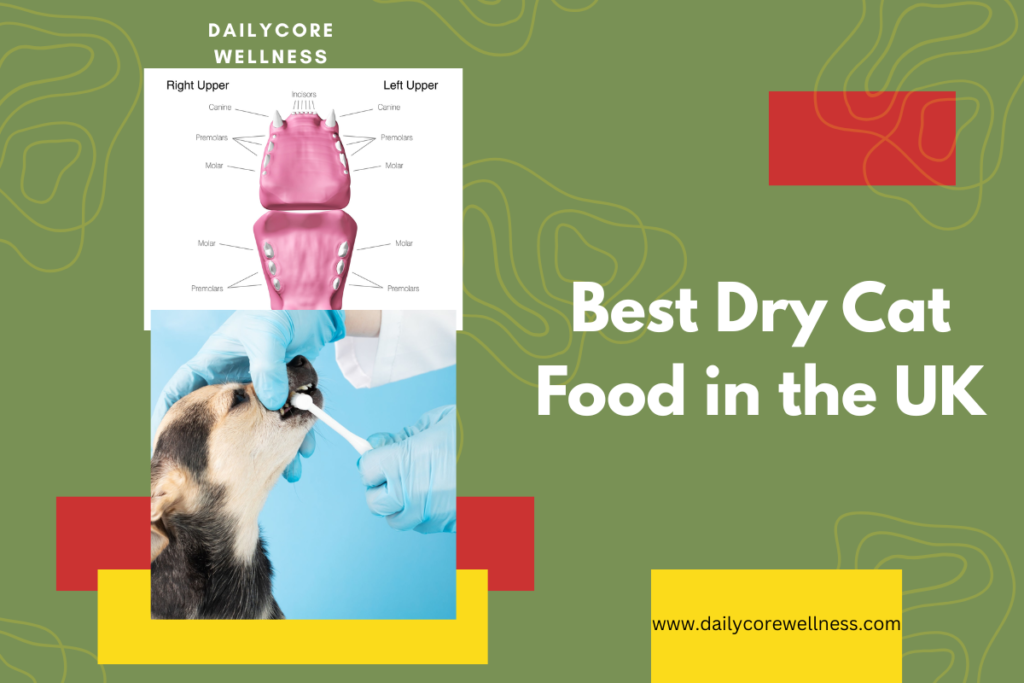
Daily mechanical brushing remains the gold standard for home dental care.
CRITICAL WARNING: Never use human toothpaste on pets. Human toothpastes often contain xylitol (a sweetener highly toxic to dogs causing fatal hypoglycemia and liver failure) or high levels of fluoride, which causes severe gastric distress when swallowed. Always use enzymatically active, pet-safe toothpaste (e.g., poultry or malt flavor).
Step-by-Step Brushing Protocol
Complementary At-Home Dental Products
If your pet refuses toothbrushing, combining passive dental aids can still slow down plaque accumulation:
-
VOHC-Approved Dental Chews: Look for the Veterinary Oral Health Council (VOHC) seal of acceptance on packaging. VOHC-certified chews (like Greenies or Oravet) are scientifically proven to reduce plaque or tartar by specific margins.
-
Water Additives & Enzymatic Sprays: Added to fresh drinking water daily, these additives contain chlorhexidine or natural enzymes that reduce oral bacterial loads.
-
Prescription Dental Diets: Specialized kibbles (such as Hill’s t/d or Royal Canin Dental) feature oversized, fiber-aligned kibbles that scrape the tooth surface clean like a squeegee before shattering.