The Best Proven Anxiety Relief Techniques for Mexicans

Are you a Mexican or an immigrant? Anxiety relief techniques for Mexicans are very important. Anxiety is one of the most common mental health challenges affecting millions of people worldwide. While occasional anxiety is a normal response to stressful situations, persistent anxiety can interfere with daily life, relationships, work performance, and physical health. Symptoms such as excessive worry, nervousness, restlessness, racing thoughts, sleep disturbances, and muscle tension can significantly affect overall well-being.

Fortunately, many proven techniques can help manage anxiety naturally and effectively. These methods focus on calming the nervous system, improving emotional resilience, reducing stress hormones, and promoting healthier coping mechanisms. While severe anxiety may require professional treatment, incorporating practical anxiety relief techniques into daily life can make a significant difference.

The following strategies are supported by research and mental health experts and can help individuals build long-term emotional wellness.
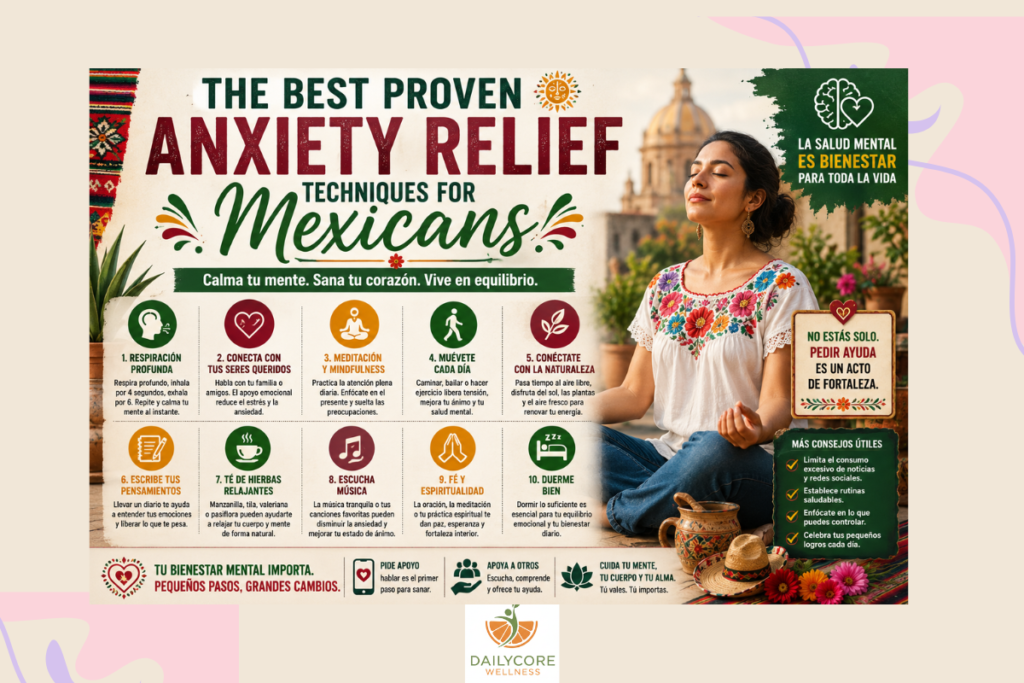
Why Anxiety Relief Techniques Are Important for Mental Health

Anxiety can affect nearly every aspect of a person’s life, including physical health, emotional well-being, relationships, work performance, and overall quality of life. When anxiety becomes persistent, it can lead to chronic stress, sleep disturbances, difficulty concentrating, irritability, and reduced productivity. Anxiety relief techniques provide individuals with practical tools to manage stress before it becomes overwhelming. These strategies help calm the nervous system, regulate emotions, and improve the ability to cope with life’s challenges. By practicing anxiety management techniques regularly, individuals can reduce the frequency and intensity of anxious thoughts while developing healthier responses to stressful situations.

In addition to providing immediate relief, anxiety reduction strategies contribute to long-term mental wellness. Techniques such as mindfulness, exercise, healthy sleep habits, and positive social interactions strengthen emotional resilience and support better psychological health. Consistent practice can improve self-confidence, enhance emotional stability, and reduce the risk of anxiety-related complications. Rather than eliminating stress completely, these methods help individuals manage stress more effectively and maintain a healthier balance in their daily lives.

How Lifestyle Habits Influence Anxiety Levels

Daily lifestyle choices play a significant role in determining how the body and mind respond to stress. Poor sleep, unhealthy eating habits, lack of physical activity, excessive caffeine consumption, and constant exposure to stressful information can increase anxiety symptoms. Over time, these habits may place additional strain on the nervous system, making it more difficult to manage emotional challenges. Understanding the connection between lifestyle factors and mental health empowers individuals to make positive changes that support emotional well-being and reduce anxiety naturally.

Healthy habits create a strong foundation for mental wellness by supporting brain function, hormone balance, and overall physical health. Regular exercise promotes the release of mood-enhancing chemicals, while nutritious foods provide essential nutrients needed for optimal nervous system function. Adequate sleep allows the brain to recover and process emotions effectively, while meaningful social connections provide valuable emotional support. When combined with proven anxiety relief techniques, healthy lifestyle habits can significantly improve an individual’s ability to manage stress and maintain long-term emotional resilience.

Anxiety Relief Techniques for Mexicans

The Best Proven Anxiety Relief Techniques for Mexicans 2026

1. Practice Deep Breathing Exercises

Deep breathing exercises are among the most effective techniques for reducing anxiety quickly and naturally. When anxiety occurs, breathing often becomes shallow and rapid, which can increase feelings of panic and physical discomfort. Deep breathing helps activate the parasympathetic nervous system, which is responsible for calming the body’s stress response. Techniques such as diaphragmatic breathing, box breathing, and the 4-7-8 method can slow the heart rate and encourage relaxation.

Practicing deep breathing for just a few minutes each day can improve emotional regulation and help individuals manage stressful situations more effectively. It is simple, free, and can be performed almost anywhere. Many mental health professionals recommend deep breathing as a first-line coping strategy because of its immediate calming effects and long-term benefits for anxiety management.

Effect: Deep breathing lowers stress hormone levels, reduces muscle tension, decreases heart rate, and promotes a sense of calm that can help prevent anxiety from escalating.

2. Engage in Regular Physical Exercise

Regular physical activity is one of the most researched and proven methods for reducing anxiety symptoms. Exercise stimulates the release of endorphins and other neurotransmitters that help improve mood and reduce stress. Activities such as walking, jogging, cycling, swimming, dancing, and strength training can all contribute to better mental health. Exercise also provides a healthy distraction from anxious thoughts and helps improve self-confidence.

In addition to its mental health benefits, physical activity improves cardiovascular health, sleep quality, and overall energy levels. Consistency is more important than intensity, meaning even moderate daily exercise can make a significant difference. Establishing a regular exercise routine can help build resilience against future stress and anxiety triggers.

Effect: Exercise reduces anxiety symptoms, boosts mood, improves sleep quality, increases confidence, and strengthens the body’s ability to cope with stress.

3. Practice Mindfulness Meditation

Mindfulness meditation is a powerful technique that helps individuals focus on the present moment rather than becoming overwhelmed by worries about the future or regrets about the past. Anxiety often thrives on negative thought patterns and excessive rumination. Mindfulness teaches people to observe their thoughts without immediately reacting to them, creating greater emotional awareness and control. Regular meditation practice can help calm the mind and reduce the intensity of anxious feelings.

See also  30 Best Anxiety and Stress Relief Supplements for Mental Wellness

Many people begin with just five to ten minutes of meditation each day and gradually increase the duration as they become more comfortable. Mindfulness can be practiced while sitting quietly, walking, eating, or performing daily activities. Over time, this practice strengthens emotional resilience and improves the ability to manage stressful situations without becoming overwhelmed.

Effect: Reduces overthinking, improves emotional regulation, enhances concentration, lowers stress levels, and promotes a greater sense of inner peace.

4. Prioritize Quality Sleep

Quality sleep is essential for maintaining good mental health and reducing anxiety symptoms. When individuals do not get enough sleep, the brain becomes less capable of regulating emotions and responding effectively to stress. Sleep deprivation can increase irritability, nervousness, and excessive worrying. Creating healthy sleep habits can significantly improve emotional well-being and reduce anxiety.

A consistent bedtime routine, limiting screen exposure before sleep, avoiding heavy meals late at night, and maintaining a comfortable sleeping environment can all contribute to better rest. It is also important to establish a regular sleep schedule, even on weekends. Good sleep supports brain function, improves mood, and allows the body to recover from daily stressors.

Effect: Enhances emotional stability, reduces stress hormone production, improves concentration, and helps the body recover from mental and physical strain.

5. Limit Caffeine Intake

While caffeine can increase alertness and energy, excessive consumption may worsen anxiety symptoms in sensitive individuals. Caffeine stimulates the central nervous system and can produce effects similar to anxiety, including a rapid heartbeat, restlessness, nervousness, and difficulty relaxing. People who consume large amounts of coffee, energy drinks, or caffeinated soft drinks may notice increased anxiety levels.

Reducing caffeine intake gradually can help minimize withdrawal symptoms and improve emotional balance. Replacing highly caffeinated beverages with herbal teas, water, or decaffeinated alternatives may support better mental wellness. Individuals with chronic anxiety often benefit from monitoring how caffeine affects their mood and adjusting their consumption accordingly.

Effect: Decreases nervousness, reduces physical symptoms of anxiety, improves relaxation, and supports a calmer emotional state.

6. Maintain a Healthy and Balanced Diet

Nutrition has a direct impact on brain function and emotional health. A balanced diet provides the vitamins, minerals, and nutrients necessary for healthy neurotransmitter production and nervous system function. Diets high in processed foods, refined sugars, and unhealthy fats may contribute to mood instability and increased stress levels.

Consuming plenty of fruits, vegetables, whole grains, lean proteins, nuts, seeds, and healthy fats can support mental wellness. Stable blood sugar levels are also important because fluctuations can trigger irritability, fatigue, and anxiety. Proper nutrition helps the body manage stress more effectively and provides the energy needed for daily activities.

Effect: Supports brain health, stabilizes mood, improves energy levels, and enhances the body’s ability to cope with stress and anxiety.

7. Stay Properly Hydrated

Many people underestimate the importance of hydration for mental health. Even mild dehydration can affect mood, concentration, energy levels, and cognitive performance. Dehydration may contribute to feelings of irritability, fatigue, and increased stress, all of which can worsen anxiety symptoms.

Drinking adequate amounts of water throughout the day helps maintain proper brain function and supports overall physical health. Hydration is especially important during hot weather, physical activity, or periods of illness. Carrying a water bottle and developing the habit of drinking water regularly can help maintain optimal hydration levels.

Effect: Improves mental clarity, reduces fatigue, supports emotional stability, and helps the body function more efficiently under stress.

8. Spend Time in Nature

Natural environments have a calming effect on both the mind and body. Spending time outdoors can help reduce stress, lower cortisol levels, and improve mood. Whether it involves walking in a park, hiking in the countryside, visiting a beach, or simply sitting in a garden, nature provides an opportunity to disconnect from daily pressures and reconnect with the present moment.

Research has shown that exposure to green spaces can significantly reduce anxiety and improve emotional well-being. Nature encourages relaxation, mindfulness, and physical activity, all of which contribute to better mental health. Regular outdoor experiences can serve as a valuable component of a comprehensive anxiety management plan.

Effect: Lowers stress hormones, improves mood, promotes relaxation, and enhances overall emotional well-being.

9. Build Strong Social Connections

Humans are social beings, and meaningful relationships play a vital role in emotional health. Anxiety often becomes more difficult to manage when individuals feel isolated or unsupported. Strong social connections provide opportunities to share concerns, receive encouragement, and gain perspective during difficult times.

See also  30 Proven Ways on How to Reduce Ping

Spending quality time with family members, friends, colleagues, or support groups can help reduce feelings of loneliness and create a sense of belonging. Open communication allows individuals to express emotions and seek guidance when needed. Building and maintaining healthy relationships is an important long-term strategy for protecting mental health.

Effect: Reduces loneliness, strengthens emotional support systems, improves resilience, and helps individuals cope more effectively with life’s challenges.

10. Practice Gratitude Daily

Gratitude is a simple but powerful technique for shifting attention away from worries and toward positive aspects of life. Anxiety often causes individuals to focus excessively on problems, uncertainties, and potential negative outcomes. Practicing gratitude helps create a more balanced perspective and encourages appreciation for positive experiences.

Keeping a gratitude journal, reflecting on daily blessings, or expressing appreciation to others can strengthen this habit. Over time, gratitude can help reframe thought patterns and reduce the tendency to dwell on negative emotions. Consistent gratitude practice has been associated with improved mental health and greater life satisfaction.

Effect: Improves mood, reduces negative thinking, enhances emotional resilience, and promotes a more optimistic outlook on life.

11. Practice Progressive Muscle Relaxation

Progressive Muscle Relaxation (PMR) is a technique that involves systematically tensing and relaxing different muscle groups throughout the body. Anxiety often causes people to carry tension in areas such as the shoulders, neck, jaw, back, and legs without realizing it. PMR helps individuals become more aware of physical tension and teaches the body how relaxation feels. The process typically begins at the feet and gradually moves upward through the body.

Regular practice can help reduce physical symptoms of anxiety and promote a greater sense of calm. Many people use this technique before bedtime to improve sleep quality and reduce nighttime stress. It can also be used during stressful situations to regain a sense of control and relaxation.

Effect: Reduces muscle tension, promotes relaxation, lowers stress levels, and helps calm the nervous system.

12. Keep a Personal Journal

Journaling is an effective way to process emotions and gain clarity about anxious thoughts. Writing down worries, fears, and daily experiences can help individuals identify patterns and triggers contributing to anxiety. The act of putting thoughts on paper often makes them feel more manageable and less overwhelming.

A journal can also be used to track progress, document positive experiences, and develop healthier ways of responding to stressful situations. Some people find it helpful to combine journaling with gratitude exercises or goal-setting activities. Regular journaling creates a safe space for self-reflection and emotional expression, which can contribute significantly to improved mental well-being.

Effect: Reduces mental clutter, improves self-awareness, supports emotional processing, and helps manage anxious thoughts more effectively.

13. Listen to Calming Music

Music has a profound influence on emotions and can be a valuable tool for anxiety relief. Slow, calming music can help lower heart rate, reduce stress hormones, and encourage relaxation. Many individuals find comfort in instrumental music, nature sounds, classical compositions, or other soothing genres that promote a peaceful state of mind.

Listening to music during stressful situations or incorporating it into daily relaxation routines can provide emotional support and distraction from anxious thoughts. Music therapy has even been used in healthcare settings to help patients manage stress and anxiety. Creating a personalized playlist of calming songs can be an easy and accessible strategy for emotional wellness.

Effect: Promotes relaxation, improves mood, lowers stress levels, and helps calm anxious feelings.

14. Limit Exposure to Negative Social Media

Social media can be a valuable tool for communication and information, but excessive exposure to negative content can contribute to anxiety. Constant comparisons, alarming news, online conflicts, and unrealistic portrayals of life may increase stress and feelings of inadequacy. Taking intentional breaks from social media can help protect mental health.

Setting boundaries around screen time and carefully selecting the content you consume can create a healthier digital environment. Following positive, educational, and supportive accounts while reducing exposure to negativity can improve emotional well-being. Being mindful of how social media affects your mood is an important step toward reducing anxiety.

Effect: Reduces information overload, decreases stress, improves focus, and supports healthier emotional balance.

15. Develop Healthy Time Management Skills

Poor time management can contribute significantly to anxiety by creating feelings of overwhelm and loss of control. When responsibilities pile up, individuals may experience increased stress and difficulty concentrating. Learning to prioritize tasks, create schedules, and break large projects into smaller steps can make daily demands feel more manageable.

Using planners, calendars, and task lists helps improve organization and reduces uncertainty. Effective time management also allows for adequate rest, recreation, and self-care activities. By maintaining a structured approach to responsibilities, individuals can reduce stress and improve productivity without becoming overwhelmed.

Effect: Increases control over daily activities, reduces overwhelm, improves productivity, and lowers anxiety levels.

16. Practice Positive Self-Talk

The way people speak to themselves can significantly influence their mental health. Anxiety often involves negative internal dialogue, self-criticism, and catastrophic thinking. Positive self-talk involves replacing harsh or unrealistic thoughts with balanced and supportive statements.

See also  Mental Health Awareness for Africans Well Explained

For example, instead of thinking, “I can’t handle this,” an individual might remind themselves, “I have overcome challenges before and can take this one step at a time.” Practicing positive self-talk requires consistency, but over time it can help reshape thought patterns and build confidence. Developing a more compassionate inner voice can reduce anxiety and improve emotional resilience.

Effect: Reduces negative thinking, strengthens self-confidence, improves emotional resilience, and supports healthier coping mechanisms.

17. Spend Time with Pets

Animals can provide companionship, comfort, and emotional support during stressful times. Spending time with pets has been shown to reduce stress hormones and increase the release of oxytocin, a hormone associated with bonding and relaxation. Caring for a pet also provides routine, responsibility, and opportunities for physical activity.

Whether it involves playing with a dog, cuddling a cat, or simply observing a pet’s behavior, interactions with animals can promote calmness and reduce feelings of loneliness. Many individuals find that pets provide unconditional acceptance and emotional comfort during difficult periods.

Effect: Reduces stress, improves mood, decreases loneliness, and promotes feelings of comfort and security.

18. Learn to Say No

Many people experience anxiety because they take on too many responsibilities or feel obligated to meet everyone’s expectations. Learning to set healthy boundaries and say no when necessary is an important aspect of self-care. Constantly overcommitting can lead to exhaustion, resentment, and increased stress.

Saying no does not mean being selfish; it means recognizing personal limits and protecting mental well-being. Setting clear boundaries allows individuals to focus on priorities and maintain a healthier balance between responsibilities and personal needs. Practicing assertiveness can help reduce anxiety associated with excessive demands.

Effect: Prevents burnout, reduces stress, protects personal energy, and promotes healthier relationships.

19. Engage in Creative Activities

Creative expression can be a powerful outlet for managing anxiety. Activities such as painting, drawing, writing, crafting, photography, cooking, or playing a musical instrument allow individuals to focus their attention on enjoyable and meaningful tasks. Creativity encourages mindfulness and provides a healthy distraction from anxious thoughts.

Engaging in creative activities can also boost self-esteem and create a sense of accomplishment. The process is often more important than the final result, making creativity accessible to everyone regardless of skill level. Regular creative expression can become an important component of emotional self-care.

Effect: Reduces stress, improves mood, enhances focus, and provides a healthy outlet for emotional expression.

20. Seek Professional Support When Needed

While self-help techniques can be highly effective, some individuals may require professional assistance to manage anxiety successfully. Mental health professionals such as psychologists, counselors, therapists, and psychiatrists can provide evidence-based treatments tailored to individual needs. Therapy can help identify underlying causes of anxiety, develop coping strategies, and address unhelpful thought patterns.

Seeking professional support is a sign of strength, not weakness. Early intervention often leads to better outcomes and can prevent anxiety from becoming more severe. Professional guidance can provide valuable tools and support for achieving long-term mental wellness.

Effect: Provides expert guidance, improves coping skills, reduces anxiety symptoms, and supports long-term emotional health.

Conclusion

Anxiety is a common experience that can affect people of all ages and backgrounds, but it does not have to control daily life. By understanding the causes of anxiety and adopting proven coping strategies, individuals can take meaningful steps toward improving their mental and emotional well-being. Simple practices such as deep breathing, regular exercise, mindfulness meditation, healthy sleep habits, and strong social connections can make a significant difference in reducing stress and promoting a greater sense of calm. Consistency is important, as the benefits of these techniques often increase over time with regular practice.

The 30 proven anxiety relief techniques discussed in this guide provide practical and accessible ways to manage anxiety naturally. While occasional stress is a normal part of life, developing healthy coping mechanisms can improve resilience and help individuals respond more effectively to challenges. It is also important to remember that seeking professional support is a valuable option when anxiety becomes persistent or difficult to manage alone. By combining self-care practices with appropriate support, individuals can build stronger emotional health, improve their quality of life, and move toward a more balanced, confident, and fulfilling future.

Leave a Reply

Your email address will not be published. Required fields are marked *

You May Also Like