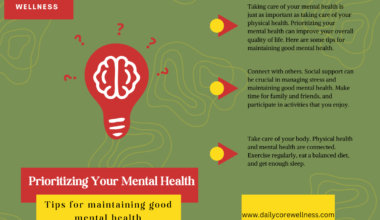
Anxiety and chronic stress can affect emotional health, sleep quality, concentration, energy levels, and overall well-being. While lifestyle habits such as exercise, healthy eating, and stress management remain the foundation of mental wellness, certain supplements may provide additional support for relaxation and emotional balance.
Many natural supplements contain nutrients, herbs, amino acids, or plant compounds that influence stress hormones, brain chemicals, and nervous system function. Some supplements may help improve sleep, reduce nervous tension, support mood stability, and promote calmness during stressful situations.
It is important to remember that supplements are not instant cures for anxiety or chronic stress disorders. Their effectiveness varies depending on the individual, lifestyle habits, and underlying health conditions. Supplements work best when combined with healthy daily routines and proper mental health care.
Before starting any supplement, individuals should consult a healthcare professional, especially if they take medications, have medical conditions, or are pregnant. Proper guidance helps avoid interactions and ensures safe use.
30 Best Anxiety and Stress Relief Supplements 2026
1. Magnesium
Magnesium is one of the most widely recommended supplements for stress and anxiety relief because it supports nervous system function and muscle relaxation. Low magnesium levels are associated with increased anxiety, poor sleep, and irritability. Magnesium helps regulate stress hormones and supports healthy brain signaling. Forms such as magnesium glycinate and magnesium citrate are commonly used for relaxation and sleep support. Magnesium may also help reduce muscle tension and headaches caused by stress. Regular intake supports emotional balance and overall nervous system health.
2. Ashwagandha
Ashwagandha is an adaptogenic herb commonly used to help the body manage stress more effectively. It may help lower cortisol levels, the primary stress hormone, and improve resilience to emotional pressure. Ashwagandha is often used to reduce anxiety symptoms, improve sleep quality, and support energy levels. Many people use it as part of a long-term stress management routine. Consistent use may help promote calmness and emotional stability while reducing feelings of overwhelm and fatigue.
3. L-Theanine
L-theanine is an amino acid naturally found in green tea that promotes relaxation without causing drowsiness. It may help increase calming brain waves and reduce mental stress while improving focus and concentration. Many individuals use L-theanine to reduce nervous tension during stressful situations or before sleep. It is also commonly combined with caffeine to improve calm focus without jitteriness. L-theanine supports emotional balance and relaxation naturally.
4. Omega-3 Fatty Acids
Omega-3 fatty acids, particularly EPA and DHA, support brain health and may help reduce inflammation linked to anxiety and depression. These healthy fats support communication between brain cells and help regulate mood. Fish oil supplements are commonly used to improve emotional stability and cognitive function. Omega-3s may also help reduce stress-related symptoms and improve overall mental wellness. Consistent intake supports long-term brain and nervous system health.
5. Valerian Root
Valerian root is a traditional herbal remedy commonly used to promote relaxation and improve sleep quality. It may help calm the nervous system and reduce feelings of stress and nervous tension. Valerian root is often used by individuals who experience anxiety-related insomnia or restlessness. It may help improve sleep without causing significant next-day drowsiness in some people. Regular use may support emotional calmness and relaxation.
6. Chamomile
Chamomile is a gentle herbal supplement known for its calming and relaxing effects. It is commonly consumed as tea or in capsule form to help reduce anxiety and improve sleep quality. Chamomile contains compounds that interact with brain receptors involved in relaxation. It may help reduce mild anxiety symptoms, nervousness, and emotional tension. Many people use chamomile as part of their evening relaxation routine to support calmness and emotional balance naturally.
7. Rhodiola Rosea
Rhodiola rosea is an adaptogenic herb that may help improve the body’s response to stress and mental fatigue. It is commonly used to support energy, mood, concentration, and emotional resilience. Rhodiola may help reduce burnout symptoms and improve mental performance during stressful periods. Adaptogens like rhodiola support balance within the nervous system and help the body adapt to emotional stress more effectively.
8. Lavender
Lavender supplements and essential oils are widely used for relaxation and anxiety relief. Lavender may help calm the nervous system, reduce nervous tension, and improve sleep quality. Some individuals use lavender aromatherapy, while others prefer oral supplements standardized for anxiety support. Lavender is commonly associated with reduced stress and improved emotional calmness. Its soothing properties make it popular for relaxation routines and sleep support.
9. Passionflower
Passionflower is an herbal supplement traditionally used to reduce anxiety and promote calmness. It may help support levels of calming brain chemicals such as GABA, which regulate nervous system activity. Passionflower is often used for stress-related restlessness, nervous tension, and sleep disturbances. Some individuals find it especially helpful during periods of emotional overwhelm or excessive worry.
10. Lemon Balm
Lemon balm is a calming herb from the mint family commonly used to reduce stress and anxiety symptoms. It may help improve mood, support relaxation, and promote better sleep quality. Lemon balm is frequently used in teas, capsules, and herbal blends for emotional wellness. Some studies suggest it may help reduce nervousness and improve mental calmness without causing heavy sedation.
11. GABA Supplements
Gamma-aminobutyric acid (GABA) is a calming neurotransmitter that helps reduce nervous system excitability. GABA supplements are commonly used to promote relaxation and reduce feelings of stress and anxiety. Some individuals report improved calmness, reduced tension, and better sleep after using GABA supplements. Although research on effectiveness varies, many people include GABA in stress management routines for relaxation support.
12. B-Complex Vitamins
B vitamins play an essential role in brain function, energy production, and nervous system health. Deficiencies in certain B vitamins may contribute to fatigue, irritability, and mood imbalance. B-complex supplements help support stress resilience and healthy brain function. They are commonly used to improve energy levels and emotional balance during periods of stress.
13. Melatonin
Melatonin is a hormone that regulates sleep-wake cycles and is commonly used to improve sleep quality. Since poor sleep often worsens anxiety and stress, melatonin may indirectly support emotional wellness. It is commonly used for insomnia, jet lag, and disrupted sleep patterns. Improved sleep can significantly reduce emotional tension and improve mental resilience.
14. CBD (Cannabidiol)
CBD is a non-intoxicating compound derived from hemp that may help reduce anxiety and promote relaxation in some individuals. Many people use CBD oils, capsules, or gummies for stress management and emotional balance. Research on CBD continues to grow, though results vary between individuals. CBD may support calmness and improved sleep quality without causing intoxication.
15. 5-HTP
5-HTP is a compound involved in serotonin production, a brain chemical associated with mood and emotional well-being. Some individuals use 5-HTP supplements to support mood balance, relaxation, and sleep quality. Increased serotonin activity may help reduce anxiety symptoms and emotional stress in certain cases. Proper guidance is important because 5-HTP may interact with medications affecting serotonin levels.
16. Zinc
Zinc supports brain health, immune function, and nervous system regulation. Low zinc levels have been associated with mood disturbances and anxiety symptoms. Zinc supplements may help support emotional stability and cognitive function when deficiencies are present. Balanced mineral intake contributes to overall mental wellness and stress resilience.
17. Vitamin D
Vitamin D deficiency has been linked to mood disorders, fatigue, and anxiety symptoms. Vitamin D supports brain function, immune health, and emotional balance. Individuals with low vitamin D levels may benefit from supplementation under professional guidance. Proper vitamin D levels contribute to improved mood and overall well-being.
18. Holy Basil
Holy basil, also known as tulsi, is an adaptogenic herb traditionally used to support stress resilience and emotional balance. It may help reduce cortisol levels and support calmness during stressful situations. Holy basil is often used in teas and herbal supplements for relaxation, support,t and mental clarity.
19. Glycine
Glycine is an amino acid that may help promote relaxation and improve sleep quality. It supports nervous system function and may help calm mental overactivity before bedtime. Some individuals use glycine supplements to improve sleep and reduce stress-related fatigue. Better sleep quality often contributes to reduced anxiety and improved emotional balance.
20. Probiotics
Gut health plays an important role in mental wellness through the gut-brain connection. Probiotics help support healthy gut bacteria, which may influence mood, stress response, and emotional balance. Some studies suggest probiotic supplements may help reduce stress and anxiety symptoms in certain individuals. Maintaining healthy digestion may positively affect overall mental health.
21. Taurine
Taurine is an amino acid that supports nervous system function, heart health, and emotional balance. It may help calm overactive brain activity and reduce stress-related tension. Taurine also supports healthy sleep patterns and may help reduce feelings of nervousness and irritability in some individuals. Because it helps regulate neurotransmitters and electrolyte balance, taurine is often included in supplements designed for relaxation and mood support. Some research suggests it may improve the body’s stress response and support mental clarity during emotionally demanding situations. Taurine is commonly found in capsule and powder forms and is sometimes combined with magnesium or B vitamins for additional calming benefits. Proper dosage guidance is important, especially for individuals with underlying medical conditions.
22. Inositol
Inositol is a naturally occurring carbohydrate compound that supports brain signaling and emotional wellness. It is often used to help manage anxiety, panic symptoms, and stress-related mood disturbances. Inositol plays a role in serotonin and dopamine activity, which are important for emotional balance and mental stability. Some individuals use inositol supplements to support calmness, reduce racing thoughts, and improve sleep quality. It is available in powder and capsule form and is commonly included in mood-support formulas. Research suggests that consistent use may help reduce certain anxiety symptoms in some people. However, results vary, and professional guidance is recommended before long-term use, especially alongside prescription medications affecting mood or brain chemistry.
23. Reishi Mushroom Supplements
Reishi mushroom is a medicinal mushroom traditionally used to support relaxation, stress resilience, and immune health. It is considered an adaptogen, meaning it may help the body adapt more effectively to physical and emotional stress. Many people use reishi supplements to promote calmness, improve sleep quality, and reduce feelings of fatigue or emotional overwhelm. Reishi contains bioactive compounds such as triterpenes and beta-glucans that may support nervous system balance and overall wellness. It is available in capsules, powders, teas, and extracts. While some individuals report improved relaxation and emotional balance, research in humans is still developing. Choosing high-quality, third-party-tested products is important for safety and effectiveness.
24. Saffron Extract
25. Kava
Kava is an herbal supplement traditionally used in Pacific Island cultures to promote relaxation and reduce anxiety. It may help calm the nervous system and reduce feelings of nervous tension without causing heavy mental sedation in some individuals. Kava is often used for short-term stress relief and emotional calmness. However, it must be used carefully because excessive use or poor-quality products have been linked to potential liver problems. Choosing reputable products and following dosage recommendations are essential for safety. Kava may also interact with alcohol, sedatives, and certain medications. Due to these concerns, healthcare guidance is strongly recommended before use, especially for long-term supplementation or individuals with liver conditions.
26. Acetyl-L-Carnitine
Acetyl-L-carnitine is a compound involved in energy production and brain function. It may help support mood, mental clarity, and emotional resilience, especially during periods of stress or fatigue. Some research suggests it may improve cognitive function and support emotional wellness in individuals experiencing burnout or low energy. Acetyl-L-carnitine is believed to support healthy brain cell communication and protect against oxidative stress. It is commonly available in capsule or powder form and is often included in cognitive support supplements. Some individuals report improved focus, motivation, and emotional stability with consistent use. Professional guidance is recommended before combining it with medications or other mood-supporting supplements.
27. SAM-e
SAM-e, short for S-adenosyl-L-methionine, is a naturally occurring compound involved in neurotransmitter production and mood regulation. It is commonly used to support emotional balance and may help reduce symptoms of stress or low mood in certain individuals. SAM-e influences serotonin, dopamine, and other brain chemicals involved in emotional wellness. Some research suggests it may support mental clarity and improve overall mood stability. However, SAM-e may interact with antidepressants and other medications affecting serotonin levels. It is important to use it under professional supervision to avoid unwanted side effects or interactions. Consistent and carefully monitored use may help support emotional resilience and stress management in some people.
28. Phosphatidylserine
Phosphatidylserine is a fatty compound naturally found in brain cells that supports cognitive function, memory, and stress regulation. Some studies suggest it may help lower cortisol levels and improve the body’s response to stress. Individuals experiencing mental fatigue, burnout, or high stress sometimes use phosphatidylserine supplements to support emotional balance and focus. It may also help improve concentration and mental performance during stressful periods. Supplements are commonly derived from soy or sunflower lecithin. Regular use may support overall brain health and emotional resilience. Choosing high-quality products and discussing supplementation with a healthcare professional helps ensure safe and appropriate use for individual needs.
29. Bacopa Monnieri
Bacopa monnieri is an herbal supplement traditionally used in Ayurvedic medicine to support memory, concentration, and emotional balance. It may help reduce stress-related mental fatigue and improve cognitive function over time. Bacopa contains antioxidant compounds that support brain health and nervous system function. Some individuals use bacopa to improve focus while reducing anxiety and emotional tension. Its effects are usually gradual and may require consistent use over several weeks. Bacopa is commonly available in capsules, powders, and herbal blends. Because it may interact with certain medications or affect digestion in some individuals, healthcare guidance is recommended before long-term use.
30. St. John’s Wort
St. John’s Wort is an herbal supplement widely known for its potential mood-supporting effects. It is commonly used for mild mood imbalance and emotional stress. Some studies suggest it may influence serotonin and other neurotransmitters involved in emotional regulation. While some individuals report improved mood and reduced emotional tension, St. John’s Wort has significant potential interactions with medications, including antidepressants, birth control pills, blood thinners, and other prescription drugs. Because of these interactions, medical guidance is essential before use. It should never be combined with certain medications without professional supervision. Responsible and informed use is important for safety and effectiveness in supporting emotional wellness.
Conclusion
Anxiety and stress relief supplements may provide helpful support for relaxation, emotional balance, sleep quality, and nervous system health. Supplements such as magnesium, ashwagandha, omega-3 fatty acids, chamomile, and L-theanine are among the most commonly used natural options for stress management.
However, supplements work best when combined with healthy lifestyle habits such as regular exercise, proper sleep, balanced nutrition, mindfulness, and emotional support. They should not replace professional mental health care when symptoms are severe or persistent.
Because individuals respond differently to supplements, it is important to choose products carefully and seek guidance from healthcare professionals when necessary. Safe and informed use helps maximize benefits while reducing potential risks or interactions.
Ultimately, managing anxiety and stress requires a balanced long-term approach that supports both physical and emotional wellness.