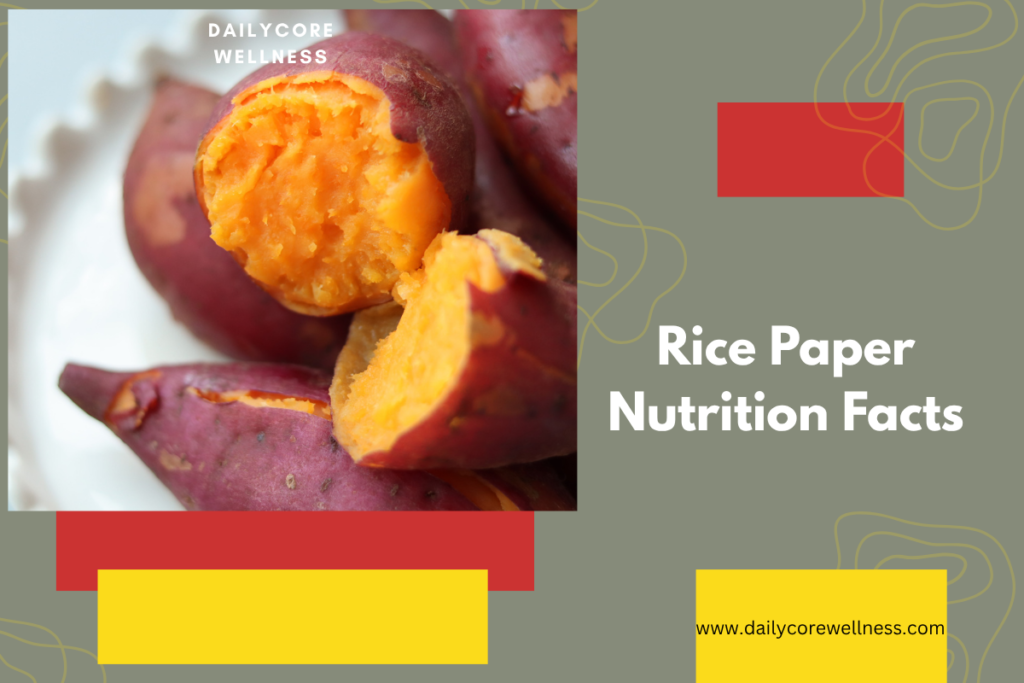
Japanese sweet potatoes are a popular root vegetable known for their creamy texture, naturally sweet flavor, and purple or reddish-brown skin. The inside is usually pale yellow or cream-colored, although varieties can differ.
Japanese sweet potatoes are sometimes called Satsumaimo and are commonly eaten roasted, steamed, baked, or boiled. They are especially popular in Japanese cuisine and have also become popular in healthy meal plans around the world.
From a nutrition perspective, Japanese sweet potatoes provide carbohydrates, dietary fiber, potassium, vitamin C, vitamin B6, manganese, and other nutrients. They can be a useful source of energy while also adding nutrients to a balanced diet.
The exact nutrition facts depend on the variety, size, preparation method, and serving size. Cooking methods can also affect the final calorie and carbohydrate concentration.
What Are Japanese Sweet Potatoes?
Japanese sweet potatoes are a type of sweet potato with a firm texture and naturally sweet taste.
They usually have reddish-purple or brown skin and a pale yellow interior. When cooked, the flesh becomes soft, creamy, and sweeter.
Compared with orange-fleshed sweet potatoes, Japanese sweet potatoes are often drier and starchier. Their taste makes them popular as a snack, breakfast food, side dish, or ingredient in desserts.
They can be prepared in several ways, including roasting, baking, steaming, boiling, and grilling.
Like other sweet potatoes, Japanese sweet potatoes are naturally plant-based and can fit into vegetarian and vegan diets.
Japanese Sweet Potato Nutrition Facts at a Glance
The exact nutritional profile varies depending on the variety and preparation method.
For a 100-gram serving of cooked Japanese sweet potato, a reasonable general estimate is approximately:
| Nutrient | Approximate Amount |
|---|---|
| Calories | 120–140 kcal |
| Carbohydrates | 28–32 g |
| Protein | 1–2 g |
| Fat | Less than 1 g |
| Fiber | 2–4 g |
| Sugar | 5–8 g |
| Potassium | About 300–400 mg |
| Sodium | Very low |
These numbers are estimates rather than a universal nutrition label. Japanese sweet potatoes can vary in size and composition, and roasting can reduce water content and make nutrients more concentrated by weight.
For accurate calorie tracking, check the nutrition information for the specific product or measure the amount you eat.
Japanese Sweet Potato Calories
Japanese sweet potatoes are a moderate-calorie food.
A 100-gram cooked serving generally provides around 120–140 calories, depending on the variety and cooking method.
One medium Japanese sweet potato can contain considerably more calories because the total depends on its weight.
For example, a large sweet potato will naturally provide more calories than a small one.
The cooking method also matters. Plain roasted or baked Japanese sweet potatoes do not require added oil, butter, or sugar. Adding these ingredients increases the calorie content.
If you are trying to manage your calorie intake, eating Japanese sweet potatoes plain or with nutritious toppings can be a simple approach.
Japanese Sweet Potato Carbohydrates
Japanese sweet potatoes are primarily a carbohydrate food.
A 100-gram serving can provide roughly 28–32 grams of carbohydrates, although the amount varies.
These carbohydrates provide energy for daily activities and exercise.
Japanese sweet potatoes contain both starch and naturally occurring sugars, which contribute to their sweet taste.
Because they are carbohydrate-rich, portion size is important for people who are following a low-carbohydrate diet or monitoring carbohydrate intake.
However, carbohydrates are not automatically unhealthy. Japanese sweet potatoes can be part of a balanced meal when combined with protein, vegetables, and healthy fats.
Japanese Sweet Potato Protein
Japanese sweet potatoes provide a small amount of protein.
A 100-gram serving generally contains around 1–2 grams of protein.
This means they should not be considered a major protein source.
If you want to make a Japanese sweet potato meal more balanced, pair it with protein-rich foods such as:
- Eggs
- Greek yogurt
- Chicken
- Fish
- Turkey
- Tofu
- Beans
- Lentils
- Cottage cheese
Combining carbohydrates with protein can make a meal more filling and nutritionally complete.
Japanese Sweet Potato Fat
Japanese sweet potatoes are naturally very low in fat.
A plain serving generally contains less than 1 gram of fat.
This makes them a useful carbohydrate source for meals where you want to control fat intake.
However, the fat content can increase considerably depending on preparation.
Butter, coconut oil, olive oil, cream, cheese, and other toppings can add fat and calories.
There is nothing wrong with including healthy fats in your diet. The important thing is to consider the total amount used.
Japanese Sweet Potato Fiber
Japanese sweet potatoes provide dietary fiber.
Fiber is important for digestive health and can help contribute to feelings of fullness.
The exact amount varies, but a 100-gram serving can provide roughly 2–4 grams of fiber.
Leaving the skin on can also contribute to the overall fiber content.
If you are increasing your fiber intake, do so gradually and drink enough fluids.
A diet containing sweet potatoes along with vegetables, fruits, legumes, nuts, seeds, and whole grains can provide a wide range of dietary fiber.
Japanese Sweet Potato Vitamins
Japanese sweet potatoes contain several vitamins.
These include:
- Vitamin C
- Vitamin B6
- Folate
- Vitamin E
- Other B vitamins
Vitamin C supports normal immune function, collagen formation, and antioxidant activity.
Vitamin B6 contributes to normal protein metabolism and nervous system function.
The exact vitamin levels depend on the variety and cooking method.
Some vitamins can be reduced by cooking, particularly when foods are exposed to heat or water for extended periods.
Japanese Sweet Potato Minerals
Japanese sweet potatoes provide several minerals, particularly potassium and manganese.
Potassium is an essential mineral involved in fluid balance, nerve function, and normal muscle function.
Manganese contributes to normal metabolism and antioxidant defense.
They also contain smaller amounts of minerals such as magnesium, phosphorus, and copper.
Eating a variety of plant foods is a good way to obtain different vitamins and minerals throughout the day.
Japanese Sweet Potato and Potassium
Japanese sweet potatoes can contribute to daily potassium intake.
Potassium is important for normal muscle and nerve function and helps maintain normal fluid balance.
Many people can obtain potassium from foods such as:
- Sweet potatoes
- Bananas
- Beans
- Lentils
- Avocado
- Tomatoes
- Spinach
- Yogurt
Japanese sweet potatoes can therefore be part of a balanced diet that includes several potassium-rich foods.
People with kidney disease or conditions requiring potassium restriction should follow their healthcare professional’s dietary advice.
Japanese Sweet Potato Health Benefits
Japanese sweet potatoes can offer several nutritional benefits when included in a balanced diet.
1. Provides Energy
Their carbohydrate content provides energy for daily activities and exercise.
2. Provides Dietary Fiber
Fiber supports digestive health and can contribute to fullness.
3. Provides Potassium
Potassium is important for normal muscle and nerve function.
4. Contains Vitamin C
Vitamin C contributes to normal immune and connective-tissue function.
5. Provides Vitamin B6
Vitamin B6 supports several metabolic processes.
6. Naturally Low in Fat
Plain Japanese sweet potatoes contain very little fat.
7. Easy to Prepare
They can be baked, roasted, steamed, boiled, or grilled.
8. Naturally Sweet
Their natural sweetness can make nutritious meals more enjoyable without needing large amounts of added sugar.
Japanese Sweet Potato for Weight Loss
Japanese sweet potatoes can fit into a weight-loss diet.
They contain carbohydrates and calories, but they also provide fiber and several micronutrients.
The key is portion size and what you eat with them.
A balanced weight-loss meal could contain:
Protein: Grilled chicken or fish.
Carbohydrate: Japanese sweet potato.
Vegetables: Broccoli, spinach, cabbage, or green beans.
Healthy fat: A small amount of avocado or olive oil.
This creates a meal containing protein, carbohydrates, fiber, vitamins, minerals, and healthy fats.
Japanese sweet potatoes do not directly cause weight loss. Weight management depends on overall calorie intake, food choices, physical activity, and other lifestyle factors.
Japanese Sweet Potato for Muscle Building
People who strength train can use Japanese sweet potatoes as a carbohydrate source.
Carbohydrates provide energy that can support exercise performance.
A meal containing Japanese sweet potato and protein can be particularly useful around training.
For example:
- Japanese sweet potato
- Grilled chicken
- Broccoli
- Avocado
Or:
- Japanese sweet potato
- Eggs
- Spinach
- Greek yogurt
The exact amount you need depends on your calorie and carbohydrate requirements.
Japanese Sweet Potato Before a Workout
Japanese sweet potatoes can be included in a pre-workout meal because they provide carbohydrates.
Carbohydrates can help provide energy for exercise.
However, a large serving immediately before intense exercise may feel heavy for some people.
If you eat Japanese sweet potatoes before training, allow enough time for digestion and choose a portion that feels comfortable.
A small serving with a moderate amount of protein can work well for many people.
Individual tolerance varies, so experiment with meal timing and portion size.
Japanese Sweet Potato After a Workout
Japanese sweet potatoes can also be included in a post-workout meal.
After exercise, your body needs nutrients to support recovery.
A meal containing carbohydrates and protein can help replenish energy stores and provide amino acids needed for muscle repair.
Try combining Japanese sweet potato with:
- Chicken
- Fish
- Eggs
- Lean beef
- Tofu
- Greek yogurt
Add vegetables to provide additional fiber and micronutrients.
Japanese Sweet Potato vs. Regular Sweet Potato
Both Japanese sweet potatoes and other sweet potato varieties can be nutritious.
The main differences are often their appearance, texture, flavor, and nutritional composition.
Japanese sweet potatoes tend to be denser, starchier, and sweeter than many orange-fleshed varieties.
Orange sweet potatoes are particularly well known for their beta-carotene content, which gives them their orange color.
Japanese sweet potatoes still provide important nutrients, including carbohydrates, fiber, potassium, vitamin C, and vitamin B6.
Neither type needs to be considered universally better.
Eating different varieties can provide variety in your diet.
Japanese Sweet Potato vs. White Potato
Japanese sweet potatoes and white potatoes have different nutritional profiles but can both be part of a healthy diet.
Japanese sweet potatoes generally have a sweeter flavor and contain dietary fiber and several micronutrients.
White potatoes also provide carbohydrates, potassium, vitamin C, and other nutrients.
The healthiness of either food depends heavily on preparation.
A plain baked potato is very different nutritionally from deep-fried potatoes covered in high-calorie sauces.
The same principle applies to Japanese sweet potatoes.
Japanese Sweet Potato for Diabetes
Japanese sweet potatoes contain carbohydrates, so people with diabetes should consider portion size and the overall carbohydrate content of the meal.
The carbohydrate response can vary based on portion, preparation, and what the sweet potato is eaten with.
Pairing a carbohydrate source with protein, fiber, and healthy fats can create a more balanced meal.
For example, Japanese sweet potato can be paired with grilled chicken and non-starchy vegetables.
If you have diabetes, use the individualized carbohydrate recommendations provided by your healthcare professional or registered dietitian.
Japanese Sweet Potato and Blood Sugar
Because Japanese sweet potatoes are carbohydrate-rich, they can affect blood glucose levels.
The effect depends on several factors, including:
- Portion size
- Cooking method
- Individual metabolism
- What you eat with the potato
- Overall carbohydrate intake
Boiling, baking, and roasting can produce different textures and digestion rates.
If you monitor blood glucose, you can discuss appropriate portions and preparation methods with your healthcare professional.
Can You Eat Japanese Sweet Potato Every Day?
For many healthy people, Japanese sweet potatoes can be eaten regularly as part of a varied diet.
However, eating the same food every day should not mean excluding other nutritious foods.
Rotate your carbohydrate sources between foods such as:
- Oats
- Brown rice
- Quinoa
- Beans
- Potatoes
- Whole grains
- Corn
- Other vegetables
A varied diet makes it easier to obtain a broad range of nutrients.
Best Ways to Cook Japanese Sweet Potatoes
Japanese sweet potatoes can be prepared in several simple ways.
Baking
Wash the potato, pierce the skin, and bake until soft.
Roasting
Cut into pieces and roast until tender and lightly browned.
Steaming
Steam until the flesh becomes soft.
Boiling
Boil until tender, then drain.
Grilling
Grilling can give the skin and exterior a pleasant roasted flavor.
If your goal is to keep calories lower, avoid adding large amounts of butter, oil, sugar, or cream.
Healthy Japanese Sweet Potato Meal Ideas
Japanese sweet potatoes are versatile and can be used in many meals.
Breakfast
Pair roasted Japanese sweet potato with eggs and vegetables.
Lunch
Serve it with grilled chicken, salad, and avocado.
Dinner
Combine it with fish and steamed vegetables.
Snack
Eat a small roasted sweet potato with Greek yogurt.
Vegetarian Meal
Combine Japanese sweet potato with beans, spinach, avocado, and vegetables.
These combinations provide more protein and nutrients than eating the sweet potato alone.
Japanese Sweet Potato Skin: Can You Eat It?
The skin of Japanese sweet potatoes is edible.
Some people prefer to remove it because of texture, while others eat the whole potato.
If you want to eat the skin, wash and scrub the sweet potato thoroughly before cooking.
The skin can contribute additional fiber and plant compounds.
If the skin is damaged, excessively dirty, or unpleasant to eat, removing it is also perfectly acceptable.
Are Japanese Sweet Potatoes Good for Gut Health?
Japanese sweet potatoes contain dietary fiber, which is important for digestive health.
Dietary fiber can support normal bowel function and contributes to a healthy eating pattern.
The gut microbiome also benefits from a diverse range of plant foods.
For better digestive health, do not rely on one food alone.
Include a variety of vegetables, fruits, whole grains, beans, nuts, and seeds throughout the week.
If you are not used to eating much fiber, increase your intake gradually and drink adequate fluids.
Are Japanese Sweet Potatoes Gluten-Free?
Plain Japanese sweet potatoes are naturally gluten-free.
They are a root vegetable rather than a wheat-based grain.
However, prepared Japanese sweet potato products can contain other ingredients.
If you have celiac disease or need to strictly avoid gluten, check packaged products, seasonings, sauces, and toppings carefully.
Plain roasted or steamed Japanese sweet potatoes are generally a simple gluten-free food.
Are Japanese Sweet Potatoes Vegan?
Plain Japanese sweet potatoes are naturally plant-based and suitable for vegan diets.
The issue usually comes from how they are prepared.
For example, adding butter, cream, or certain sauces would make a dish unsuitable for a strict vegan diet.
For a vegan meal, combine Japanese sweet potato with foods such as:
- Tofu
- Beans
- Lentils
- Chickpeas
- Avocado
- Vegetables
- Nuts
- Seeds
Tips for Buying Japanese Sweet Potatoes
When buying Japanese sweet potatoes, look for firm potatoes without major soft spots, mold, or extensive damage.
The skin should generally appear intact.
Avoid potatoes that feel unusually soft or have significant signs of spoilage.
Store them in a cool, dry place rather than somewhere excessively damp.
Avoid storing raw sweet potatoes in the refrigerator unless the specific product instructions recommend it.
Before cooking, wash the outside thoroughly.
How to Add Japanese Sweet Potatoes to Your Diet
If you want to eat more Japanese sweet potatoes, keep preparation simple.
You can:
- Roast them whole.
- Cut them into cubes.
- Add them to breakfast bowls.
- Serve them with eggs.
- Add them to salads.
- Pair them with grilled chicken.
- Serve them with fish.
- Mash them as a side dish.
- Add them to vegetable bowls.
- Eat them as a simple snack.
The best preparation is the one that fits your nutritional needs and taste preferences.
Frequently Asked Questions
Are Japanese sweet potatoes healthy?
Yes. They can be part of a healthy diet and provide carbohydrates, fiber, potassium, vitamin C, vitamin B6, and other nutrients.
How many calories are in a Japanese sweet potato?
The calorie content depends on size and preparation. A 100-gram cooked serving generally provides around 120–140 calories.
Are Japanese sweet potatoes high in carbs?
Yes. They are primarily a carbohydrate food and can provide roughly 28–32 grams of carbohydrates per 100 grams when cooked.
Are Japanese sweet potatoes good for weight loss?
They can fit into a weight-loss diet because they provide carbohydrates and fiber. However, portion size and total calorie intake are important.
Are Japanese sweet potatoes good for muscle building?
Yes. They can provide carbohydrates that support energy needs during training. Pair them with a protein source for a more balanced meal.
Do Japanese sweet potatoes have protein?
They contain a small amount of protein, generally around 1–2 grams per 100 grams.
Are Japanese sweet potatoes keto-friendly?
They are relatively high in carbohydrates, so they may not fit well into a strict ketogenic diet.
Can diabetics eat Japanese sweet potatoes?
People with diabetes can often include sweet potatoes in appropriate portions, but carbohydrate intake should be individualized. Speak with a healthcare professional or dietitian for personalized guidance.
Are Japanese sweet potatoes gluten-free?
Plain Japanese sweet potatoes are naturally gluten-free. Check processed products and added ingredients if you need strict gluten avoidance.
Can you eat Japanese sweet potato skin?
Yes. The skin is edible. Wash the potato thoroughly before cooking if you plan to eat the skin.
What is the difference between Japanese sweet potatoes and orange sweet potatoes?
Japanese sweet potatoes are usually cream-colored inside and have a dense, sweet texture. Orange sweet potatoes are softer and are particularly known for their beta-carotene content.
Final Thoughts on Japanese Sweet Potato Nutrition
Japanese sweet potato nutrition makes this root vegetable a useful addition to a balanced eating plan. It provides carbohydrates for energy along with dietary fiber, potassium, vitamin C, vitamin B6, manganese, and other nutrients.
Japanese sweet potatoes can work well for breakfast, lunch, dinner, snacks, and meal preparation. They can also fit into weight-management and fitness-focused diets when portions are appropriate and meals contain enough protein and vegetables.
The best way to enjoy them is to keep preparation simple. Baking, roasting, steaming, and boiling can all work well. Be mindful of toppings such as butter, sugar, cream, and large amounts of oil if you are trying to control calories.
There is no need to rely on one type of carbohydrate. Include Japanese sweet potatoes alongside other nutritious foods such as vegetables, fruits, whole grains, beans, lean proteins, fish, eggs, nuts, and seeds. A varied diet provides a wider range of nutrients and makes healthy eating easier to maintain.
Disclaimer: This article is for general nutrition and educational purposes only. Nutrition values can vary depending on the Japanese sweet potato variety, size, cooking method, and serving size. If you have diabetes, kidney disease, or another condition requiring dietary restrictions, speak with a qualified healthcare professional or registered dietitian.