Bringing a pet into your life is one of the most rewarding experiences you can have, but it also comes with a profound responsibility. Proper pet care goes far beyond filling a food bowl and offering occasional belly rubs; it requires a proactive, holistic approach to their physical and emotional well-being. Whether you are welcoming a playful new puppy, an independent kitten, or an aging senior companion, understanding their fundamental health needs is the first step toward building a thriving relationship.
As a health professional, I often remind clients that preventative medicine is just as critical for animals as it is for humans. Routine veterinary checkups, tailored nutrition, and consistent physical activity form the bedrock of long-term wellness, preventing costly medical issues and unnecessary distress down the road. Small, daily habits—like monitoring their hydration, establishing a grooming routine, and keeping up with vaccinations—can dramatically extend your pet’s lifespan and drastically improve their overall quality of life.
Ultimately, high-quality pet care is about clear communication, patience, and adapting to your companion’s changing needs through every stage of life. By committing to standard health practices and nurturing their natural behaviors through dynamic play and routine, you provide the continuous support they need to flourish. Here is your definitive guide to keeping your furry family members happy, vibrant, and healthy for years to come.
How to Read a Pet Food Label
Evaluating pet food labels requires looking past marketing claims on the front and focusing on certified nutritional statements and panel metrics on the back.
-
Nutritional Adequacy Statement: Look for an official statement confirming the food meets established nutritional profiles (such as FEDIAF in Europe or AAFCO in North America). Look for phrases stating the food is “complete and balanced,” meaning it provides all essential daily nutrients without needing extra supplements.
-
Guaranteed Analysis Panel: This section lists minimum percentages of crude protein and crude fat, alongside maximum percentages of crude fiber and moisture. Compare values on a “dry matter basis” (subtracting moisture percentage) when comparing dry kibble to wet food.
-
Ingredient List: Ingredients are listed in descending order by weight before processing. Whole protein sources (like chicken, salmon, or lamb) should ideally appear among the first few ingredients. Look for clearly named ingredients rather than ambiguous terms like “animal derivative.”
Matching Nutrition to Life Stage & Health Needs
| Life Stage / Status | Nutritional Focus | Key Considerations |
| Growth (Puppies & Kittens) | Higher protein, higher calories, balanced calcium/phosphorus | Essential for muscle and skeletal development; large breed dogs require carefully controlled calcium ratios. |
| Adult (Maintenance) | Balanced energy density, moderate protein and fat | Tailored to daily activity levels to maintain lean body mass and prevent weight gain. |
| Senior (7+ Years) | Digestible protein, lower calories, joint supplements (Glucosamine/Omega-3) | Helps offset slowing metabolism while supporting aging joints and kidney health. |
| Special Medical Conditions | Reduced phosphorus, hydrolysed proteins, or controlled fiber | Conditions like chronic kidney disease, food allergies, or diabetes require specialized prescription diets managed with a vet. |
Assessing your pet’s Body Condition Score
Assessing your pet’s Body Condition Score (BCS) at home relies on visual inspection and hands-on palpation using a standardized 1 to 9 scale, where 5 is the ideal weight.
Step 1: The Rib Test (Palpation)
Place your thumbs on your pet’s spine and spread your fingers across their ribcage.
-
Underweight (BCS 1–3): Ribs, spine, and hip bones are prominently visible with no overlying fat cover.
-
Ideal (BCS 4–5): Ribs are easily felt with a light layer of fat, similar to feeling the knuckles on the back of your hand when flat.
-
Overweight (BCS 6–9): Ribs are difficult to feel under a thick layer of fat, or completely unpalpable without firm pressure.
Step 2: The Overhead View (Waist Check)
Stand directly above your pet while they are standing up and look down at their torso.
-
Underweight: An extreme, sharp hourglass indent behind the ribs.
-
Ideal: A smooth, clearly defined hourglass waistline narrowing behind the ribcage.
-
Overweight: Broad or oval silhouette with no visible waist; the back appears flat or rounded.
Step 3: The Side View (Abdominal Tuck)
Kneel down next to your pet to view their profile at eye level.
-
Underweight: Severe abdominal tuck upwards toward the hind legs.
-
Ideal: A distinct upward slant of the abdomen behind the ribcage.
-
Overweight: Minimal to no abdominal tuck; a sagging belly line (or prominent fat pad in cats).
Low-impact exercise routines for senior or arthritic pets must focus on maintaining joint mobility and rebuilding supporting muscle without placing excess strain on inflamed cartilage.
What are safe, low-impact exercise routines for an overweight or senior pet with joint stiffness?
Safe Low-Impact Activities
-
Controlled Hydrotherapy or Swimming: Water supports up to 90% of a pet’s body weight, relieving pressure on joints while providing continuous resistance to rebuild lost muscle tone in knees and hips.
-
Low-Height Cavaletti Rails: Set up soft foam rollers or low poles a few inches off the ground and lead your pet over them slowly on a leash. This encourages mindful paw placement, flexibility, and core stability without jarring movements.
-
Gentle Balance Pad Exercises: Have your pet stand with their front paws on a firm cushion or yoga block for 15–30 seconds. This engages stabilizing core muscles without joint impact.
Safety Guidelines for Arthritic Pets
| Do | Don’t |
| Stick to flat, soft surfaces (grass, yoga mats, carpet) | Avoid hardwood floors or slippery tile without non-slip grips |
| Warm up muscles with 2 minutes of gentle indoor walking | Avoid high-impact activities like fetching, jumping, or sudden stops |
| Watch for subtle signs of pain (lagging behind, heavy panting) | Don’t push through stiffness; stop immediately if limping occurs |
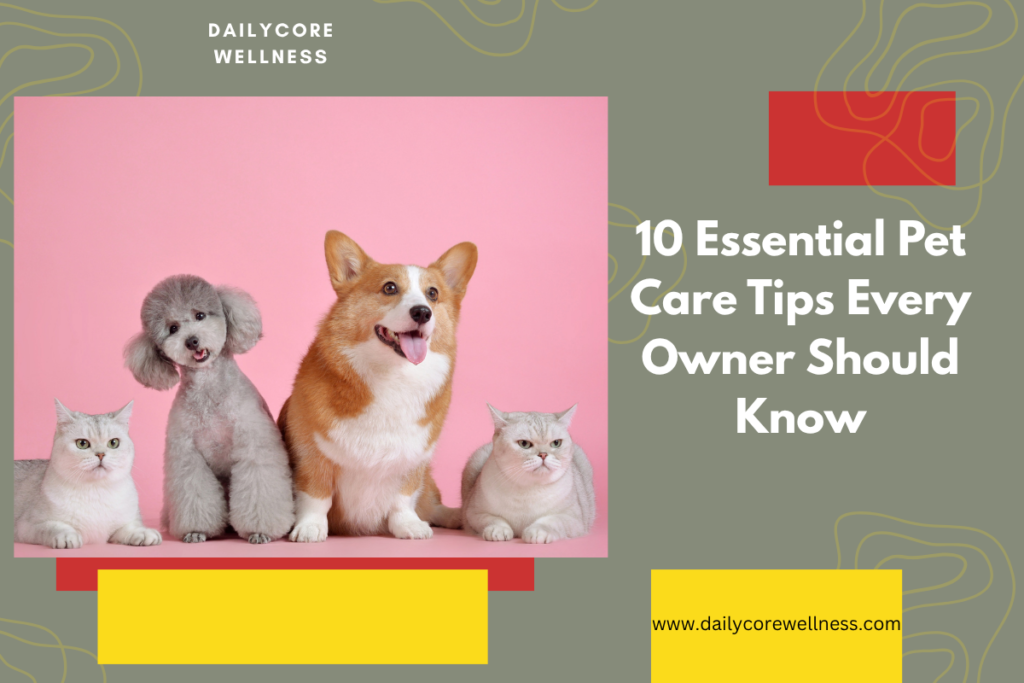
10 Essential Pet Care Tips Every Owner Should Know 2026
1. Schedule Routine Veterinary Checkups
Annual or bi-annual wellness exams allow your veterinarian to catch early signs of chronic conditions, manage parasite prevention, and keep vaccinations current. These preventative visits establish an accurate health baseline, making it much easier to detect subtle physical or behavioral changes before they develop into serious, costly medical emergencies. Regular professional monitoring is the single most effective investment you can make toward extending your companion’s overall lifespan and quality of life.
2. Provide Species-Appropriate Nutrition
Feeding high-quality food tailored to your pet’s specific age, size, and health status ensures optimal organ function, maintains lean muscle mass, and prevents obesity. Always look for a certified complete and balanced nutritional statement on the label. Properly portioned meals supply essential amino acids, fatty acids, vitamins, and minerals required to keep their coat shiny, support digestive health, and sustain everyday energy levels through every stage of life.
3. Maintain Consistent Physical Exercise
Daily physical activity keeps joints mobile, strengthens cardiovascular health, and regulates body weight to prevent metabolic diseases like diabetes. Tailor workouts to your pet’s breed and age, balancing energetic fetch sessions or brisk walks with structured low-impact movement. Regular exercise also burns off excess physical energy, directly reducing anxiety-driven behaviors like excessive barking, digging, or household destruction while promoting deep, restful sleep every single night.
4. Offer Engaging Mental Stimulation
Mental exercise is just as essential as physical workouts for maintaining your pet’s cognitive function and emotional well-being. Incorporate interactive puzzle feeders, scent-tracking games, chew toys, and positive reinforcement training sessions into their daily routine. Brain games challenge their natural instincts, prevent boredom during long periods home alone, and significantly lower stress levels, keeping younger animals focused and helping senior pets stay sharp as they age.
5. Establish an At-Home Dental Routine
Periodontal disease is one of the most common yet preventable conditions affecting adult pets today. Brushing your companion’s teeth regularly with pet-safe toothpaste prevents plaque and tartar accumulation, protecting their gums from painful inflammation. Left untreated, oral bacteria can enter the bloodstream and cause serious systemic complications in the heart, liver, and kidneys, making consistent home oral care a critical pillar of long-term wellness.
6. Practice Regular Grooming and Skin Inspections
Routine coat brushing, nail trimming, and ear cleaning keep your pet comfortable while preventing painful fur matting, overgrown claws, and localized skin infections. Grooming sessions also serve as an ideal hands-on opportunity to inspect their entire body for unusual lumps, rashes, inflammation, or external parasites like fleas and ticks. Catching skin issues early allows for swift veterinary treatment before minor irritations turn into severe issues.
7. Ensure Constant Access to Fresh Hydration
Maintaining clean, accessible water sources throughout your home is vital for supporting efficient digestion, nutrient absorption, kidney function, and body temperature regulation. Pets require continuous hydration, especially after physical exercise or during warmer weather. Clean their water bowls daily to prevent bacterial buildup, and consider using a circulating water fountain for cats or fussy drinkers to encourage frequent, healthy fluid intake throughout the day.
8. Keep Identification and Microchip Data Updated
Even the most well-trained animals can get startled, wander off, or unexpectedly escape from an open gate or door. Ensure your pet wears a comfortable collar with an up-to-date identification tag containing your phone number. Additionally, register them with a permanent microchip and routinely verify that your current contact information is updated in the national registry, ensuring a swift and safe reunion if they go missing.
9. Proof Your Environment for Household Hazards
Protect your companion by identifying and eliminating common household dangers, including toxic human foods like chocolate, onions, and xylitol, poisonous houseplants, cleaning chemicals, and small swallowable objects. Store all medications, lawn chemicals, and trash cans securely behind locked doors or out of reach. Creating a safe, hazard-free living space prevents accidental poisonings, painful chemical burns, and life-threatening gastrointestinal blockages requiring emergency surgery.
10. Prioritize Socialization and Emotional Bonding
Positive, rewards-based training and gentle exposure to diverse environments, people, and other animals build confidence and reduce fear-based behavioral issues. Spend quality, uninterrupted time bonding with your pet every day through gentle handling, affection, and clear, consistent communication. Nurturing a secure, predictable environment strengthens your mutual trust and deepens the unique emotional connection you share, ensuring your pet feels safe and valued forever.
Summary
Evaluating pet food requires looking past front-of-package marketing to review the guaranteed analysis and ingredient panel on the back. It is critical to confirm a Nutritional Adequacy Statement that guarantees the diet is complete and balanced for your pet’s specific life stage. Accurate feeding amounts are calculated using the Resting Energy Requirement formula based on metabolic body weight, adjusted by a life-stage activity multiplier, and measured precisely on a digital scale in grams rather than volume cups.
Assessing body weight at home uses a standard 1 to 9 Body Condition Scoring system rather than relying strictly on scale weight. Owners evaluate three key visual and physical markers: feeling the ribcage for a light layer of fat cover, observing a clear hourglass waist from an overhead view, and looking for a distinct upward abdominal tuck from the side profile.
When addressing weight loss, pets must lose weight gradually—aiming for 1% to 2% of total body weight per week for dogs and 0.5% to 1% for cats—to preserve lean muscle and prevent severe hepatic lipidosis in felines. A safe protocol pairs veterinary guidance with a high-protein, high-fiber satiety diet, strict control of treats to under 10% of daily caloric intake, and bi-weekly weight monitoring to adjust portion sizes as progress continues.
For senior or arthritic pets struggling with weight or joint stiffness, exercise routines must be modified to build supporting muscle without damaging fragile joint cartilage. Low-impact activities—such as short, slow-paced walks on soft grass, controlled underwater treadmill hydrotherapy, low cavaletti rail stepping, and indoor balance pad training—allow older companions to burn calories and maintain mobility safely.