Mental health is an essential part of overall health and well-being, yet it remains one of the most misunderstood and neglected aspects of healthcare across many African communities. While physical illnesses often receive immediate attention and support, mental health challenges are frequently overlooked, misunderstood, or hidden because of stigma, cultural beliefs, and limited awareness. As a result, millions of Africans struggle with anxiety, depression, trauma, stress, and other mental health conditions without receiving the help they need.
Mental health affects how people think, feel, behave, cope with stress, and interact with others. It influences decision-making, relationships, work performance, academic achievement, and physical health. Good mental health allows individuals to handle life’s challenges effectively, maintain healthy relationships, and contribute positively to their communities. When mental health is neglected, however, it can significantly reduce quality of life and affect families, workplaces, and entire societies.
Across Africa, rapid urbanization, economic pressures, unemployment, political instability, social inequality, conflict, displacement, and public health emergencies have contributed to increasing mental health concerns. Young people, women, men, healthcare workers, students, and older adults all face unique mental health challenges that require attention and support.
Despite growing awareness worldwide, many Africans continue to face barriers when seeking mental health care. These barriers include limited access to mental health professionals, cultural misconceptions, financial challenges, and fear of discrimination. However, awareness campaigns, educational initiatives, community programs, and digital health technologies are helping to create positive change.
Mental health awareness is about understanding that mental illnesses are real health conditions, not personal weaknesses or spiritual failures. It involves promoting education, reducing stigma, encouraging early intervention, and creating supportive environments where individuals can seek help without fear or shame.
This article explores the importance of mental health awareness for Africans, common mental health challenges, barriers to care, and practical strategies for improving mental wellness across African communities.
Understanding Mental Health
Mental health refers to emotional, psychological, and social well-being. It influences how individuals manage stress, relate to others, make decisions, and navigate daily life. Mental health exists on a spectrum, meaning everyone experiences different levels of emotional well-being throughout their lives.
Good mental health does not mean being happy all the time or never experiencing stress. Instead, it means having the ability to cope with challenges, recover from setbacks, maintain meaningful relationships, and function effectively in daily activities.
Mental health can be influenced by numerous factors, including:
- Genetics and family history
- Physical health conditions
- Life experiences and trauma
- Financial difficulties
- Relationship problems
- Social support systems
- Employment status
- Educational opportunities
- Community safety
- Cultural beliefs
Mental health is interconnected with physical health. Chronic stress, anxiety, and depression can increase the risk of heart disease, hypertension, weakened immunity, sleep disorders, and other physical health conditions. Likewise, chronic physical illnesses can affect emotional well-being and increase the likelihood of mental health challenges.
Why Mental Health Awareness Matters in Africa
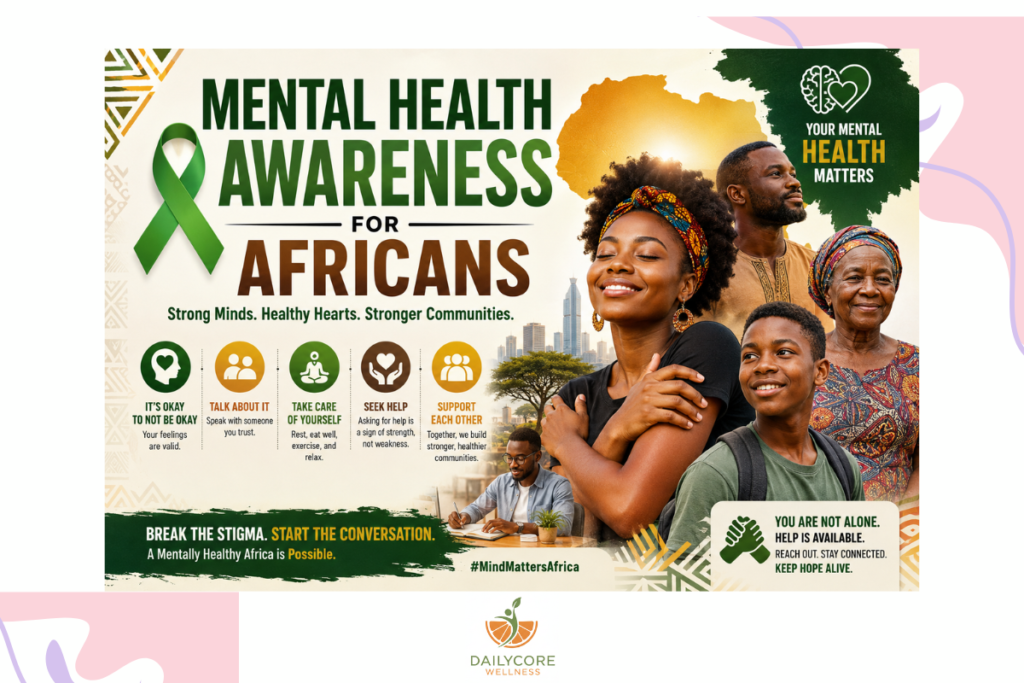
Mental health awareness is critical because it helps communities recognize symptoms, seek help earlier, and reduce harmful misconceptions about mental illness. Awareness campaigns create opportunities for education and open conversations that can save lives.
Many Africans grow up in environments where mental health is rarely discussed. Emotional struggles may be viewed as signs of weakness, spiritual attacks, curses, or personal failures rather than legitimate health concerns. These misconceptions can prevent people from seeking professional help.
Increasing awareness helps:
Reduce Stigma
Stigma remains one of the greatest obstacles to mental health care in Africa. Individuals experiencing depression, anxiety, or other mental health conditions may fear being judged, rejected, or discriminated against. Public education can challenge stereotypes and encourage compassion.
Encourage Early Intervention
Many mental health conditions become more manageable when identified early. Awareness helps individuals recognize symptoms and seek support before problems become severe.
Improve Community Support
When communities understand mental health, they become better equipped to support family members, friends, coworkers, and neighbors experiencing emotional difficulties.
Promote Healthier Families
Mental health challenges affect entire households. Educated families are more likely to provide understanding, encouragement, and practical support to loved ones.
Strengthen Economic Development
Mental health affects productivity, education, and workforce participation. Improving mental wellness contributes to stronger communities and economic growth.
Common Mental Health Challenges Affecting Africans
Depression
Depression is one of the most common mental health conditions worldwide and affects millions of Africans. It involves persistent sadness, loss of interest in activities, low energy, feelings of hopelessness, and difficulty concentrating.
Depression can affect anyone regardless of age, gender, income, or education level. Unfortunately, many people do not seek help because symptoms are misunderstood or dismissed as temporary emotional struggles.
Anxiety Disorders
Anxiety disorders involve excessive worry, fear, nervousness, or panic that interferes with daily life. While occasional anxiety is normal, chronic anxiety can significantly affect emotional and physical health.
Common symptoms include:
- Constant worry
- Restlessness
- Sleep problems
- Rapid heartbeat
- Difficulty concentrating
- Muscle tension
- Panic attacks
Modern stressors such as financial uncertainty, unemployment, academic pressure, and social challenges contribute to increasing anxiety levels among many Africans.
Post-Traumatic Stress Disorder (PTSD)
Many African communities have experienced conflict, violence, displacement, natural disasters, and other traumatic events. PTSD can develop after experiencing or witnessing traumatic situations.
Symptoms may include flashbacks, nightmares, emotional numbness, hypervigilance, and avoidance of reminders associated with trauma.
Without appropriate support, PTSD can significantly impact relationships, work performance, and overall quality of life.
Substance Use Disorders
Alcohol and drug misuse can both contribute to and result from mental health challenges. Some individuals use substances to cope with stress, trauma, or emotional pain, creating a cycle that worsens mental health over time.
Substance use disorders affect families, communities, and economies while increasing the risk of accidents, violence, and chronic health conditions.
Stress and Burnout
Chronic stress is increasingly common across Africa due to economic pressures, demanding work environments, caregiving responsibilities, and social expectations.
Prolonged stress can contribute to:
- Fatigue
- Sleep disturbances
- Anxiety
- Depression
- Physical health problems
- Reduced productivity
Recognizing and managing stress is an important component of mental health awareness.
Mental Health Challenges Facing African Youth
Young Africans represent one of the largest and fastest-growing populations in the world. While this creates tremendous opportunities, it also presents unique mental health challenges.
Many young people face the following:
- Academic pressure
- Unemployment
- Social media influence
- Financial uncertainty
- Identity struggles
- Relationship challenges
- Family expectations
Adolescence and early adulthood are critical periods for mental health development. Supporting young people through education, mentorship, counseling services, and community programs can help build resilience and improve long-term outcomes.
Mental Health and Women in Africa
Women often face unique mental health challenges related to caregiving responsibilities, gender inequality, domestic violence, reproductive health issues, and economic disadvantages.
Many women balance multiple roles while receiving limited emotional support. Postpartum depression, anxiety disorders, and stress-related conditions are common yet frequently overlooked.
Creating safe spaces, expanding access to healthcare, and promoting gender equality can significantly improve women’s mental well-being.
Mental Health and Men in Africa
Mental health challenges among African men are often overlooked due to cultural expectations surrounding masculinity. In many communities, men are expected to appear strong, independent, and emotionally resilient at all times. While resilience is valuable, these expectations can discourage men from expressing emotions or seeking help when they experience mental health difficulties.
Many men are taught from an early age to suppress emotional pain and avoid discussing feelings of sadness, anxiety, fear, or vulnerability. As a result, mental health problems may go unnoticed until they become severe. Some men may cope through social withdrawal, aggression, excessive alcohol consumption, substance use, or overworking rather than seeking emotional support.
Financial responsibilities can also contribute significantly to mental stress among men. Economic instability, unemployment, job insecurity, and pressure to provide for families can create chronic anxiety and emotional exhaustion. When support systems are limited, these stressors can negatively affect mental and physical health.
Increasing mental health awareness among men requires challenging harmful stereotypes that equate vulnerability with weakness. Seeking help should be viewed as a sign of courage and responsibility rather than failure. Community leaders, healthcare providers, employers, and families all have important roles in creating environments where men feel safe discussing mental health concerns openly.
Promoting positive conversations about emotional well-being can encourage more men to seek counseling, therapy, peer support, and other mental health resources when needed.
Mental Health in the Workplace
Workplaces play a major role in influencing mental health. Employees spend a significant portion of their lives at work, making workplace culture an important factor in emotional well-being.
Many African workers face challenges such as:
- Long working hours
- Job insecurity
- Low wages
- High workloads
- Workplace harassment
- Limited work-life balance
- Occupational stress
These factors can contribute to anxiety, burnout, depression, and reduced productivity. Mental health problems not only affect individual employees but also impact organizational performance through absenteeism, reduced efficiency, and increased turnover.
Employers can support mental health by:
Creating Supportive Work Environments
Organizations should foster cultures where employees feel respected, valued, and supported. Open communication helps reduce stigma and encourages workers to seek assistance when needed.
Promoting Work-Life Balance
Encouraging employees to take breaks, use vacation time, and maintain healthy boundaries between work and personal life helps prevent burnout and chronic stress.
Providing Mental Health Education
Workshops, seminars, and wellness programs can help employees recognize mental health symptoms and learn effective coping strategies.
Offering Access to Support Services
Employee assistance programs, counseling services, and mental health resources can provide valuable support for workers experiencing emotional difficulties.
Investing in workplace mental health benefits both employees and organizations by improving morale, productivity, and overall well-being.
Barriers to Mental Health Care in Africa
Although awareness is increasing, many Africans continue to face significant barriers when seeking mental health services.
Stigma and Discrimination
Fear of judgment remains one of the most significant obstacles. Individuals may worry about being labeled, excluded, or treated differently if they disclose mental health concerns.
This stigma can discourage people from discussing symptoms, seeking treatment, or supporting others who are struggling.
Limited Mental Health Professionals
Many African countries face shortages of psychiatrists, psychologists, counselors, and psychiatric nurses. Rural communities are often particularly underserved, making access to care difficult for millions of people.
Financial Challenges
Mental health services may be expensive or unavailable through public healthcare systems. Financial barriers can prevent individuals from obtaining diagnosis, treatment, counseling, or medications.
Lack of Awareness
Many people remain unfamiliar with mental health conditions, symptoms, and treatment options. Without adequate information, individuals may not recognize when professional support is needed.
Cultural Misconceptions
In some communities, mental illness may be attributed solely to spiritual causes, curses, supernatural forces, or personal weakness. While spiritual beliefs can be important sources of support, relying exclusively on these explanations may delay access to appropriate healthcare.
Addressing these barriers requires coordinated efforts involving governments, healthcare systems, educational institutions, religious organizations, and community leaders.
The Impact of Social Media on Mental Health
Social media has transformed communication across Africa, creating both opportunities and challenges for mental health.
Positive Effects
Social media can:
- Increase mental health awareness
- Connect people to support networks
- Reduce isolation
- Provide educational resources
- Encourage advocacy and public discussion
Many individuals find comfort in online communities where they can share experiences and learn from others facing similar challenges.
Negative Effects
Excessive social media use may contribute to:
- Anxiety
- Depression
- Poor self-esteem
- Sleep problems
- Social comparison
- Cyberbullying
Constant exposure to unrealistic lifestyles and achievements can create feelings of inadequacy or pressure, particularly among young people.
Maintaining healthy digital habits is important. Limiting screen time, taking regular breaks, and focusing on meaningful online interactions can help protect mental well-being.
Mental Health and Education
Schools and universities play a crucial role in promoting mental health awareness. Students face numerous pressures, including academic demands, social challenges, financial concerns, and future career uncertainty.
Educational institutions can support students by:
Integrating Mental Health Education
Teaching students about emotional wellness, stress management, and mental health conditions helps build awareness from an early age.
Providing Counseling Services
Accessible counseling programs allow students to receive support during difficult periods and develop healthy coping skills.
Promoting Positive School Environments
Safe, inclusive, and supportive learning environments contribute significantly to emotional well-being and academic success.
Encouraging Peer Support
Peer support programs can help students feel connected and reduce feelings of loneliness or isolation.
When schools prioritize mental health, students are better equipped to thrive academically and personally.
Community-Based Approaches to Mental Health
Communities play a powerful role in promoting mental wellness and reducing stigma.
Community Education Programs
Public awareness campaigns can increase understanding of mental health conditions and encourage help-seeking behavior.
Support Groups
Support groups provide opportunities for individuals to share experiences, learn coping strategies, and receive encouragement from others facing similar challenges.
Religious and Faith-Based Organizations
Faith communities often serve as trusted sources of support throughout Africa. Religious leaders can contribute positively by promoting mental health education, encouraging professional care when needed, and reducing stigma.
Youth Programs
Youth-focused initiatives can provide mentorship, life skills training, recreational activities, and emotional support that promote resilience and mental wellness.
Community Health Workers
Training community health workers in mental health awareness can expand access to basic support and early identification of mental health concerns.
The Importance of Early Intervention
Early intervention is one of the most effective ways to improve mental health outcomes. Recognizing symptoms early allows individuals to receive support before problems become more severe.
Benefits of early intervention include:
- Faster recovery
- Improved quality of life
- Reduced healthcare costs
- Better academic performance
- Stronger relationships
- Lower risk of complications
Common warning signs that may indicate the need for support include:
- Persistent sadness
- Excessive worry
- Significant changes in sleep
- Loss of interest in activities
- Difficulty concentrating
- Social withdrawal
- Feelings of hopelessness
- Thoughts of self-harm
Seeking help early can significantly improve long-term outcomes and overall well-being.
Mental Health and Physical Health
Mental and physical health are closely connected. Poor mental health can increase the risk of physical illnesses, while chronic physical conditions can negatively affect emotional well-being.
Stress, anxiety, and depression may contribute to:
- High blood pressure
- Heart disease
- Sleep disorders
- Digestive problems
- Weakened immune function
- Chronic pain
Similarly, conditions such as diabetes, cancer, and cardiovascular disease can increase emotional stress and mental health challenges.
A holistic approach that addresses both mental and physical health is essential for overall wellness.
Practical Daily Habits for Better Mental Health
Mental health awareness is not only about recognizing mental illness; it is also about developing daily habits that promote emotional resilience and psychological well-being. Small, consistent actions can have a significant impact on mental wellness over time.
Prioritize Quality Sleep
Sleep is one of the most important factors affecting mental health. Poor sleep can increase stress, anxiety, irritability, and difficulty concentrating. Adults should aim for seven to nine hours of quality sleep each night.
Healthy sleep habits include:
- Maintaining a consistent sleep schedule
- Limiting screen time before bed
- Creating a comfortable sleep environment
- Avoiding excessive caffeine late in the day
- Practicing relaxation techniques before sleeping
Quality sleep allows the brain to recover, process emotions, and prepare for the challenges of a new day.
Engage in Regular Physical Activity
Exercise benefits both physical and mental health. Physical activity stimulates the release of endorphins and other chemicals that improve mood and reduce stress.
Activities such as walking, jogging, dancing, cycling, sports, and gardening can all contribute to better mental health. Even moderate exercise performed consistently can help reduce symptoms of anxiety and depression.
Regular movement also improves sleep quality, self-confidence, and overall emotional well-being.
Maintain a Balanced Diet
Nutrition plays a critical role in brain health and emotional stability. A healthy diet provides the nutrients necessary for proper nervous system function and mood regulation.
Mental health-supporting foods include:
- Fruits and vegetables
- Whole grains
- Lean proteins
- Nuts and seeds
- Healthy fats
- Adequate water intake
Limiting excessive sugar, alcohol, and highly processed foods may also help support emotional wellness.
Practice Stress Management
Stress is a normal part of life, but chronic stress can harm mental and physical health. Learning healthy ways to manage stress is essential.
Effective stress management strategies include:
- Deep breathing exercises
- Meditation
- Mindfulness practices
- Prayer and spiritual reflection
- Journaling
- Time management
- Relaxation activities
Regular stress reduction practices help individuals remain emotionally balanced during challenging times.
Build Strong Social Connections
Human beings thrive on meaningful relationships. Social support can protect against loneliness, depression, and emotional distress.
Maintaining strong connections with family, friends, colleagues, and community members helps create a sense of belonging and security.
Healthy relationships provide:
- Emotional support
- Encouragement
- Practical assistance
- Opportunities for positive interaction
Strong social networks often serve as valuable protective factors during periods of stress and adversity.
Mental Health Awareness in Rural Communities
Many rural African communities face unique mental health challenges due to limited healthcare infrastructure, transportation difficulties, poverty, and shortages of trained professionals.
Expanding mental health awareness in rural areas requires innovative approaches, including:
Community Education
Educational programs can increase understanding of mental health and challenge harmful misconceptions.
Mobile Health Services
Mobile clinics can bring mental health services directly to underserved communities.
Telehealth Solutions
Digital technologies provide opportunities to connect individuals with mental health professionals regardless of geographic location.
Community Health Worker Training
Equipping community health workers with mental health knowledge allows them to provide basic support and identify individuals who may require specialized care.
These approaches can help reduce disparities in access to mental health services.
The Role of Governments in Promoting Mental Health
Governments play a critical role in improving mental health outcomes across Africa.
Strengthening Mental Health Policies
National mental health policies provide frameworks for service delivery, prevention, education, and treatment.
Strong policies help ensure that mental health receives appropriate attention within healthcare systems.
Increasing Funding
Mental health services often receive limited funding compared to other healthcare priorities. Increased investment can improve access to care, train professionals, and expand treatment programs.
Integrating Mental Health into Primary Healthcare
Integrating mental health services into primary healthcare systems makes support more accessible and reduces barriers to care.
Primary healthcare providers can play an important role in identifying and managing common mental health conditions.
Expanding Workforce Development
Training more psychiatrists, psychologists, counselors, social workers, and psychiatric nurses is essential for meeting growing mental health needs.
Supporting Research
The Role of Employers in Mental Health Promotion
Employers can contribute significantly to mental wellness by creating supportive work environments.
Organizations can:
- Promote work-life balance
- Offer wellness programs
- Provide counseling services
- Reduce workplace stigma
- Train managers to recognize mental health concerns
- Encourage open communication
A mentally healthy workforce benefits both employees and organizations through improved productivity, engagement, and job satisfaction.
The Role of Families in Mental Health Support
Families are often the first source of support for individuals experiencing mental health difficulties.
Supportive families can:
- Listen without judgment
- Encourage professional help-seeking
- Provide emotional reassurance
- Help monitor symptoms
- Promote healthy habits
Families that prioritize emotional well-being contribute significantly to stronger and healthier communities.
Technology and the Future of Mental Health in Africa
Technology is creating new opportunities to improve mental health awareness and access to care.
Mobile Applications
Mental health apps provide tools for stress management, meditation, mood tracking, and emotional support.
Teletherapy
Virtual counseling services help overcome geographical barriers and increase access to qualified professionals.
Online Education
Digital platforms can deliver mental health education to large audiences quickly and cost-effectively.
Social Media Advocacy
Mental health advocates, healthcare organizations, and community leaders can use social media to spread awareness and challenge stigma.
As internet access continues to expand across Africa, technology will likely play an increasingly important role in mental health promotion.
Building a Mentally Healthier Africa
Creating a mentally healthier Africa requires collaboration among governments, healthcare providers, educators, employers, religious leaders, community organizations, families, and individuals.
Key priorities include:
- Increasing awareness and education
- Reducing stigma
- Expanding access to services
- Training mental health professionals
- Supporting research and innovation
- Strengthening community support systems
- Promoting early intervention
Mental health should be viewed as a fundamental component of overall health and development rather than a secondary concern.
When societies prioritize mental wellness, they create stronger families, healthier communities, and more productive economies.
Conclusion
Mental health awareness is one of the most important public health priorities facing Africa today. As populations grow, economies evolve, and social challenges continue to change, the need for comprehensive mental health education and support becomes increasingly urgent.
Millions of Africans experience mental health challenges ranging from stress and anxiety to depression, trauma, and substance use disorders. Unfortunately, stigma, misinformation, limited resources, and barriers to care continue to prevent many individuals from receiving the support they need.
However, there is reason for optimism. Growing awareness campaigns, expanding educational initiatives, community-based programs, digital health innovations, and increased advocacy are helping to transform attitudes toward mental health across the continent.
Building a mentally healthier Africa requires collective action. Governments must strengthen policies and healthcare systems. Educational institutions must promote mental health literacy. Employers must create supportive workplaces. Communities and families must challenge stigma and encourage open conversations. Individuals must prioritize self-care and seek help when needed.
Mental health is not a luxury; it is a fundamental human right and an essential foundation for personal well-being, family stability, educational success, workforce productivity, and national development.
By increasing awareness, promoting compassion, expanding access to care, and supporting those who struggle, Africa can move toward a future where mental health is understood, valued, and protected. The journey begins with education, empathy, and a commitment to ensuring that no one faces mental health challenges alone.